A
Species Profile

African Wild Dog

Lycaon pictus

Painted packs, perfect teamwork.
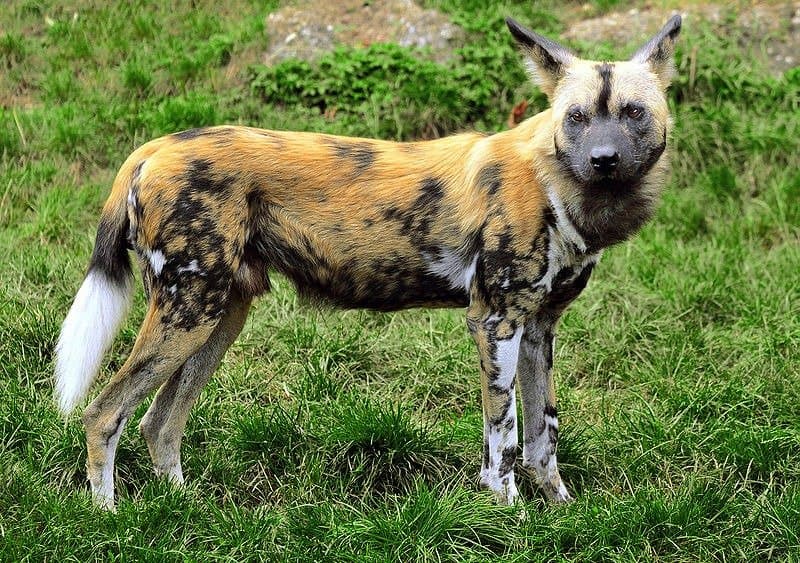
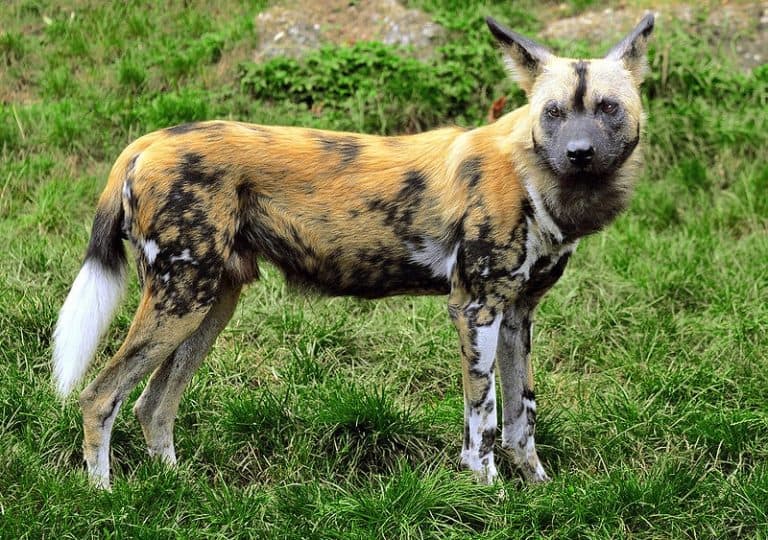
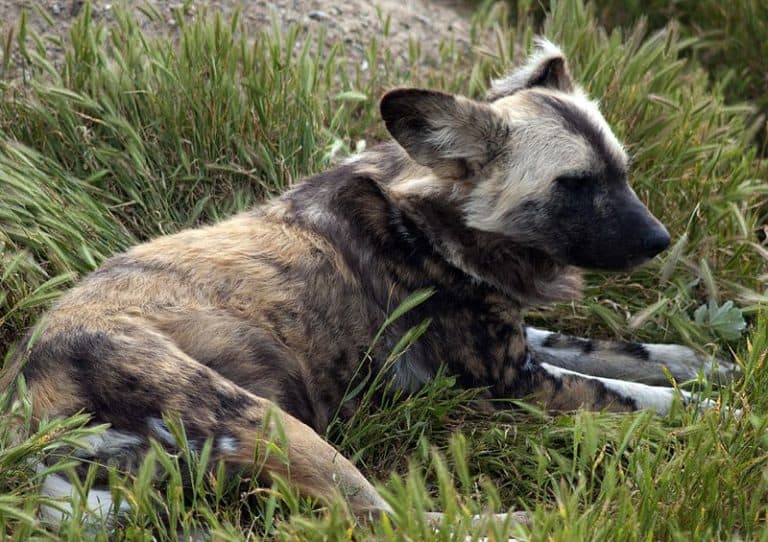
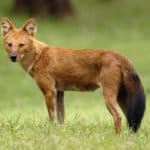
Michael Gabler / Creative Commons

African Wild Dog Distribution

Click a location to explore more animals from that region

Loading map...

Size Comparison

Human 5'8"
African Wild Dog 2 ft 2 in

African Wild Dog stands at 39% of average human height.

At a Glance

Wild Species
Also Known As African painted dog, African hunting dog, painted dog, painted wolf, painted hunting dog, Cape hunting dog, spotted dog
Diet Carnivore
Activity Crepuscular+
Lifespan 7 years
Weight 36 lbs
Status Endangered
Did You Know?

Every African wild dog has a unique patchwork coat pattern-useful for ID in field studies (IUCN, 2020).

Scientific Classification

The African wild dog (Lycaon pictus), also called the painted dog, is a highly social African canid known for cooperative hunting and complex pack dynamics.

Kingdom
Animalia
Phylum
Chordata
Class
Mammalia
Order
Carnivora
Family
Canidae
Genus
Lycaon
Species
Lycaon pictus

Distinguishing Features

  • Mottled/patchwork coat pattern unique to each individual
  • Large rounded ears adapted for hearing and thermoregulation
  • Long legs and endurance-running hunting style
  • Four toes on each foot (unlike most other canids, which typically have five on the forefeet)
  • Strong cooperative behavior: coordinated hunts and communal care of pups

Physical Measurements

Height
2 ft 2 in (1 ft 12 in – 2 ft 6 in)
Length
4 ft 2 in (3 ft 6 in – 4 ft 8 in)
Weight
53 lbs (44 lbs – 66 lbs)
Tail Length
1 ft 2 in (1 ft – 1 ft 4 in)
Top Speed
41 mph
Top speed about 66 km/h

Appearance

Primary Colors
Secondary Colors
Skin Type Furred mammalian skin with a short, coarse coat and relatively sparse underfur; bushy tail (often ending in a white tip).
Distinctive Features
  • Highly variable, individually unique patchwork coat (field identification trait of Lycaon pictus).
  • Large, rounded, erect ears (proportionally large for a canid), aiding heat dissipation and acute hearing for pack coordination.
  • Four-toed feet on each foot (lacks the dewclaw typical of many canids), an important diagnostic trait distinguishing it from many other canids.
  • Slender, long-legged build adapted for cursorial (endurance) hunting in open woodland/savanna mosaics.
  • White tail tip commonly present and used as a visual 'flag' to maintain cohesion during pack movement and cooperative hunts.
  • Adult size (species-level ranges reported in field guides and IUCN summaries): head-body length ~76-112 cm; tail length ~30-41 cm; shoulder height ~60-75 cm; mass commonly ~18-36 kg (males on average slightly heavier).
  • Social structure: obligately social, living in cohesive packs with a typically dominant breeding pair; cooperative hunting with coordinated roles and high prey-chase stamina (behavior strongly characteristic of the species).
  • Conservation status: Endangered (IUCN Red List) with major human-related threats including habitat fragmentation/land conversion, conflict/persecution near livestock, snaring/bycatch in wire snares, and infectious disease spillover from domestic dogs (e.g., rabies, canine distemper).
  • Current distribution is fragmented across sub-Saharan Africa (extant strongholds mainly in parts of southern and eastern Africa; range reduced and patchy compared to historical distribution).
  • Longevity: commonly ~7-9 years in the wild (records to ~11 years reported); in captivity often ~10-12 years and can reach ~15 years (values reported across zoo/field syntheses and species accounts).

Did You Know?

Every African wild dog has a unique patchwork coat pattern-useful for ID in field studies (IUCN, 2020).

They have only four toes on each foot (no dewclaw), a canid trait linked with efficient endurance running (Nowak, 1999).

Typical adult size: head-body 76-112 cm; tail 30-41 cm; shoulder height ~60-75 cm; mass ~18-36 kg (Nowak, 1999; IUCN, 2020).

Gestation is ~69-73 days and litters commonly range ~6-16 pups (mean often ~10) (Frame, Malcolm & Frame, 1979; Creel & Creel, 2002).

Packs usually have a single breeding female and male; other adults help raise pups via babysitting and regurgitated food (Creel & Creel, 2002).

Hunt success is often reported around ~60-90% in many studies-among the highest of large African predators (Creel & Creel, 2002).

Global estimate is ~6,600 mature individuals; listed as Endangered due to declines and fragmentation (IUCN Red List, 2020).

Unique Adaptations

  • Four-toed feet (loss of first digit/dewclaw) and a lightly built frame support efficient, endurance-based pursuit hunting (Nowak, 1999).
  • Large, rounded ears improve hearing for locating packmates/prey and also help dissipate heat in hot, open habitats.
  • High social tolerance and cooperative breeding (one main breeding pair + helpers) increases pup survival in a predator-rich landscape (Creel & Creel, 2002).
  • Distinctive mottled coat provides disruptive camouflage in dappled bush and helps individuals recognize each other at distance-useful for coordination (IUCN, 2020).
  • Specialized dentition for meat processing: like other hypercarnivorous canids, they have strong slicing carnassials for rapid feeding at kills (Nowak, 1999).
  • Efficient "relay" chasing: individuals take turns pressuring prey, reducing fatigue and raising success against medium-sized antelope (Creel & Creel, 2002).

Interesting Behaviors

  • Highly cooperative hunting: packs spread out, coordinate chases, and adjust roles dynamically rather than relying on a single ambush hunter (Creel & Creel, 2002).
  • Group decision-making before hunts: bouts of social excitement (greeting, vocalizing) often precede departures, helping synchronize pack movement.
  • Extreme alloparental care: nonbreeding adults act as "babysitters" at the den while others hunt; helpers feed pups by regurgitation (Creel & Creel, 2002).
  • Egalitarian feeding compared with many carnivores: adults frequently allow pups and lactating females priority access at kills, supporting rapid pup growth (Creel & Creel, 2002).
  • Intense greeting ceremonies: pack members reunite with high-energy sniffing/licking and vocalizations, reinforcing cohesion and reducing conflict.
  • Long-distance ranging: packs can travel tens of kilometers in a day while foraging/hunting, especially in open savanna systems (IUCN, 2020).
  • Denning strategy: dens are often reused burrows (commonly aardvark burrows), with pups staying at the den for weeks while adults forage and return to feed them (Creel & Creel, 2002).

Cultural Significance

The African wild dog (Lycaon pictus), called painted dog or painted wolf, needs large connected African savanna lands. Once harmed for livestock conflicts, it is now used by conservation groups as a symbol of cooperation and healthy ecosystems. Its name means 'wolf-like, painted.'

Myths & Legends

Name-legend in Western tradition: the genus name Lycaon echoes the Greek myth of King Lycaon, transformed into a wolf-an old story of humans and wild canids that later influenced scientific naming.

Early colonial southern African stories about the "Cape hunting dog" (African wild dog, Lycaon pictus) said it killed farm animals, creating long fear and killings that wildlife workers now try to replace with coexistence.

Naming tradition across languages: 'painted dog/painted wolf' is used in modern African conservation storytelling to emphasize beauty and social cooperation, turning an animal once demonized into a symbol of community strength and shared survival.

Conservation Status

EN Endangered

Facing a very high risk of extinction in the wild.

Population Decreasing

Protected Under

  • CITES Appendix II (international trade controlled).
  • Legally protected in many range states under national wildlife laws; enforcement and penalties vary by country and locality.
  • Occurs in numerous protected areas and transboundary landscapes (e.g., large national parks, conservation areas, and transfrontier conservation initiatives), which are central to maintaining viable packs and dispersal corridors.
  • HUBS (Canidae conservation landscape): IUCN statuses across the family range from Least Concern to Critically Endangered and Extinct. Common threats include habitat loss/fragmentation, direct persecution/conflict, infectious disease (often from domestic dogs), and genetic risks from small isolated populations; notable at-risk canids include Ethiopian wolf (EN), dhole (EN), red wolf (CR), and several narrow-range foxes and island taxa that are highly vulnerable to habitat change and disease.

Life Cycle

Birth 10 pups
Lifespan 7 years

Lifespan

In the Wild
1–11 years
In Captivity
5–15 years

Reproduction

Mating System Monogamy
Social Structure Cooperative Breeder
Breeding Pattern Long Term
Fertilization Internal Fertilization
Birth Type Internal_fertilization

African wild dog (Lycaon pictus) packs are led by an alpha male and female; the alpha pair are usually the only breeders. They have one litter yearly (gestation ~69–73 days) of ~6–16 pups. Pack members help raise and feed pups.

Behavior & Ecology

Social Pack Group: 10
Activity Crepuscular, Diurnal, Cathemeral
Diet Carnivore Impala (Aepyceros melampus)

Temperament

Highly social and cooperative within the pack; affiliative behaviors (greeting ceremonies, muzzle-licking, tail wagging) are prominent and help maintain cohesion (Creel & Creel, 2002).
Generally low rates of serious within-pack aggression compared to many other large social carnivores; dominance exists but is often expressed through ritualized postures rather than escalated fighting (Creel & Creel, 2002).
Bold, persistent cursorial predator during hunts with strong cooperative coordination; hunting success and tactics vary with prey type, group size, and habitat openness (Creel & Creel, 2002).
Wary/avoidant of humans and sensitive to disturbance; activity can shift toward more nocturnal behavior in heavily human-impacted landscapes (pattern varies by site; documented behavioral plasticity across populations).

Communication

High-pitched 'twitter' contact calls used to maintain cohesion during movement and pre-hunt rallying Creel & Creel, 2002
Low-frequency 'hoo' calls that can function as long-distance contact/alarm signals Creel & Creel, 2002
Whines, whimpers, and growls used in close-range social interactions E.g., submission, tension, pup care) (Creel & Creel, 2002
Audible 'sneezes' used during collective decision-making in rally contexts; sneeze rate can influence whether the pack initiates a hunt/travel event Walker et al., 2017, Proc. R. Soc. B
Scent marking via urine and feces; marking is used in territorial advertisement and within-pack information sharing Creel & Creel, 2002
Visual signals and ritualized postures during greeting ceremonies E.g., muzzle-licking, body lowering, tail carriage) that reinforce dominance relationships and cohesion (Creel & Creel, 2002
Tactile communication including nuzzling, licking Especially muzzle-licking to solicit regurgitation), and huddling at resting sites/den (Creel & Creel, 2002

Habitat

Biomes:
Savanna Tropical Dry Forest Wetland
Terrain:
Plains Plateau Hilly Valley Riverine Sandy Rocky +1
Elevation: Up to 6561 ft 8 in

Ecological Role

Social mesopredator-to-apex predator (context-dependent) specializing on medium-sized ungulates; exerts strong top-down pressure on antelope populations and can shape prey behavior and space use through persistent hunting risk.

Top-down regulation of medium-sized herbivores (especially antelope), helping modulate grazing/browsing pressure Selective removal of vulnerable individuals (juveniles, injured, and potentially diseased animals), influencing prey population health and demographics Carrion provisioning: carcass remains subsidize scavengers (vultures, hyenas, jackals) and decomposer communities Maintains predator guild structure and trophic interactions; competition effects can influence community-level energy flow (e.g., via carcass distribution and avoidance behavior)

Diet Details

Main Prey:
Impala Thomson's gazelle Grant's gazelle Nyala Bushbuck Greater kudu Wildebeest Waterbuck Warthog Duikers Steenbok Hares and small mammals +6

Human Interaction

Domestication Status

Wild

African wild dog (Lycaon pictus) is fully wild and has no domestication history. It still runs from people, defends itself, and has a strong hunting drive. People mainly interact through conservation (protected areas, translocations, vaccinations), research (GPS collars, behavior studies), tourism, and zoos. Conflicts include snaring, road deaths, and livestock losses.

Danger Level

Low
  • Bites/trauma risk is primarily when animals are cornered, trapped (e.g., snares), habituated, or handled during capture/veterinary procedures; they are not typically aggressive toward people in normal field encounters.
  • Disease interface risk in shared landscapes: rabies and canine distemper virus are key concerns in wild dog conservation and can involve contact chains with domestic dogs; direct transmission to humans is mainly a concern via bites/saliva exposure (standard rabies exposure pathway).
  • Road-risk interactions: vehicle collisions occur where packs cross roads near protected areas, creating human-safety hazards and conservation mortality.

As a Pet

Not Suitable as Pet

Legality: African Wild Dog (Lycaon pictus) is usually illegal or heavily restricted as a pet. It is a protected wild carnivore under national laws and CITES Appendix II; only licensed facilities are allowed, and private ownership is not suitable.

Care Level: Expert Only

Purchase Cost:
Lifetime Cost: $80,000 - $250,000

Economic Value

Uses:
Ecotourism and wildlife-viewing revenue (flagship predator in safari markets) Conservation funding and NGO programming (flagship/umbrella species for protected-area investment) Scientific research value (behavioral ecology, cooperation, disease ecology, metapopulation management) Education/exhibit value in accredited zoos
Products:
  • non-consumptive tourism services (guided viewing, park fees, lodging tied to predator sightings)
  • conservation employment and services (tracking teams, monitoring, veterinary support, collaring programs)
  • research outputs (datasets, publications, decision-support tools for corridor/translocation planning)
  • public outreach and educational programming (interpretive exhibits, documentaries)

Relationships

Ecological Equivalents 5

Animals that fill a similar ecological role in their ecosystem

Classification and Evolution
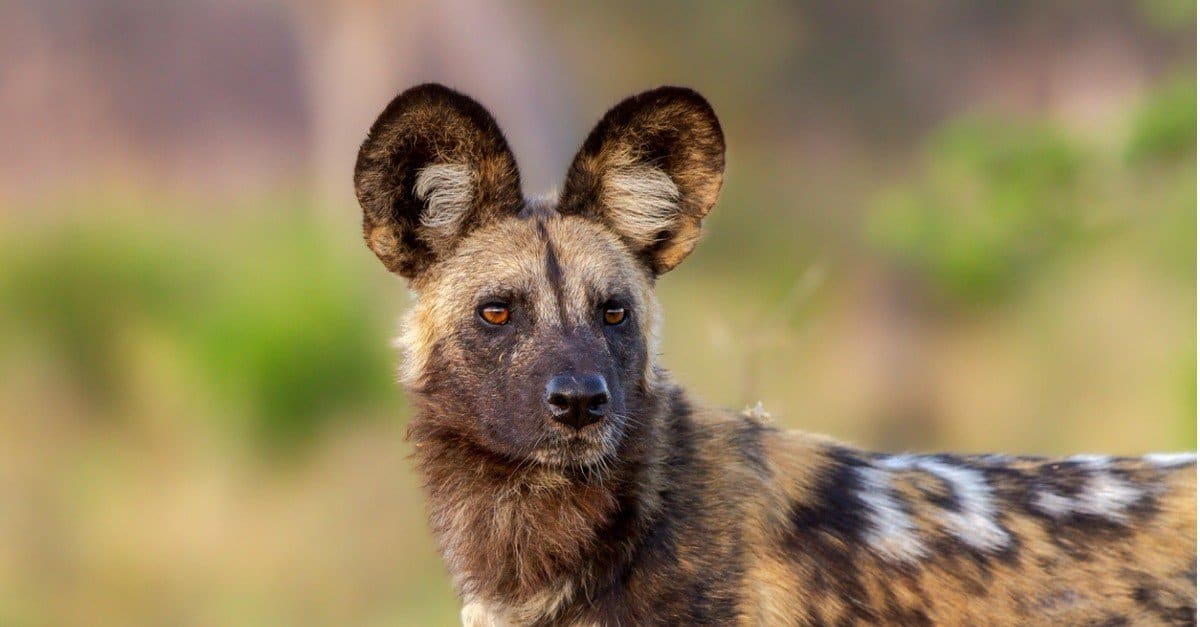
The African Wild Dog (also known as the Painted Dog and the Cape Hunting Dog) is a medium-sized species of canine found across sub-Saharan Africa. The African Wild Dog is most easily identified from both domestic and other wild Dogs by its brightly mottled fur, with its name in scientific name, Lycaon pictus, aptly meaning painted wolf. It is the only member of the genus Lycaon still in existence.

There are five subspecies of Lycaon pictus currently listed, but there is scientific debate about the classifications, so they may change in time :

  • Cape Wild Dog, L. p. pictus
  • East African Wild Dog, L. p. lupinus
  • Somali Wild Dog, L. p. somalicus
  • Chadian Wild Dog, L. p. sharicus
  • West African Wild Dog, L. p. manguensis

The African Wild Dog, or its ancestors, has been around for a very, very long time. The species genetically diverged from other canids over 1.7 million years ago. Fossils show evidence of Lycaon pictus 200,000 years ago in the area of modern-day Israel. The dogs were known and depicted in art in ancient Egypt. They were also mentioned in literature dating back to the second and third centuries.

Through the centuries, they have evolved well to adapt to their needs and environment. These evolutionary change include their coloring, which serves as camouflage and as a temperature regulator, their teeth, and their feet have all evolved. Most canines have five toes on both their front and back feet, but the African Wild Dog lost the first digit on its forefeet to expand its stride and speed and to make it easier to pursue prey across open plains for long distances. 

Anatomy and Appearance
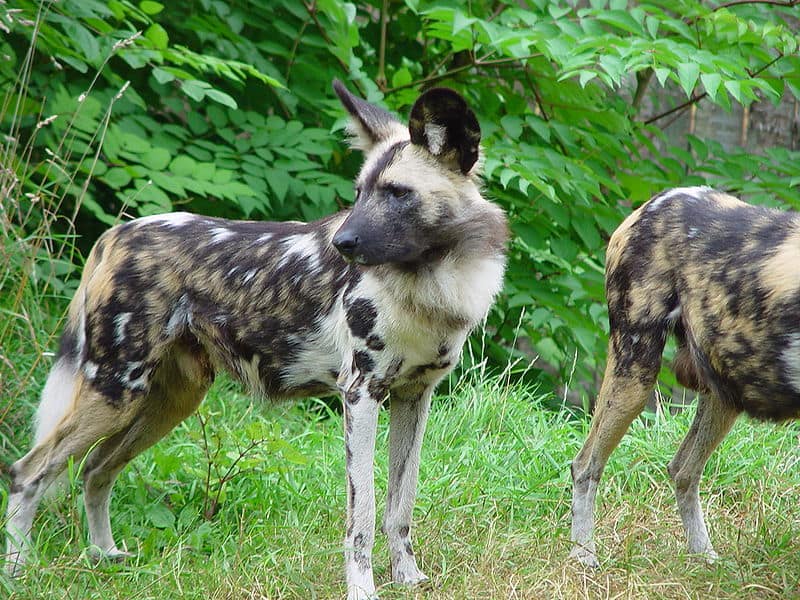
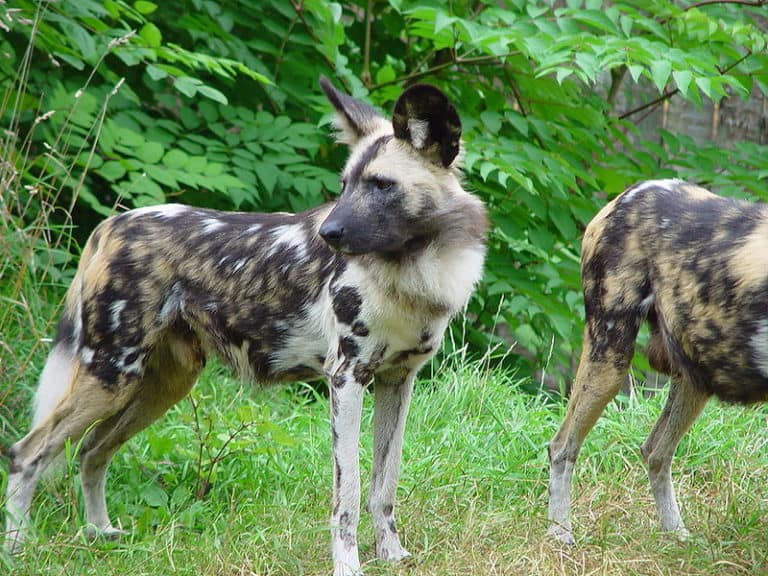
The most distinctive feature of the African Wild Dog is its beautifully mottled fur which makes this canine very easy to identify. The fur of the African Wild Dog is red, black, white, brown and yellow in colour with the random pattern of colours being unique to each individual. It is also thought to act as a type of camouflage, helping the African Wild Dog to blend into its surroundings. The African Wild Dog also has large ears, a long muzzle and long legs, with four toes on each foot. This is one of the biggest differences between the African Wild Dog and other canine species as they have five.

Distribution and Habitat

African Wild Dogs are found naturally roaming the deserts, open-plains and arid savanna of sub-Saharan Africa where the range of the African Wild Dog has decreased rapidly. It is thought that the African Wild Dog was once found in nearly 40 different African countries but that number is much lower today, at between 10 and 25. Now most African Wild Dog populations are primarily restricted to National Parks across southern Africa, with the highest populations found in Botswana and Zimbabwe. African Wild Dogs require large territories to support the pack, with pack sizes having in fact dropped in number with their decreasing home-ranges.

Behavior and Lifestyle
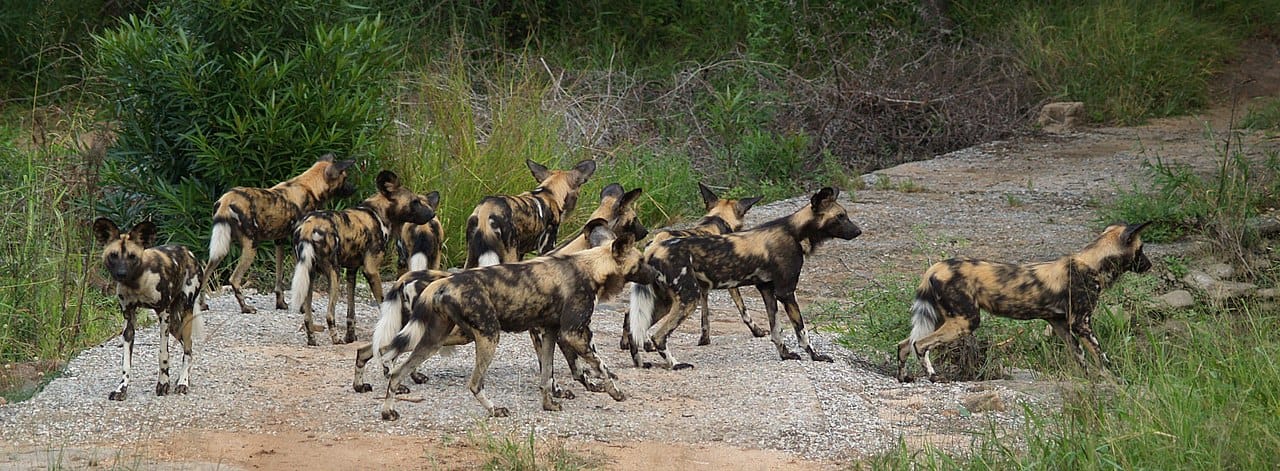
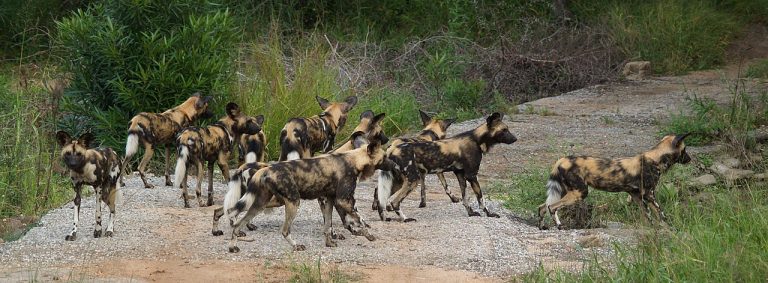
African Wild Dogs are highly intelligent and sociable animals that gather in packs of generally between 10 and 30 individuals. There is a strict ranking system within the pack, led by the dominant breeding pair. They are the world’s most sociable dogs and do everything as a group, from hunting for and sharing food, to helping sick members and assisting in raising young. African Wild Dogs communicate between one another through touch, movement and sound. Pack members are incredibly close, gathering together before a hunt to nose and lick each other, whilst wagging their tails and making high-pitched noises. African Wild Dogs lead a crepuscular lifestyle meaning that they are most active during dawn and dusk.

You can check out incredible facts about African wild dogs.

Reproduction and Life Cycles

In African Wild Dog packs, there is usually only one breeding pair, which are the dominant male and female members. After a gestation period of around 70 days, the female African Wild Dog gives birth to between 2 and 20 pups in a den, which she remains in with her young for the first few weeks, relying on the other pack members to provide her with food. The African Wild Dog cubs leave the den at between 2 and 3 months old and are fed and cared for by the entire pack until they are old enough to become independent and generally leave to join or start another African Wild Dog pack. It is thought that the more looked after the pups are, the higher their chances of survival.

Diet and Prey
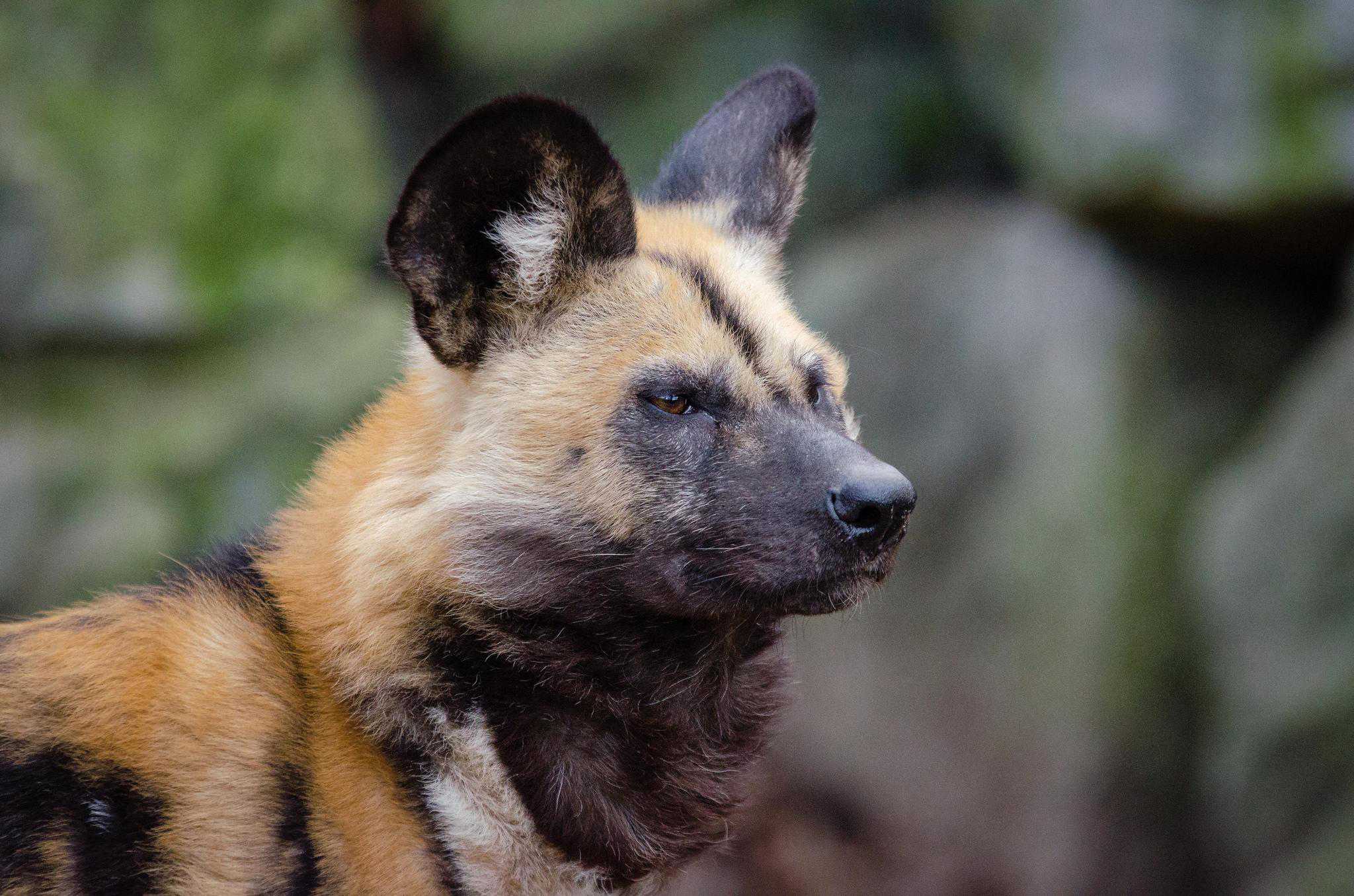
The African Wild Dog is a carnivorous and opportunistic predator, hunting larger animals on the African plains in their big groups. African Wild Dogs primarily prey on large mammals such as Warthogs and numerous species of Antelope, supplementing their diet with Rodents, Lizards, Birds and Insects. They are even known to hunt much larger herbivores that have been made vulnerable through sickness or injury, such as Wildebeest. Although the African Wild Dog’s prey is often much faster, the chase can last for miles, and it is this Dog’s stamina and perseverance that makes them so successful, along with their ability to maintain their speed. Hunting as a pack also means that the African Wild Dogs can easily corner their prey.

Predators and Threats

Due to the relatively large size and dominant nature of the African Wild Dog and their pack, they have few natural predators within their native habitats. Lions and Hyenas have been known on occasion, to prey on African Wild Dog individuals that have been separated from the rest of the group.

One of the biggest threats to the African Wild Dog are farmers who hunt and kill the African Wild Dog in fear that they are preying on their livestock. The slightly savage nature of the African Wild Dog has led to superstitions regarding it, with locals having almost wiped out entire populations in certain areas.

The loss of their historical ranges, generally due to growing human settlements, has pushed the remaining African Wild Dog populations into small pocket of their native regions. Although the majority of the African Wild Dog population is today confined to National Parks, they tend to require much larger territories and come into conflict with humans when they leave these protected areas.

These dogs are also subject to diseases carried by livestock, and that causes further population decline.

Conservation Status

Today, the African Wild Dog is listed as an Endangered species by the IUCN. There are thought to be only about 6600 individuals left roaming sub-Saharan Africa today, with numbers still declining.

View all 326 animals that start with A
How to say African Wild Dog in ...
Bulgarian
Хиеново куче
Catalan
Gos salvatge africà
Czech
Pes hyenovitý
Danish
Hyænehund
German
Afrikanischer Wildhund
English
African Wild Dog
Spanish
Lycaon pictus
Finnish
Hyeenakoira
French
Lycaon (mammifère)
Galician
Lycaon pictus
Hebrew
זאב טלוא
Croatian
Afrički divlji pas
Hungarian
Afrikai vadkutya
Italian
Lycaon pictus
Japanese
リカオン
Dutch
Afrikaanse wilde hond
English
Afrikansk villhund
Polish
Likaon (pies)
Portuguese
Mabeco
Swedish
Afrikansk vildhund
Turkish
Afrika yaban köpeği
Chinese
非洲野犬

Sources

  1. David Burnie, Dorling Kindersley (2011) Animal, The Definitive Visual Guide To The World's Wildlife / Accessed July 5, 2010
  2. Tom Jackson, Lorenz Books (2007) The World Encyclopedia Of Animals / Accessed July 5, 2010
  3. David Burnie, Kingfisher (2011) The Kingfisher Animal Encyclopedia / Accessed July 5, 2010
  4. Richard Mackay, University of California Press (2009) The Atlas Of Endangered Species / Accessed July 5, 2010
  5. David Burnie, Dorling Kindersley (2008) Illustrated Encyclopedia Of Animals / Accessed July 5, 2010
  6. Dorling Kindersley (2006) Dorling Kindersley Encyclopedia Of Animals / Accessed July 5, 2010
  7. David W. Macdonald, Oxford University Press (2010) The Encyclopedia Of Mammals / Accessed July 5, 2010
  8. African Wild Dog Behaviour / Accessed July 5, 2010
  9. African Wild Dog Habitats / Accessed July 5, 2010
  10. About African Wild Dogs / Accessed July 5, 2010
  11. African Wild Dog Packs / Accessed July 5, 2010

Thank you for reading! Have some feedback for us?


African Wild Dog FAQs (Frequently Asked Questions)

African Wild Dogs are Carnivores, meaning they eat other animals.