


Quick Take
- Baboon troops have a hidden social currency that instantly reveals each member's rank, and it is something they do every single day. See grooming and rank →
- A male baboon desperate to join a new troop cannot simply fight his way in. The actual strategy he must use is far more subtle. How outsiders join troops →
- Despite being grouped together, one Baboon species lives so differently from the other four that scientists debate whether it belongs in the same category at all. Explore the five species →
- Baboons are more than just foragers. They actually hunt a specific prey animal that most people would never expect them to target. Discover their surprising prey →
The Baboon is a medium- to large-sized species of Old World Monkey that is found in a variety of habitats throughout Africa and in parts of Arabia.
There are six different species of baboon, which are the Olive Baboon, the Guinea Baboon, the Chacma Baboon, the Yellow Baboon, the Kinda Baboon, and the Hamadryas Baboon, which differs most from the others with its bright red face and cliff-dwelling lifestyle (the other four species are collectively known as Savanna Baboons).
However, there is some debate over the classification of the different species because some have been known to interbreed, indicating that they could be subspecies instead. Baboons are highly sociable and intelligent animals known to form close bonds with other members of the troop that often last for life.
They are also highly adaptable animals, but their populations are declining throughout their natural range primarily due to hunting and habitat loss.

Anatomy and Appearance
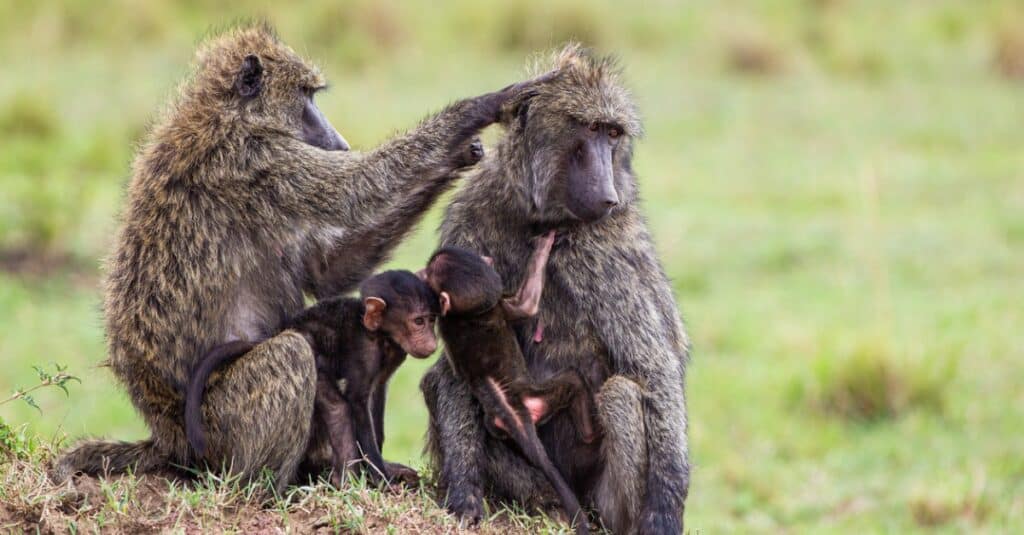
Baboons are large and powerfully built monkeys that spend most of their time on the ground.
©iStock.com/Wayne Marinovich
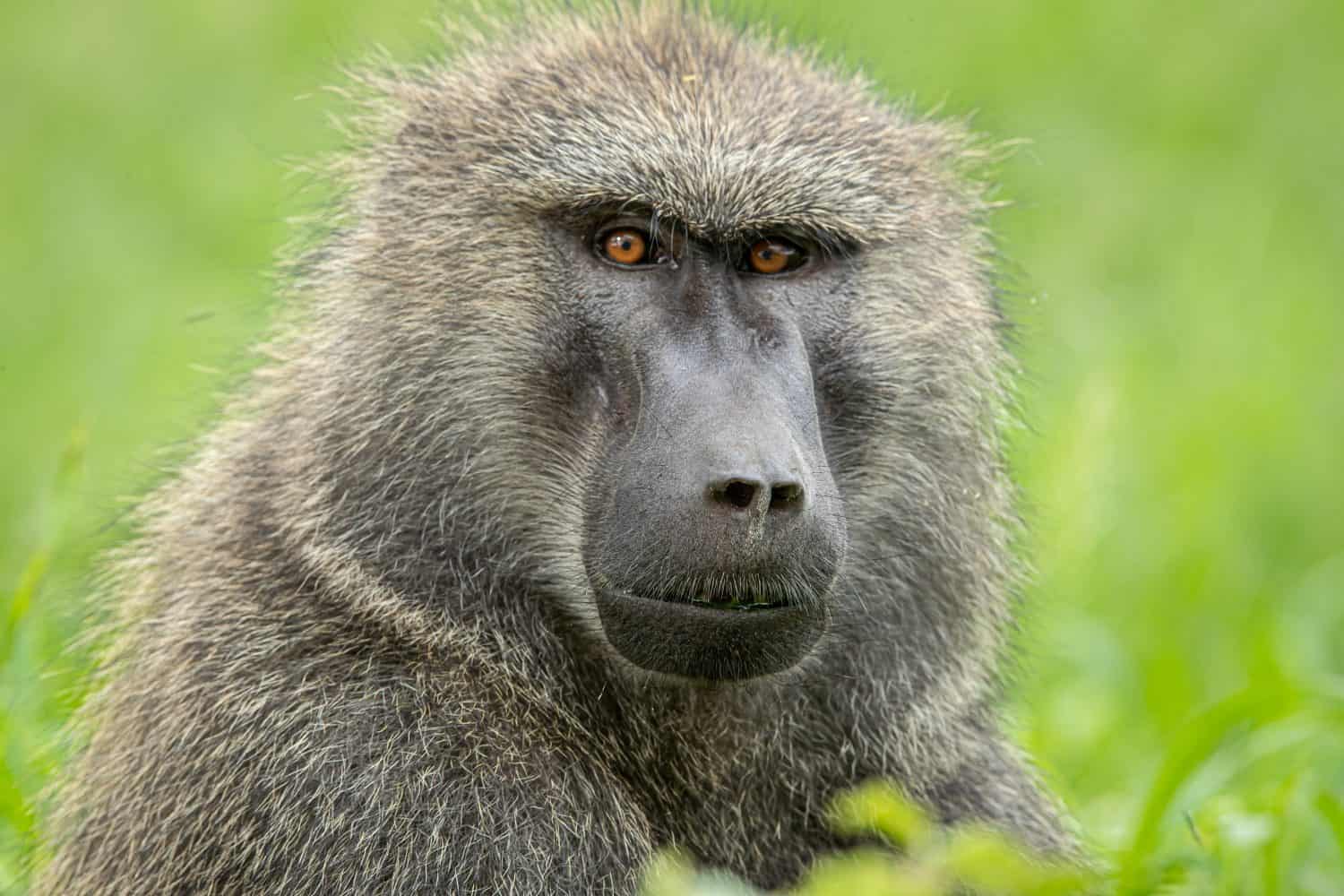
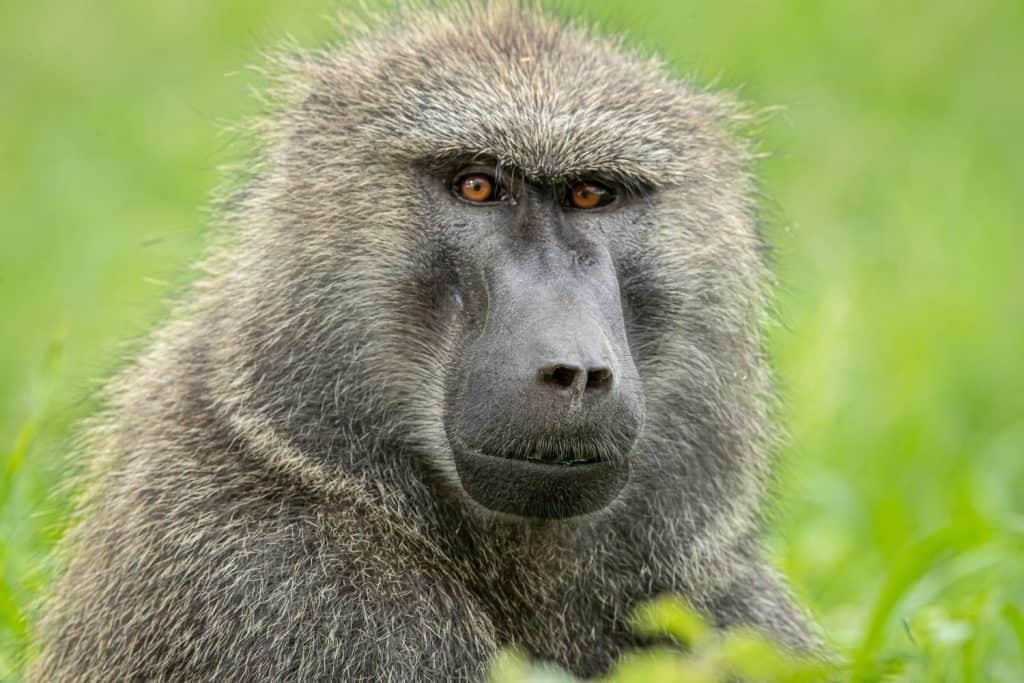
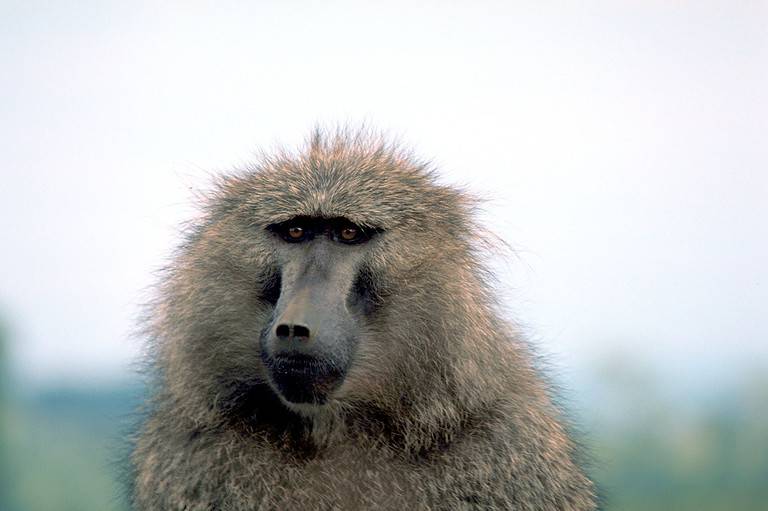
Baboons are large and powerfully built monkeys that spend most of their time on the ground. They have large heads with long, dog-like muzzles and cheek pouches for storing food, with a heavy brow ridge protecting their eyes.
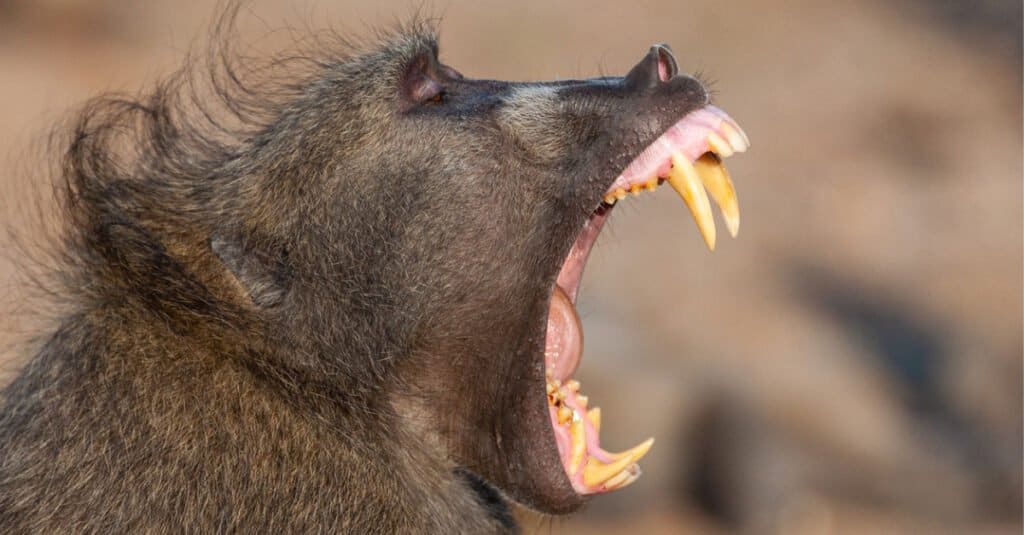
Males are often twice the size of females and have fearsomely sharp canines that help them to defend the troop from danger. Their exact size depends on the species, with the Chacma Baboon being the largest while the Kinda Baboon is the smallest species.
Baboons have shaggy fur with a long mane that extends over the shoulders and hairless patches on their faces and rumps, which are padded with hard skin. Their color varies from olive-green to yellow, silver, and brown depending on the species. They also have a distinctive bend towards the base of their long tails.
Distribution and Habitat
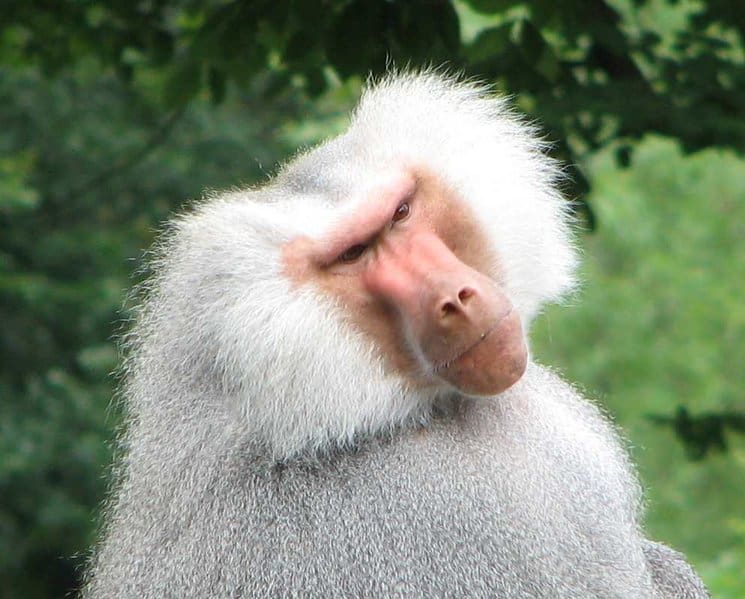
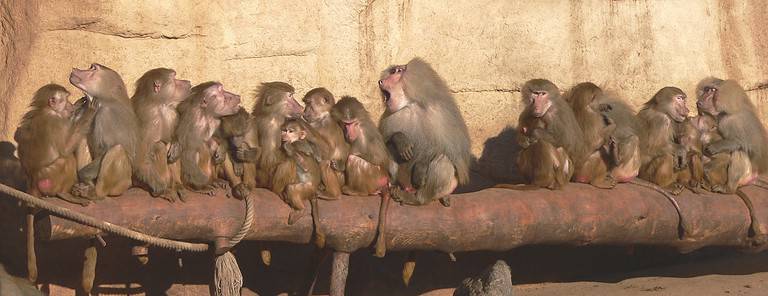
The Hamadryas Baboon is found in the rocky deserts in the hills that line the coast of the Red Sea, both in northeast Africa and in parts of the western Arabian Peninsula.
©iStock.com/RudiHulshof
Baboons were once found throughout the African continent, and today, although they are still widespread, their natural range continues to decrease. Baboons are found in a variety of habitats including savanna, scrub, rocky deserts, and rainforests, provided there is an ample supply of water.
The Hamadryas Baboon is found in the rocky deserts in the hills that line the coast of the Red Sea, both in northeast Africa and in parts of the western Arabian Peninsula. The Olive Baboon is the most widespread species with a range that extends from west to east across a wide range of habitats, whereas the Guinea Baboon is confined to a small region in the west.
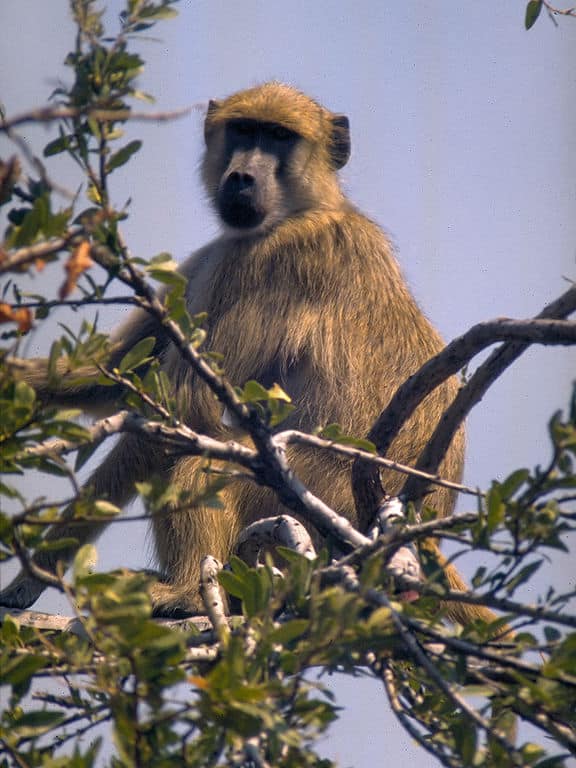
The Yellow Baboon is found in the east, and the largest species, the Chacma Baboon, is also found the furthest south, with a range that covers the southern tip of Africa.
Behaviour and Lifestyle
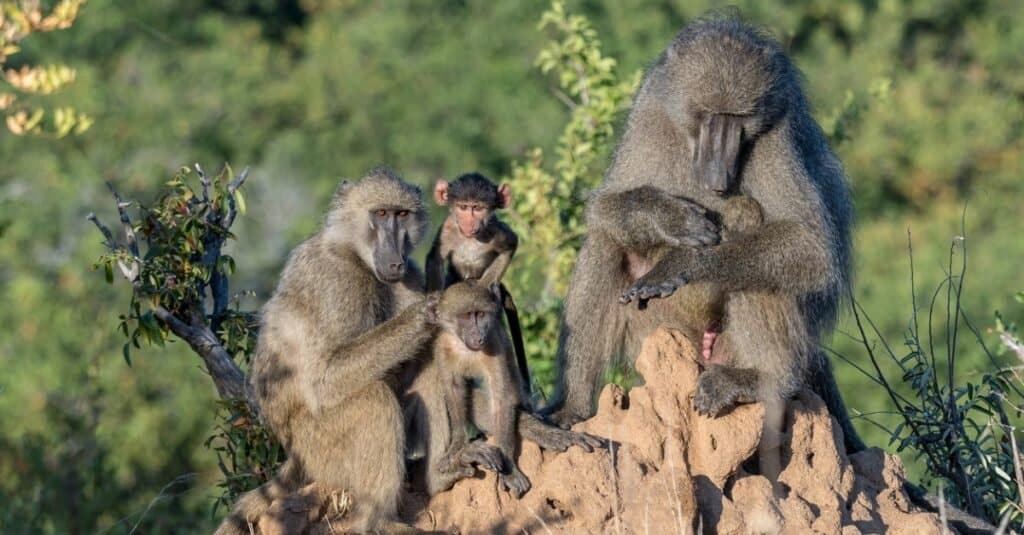
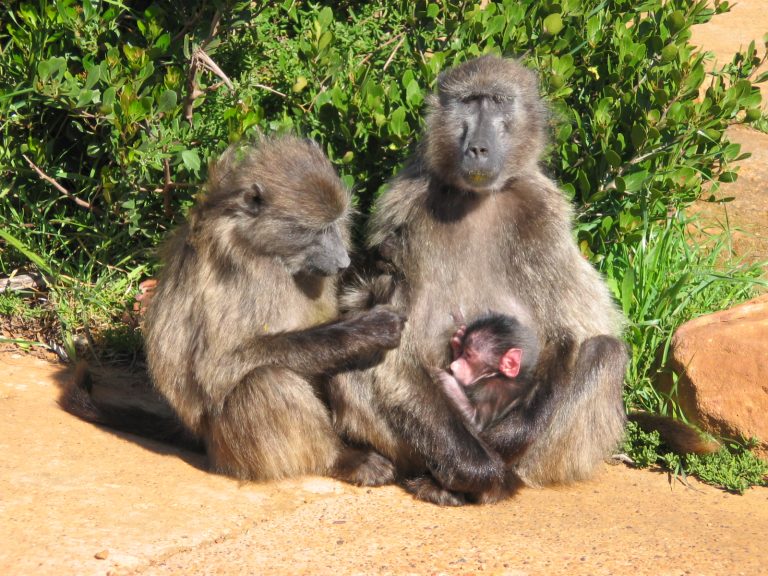
A Chacma baboon family group on an anthill in the Sabi Sabi Nature Reserve, South Africa. Chacma baboons are primates and one of the species of mammals.
©Grobler du Preez/Shutterstock.com
Baboons are incredibly sociable animals that live in large troops that can be very varied in size and can contain up to 200 members.
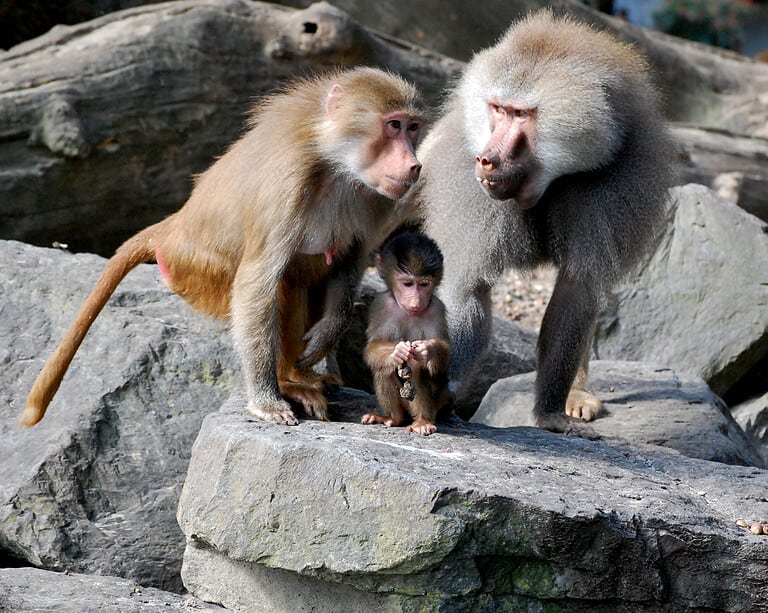
Baboon troops consist of both males and females with their young and form very close bonds by feeding, sleeping, and grooming together. During the day, they break into smaller bands of 4 or 5 females and young, each led by a dominant male who attempts to keep other males away.
The Hamadryas Baboon, however, lives in much smaller groups of up to 10 females and a single alpha male. Baboons live together for protection and are constantly on the lookout for dangerous predators, particularly when they are out in the open.
If a threat is spotted, they make loud barks, and while the males run to attack, the females and young disappear up into the safety of the trees. Baboons communicate with one another in a variety of ways, including vocal calls, facial expressions, and even signals with their tails.
Reproduction and Life Cycles
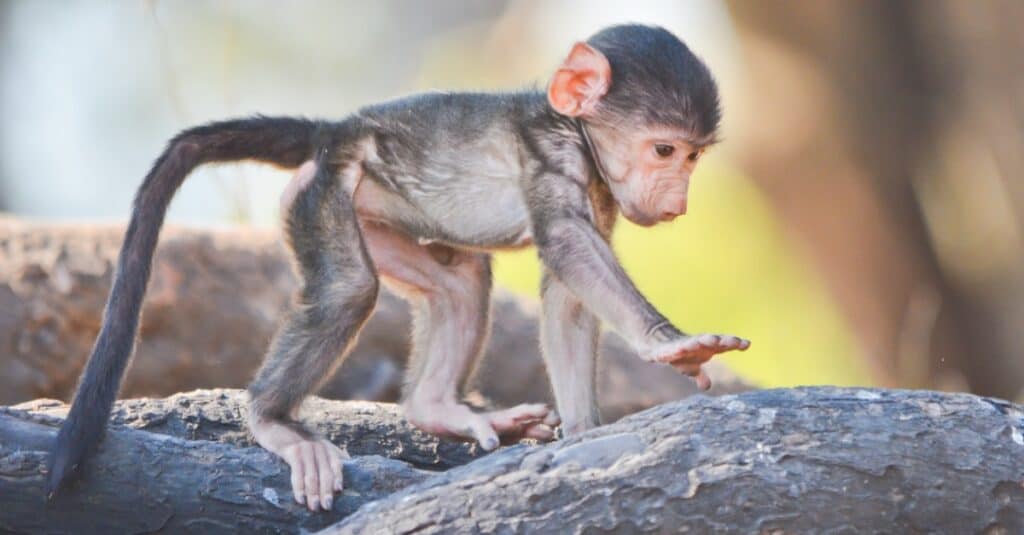
Baboons breed all year round, and while they don’t have a strict breeding season, there are peaks in mating and births at certain times of the year.
©iStock.com/marcelauret
Baboons breed all year round, and while they don’t have a strict breeding season, there are peaks in mating and births at certain times of the year (depending on the location). When a female is ready to mate, the dominant male of their sub-group will defend his right to mate with her fiercely, but despite his efforts, female Baboons mate with numerous males in the group during their lives.
After a gestation period that lasts for around 6 months, the female Baboon gives birth to a single infant that grabs onto her fur instantly and clings to her. When they are born, young Baboons are different colors from their parents and are tolerated by the troop until they molt and grow their adult fur after about two months.
Young females remain with their mothers, and the two will often form very close bonds throughout their lives, whereas males are chased out of the troop and are forced to try and prove themselves to another group.
Diet and Prey
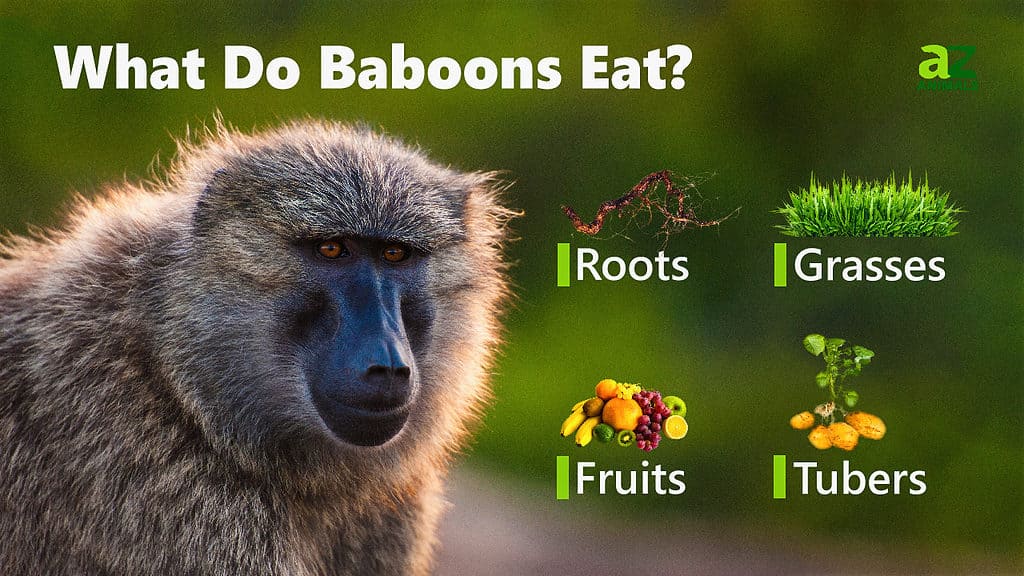
The Baboon is an omnivorous animal that is known to eat a wide variety of both plant matter and small animals. Fruits, seeds, tough roots, and flowers all make up the bulk of their diet, along with insects, eggs, lizards, and rodents. However, their large size and power also mean that they sometimes hunt and kill larger prey such as young Gazelles.
In areas where human settlements are encroaching on their natural habitats, Baboons are also known to raid crop fields, which has led to them often being seen as pests.
Baboons have very similar teeth to people, with a series of large, flat molars which are perfect for grinding down vegetation, and surplus food can be stored in their flexible cheek pouches to be saved for later.
Predators and Threats
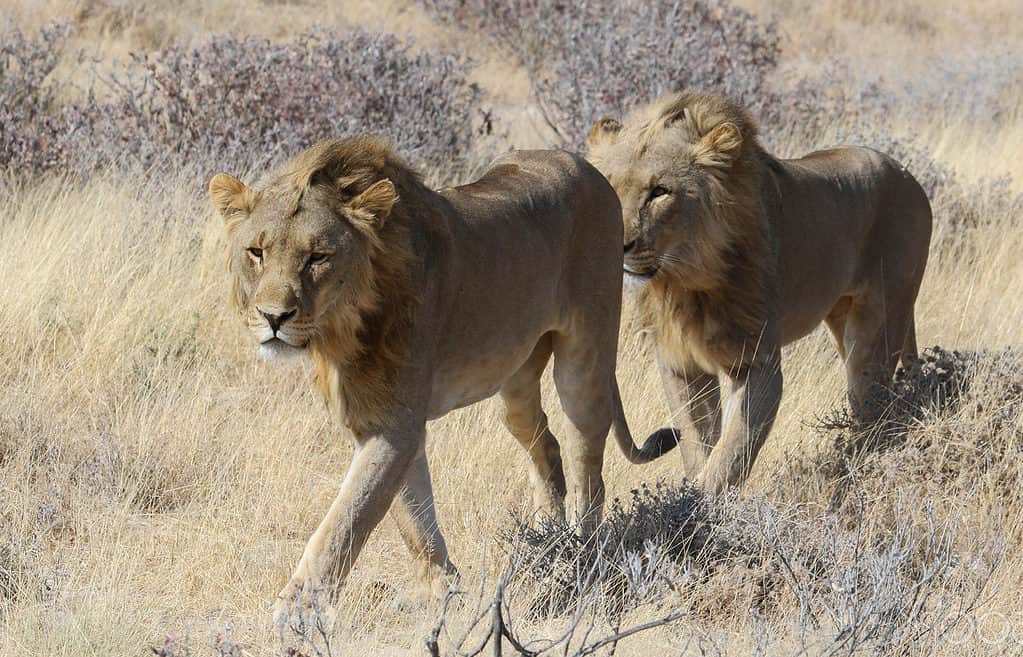
Wildcats such as Lions, Leopards, and Cheetahs are the most common predators of the Baboon.
©Wirestock Creators/Shutterstock.com
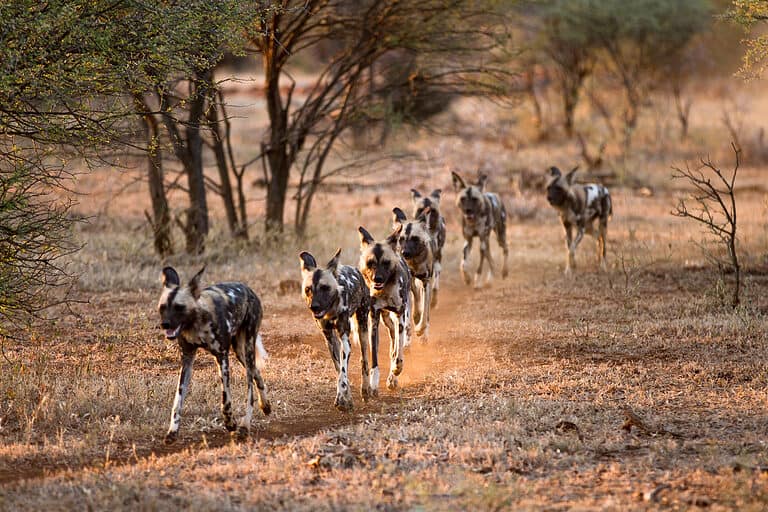
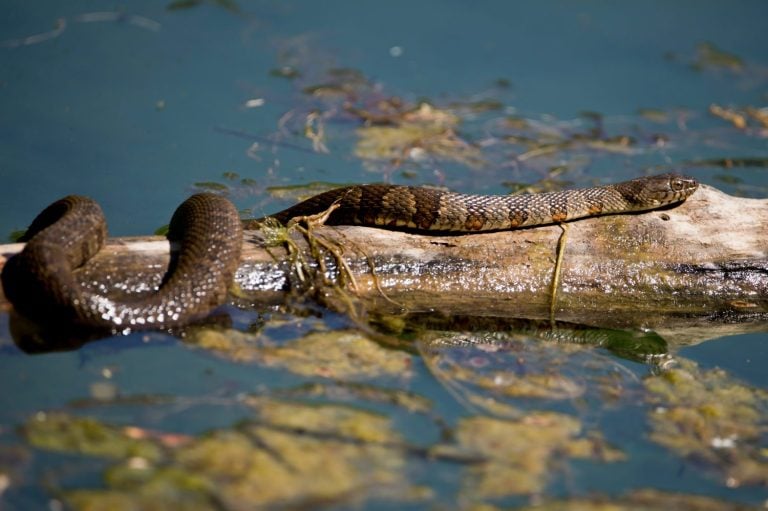
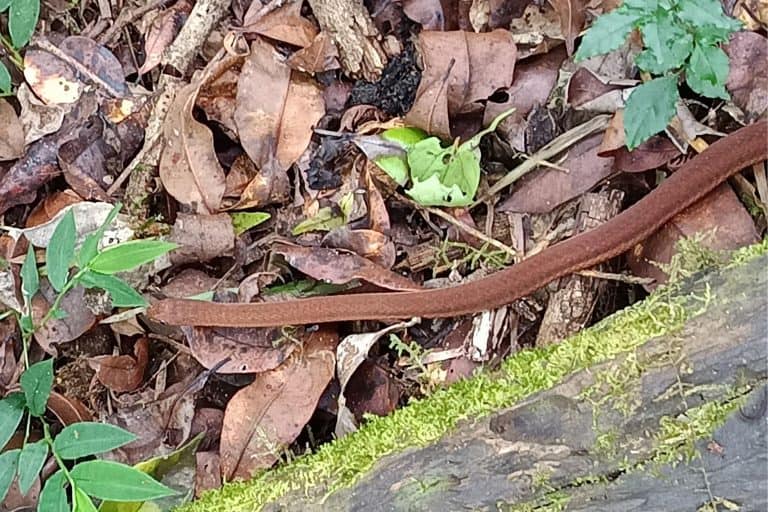
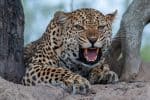
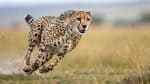
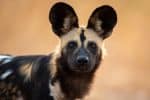
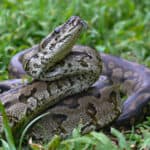
Because of their size and the fact that Baboons spend most of their lives on the ground, they fall prey to numerous predators throughout their natural range. Wildcats such as Lions, Leopards, and Cheetahs are the most common predators of the baboon, along with large Pythons, African Wild Dogs, and Birds of Prey that hunt the smaller and more vulnerable young.
People, however, pose the biggest threat to Baboons: they are often hunted for bushmeat and shot by farmers who fear for their crops.
Their numbers, though, are being most affected by the loss of their once vast natural habitats, which are being subjected to deforestation for agriculture or land clearance for grazing and growing human settlements.
Interesting Facts and Features
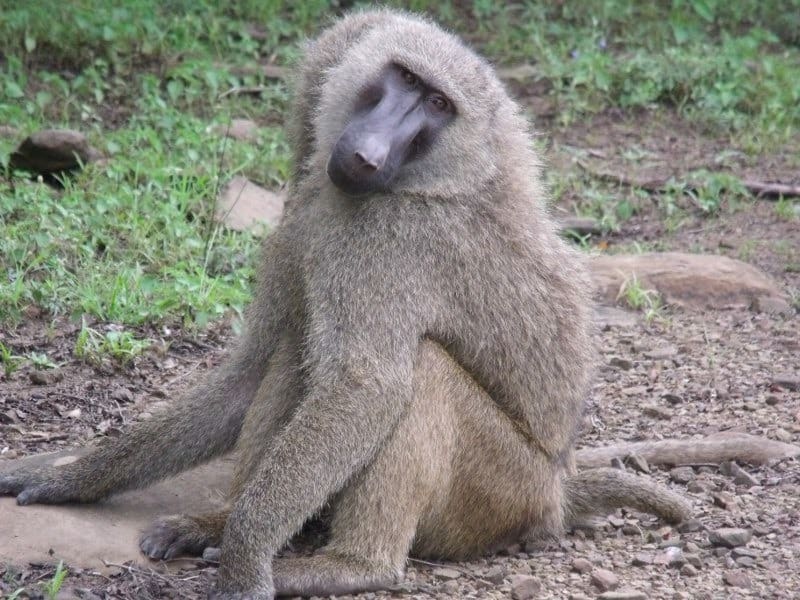
Baboons retire into the safety of the trees to sleep at night; they spend nearly all of the rest of their lives on the ground.
©Florence Bond – Copyright A-Z Animals
Although Baboons retire into the safety of the trees to sleep at night, they spend nearly all of the rest of their lives on the ground and roam throughout their home ranges in search of food and water. They are known to walk many miles a day and only stop in the shade to get out of the midday sun and are capable of traveling more than four miles between dawn and dusk.
Like many other primates, Baboons take part in social grooming by picking parasites, dead skin, and dirt from each other’s fur. This not only strengthens social bonds within the troop but also highlights the status of the individual, with the Baboon who is being groomed having a higher status in the troop than the one who is grooming them.
For male outsiders to be accepted into the troop, they must form a relationship with one of the females until they are then accepted by the others. This process can take months, but the pair typically remain close friends for life.
Relationship with Humans
Baboons have adapted remarkably well to the growing human populations throughout their natural range, but the fact that they often raid crops has led to them being persecuted by farmers. They are also hunted and eaten as bushmeat in many areas of their native regions, but it is their dwindling habitats that are causing the biggest problem for them.
Vast areas of forest are cleared every day to make room for agriculture or to log the tropical timbers, leaving Baboons with fewer areas where they can sleep safely in the trees. The grasslands are also dwindling in size as land is turned over to livestock for grazing or used for the expansion of growing settlements.
Conservation Status and Life Today
Today, four species of Baboon are listed by the IUCN as Least Concern, meaning they face no immediate risk of extinction in the wild.
The Guinea Baboon is listed as a Near Threatened species. However, despite still being relatively widespread, population numbers are declining in all species due to hunting and habitat loss, with populations in certain areas rapidly becoming increasingly isolated from one another.
They are found throughout many of Africa’s national parks and reserves, where they play a vital role in the upkeep of the ecosystem.
Baboon Pictures
View all of our Baboon pictures in the gallery.

How to say Baboon in ...
Sources
- David Burnie, Dorling Kindersley Animal, The Definitive Visual Guide To The World's Wildlife / Accessed November 10, 2008
- Tom Jackson, Lorenz Books The World Encyclopedia Of Animals / Accessed November 10, 2008
- David Burnie, Kingfisher The Kingfisher Animal Encyclopedia / Accessed November 10, 2008
- Richard Mackay, University of California Press The Atlas Of Endangered Species / Accessed November 10, 2008
- David Burnie, Dorling Kindersley Illustrated Encyclopedia Of Animals / Accessed November 10, 2008
- Dorling Kindersley Dorling Kindersley Encyclopedia Of Animals / Accessed November 10, 2008
- David W. Macdonald, Oxford University Press The Encyclopedia Of Mammals / Accessed November 10, 2008
- IUCN Red List / Accessed November 10, 2008
- IUCN Red List / Accessed November 10, 2008
- IUCN Red List / Accessed November 10, 2008
- IUCN Red List / Accessed November 10, 2008
- IUCN Red List / Accessed November 10, 2008