B
Species Profile

Basset Hound

Canis lupus familiaris

Low rider. High-powered nose.
praneem79/Shutterstock.com

Basset Hound Distribution

Click a location to explore more animals from that region

Origin Location

This map shows the native origin of the Basset Hound. As a domesticated species, they are now found worldwide.

Loading map...

Found in 1 country

Size Comparison

Human 5'8"
Basset Hound 1 ft 2 in

Basset Hound stands at 21% of average human height.

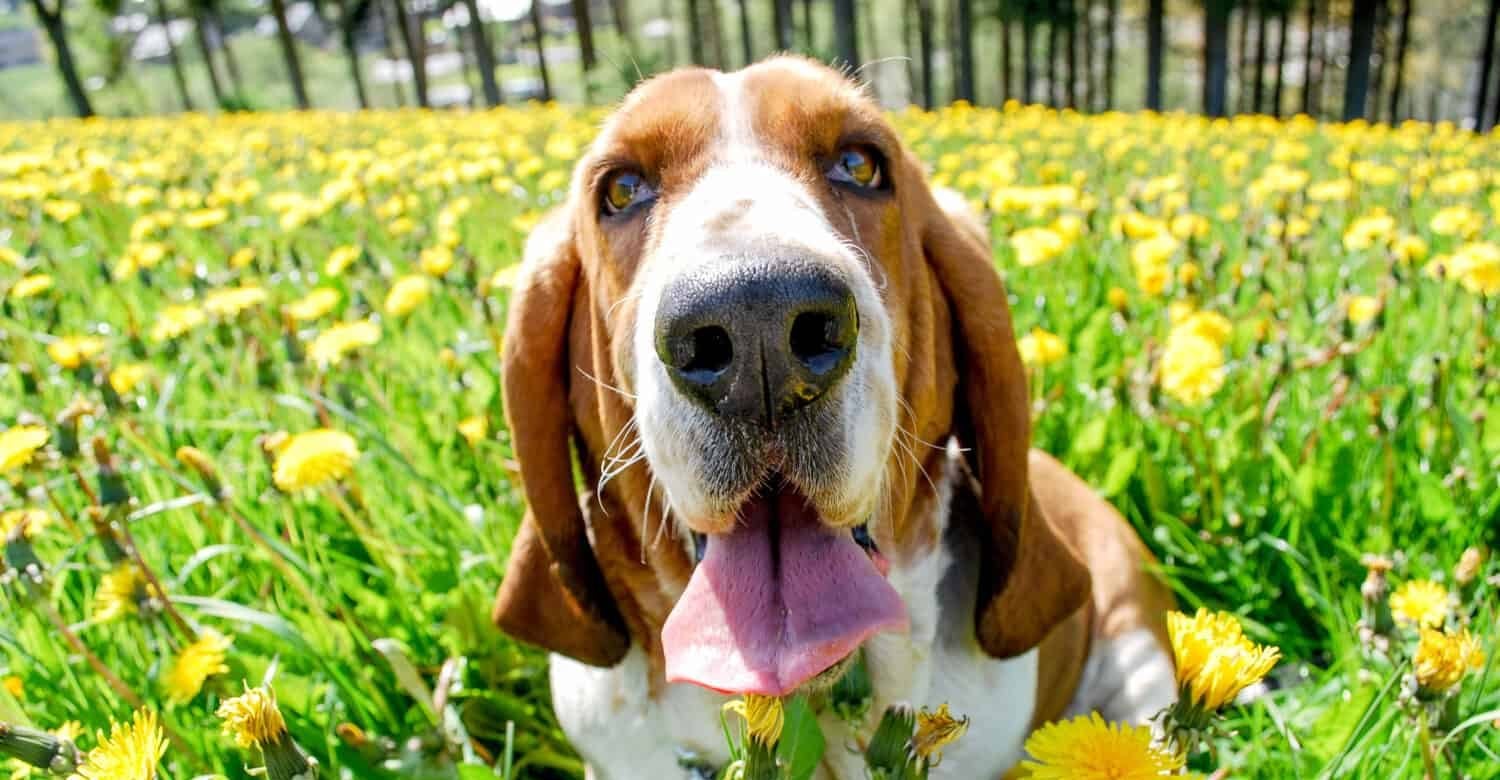
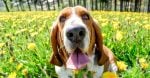
Beautyful adorable young basset hound smiling with happy sitting in a field of dandelion with blurry background full around of yellow flowers and green leave and tree ,spring season in europe,.

At a Glance

Domesticated
Also Known As Basset
Diet Omnivore
Activity Diurnal+
Lifespan 5 years
Weight 30 lbs
Status Not Evaluated
Did You Know?

Basset Hounds have one of the strongest noses among dog breeds-often cited just behind the Bloodhound in scenting prowess.

Scientific Classification

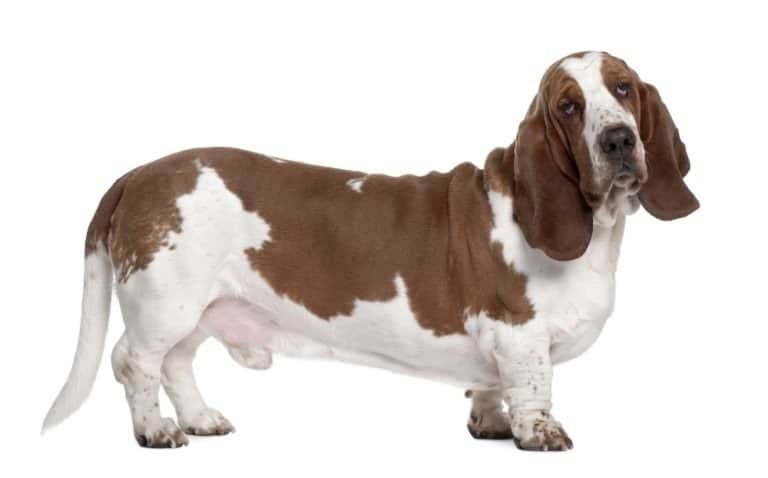
The Basset Hound is a short-legged, heavy-boned scent hound breed developed for tracking small game by scent. It is known for long drooping ears, loose skin, and an exceptionally strong sense of smell.

Kingdom
Animalia
Phylum
Chordata
Class
Mammalia
Order
Carnivora
Family
Canidae
Genus
Canis
Species
Canis lupus

Distinguishing Features

  • Very short legs (dwarfism/achondroplasia-type proportions) with a long, low-slung body
  • Long pendulous ears that help waft scent toward the nose
  • Loose skin and facial wrinkles, often with droopy eyes
  • Large, sturdy paws and heavy bone for its height
  • Strong scent-tracking behavior; tends to follow trails persistently
  • Typical coat: short and smooth; common colors include tri-color, lemon/white, red/white

Did You Know?

Basset Hounds have one of the strongest noses among dog breeds-often cited just behind the Bloodhound in scenting prowess.

Their long, low body and heavy bone were selected so they could track rabbits and hares at a pace a hunter could follow on foot.

Those long ears can help waft ground scents up toward the nose as they sweep near the trail.

Loose facial skin and pronounced wrinkles help "hold" scent particles close to the nose while tracking.

The name "Basset" comes from a French word meaning "low," reflecting the breed's hallmark stature.

Because they're built for endurance rather than speed, Bassets can trail for long periods with a steady, methodical gait.

A Basset's baying voice is part of classic scenthound communication-useful for hunters to locate the dog in dense cover.

Unique Adaptations

  • Short, heavy-boned limbs and a long body: optimized for steady tracking close to the ground rather than sprinting.
  • Long, pendulous ears: increase surface area near the ground and can help funnel and stir scent toward the nose during trailing.
  • Loose skin and wrinkles (especially around the head/neck): can help trap scent particles and protect skin when pushing through brush.
  • Large nasal cavity and high olfactory receptor density typical of scenthounds: supports detailed odor discrimination over long distances.
  • Deep chest and sturdy frame: supports endurance work and a resonant voice for "giving tongue" on trail.

Interesting Behaviors

  • Line-locking on a scent: once a trail is found, many Bassets become intensely focused and may ignore distractions.
  • Ground-scent "vacuuming": nose down, slow zig-zagging as they sample scent cones and confirm direction.
  • Vocal trailing: baying/howling increases when excited or when they believe the trail is "hot."
  • Stubborn-seeming independence: scenthounds were bred to work at a distance, so they may weigh commands against what their nose says.
  • Food-driven problem solving: they often excel at scent games and will persistently search for hidden treats.
  • Pack-oriented social behavior: many enjoy canine company and may follow other dogs' cues during exploration.

Cultural Significance

Basset Hound (Canis lupus familiaris) was bred in France and refined in Britain as a small-game scent hound for foot hunters. Its long ears, low body, and nose-first image make it a comic mascot that shows persistence, a relaxed way, and stubbornness; it is a popular family dog worldwide.

Myths & Legends

French origin lore links the Basset to monastic hunting traditions-stories often credit abbeys with selectively breeding low-to-the-ground hounds suited to quiet, methodical tracking in thick cover.

A long-repeated historical anecdote says the Marquis de Lafayette presented French hounds (often identified as Grand Bleu de Gascogne) to George Washington, contributing to early American interest in French scenthounds.

Traditional hunting tales in Europe describe bassets as "true-voiced" hounds whose baying guided hunters through forests-an almost folkloric image of the unseen dog leading by sound and scent.

A common naming-and-identity story in breed circles emphasizes the French "bas" ("low") as a proud badge of purpose: a hound made to work close to the earth, reading the hidden 'stories' of scent trails.

Conservation Status

NE Not Evaluated

Has not yet been evaluated against the criteria.

Population Stable

Life Cycle

Birth 7 pups
Lifespan 5 years

Lifespan

In the Wild
2–10 years
In Captivity
8–14 years

Reproduction

Mating System Polygynandry
Social Structure Managed Domestic
Breeding Pattern Transient
Fertilization Internal Fertilization
Birth Type Internal_fertilization

Basset Hound (Canis lupus familiaris): polygynandry; managed_domestic — humans control pairings. Reproduction via internal fertilization (canine “tie”). Gestation ~63 days; litter ~6–8. No long-term pair bond; maternal care with human help. Screen for hips, back discs, eyes, ears, obesity.

Behavior & Ecology

Social Pack Group: 4
Activity Diurnal, Crepuscular, Cathemeral
Diet Omnivore Meat-forward foods (especially poultry like chicken or turkey; many also strongly prefer high-aroma meats/organ-meat based treats)

Temperament

Affectionate, people-oriented, typically gentle with family
Sociable with other dogs; generally low aggression but may be possessive of food/chews if not trained
Scent-driven and persistent; can appear stubborn/independent when tracking
Moderate energy with endurance for steady sniff-walks; often sedentary indoors
High food motivation (useful for training, but increases obesity risk)
Breed-specific care: needs structured leash walks and nose-work to meet scenting needs; reliable recall is challenging off-leash due to scent fixation
Prone to obesity; risk of intervertebral disc disease (IVDD) and back strain—avoid many stairs or jumping. Long ears cause ear infections and pain. Watch for hip/elbow dysplasia and bloat; feed calmly.

Communication

Deep baying/howling Breed-typical scent hound vocal
Barking Often alert or frustration-based when confined
Whining/whimpering Attention seeking, discomfort, or separation-related
Growls Boundary-setting, resource guarding, or pain
Scent communication: intense ground-sniffing, tracking, urine marking; uses scent trails as primary information channel
Body language: slow tail wag, leaning/soliciting contact, ear and facial tension Loose skin can mask subtle cues-watch posture/weight shift
Contact-seeking: following household members room-to-room, pawing or nudging for attention/food
Vocal + movement during tracking: head-down 'nose-to-ground' posture, forward pull on leash, reduced responsiveness to visual/social cues
Chewing/foraging behaviors: scavenging and counter-surfing tendencies; manage with enrichment and food security

Habitat

Biomes:
Temperate Forest Temperate Grassland Mediterranean Boreal Forest (Taiga) Tundra Alpine Desert Hot Desert Cold Savanna Tropical Dry Forest Tropical Rainforest Freshwater Wetland Marine +8
Terrain:
Plains Hilly Valley Coastal Island Plateau Mountainous Riverine +2
Elevation: Up to 14763 ft 9 in

Ecological Role

Domestic companion and scent-tracking hunting breed (small-game trailing hound) within human-managed ecosystems

Assists humans in tracking/trailing game by scent Detection/trailing work (hunting, training, occasional search activities) Human companionship and associated social/therapeutic benefits Acts as a controlled mesopredator/scavenger that can influence local rodent populations when unmanaged (hence the need for supervision)

Diet Details

Main Prey:
Other Foods:
Cooked grains and starches Root vegetables Leafy greens Fruits Pumpkin/squash

Human Interaction

Domestication Status

Domesticated

Basset Hound (Canis lupus familiaris) descends from gray wolves under long human domestication. Bred in France/Belgium and refined in UK/US as a low, slow scent hound to track rabbit and hare. It has short legs, long ears, loose skin and strong nose. Friendly, stubborn on a trail; needs leash, ear care, and weight control.

Danger Level

Low
  • Bites/scratches are possible if startled, in pain (e.g., back/ear pain), or poorly socialized, but severe aggression is not typical of the breed
  • Knockdowns/tripping hazard due to underfoot movement and leash pulling when scenting
  • Hearing damage/nuisance conflicts from loud baying in close living quarters
  • Zoonotic risks are low but include standard dog-associated parasites/pathogens if preventive care is lacking (e.g., fleas/ticks, intestinal parasites)

As a Pet

Suitable as Pet

Legality: Generally legal to own as a companion animal in most jurisdictions; may be subject to standard dog licensing/leash laws, local nuisance-noise ordinances (howling/baying), and breeding/ownership regulations. Not typically affected by breed-specific bans.

Care Level: Moderate

Purchase Cost: $50 - $2,000
Lifetime Cost: $18,000 - $40,000

Economic Value

Uses:
Companion animal industry Hunting and sporting (scent tracking) Breeding (registered purebred market) Veterinary and pet services
Products:
  • Companion/pet ownership services (food, grooming, boarding, training)
  • Hunting/tracking participation (field trials, scentwork events)
  • Breeding stock and pedigree puppies
  • Veterinary care related to ears/skin/orthopedic issues

Relationships

Quick Take

  • Achieving an ear length of 11.49 inches is the current world record achievement for this breed.
  • The presence of von Willebrand’s disease creates critical risks for clotting and bleeding.
  • A wet nose is paradoxically the primary requirement for peak scent tracking efficiency.
  • The 6th-century monk breeding program was essential to sustain revenue for the Abbey.

Basset hounds have a stubborn streak that manifests as a charming personality trait. Although they are obedient, you should expect your basset hound to express themselves by sighing or even attempting to participate in your family’s conversations.

With sweet personalities and charming faces, basset hounds are a beloved part of modern culture. Bassets originated in France; although their ancestors date back centuries in France, the modern Basset Hound breed was developed in Great Britain in the 19th century. Today, Basset Hounds are found worldwide, including in Europe and the United States.

These gentle dogs make a great addition to the family, but they suffer from serious separation anxiety and don’t do well when left home alone. These hounds are a good choice for large families who can afford to take care of these lovable but high-maintenance pets.

A comprehensive infographic about Basset Hounds featuring illustrations of the breed, size comparison silhouettes, and icons for health and care tips.
Beyond the world-record ears lies a 1,500-year legacy of saving French abbeys. Meet the stubborn scent-tracker that has captured hearts for centuries. © A-Z Animals

3 Pros and Cons of Owning a Basset Hound

ProsCons
Sweet and loving. Bassets are incredibly attached to their owners; yours will probably never want to leave your side.Separation anxiety. Bassets get lonely, and when they get lonely, they are known to howl. Try not to leave your basset hound alone at home if you can help it.
Great with kids. These hounds are gentle enough to hang out with every member of the family, including kids and other pets.Health issues. Basset hounds are susceptible to back and joint problems that get worse as they get older. Take your basset to the vet for regular checkups.
Engaging personality. Your basset will love to participate in family activities, especially if they are allowed to go at a slow and steady pace.Food fixation. Bassets love to eat, but they have a hard time exercising. You will need to watch their diet to help your basset maintain a healthy weight.

Evolution

Bassets are believed to have originated in the 6th century through the breeding program of the monks of the Benedictine Abbey of St. Hubert. The monks maintained a dog breeding venture that brought revenue to the Abbey by selling the dogs to European nobles and huntsmen. St. Hubert’s Hounds were descended from the Laconian hound, a group of dogs discerned from Greek descriptions. Laconian hounds were renowned for never giving up their scent until they found their prey.

The dogs eventually known as Basset became popular in France after the revolution among regular people who didn’t hunt on horseback like the royals and country squires of the era. The dog’s short stature, with its nose literally to the ground, made it a perfect hunting dog and pet.
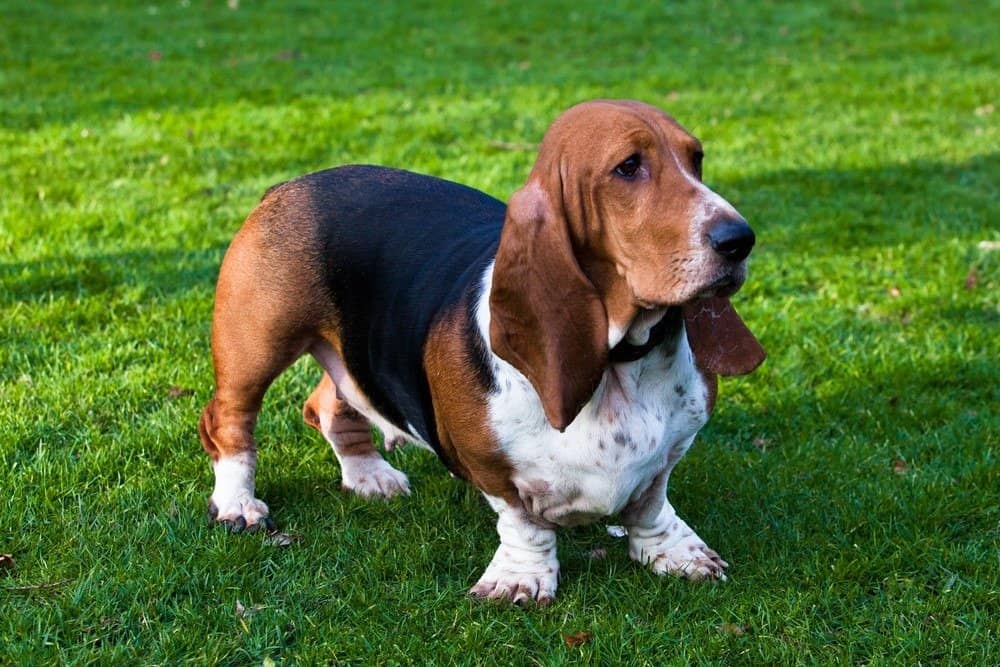
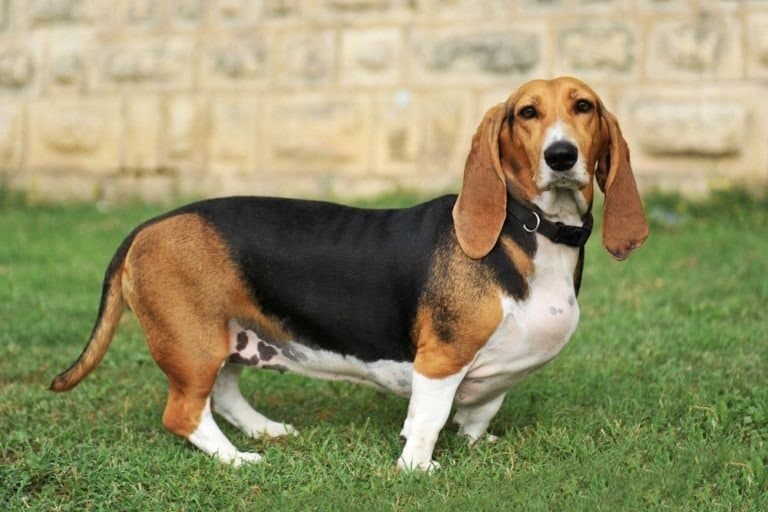
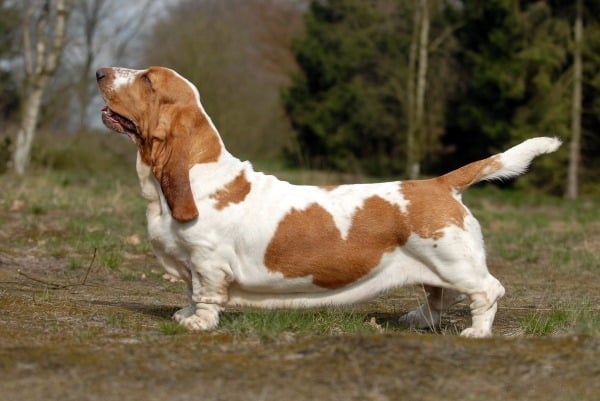
Basset Hound standing on grass

Fully-grown basset hounds weigh between 50 and 70 pounds.

Size and Weight

These hounds are medium-sized dogs with thick torsos and short stature. Males stand between 12 and 15 inches tall and can weigh as much as 45 to 75 pounds. Females are slightly smaller; they can grow up to 14 inches tall, and they usually weigh 40 to 65 pounds. Babies start incredibly small and may only weigh around 8 pounds by the time they are 8 weeks old.

Common Health Issues

These hounds have a comparatively short lifespan and are at major risk for several health conditions. Due to the structure of their torso, basset hounds are particularly prone to back, hip, and elbow problems — all of which can be seriously aggravated by obesity. They also have incredibly sensitive eyes and ears, which means that they may be subject to infections and other issues related to soft tissue. Finally, like other purebred dogs, basset hounds are at risk for von Willebrand’s disease, which can cause bleeding and clotting problems.

The best way to keep your dog healthy is to take them in for regular eye, ear, and joint exams.
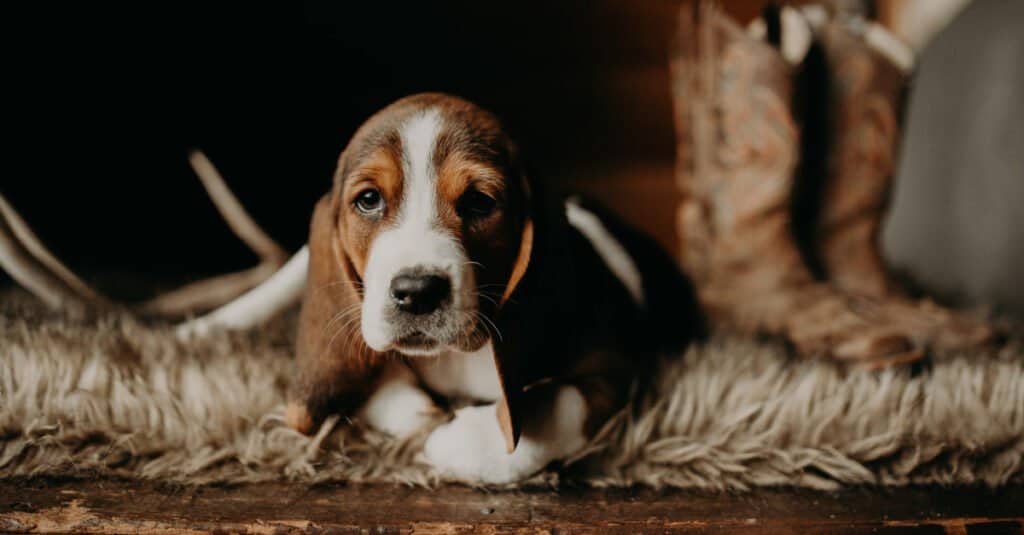
Calmest dog - basset hound puppy

Basset Hounds make for a great family pet because of their demeanor with children.

Temperament

These dogs are sweet, gentle, intelligent, and stubborn pets. They have incredibly loving personalities and mesh with nearly any family that they are introduced to. Bassets are known for their intelligent behavior and gentle temperament; they tolerate children, and they usually get along well with other pets. However, most basset hounds are also known for having a stubborn streak that can make training difficult, especially if they are not introduced to basic commands as a pup.

One of the most important things to realize about these dogs is that they are incredibly prone to separation anxiety. Your basset will see himself as your best friend, and he will become incredibly worried if he is left at home alone. Expect to spend plenty of time with your dogs, and look forward to enjoying their intelligent and lively personality.

How to Take Care of a Basset Hound

Basset hounds are domestic dogs that prefer to stay right by their owner’s side. Your dog will need daily walks and a moderate diet to prevent obesity. You should also plan on taking your basset to the vet for regular checkups, especially if they have had any joint issues in the past. Finally, remember that puppies need to be trained from a young age to help them learn commands despite their stubborn streak.
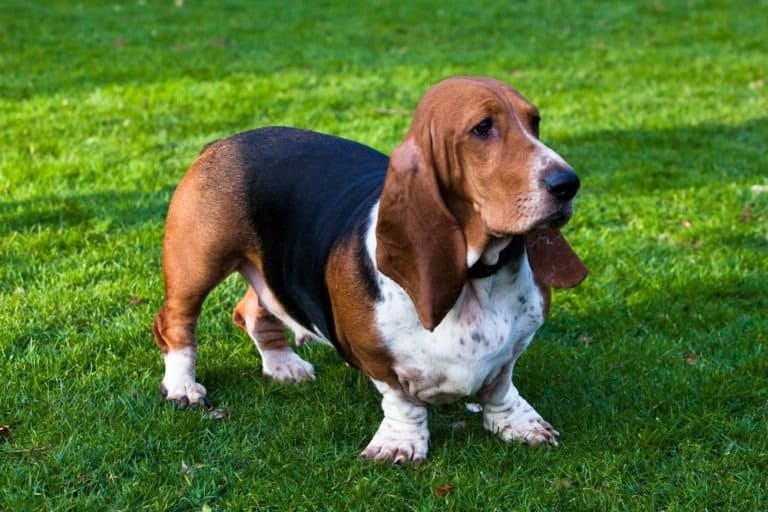
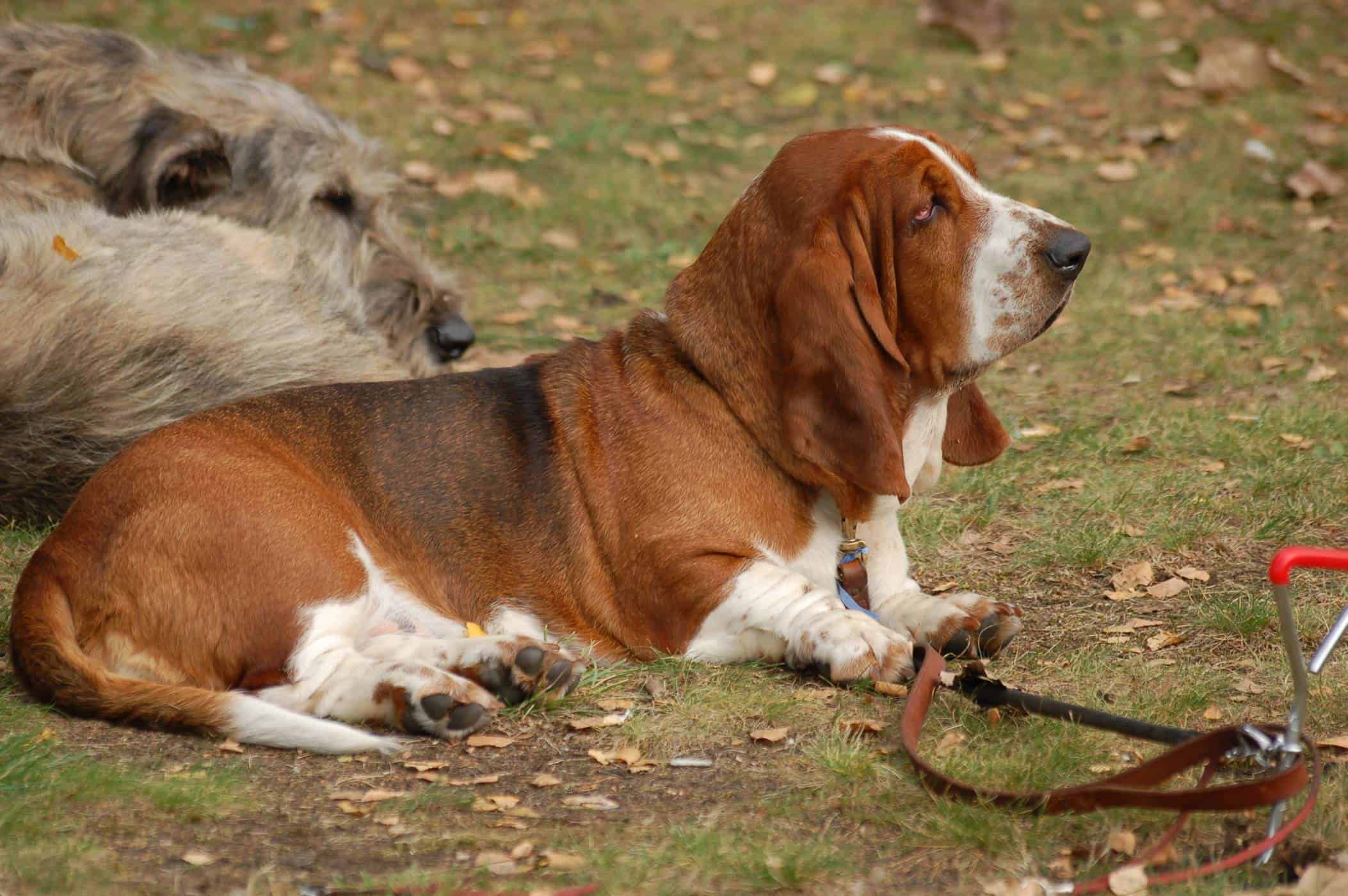
Basset hound outside

Basset hounds are prone to weight gain.

The Best Dog Food for Basset Hounds

These dogs gain weight easily, but they have an incredibly hard time taking it off. This means that the best way to keep your basset hound healthy is to watch its diet closely.

Your basset will be happiest on a diet that includes a high amount of protein and healthy fats and a low amount of carbohydrates. Dry kibbles can be a good choice, but watch out for the quality of the food; some kibbles simply contain far too many grains for a basset hound’s slow metabolism. Many basset hound owners prefer to feed their dogs a mix of either cooked or raw meat combined with vegetables. Always consult with your vet to determine a good balance for your basset’s ideal weight.

Babies need more food than adults; depending on their age, they may want to eat as many as three times a day. Be aware that these hounds can develop a food fixation. To combat this, get them used to a regular feeding schedule from a young age.

Maintenance and Grooming

These dogs are short-haired, so they don’t need to go to the groomer very often. However, because they shed a lot, you should still brush your basset with a mitt or a washcloth at least once every few days. Basset hounds also have a lot of wrinkles; to keep them healthy, bathe them at least once a month. Use a gentle soap to avoid irritating your basset’s sensitive skin.

The signature droopy ears of these dogs are unfortunately prone to infections. Inspect and clean their ears regularly. Your vet will prescribe an appropriate cleaning mix to keep major issues at bay.
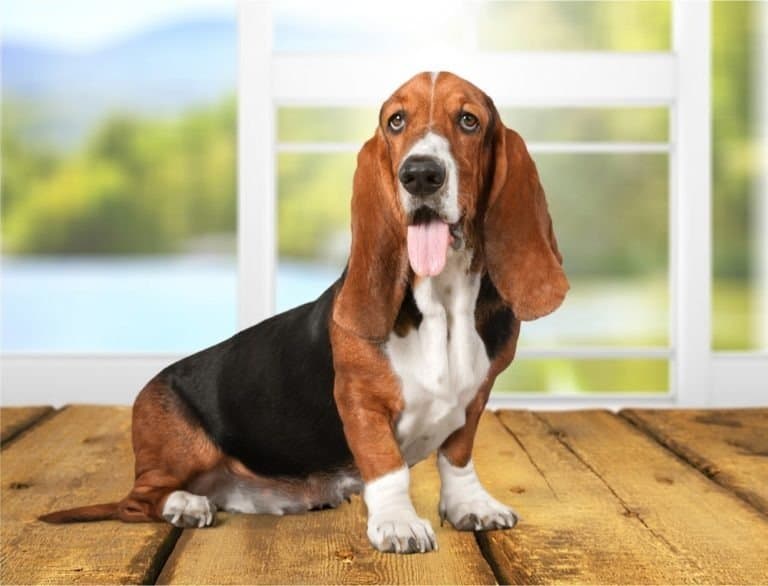
Basset hounds on a healthy diet can get by with one walk a day.

Training

These hounds are intelligent, but they are also stubborn. The result is a dog who is capable of learning commands but who may need to be convinced to participate in activities. For best results, start training your dog as young as possible, and make sure to use positive reinforcement throughout the process. Most basset hounds have no problem learning essential commands after only a few training sessions.

Exercise

These dogs need a moderate amount of exercise. As long as they are on a healthy diet, a single daily walk should be enough to help prevent obesity. Older dogs are especially prone to joint problems, so don’t push them to exercise past their natural limits. In general, your basset hound will be happiest if they are allowed to take extended walks at a leisurely but enthusiastic pace.

Puppies
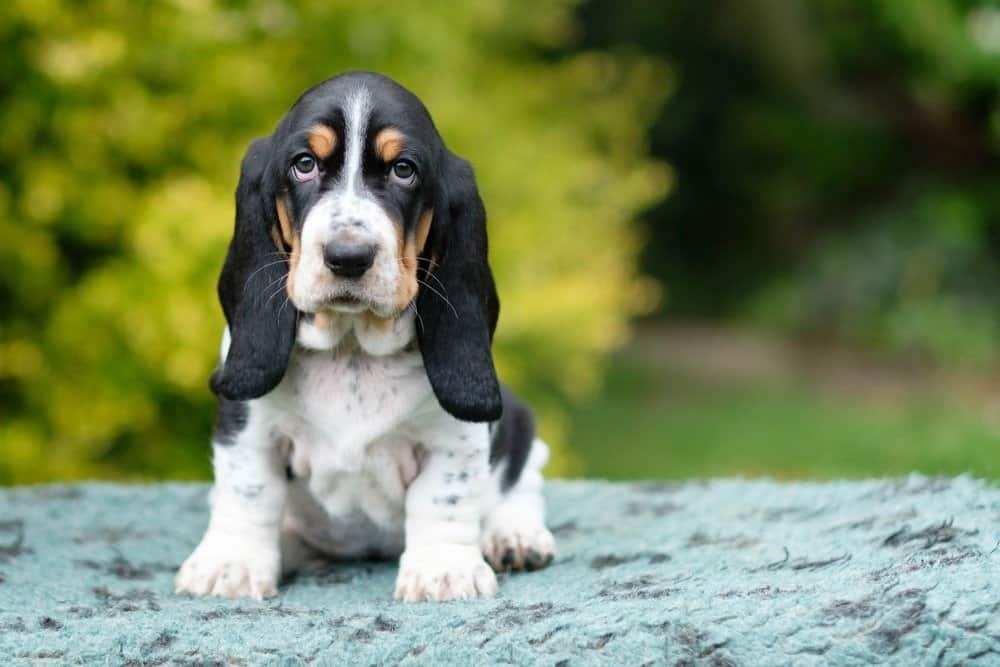
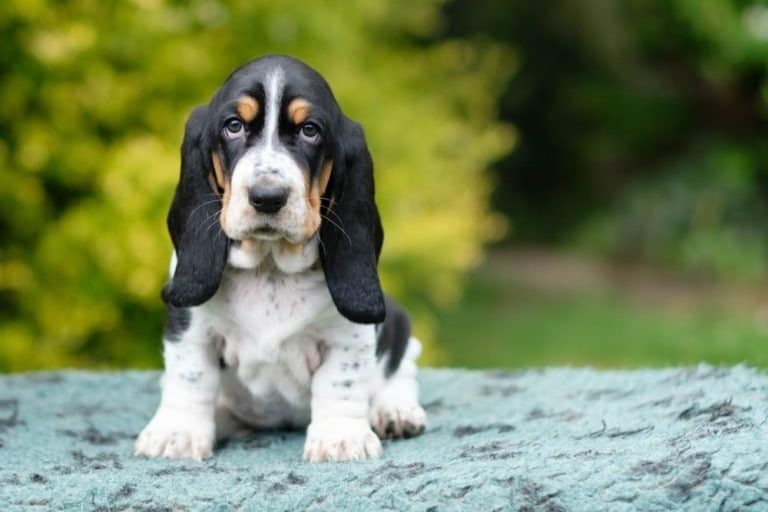
Basset Hound puppy with sad eyes

It is best to train basset hounds as puppies, as they grow more stubborn as they age.

Basset puppies are sweet and energetic. Because basset hounds develop health problems as they get older, your puppy will want to get as much running and playing done as possible. Remember to start training your dog while they are young; that way, they will already know their basic commands when they inevitably decide to express their unique personality.

Basset Hounds and Children

These dogs get along incredibly well with children and make great family pets. However, because they are prone to back problems and have incredibly sensitive faces, it’s not a good idea to leave your basset alone with unsupervised toddlers. Never let a child sit on or otherwise place pressure on your basset hound’s back.

Dogs Similar to Basset Hounds

These dogs are hunting dogs with gregarious personalities. Three of the most similar breeds to basset hounds include bloodhounds, American foxhounds, and beagles.
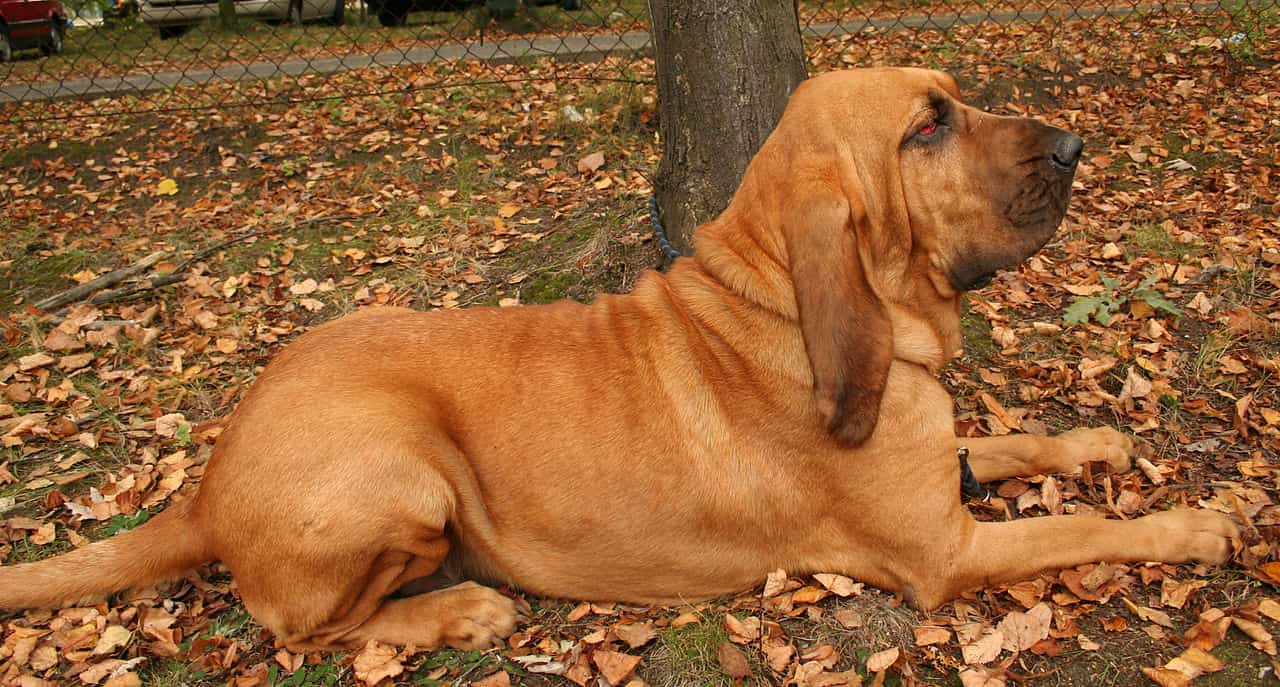
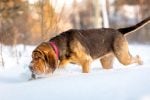
bloodhound laying in the leaves

Bloodhounds have the droopy face of basset hounds, but are much larger and more active.

  • Bloodhounds: The bloodhound is a classic hunting dog with a droopy face and luxurious copper fur. Bloodhounds have longer legs than basset hounds and are more suited to an active lifestyle.
  • American Foxhounds: Originally bred by George Washington, this patriotic hunting dog has short fur, long legs, and incredibly bright eyes.
  • Beagles: These small hunting dogs have vivacious personalities and a high amount of energy. Beagles tend to be healthier than basset hounds and have longer lifespans.

Famous Basset Hounds

The basset hound is an iconic part of popular culture. Expect to see basset hounds featured frequently as sidekicks in movies, television shows, and comic strips. Some famous examples include Arthur from “Our House,” Cynthia from “Green Acres,” and Droopy Dog.

In real life, the most famous basset hound is probably Mr. Jeffries, a basset hound from England who holds the world record for having the biggest ears. Mr. Jeffries’ ears measure an impressive length of 11.49 inches.

View all 453 animals that start with B

Sources

  1. Pet MD / Accessed December 17, 2020
  2. Dogtime / Accessed December 17, 2020
  3. Hill's Pet / Accessed December 17, 2020
  4. American Kennel Club / Accessed December 17, 2020
  5. Dog Breeds / Accessed December 17, 2020
  6. VCA / Accessed December 17, 2020
  7. Dog Breeds Expert / Accessed December 17, 2020
Lisha Pace

About the Author

Lisha Pace

After a career of working to provide opportunities for local communities to experience and create art, I am enjoying having time to write about two of my favorite things - nature and animals. Half of my life is spent outdoors, usually with my husband and sweet little fourteen year old dog. We love to take walks by the lake and take photos of the animals we meet including: otters, ospreys, Canadian geese, ducks and nesting bald eagles. I also enjoy reading, discovering books to add to my library, collecting and playing vinyl, and listening to my son's music.

Thank you for reading! Have some feedback for us?


Basset Hound FAQs (Frequently Asked Questions)

Basset hounds are expensive to purchase and even more expensive to take care of. Expect to spend anywhere from $1,000 to $10,000 on a purebred basset hound. You should also plan to take them in for seasonal vet visits, pay for high-quality dog food, and purchase important supplies like ear cleaning solution. Be prepared to pay for at least one joint surgery across the course of your basset hound’s life.