





B
Species Profile

Bongo

Tragelaphus eurycerus

Spiral horns, forest shadows
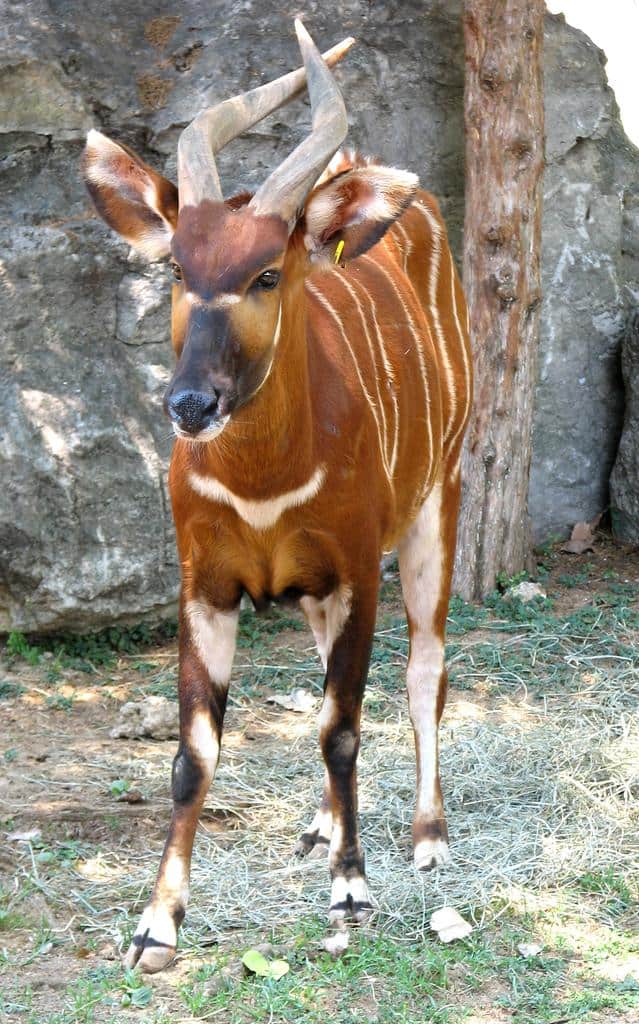
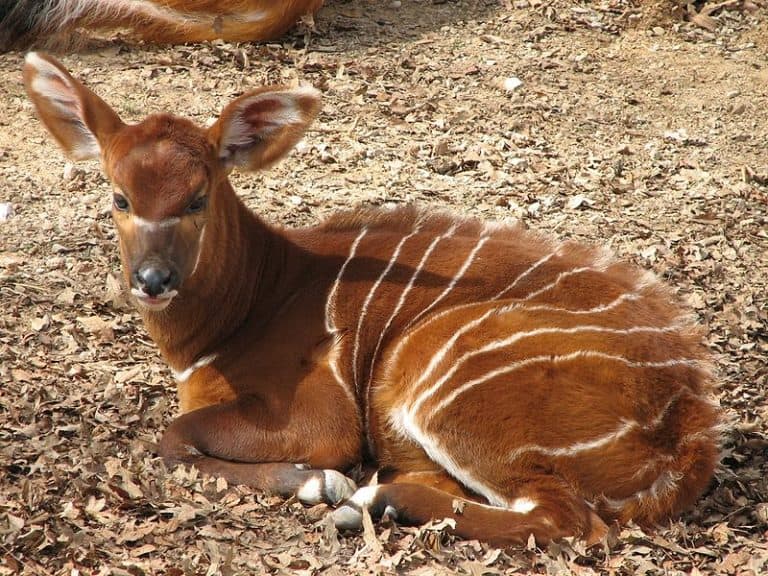
Chuckupd at English Wikipedia, Public domain, via Wikimedia Commons

Bongo Distribution

Click a location to explore more animals from that region

Loading map...

Size Comparison

Human 5'8"
Bongo 3 ft 11 in

Bongo stands at 69% of average human height.

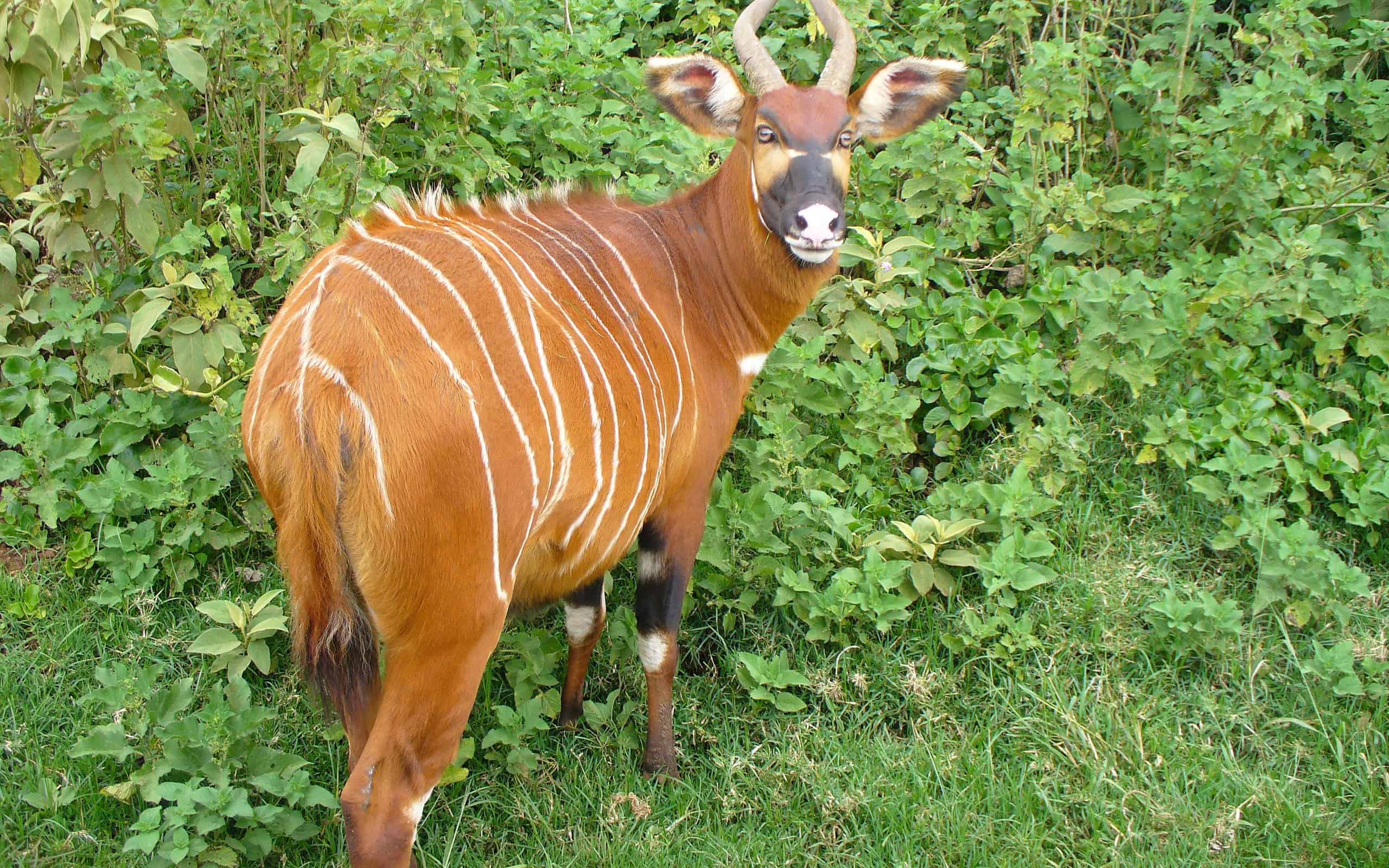
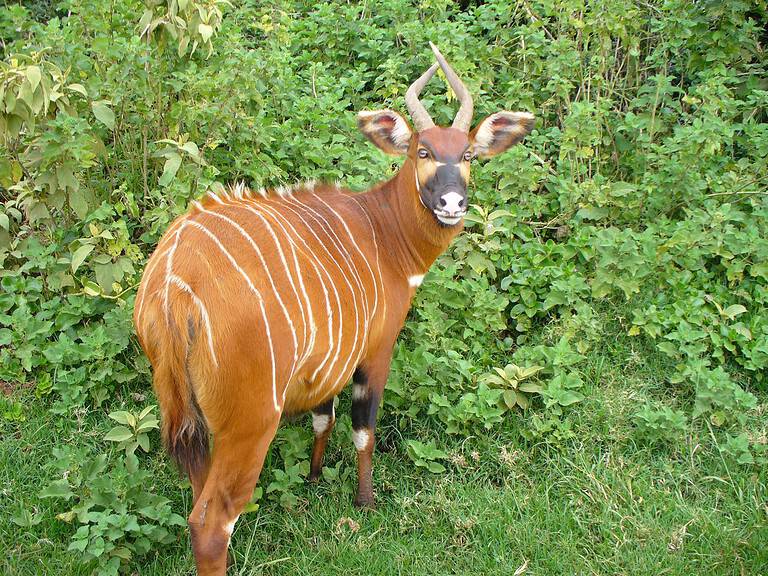
Female Mountain Bongo (Tragelaphus eurycerus isaaci) photographed at Mount Kenya National Park.

At a Glance

Wild Species
Diet Herbivore
Activity Nocturnal+
Lifespan 12 years
Weight 405 lbs
Did You Know?

Both males and females carry horns; typical horn length is ~70-99 cm, with a single twist and a pale "chevron" tip (commonly reported in zoo and field references).

Scientific Classification

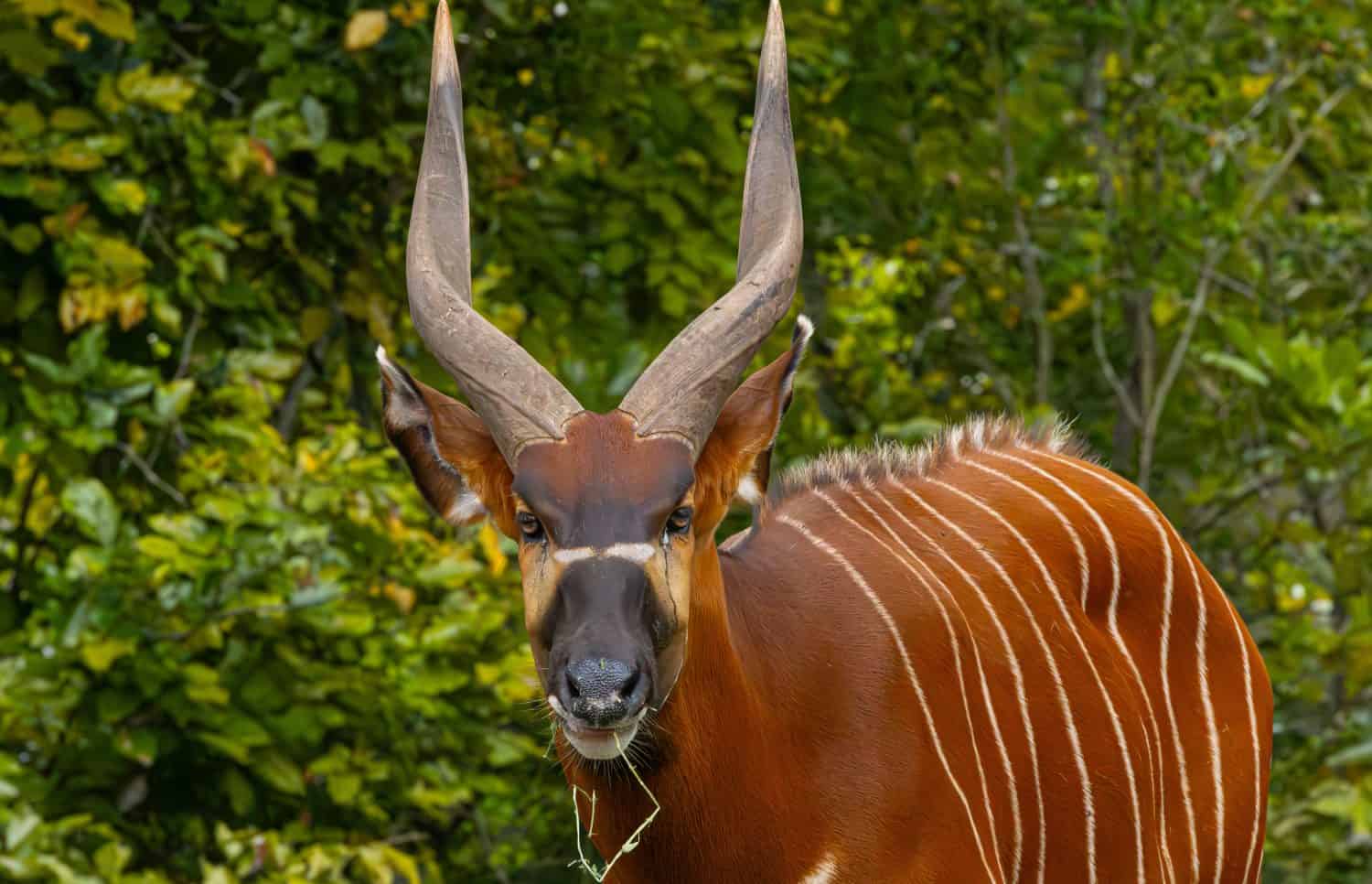
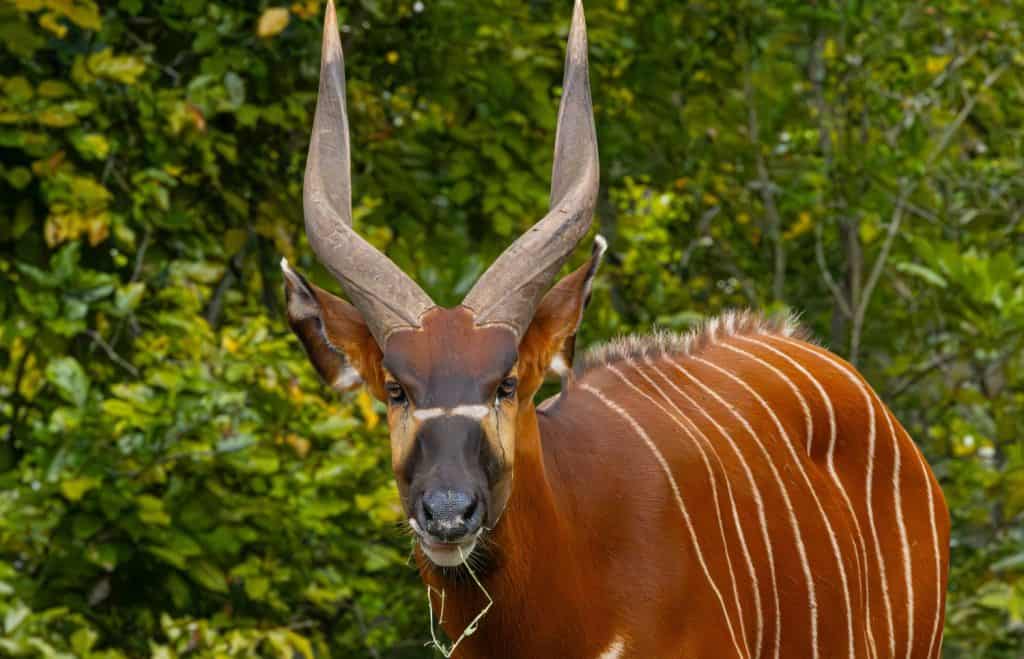
The bongo is a large, forest-dwelling spiral-horned antelope of tropical Africa, noted for its reddish-brown coat with prominent white vertical stripes and long, slightly twisted horns in both sexes.

Kingdom
Animalia
Phylum
Chordata
Class
Mammalia
Order
Artiodactyla
Family
Bovidae
Genus
Tragelaphus
Species
eurycerus

Distinguishing Features

  • Rich chestnut to reddish-brown coat with many narrow white vertical stripes
  • Both males and females bear horns (sexual dimorphism less pronounced than in many antelopes)
  • Horns long and slightly spiraled; males typically thicker/heavier
  • Large ears and robust build adapted for forest living

Physical Measurements

Males and females differ in size

Height
♂ 3 ft 11 in (3 ft 7 in – 4 ft 3 in)
♀ 3 ft 6 in (3 ft 3 in – 3 ft 9 in)
Length
♂ 8 ft 10 in (7 ft 7 in – 10 ft)
Weight
♂ 661 lbs (485 lbs – 893 lbs)
♀ 419 lbs (331 lbs – 518 lbs)
Tail Length
♂ 1 ft 10 in (1 ft 6 in – 2 ft 2 in)
♀ 1 ft 10 in (1 ft 6 in – 2 ft 2 in)
Top Speed
40 mph
Top speed ~65 km/h

Appearance

Primary Colors
Secondary Colors
Skin Type Short, sleek hair coat over robust bovine hide; coat tends to be glossy and lies close to the body (adapted to wet, dense tropical forest).
Distinctive Features
  • Large forest-dwelling spiral-horned antelope; both sexes horned (a key identification feature vs many other African antelopes).
  • Horns long, slightly to strongly spiraled/twisted, sweeping back; heavily ridged at the base. Reported horn lengths commonly ~75-99 cm in adults (varies by sex, age, and population; sources commonly cite up to ~1 m).
  • Prominent vertical white/cream stripes (often ~10-15 per side) across flanks and hindquarters; stripes aid camouflage in dappled understory light.
  • Tall, narrow ears with pale edging; pale facial markings often forming a chevron between the eyes; muzzle darker.
  • Short mane along the spine/neck (more evident in adults, especially bulls), sometimes darker and raised when alarmed.
  • Large body size: commonly cited shoulder height ~110-130 cm; head-body length ~215-315 cm; tail length ~45-65 cm (ranges widely reported in standard references such as Kingdon/Estes; measurements vary among populations and sexes).
  • Massive build relative to most forest antelopes: adult males often cited ~220-405 kg; females ~150-235 kg (size ranges vary by population and source; bulls substantially heavier).
  • Shy and wary; in disturbed areas mostly active at dawn, dusk, and night. Lives in dense tropical forest and forest-edge thickets, visits mineral/salt licks, and eats leaves, shoots, browse, and fallen fruit.
  • Conservation context affecting appearance observations: heavy hunting pressure and habitat loss/fragmentation reduce daytime visibility and increase nocturnality/secretive behavior; conservation programs include protected-area management, anti-poaching, and (notably for the eastern population) managed breeding and reintroduction efforts.

Sexual Dimorphism

Sexual dimorphism is pronounced in size and horn robustness, but both sexes carry horns. Bulls are larger/heavier with thicker necks and generally darker coats; cows are smaller and often brighter rufous with relatively more delicate horns (standard descriptions in field references such as Estes/Kingdon).

♂
  • Larger body mass (commonly cited ~220-405 kg) with heavier forequarters and thicker neck/shoulders.
  • Coat often darkens with age (deeper brown/mahogany), especially on neck and shoulders; mane may appear more prominent.
  • Horns thicker at the base, typically longer and more heavily ridged; spiral often more massive overall.
♀
  • Smaller, lighter build (commonly cited ~150-235 kg).
  • Coat commonly brighter rufous/chestnut, with striping often appearing crisp and high-contrast.
  • Horns present but typically slimmer and slightly shorter/less massive than in males.

Did You Know?

Both males and females carry horns; typical horn length is ~70-99 cm, with a single twist and a pale "chevron" tip (commonly reported in zoo and field references).

Adults are big: shoulder height ~110-130 cm; males often ~220-405 kg, females ~150-235 kg (ranges compiled across field guides/zoo records; size varies by population).

Gestation is about 285 days, and usually one calf is born; calves often hide ("hider" strategy) for days to weeks while the mother forages.

Bongos are largely crepuscular to nocturnal in hunted areas-timing activity to reduce encounters with people and predators.

Their bold white vertical stripes are disruptive camouflage in forest light-and-shadow, breaking up the body outline among stems and lianas.

There are two main geographic forms: the widespread Western/Central African bongo (T. e. eurycerus) and the highly threatened Eastern or "mountain" bongo (T. e. isaaci) restricted to Kenya's highland forests (IUCN recognizes severe decline in the eastern form).

Unique Adaptations

  • Disruptive striping and rich chestnut coat: optimizes concealment in dappled rainforest/woodland understory.
  • Spiral, backward-sweeping horns in both sexes: useful for defense and intraspecific competition; the shape helps maneuver through vegetation compared with wide-spreading horns.
  • Large ears and acute hearing: important for detecting predators and humans in low-visibility forest habitats.
  • Flexible diet and forest browsing physiology: able to exploit diverse understory plants and seasonal fruit, aiding survival in heterogeneous forests.
  • Powerful shoulders and sloping back: supports moving through steep, tangled terrain (notably in Kenya's montane forests for the eastern form).

Interesting Behaviors

  • Crepuscular/nocturnal foraging: typically browses at dawn/dusk and at night, especially where human disturbance is high.
  • Selective browsing: feeds on leaves, shoots, herbs, and fallen fruit; will also take grasses when available-moving along forest paths and clearings.
  • Salt and mineral seeking: visits natural mineral licks and will chew bark/decaying wood for minerals (behavior widely documented for forest bovids).
  • Quiet, wary herd life: often in small groups (commonly ~5-15), with females and young together; adult males may be solitary or loosely associated.
  • Scent communication: uses scent glands and urine/dung placement to signal presence; individuals also use low vocalizations and alarm snorts in dense cover.
  • Male sparring: males engage in pushing and horn-wrestling, using the spiral horns to test strength while avoiding lethal goring in many contests.

Cultural Significance

In Kenya the mountain bongo (Tragelaphus eurycerus) is a flagship for Aberdare and Mount Kenya forests. In West and Central Africa bongos link to deep-forest traditions and ecotourism. Conservation uses captive breeding and reintroduction to fight snaring, bushmeat hunting and forest loss. Eastern population extremely reduced on IUCN Red List.

Myths & Legends

The name 'bongo' comes from a local Central African word noted by early European scientists. That local name entered zoology in the 1800s; the species Tragelaphus eurycerus was described in 1837 by W. Ogilby.

In rainforest hunting stories, the bongo (Tragelaphus eurycerus) is called a forest ghost that disappears into deep cover, hard to follow, so people treat it with caution and respect.

In Kenya the eastern (mountain) bongo's big decline and well-known rescue efforts—captive breeding, habitat protection, and restoring—have become a modern story about bringing back a rare forest antelope tied to the highland forests' future.

Conservation Status

NT Near Threatened

Likely to qualify for a threatened category in the near future.

Population Decreasing

Protected Under

  • Assessed on the IUCN Red List as Near Threatened with a decreasing trend (IUCN SSC Antelope Specialist Group assessment for Tragelaphus eurycerus, 2016).
  • Occurs in multiple protected areas across its range; protection effectiveness varies with enforcement and hunting control (e.g., key protection landscapes for the eastern/mountain form in Kenya include Aberdare National Park and Mount Kenya forest/protected area complex).
  • National wildlife legislation and hunting regulations apply in many range states; in Kenya, the Wildlife Conservation and Management Act (2013) provides a framework for protection and enforcement relevant to mountain bongo conservation.

Life Cycle

Birth 1 calf
Lifespan 12 years

Lifespan

In the Wild
10–15 years
In Captivity
15–19 years

Reproduction

Mating System Polygyny
Social Structure Aggregation Group
Breeding Pattern Transient
Fertilization Internal Fertilization
Birth Type Internal_fertilization

Bongo (Tragelaphus eurycerus) are polygynous: males mate with several females, often fight using spiral horns. Females and young form small groups; males join during estrus. Usually one calf after pregnancy about 285 days, year-round breeding, mothers care; males do not help; calves hide.

Behavior & Ecology

Social Herd Group: 4
Activity Nocturnal, Crepuscular, Cathemeral
Diet Herbivore Tender browse (young leaves/shoots) from understory shrubs and lianas; fruits taken opportunistically when available (reported as key seasonal items in field accounts; e.g., Estes 1991; Kingdon 2015).

Temperament

Shy and highly wary; typically avoids humans and disturbance by remaining in dense cover
Cryptic and risk-averse; freezes or slips away quietly rather than confronting threats
Non-territorial to weakly territorial in many observations; home ranges overlap, with avoidance rather than overt aggression common
Adult males can be intolerant at close range during rut (brief displays, sparring), but overt fighting is generally limited

Communication

low grunts/contact calls used at close range in forest cover
snorts/blows as alarm signals when startled
soft bleats/moos reported in mother-calf context Calves especially vocal when separated
olfactory communication via urine/feces deposition and investigation Scent information important in dense forest
rubbing and scent-marking on vegetation Head/neck rubbing; use of skin glands typical of tragelaphines
visual signals at close range: posture, head position, and mane erection; horn presentation during male-male assessment
auditory non-vocal signals: foot-stamping/rustling through undergrowth that can function as alerting cues at short distances

Habitat

Biomes:
Tropical Rainforest Tropical Dry Forest Wetland
Terrain:
Mountainous Hilly Valley Riverine
Elevation: Up to 9842 ft 6 in

Ecological Role

Large forest browser (mixed feeder) shaping understory vegetation and contributing to forest nutrient cycling.

Regulates understory plant structure through selective browsing (influences regeneration and species composition) Seed dispersal via endozoochory for some ingested fruits (movement of seeds away from parent plants) Nutrient redistribution through dung/urine deposition and soil disturbance at mineral licks Provides prey biomass for large African predators (indirect role in trophic webs), supporting predator populations where sympatric

Diet Details

Other Foods:
Leaves and young shoots of forest shrubs and understory trees Woody vines, lianas and creepers Herbs and forbs Grasses and sedges Fallen fruits and soft mast Bark and twigs Natural salt lick +1

Human Interaction

Domestication Status

Wild

Tragelaphus eurycerus (bongo) is not domesticated; all kept bongos are wild-caught or captive-bred for zoos. Humans hunt them for bushmeat and hides, capture them for collections, and run conservation programs—especially eastern mountain bongo T. e. isaaci. Bongos are shy, forest-dwelling, nocturnal/crepuscular, and slow to reproduce (one calf, ~285-day gestation). Interactions range from low-contact coexistence to poaching and intensive captive care.

Danger Level

High
  • Physical injury from horns: both sexes carry long, sharp, slightly twisted horns; lunging or hooking injuries can be severe during handling, breeding season, or stress events.
  • Crushing/kicking: adults commonly exceed 150 kg (females) and can exceed 300 kg (males), making trampling and blunt trauma a serious hazard in close quarters.
  • Handling/chemical restraint risk: stress-sensitive forest antelope; capture myopathy risk is a recognized concern in ungulates during pursuit/restraint (important in translocations and private keeping).
  • Zoonotic and livestock disease interface: as bovids, bongos can potentially carry/transmit pathogens relevant to ruminants and humans (risk depends on region, husbandry, and biosecurity).
  • Facility risk: inadequate fencing/enclosures can lead to escape or dangerous close contact; intact males can be particularly hazardous during rut.

As a Pet

Not Suitable as Pet

Legality: The bongo (Tragelaphus eurycerus) is not a typical household pet. It is usually kept only by licensed zoos, exhibitors, or hoofed-animal ranches and needs permits, proper facilities, and vet oversight. Not listed in CITES; check local law.

Care Level: Expert Only

Purchase Cost: $6,000 - $20,000
Lifetime Cost: $80,000 - $250,000

Economic Value

Uses:
Ecotourism and wildlife viewing (limited due to forest/low visibility habits) Zoological display and conservation breeding Trophy hunting (where legal) and bushmeat (often illegal/unsustainable) Local subsistence use and informal trade Research and veterinary/behavioral science value
Products:
  • meat (bushmeat)
  • hides/leather
  • trophies (horns/skulls) where hunting is legal
  • live animals for regulated zoo/conservation collections (not a consumer product; controlled transfers)

Relationships

Related Species 9

Sitatunga Tragelaphus spekii Shared Genus
Greater kudu
Greater kudu Tragelaphus strepsiceros Shared Genus
Bushbuck Tragelaphus scriptus Shared Genus
Nyala
Nyala Tragelaphus angasii Shared Genus
Lesser kudu Tragelaphus imberbis Shared Genus
Mountain nyala Tragelaphus buxtoni Shared Genus
Common eland
Common eland Taurotragus oryx Shared Family
Giant eland Taurotragus derbianus Shared Family
African buffalo
African buffalo Syncerus caffer Shared Family

Ecological Equivalents 5

Animals that fill a similar ecological role in their ecosystem

Okapi
Okapi Okapia johnstoni Forest understory browser occupying dense tropical forest. Overlaps with bongo in using browse (leaves, shoots) and relying on cover. Both are primarily browsing ungulates adapted to low-light forest habitat and possess cryptic coloration/striping for concealment.
Red duikers Cephalophus spp. Small-to-medium forest antelopes occupying tropical forest niches; they similarly rely on dense cover and on browsing and consuming fruit. Ecological overlap is strongest in foraging on understory plants and fallen fruit, though bongos are much larger and can process more fibrous browse.
Forest buffalo Syncerus caffer nanus Occupies Central African rainforest mosaics and forest clearings. Shares habitat use (forest edges, clearings, and swampy forest corridors) and predator-avoidance strategies (use of cover). Diet differs (buffalo graze more), but spatial niche overlap is common in rainforest/forest-savanna transition zones.
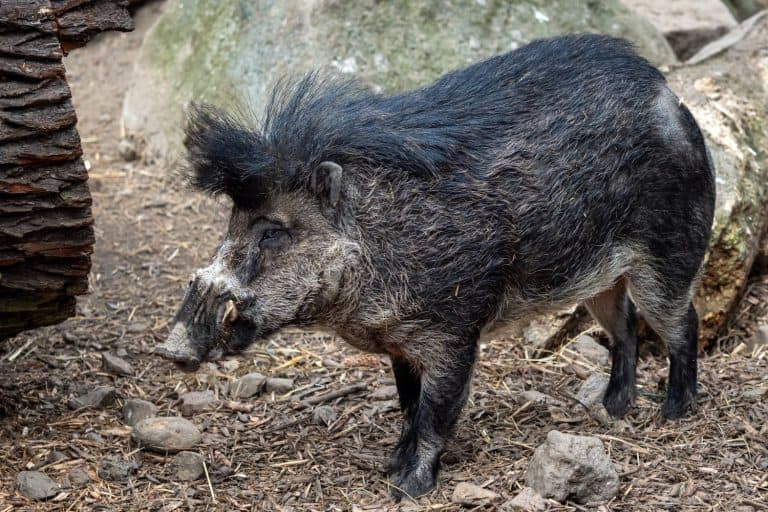
Giant forest hog Hylochoerus meinertzhageni Large-bodied forest ungulate that uses dense cover and forest clearings; overlaps with bongo in space use and predator community. Diet differs—giant forest hog is omnivorous while bongo are primarily browsers—but both exploit forest/edge habitats and tend to be crepuscular or nocturnal in areas of human pressure.
Yellow-backed duiker Cephalophus silvicultor Large forest duiker that overlaps in rainforest habitat, trail use, and predator suite, particularly leopards. Both are primarily browsers and may frequent mineral licks; the duiker is smaller but fills a comparable forest-antelope niche.

Classification And Evolution

The Bongo is a large species of antelope that is found inhabiting the jungles and forests of Eastern, Western, and Central Africa. They are the largest forest-dwelling antelope species and one of the most distinctive, with a chestnut-colored coat and long horns that spiral as high as 90cm in males.

The coloration of bongos is an evolution over the years to help them actually blend into their dense surroundings and provide them protection from prey as they forage for food. The mountain bongo diverged away from the lowland bongo to adapt to the mountainous terrain.

2 Types of Bongo

There are only two subspecies of the bongo. They are:

  • Mountain Bongo (Eastern Bongo) – The mountain bongo is much rarer than its lowland relatives. They can only be found in the mountains in Kenya. They are larger and heavier, too.
  • Lowland Bongo (Western Bongo) – The lowland bongo is more prevalent and primarily found in the forests of Central Africa. Out of all the African forest antelope, these are the largest and have the most striking colorful.

Both species of Bongo are threatened by both hunting and habitat loss with populations having declined significantly enough for it to be listed as a near-threatened species by the IUCN, as although it still has a relatively wide distribution, populations are becoming more and more isolated.

Anatomy and Appearance

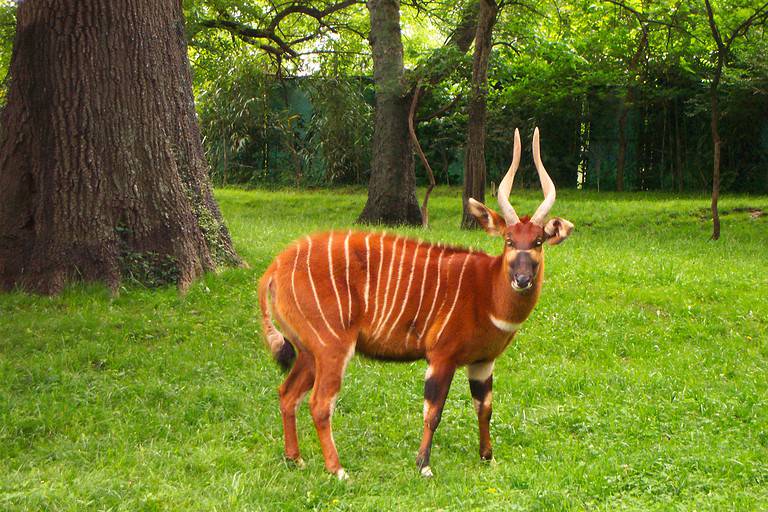
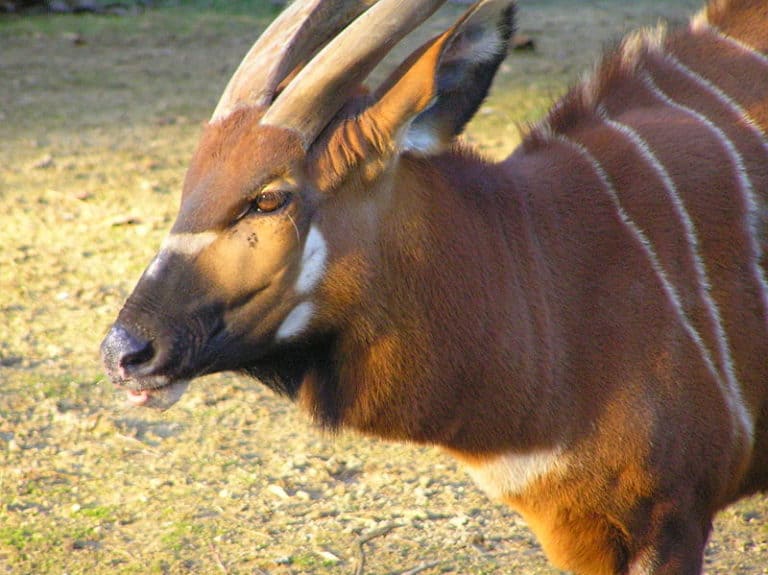
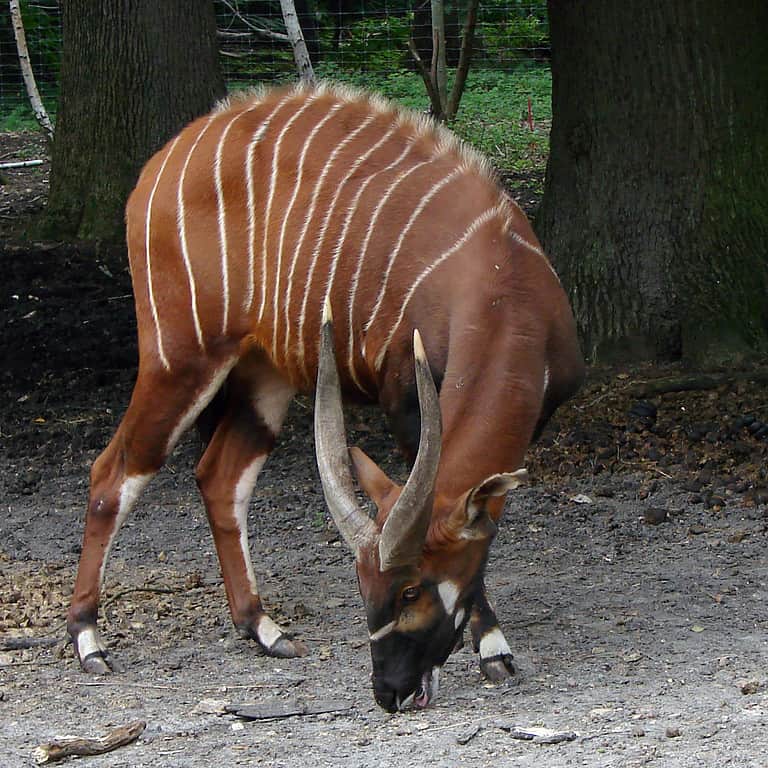
The Bongo is a large and heavy-bodied antelope with a short and glossy, orange or chestnut-colored coat that is darker on the underside and patterned with between 10 and 15 vertical white stripes that help the Bongo to remain camouflaged in the dense jungle. They also have distinctive white markings on their cheeks, a white chevron between the eyes and nose, and a white crescent-like shape on their chest. The legs of the Bongo are banded with both white and black and their long tail has a tufted tip. Bongos also have large ears giving them very sensitive hearing and a long prehensile tongue which allows them to grip onto leaves higher up and strip them from the branches with ease. Their distinctive spiraled horns usually have either one or one-and-half twists, with those of males being longer and more coiled than the horns of the slightly smaller and lighter-colored females. Bongos also have a thin mane that runs along their body from the shoulders to the rump.
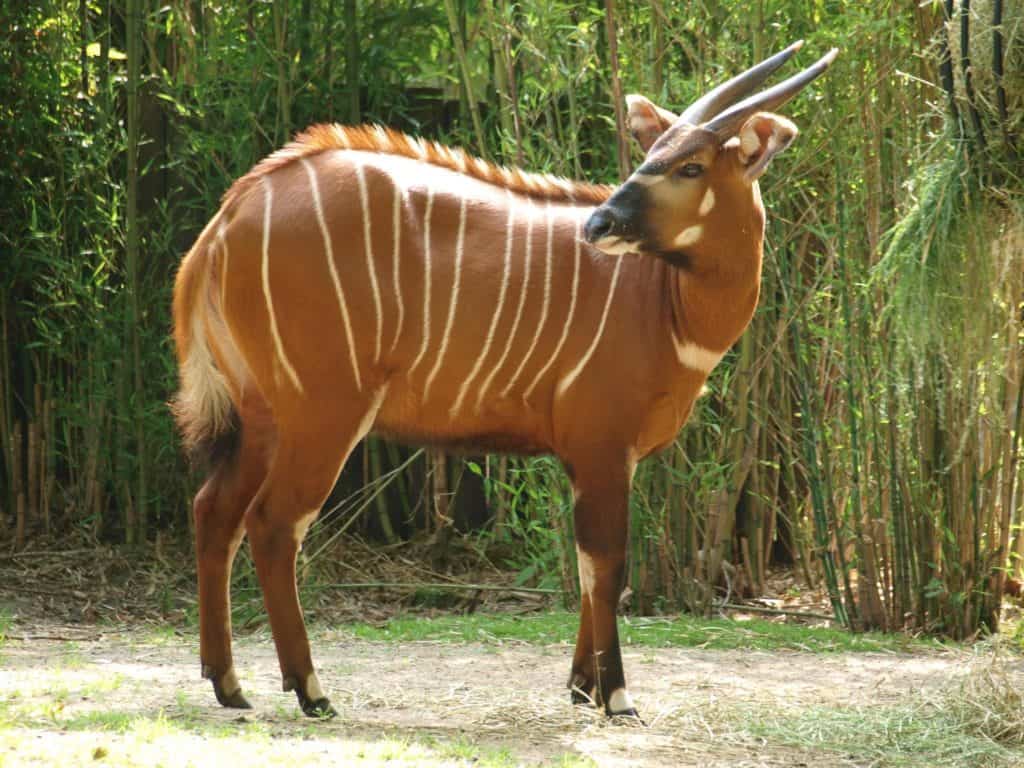
Bongos are orange and chestnut colored, and they have patterned vertical white stripes that help the Bongo to remain camouflaged in the dense jungle.

Distribution and Habitat

The Bongo is an animal that is natively found inhabiting the dense forests of Eastern, Western, and Central Africa and although it is still found in a number of different countries today, populations are decreasing in size with the Bongo now actually considered to be extinct from some regions. The Lowland Bongo inhabits the dense lowland forests and bamboo thickets of Western and Central Africa, and although is still found throughout much of its historical range in Central Africa, is becoming rarer in the West. Mountain Bongos were once found in the highland forests of both Kenya and Uganda but are now restricted to just four areas in Kenya after having disappeared from Uganda at the beginning of the twentieth century. Populations have decreased rapidly throughout much of their natural range due to habitat loss, mainly in the form of deforestation.

Behavior and Lifestyle

The Bongo is a shy and elusive animal that people seldom see due to its highly nocturnal lifestyle. As with many other antelope species, Bongos turn and flee almost immediately when they feel threatened and can disappear quickly into the surrounding forest, running with their horns laid back against their body to prevent them from getting tangled up in the vegetation. Male Bongos are solitary animals and will only come into contact with other Bongos to breed, whereas although females can be found on their own, they often form herds that can contain up to 50 members and consist of the females and their young (for protection). Bongos produce a variety of different calls so they are able to communicate including grunts, snorts, moos, and bleating to warn others of approaching danger or when they are in distress.
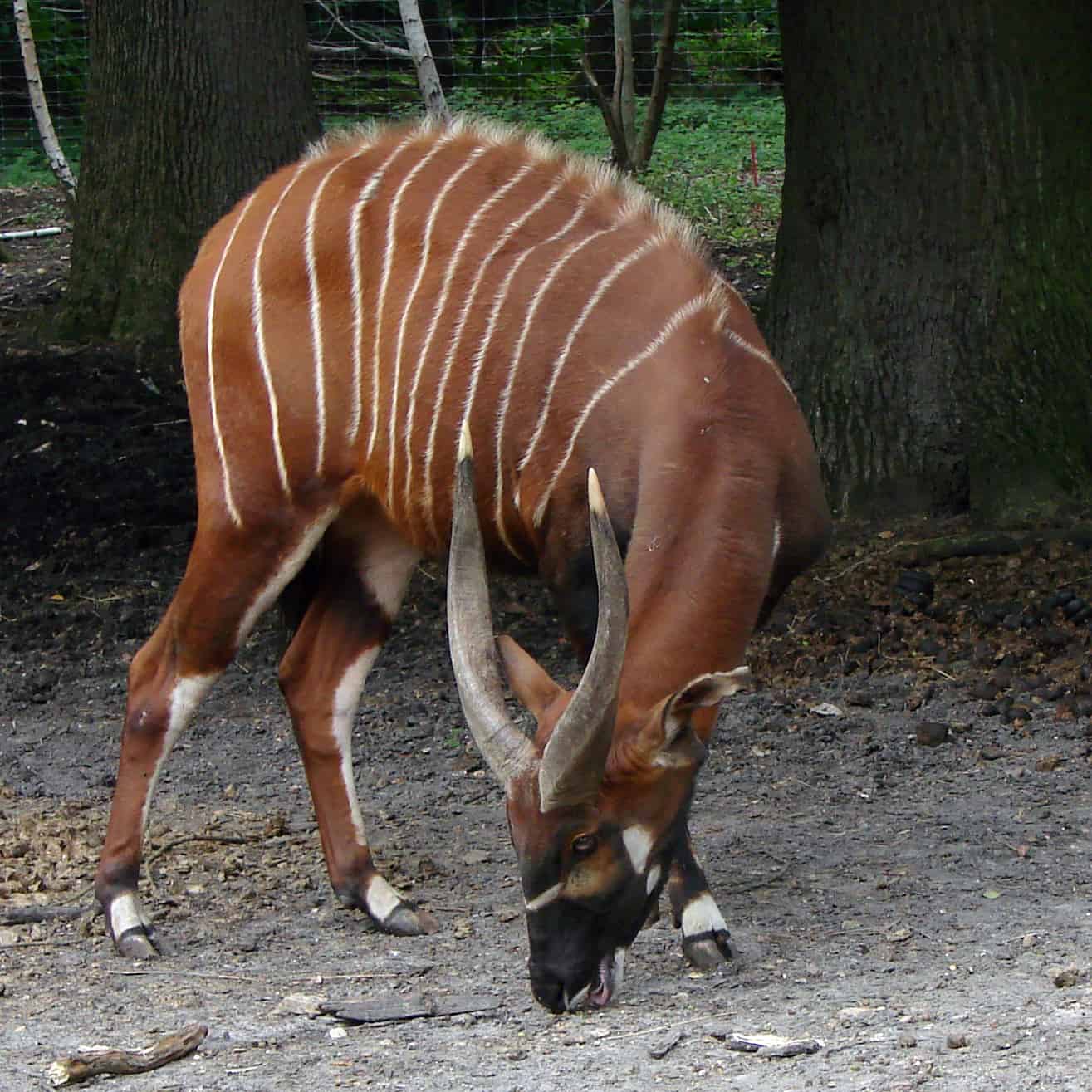
Bongos turn and flee almost immediately when they feel threatened and can disappear quickly into the surrounding forest.

Reproduction and Life Cycles

Most mating tends to occur between October and January, after which the female Bongo will give birth to a single calf following a gestation period that lasts for around 9 months. In order to try and protect the vulnerable calf from predators, females give birth to their calf in dense vegetation where she leaves it lying silently for about a week. During this time, the mother returns regularly to nurse her calf and when the calf is strong enough they both join up with other females and their young for better protection. Bongo calves grow relatively fast and their horns begin to show by the time they are three or four months old. Weaning occurs at six months but calves tend to remain with the nursery group for longer.
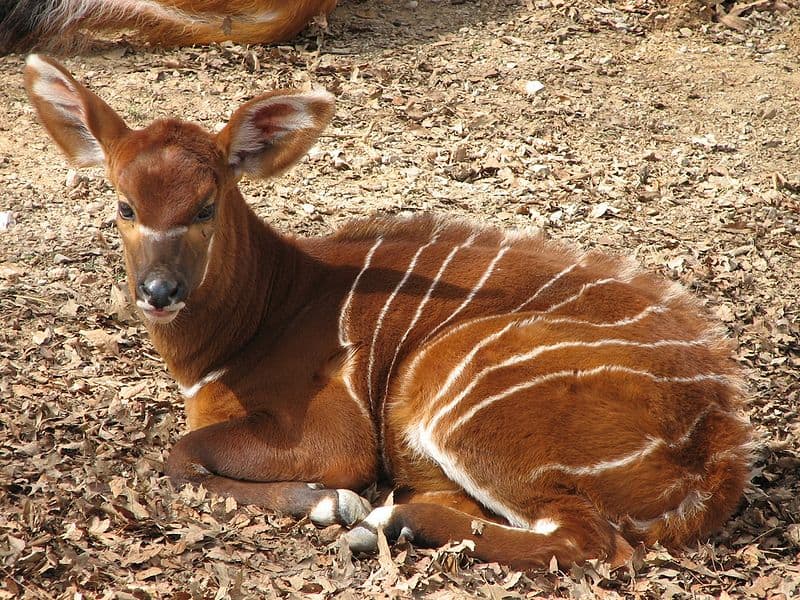
Bongo calves grow relatively fast and their horns begin to show by the time they are three or four months old.

Diet and Prey

The Bongo is a herbivorous mammal which means that they only feed on plant matter in order to gain the nutrition that they need to survive. Bongos are selective browsers that feed on leaves, roots, bark, and grasses under the cover of night to keep them safer from the numerous carnivorous predators that they share their habitats with. The Bongo has a prehensile tongue which helps it to reach fresh leaves higher up and also aids it when pulling roots out of the ground. Like other antelopes (and cattle which they are closely related to), the Bongo has a four-chambered ruminating stomach to help it to break down the cellulose that the plants contain. Food passes through their digestive system very slowly in comparison to other mammals to maximize their nutritional intake.

Predators and Threats

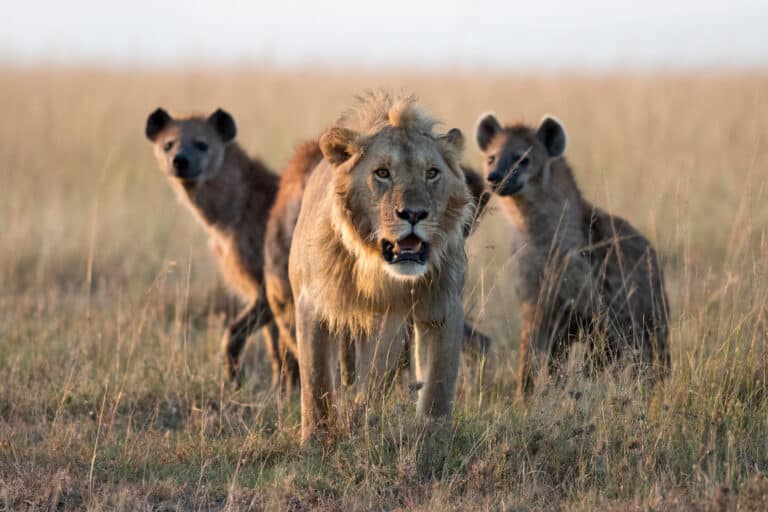
Bongos are prey to numerous large predators in their surrounding environments with Leopards being their most common natural threat along with Lions in certain areas. The young calves are also vulnerable to predation from Pythons and Hyenas throughout much of their natural range. Another big threat to Bongos is the fact that they are particularly susceptible to disease with the entire population has been nearly wiped out in the late 1800s. They are, however, at the biggest risk from people who don’t just hunt them both directly and by setting snares but have also obliterated much of their vast natural range through deforestation to both make way for agriculture and to gather tropical woods for the timber industry.

Bongos are susceptible to disease and were almost wiped out in the 1800s.

Bongo Interesting Facts and Features

Although they tend to be most active between dusk and dawn, Bongos are known to browse during the day occasionally but will never leave the dense vegetation that surrounds them. To help them to cool down in the heat, Bongos wallow in mud which they then rub onto a tree as a way of polishing their smooth and heavy horns. Despite being hunted for food in many areas, in others, there is a great deal of superstition surrounding the Bongo by the native people. Some believe that not only eating but just touching Bongo will cause the individual to have spasms and they are therefore not too affected by hunting in these places.

Bongos are known to browse during the day occasionally but will never leave the dense vegetation that surrounds them.

Relationship with Humans

In many areas throughout their natural range, Bongos have been hunted by people for meat but also became a prize target for big-game trophy hunters which devastated local populations. The biggest impact that people have had on the Bongo though is the fact that vast areas of their natural habitats have disappeared to make room for agriculture and to provide grazing for livestock. This increasing closeness to Humans has led to outbreaks of disease in Bongos, along with severe population declines due to their dwindling habitats and therefore, an increasing lack of both food and suitable forest cover which Bongos heavily rely on.

Conservation Status and Life Today

Today, the Bongo is listed by the IUCN as an animal that is Near Threatened to extinction from the wild in the near future. Although the Mountain Bongo has always been rare it is feared that there could be as few as only 75 individuals left in the highland forests of Kenya, where they are now protected. The Lowland Bongo is becoming rarer in Western Africa but populations although decreasing, remain widespread throughout much of their historical range in Central Africa.

View all 453 animals that start with B
How to say Bongo in ...
Czech
Bongo lesní
German
Bongo
English
Bongo
Spanish
Tragelaphus eurycerus
Finnish
Bongo
French
Bongo
Hebrew
בונגו
Hungarian
Bongó
Italian
Tragelaphus eurycerus
Dutch
Bongo
Polish
Bongo
Portuguese
Tragelaphus eurycerus
Swedish
Bongo
Chinese
紫羚

Sources

  1. David Burnie, Dorling Kindersley (2011) Animal, The Definitive Visual Guide To The World's Wildlife / Accessed November 6, 2008
  2. Tom Jackson, Lorenz Books (2007) The World Encyclopedia Of Animals / Accessed November 6, 2008

  3. David Burnie, Kingfisher (2011) The Kingfisher Animal Encyclopedia / Accessed November 6, 2008
  4. Richard Mackay, University of California Press (2009) The Atlas Of Endangered Species / Accessed November 6, 2008
  5. David Burnie, Dorling Kindersley (2008) Illustrated Encyclopedia Of Animals / Accessed November 6, 2008
  6. Dorling Kindersley (2006) Dorling Kindersley Encyclopedia Of Animals / Accessed November 6, 2008
  7. David W. Macdonald, Oxford University Press (2010) The Encyclopedia Of Mammals / Accessed November 6, 2008
  8. Bongo Information / Accessed November 6, 2008
  9. About Bongos / Accessed November 6, 2008
  10. Bongo Conservation / Accessed November 6, 2008
Heather Ross

About the Author

Heather Ross

Heather Ross is a secondary English teacher and mother of 2 humans, 2 tuxedo cats, and a golden doodle. In between taking the kids to soccer practice and grading papers, she enjoys reading and writing about all the animals!

Thank you for reading! Have some feedback for us?


Bongo FAQs (Frequently Asked Questions)

Bongos are Herbivores, meaning they eat plants.