





C
Species Profile

Canaan Dog

Canis lupus familiaris

Levant guardian with ancient instincts
Aneta Jungerova/Shutterstock.com

Canaan Dog Distribution

Click a location to explore more animals from that region

Origin Location

This map shows the native origin of the Canaan Dog. As a domesticated species, they are now found worldwide.

Loading map...

Found in 1 country

Size Comparison

Human 5'8"
Canaan Dog 1 ft 8 in

Canaan Dog stands at 30% of average human height.

canaan dog on street

At a Glance

Domesticated
Also Known As Canaanite Dog, Kelev Kana'ani, Kelev Kna'ani, Knaani, Palestinian Pariah Dog
Diet Omnivore
Activity Diurnal+
Lifespan 6 years
Weight 25 lbs
Status Not Evaluated
Did You Know?

The Canaan Dog was standardized in the 1930s-40s from Middle Eastern pariah (semi-feral) village dogs in the Levant.

Scientific Classification

The Canaan Dog is a standardized domestic dog breed developed from Middle Eastern pariah (semi-feral) dogs, recognized as an ancient/primitive-type breed and often associated with the Levant (notably Israel).

Kingdom
Animalia
Phylum
Chordata
Class
Mammalia
Order
Carnivora
Family
Canidae
Genus
Canis
Species
Canis lupus

Distinguishing Features

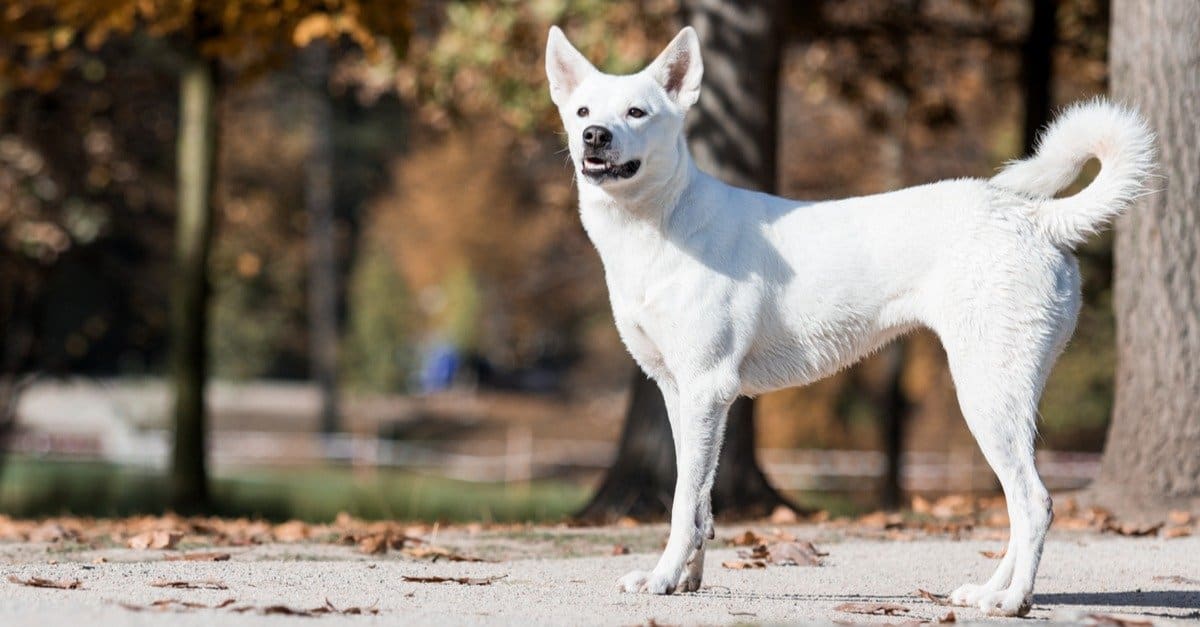
  • Medium-sized, lean and athletic build
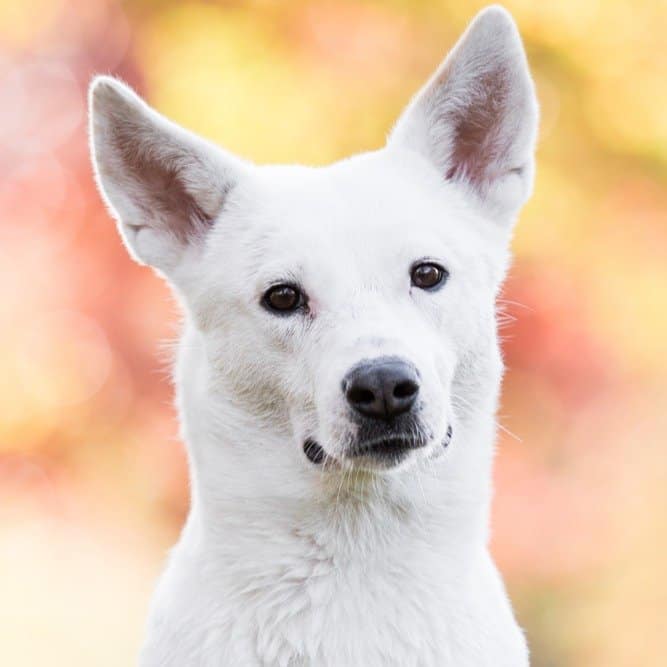
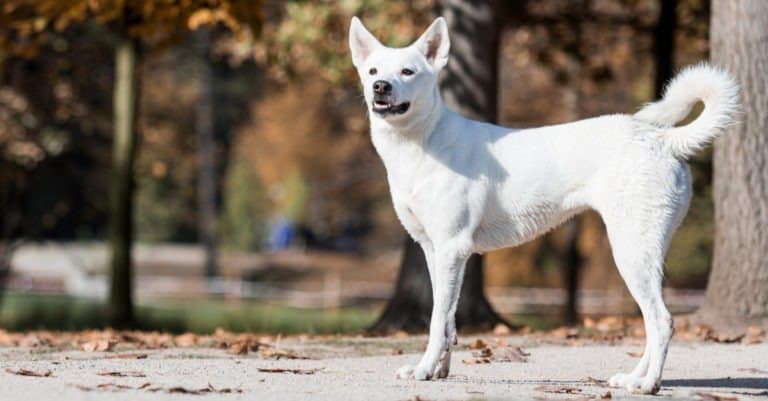
  • Wedge-shaped head with erect, triangular ears
  • Dense double coat; common colors include sand, red, black, and white, often with masking or patterns
  • Bushy tail typically carried curled over the back
  • General 'pariah/spitz-type' appearance and high alertness

Physical Measurements

Males and females differ in size

Height
1 ft 10 in (1 ft 8 in – 1 ft 12 in)
1 ft 9 in (1 ft 8 in – 1 ft 10 in)
Length
3 ft (2 ft 7 in – 3 ft 5 in)
Weight
49 lbs (40 lbs – 55 lbs)
42 lbs (35 lbs – 51 lbs)
Tail Length
12 in (10 in – 1 ft 2 in)
Top Speed
28 mph
athletic, agile trotter

Appearance

Primary Colors
Secondary Colors
Skin Type Canaan Dog has a harsh, weather-resistant double coat (straight outer coat and dense undercoat). Seasonal "blowing coat" shedding is common. Skin is usually hardy but can get dry or irritated.
Distinctive Features
  • Canaan Dog (Canis lupus familiaris): domestic breed from Levant pariah dogs; smaller than wolves, compact spitz-like body, more coat color variety, and typical domestic traits like social behavior toward people.
  • Spitz/pariah morphology: wedge-shaped head, erect triangular ears, almond-shaped dark eyes, and a high-set tail carried curled over the back.
  • Medium, balanced, athletic frame built for endurance in hot/dry climates; agile with efficient, ground-covering trot.
  • Double coat adapted to temperature extremes; moderate grooming most of the year with heavy seasonal shedding requiring frequent brushing.
  • Behavioral/temperament tendencies often described for primitive breeds: very alert, independent problem-solver, sensitive to harsh handling, typically reserved/wary with strangers and strongly territorial/guarding of home; early socialization is critical to prevent excessive suspicion or reactivity.
  • Care requirements: secure fencing and supervised off-leash time (can be escapists and environmentally driven); daily mental stimulation (scent work, training games) plus moderate exercise; best with reward-based training and clear boundaries.
  • Generally hardy but watch for hip dysplasia, patellar luxation, inherited eye disease (progressive retinal atrophy), and sometimes hypothyroidism or seizures. Use reputable breeder testing (hips/eyes), keep lean weight, and do regular dental and parasite care.
  • Unlike the Basenji, the Canaan Dog usually barks, is larger, and has a rough double coat. Unlike the Carolina Dog, it comes from Levant/Israel landrace origins and a Middle Eastern pariah dog breed standard.

Sexual Dimorphism

Males are typically larger and more robust than females, with heavier bone and a broader head/neck; females are usually finer-boned and slightly more lightly built while keeping the same spitz/pariah outline.

  • Slightly taller/heavier overall; more substantial chest and neck ruff appearance when in full coat.
  • Broader skull and more pronounced stop/wedge head; heavier forequarters.
  • Slightly smaller and more refined outline; lighter bone and narrower head.
  • Often a more streamlined silhouette while retaining erect ears and curled tail carriage.

Did You Know?

The Canaan Dog was standardized in the 1930s-40s from Middle Eastern pariah (semi-feral) village dogs in the Levant.

It's often considered a "primitive-type" breed: many behaviors resemble free-ranging dogs-wary, watchful, and self-directed.

The breed's erect ears, wedge-shaped head, and curled tail reflect classic spitz/pariah morphology suited to open, arid terrain.

Canaan Dogs were trained as guard and service dogs in pre-state Israel; they were used for tasks like sentry work and message carrying.

Their double coat is seasonal-many "blow coat" heavily once or twice a year rather than shedding evenly year-round.

They're known for strong territory awareness and can be excellent natural alarm dogs without being universally aggressive.

Despite the ancient type, the modern Canaan Dog is a domestic breed (Canis lupus familiaris) with established kennel-club standards.

Unique Adaptations

  • Pariah-dog hardiness: selected from free-ranging ancestors, many lines show robust constitutions and efficient metabolism compared with some modern, highly specialized breeds.
  • Climate-ready coat: a dense undercoat insulates against cool desert nights; harsher outer coat helps repel dirt and light rain.
  • Efficient movement: moderate angulation and balanced frame support endurance trotting-useful for roaming and guarding.
  • Keen sensory vigilance: bred (naturally and by human use) to notice subtle environmental changes-valuable for watchdog work.
  • Low "biddability" but high trainability: they learn quickly yet often require motivation and variety-an adaptation to self-reliant survival.

Interesting Behaviors

  • Natural "perimeter checking": they often patrol yard boundaries and repeatedly scan for changes or strangers.
  • Reserved introductions: many prefer to observe new people first, then approach once they decide the situation is safe.
  • High alertness and quick learning-especially with reward-based training-but they may ignore repetitive drills they find pointless.
  • Strong startle-and-recover pattern: fast reaction to sudden stimuli, then rapid reassessment once they identify it.
  • Vocal and visual signaling: barking as an alarm, plus upright posture and intense staring when assessing threats.
  • Problem-solving independence: may test gates, latches, or routines if bored or under-exercised.
  • Pack/family loyalty: tends to bond closely with household members and may shadow a trusted person.

Cultural Significance

The Canaan Dog (Canis lupus familiaris) comes from the Levant, especially Israel. Bred from local village dogs, it is seen as Israel's national dog and stands for strength and a long history of living and working with people.

Myths & Legends

"Dogs of Canaan" naming tradition: the breed name echoes the ancient term for the region (the Land of Canaan), linking the modern standardized dog to a storied landscape referenced in biblical and historical texts.

Origin story of standardization: widely repeated breed history credits canine scientist Rudolphina Menzel with selecting and training local pariah dogs in Mandatory Palestine, shaping them into a consistent domestic breed type.

Bedouin camp association: longstanding regional anecdotes describe similar pariah-type dogs living on the outskirts of Bedouin encampments-tolerated as perimeter sentries and scavengers, neither fully wild nor fully owned.

War-era service anecdotes: accounts from the 1930s-40s describe Canaan Dogs being trained for guarding and communication tasks, reinforcing the breed's legend as a capable, adaptable working dog of the region.

"Desert survivor" reputation: a common cultural portrayal frames the Canaan as a hardy dog molded by harsh terrain and scarce resources-an identity story that continues in modern breed literature and clubs.

Conservation Status

NE Not Evaluated

Has not yet been evaluated against the criteria.

Population Stable

Life Cycle

Birth 5 pups
Lifespan 6 years

Lifespan

In the Wild
3–10 years
In Captivity
10–17 years

Reproduction

Mating System Polygynandry
Social Structure Managed Domestic
Breeding Pattern Serial
Fertilization Managed Selective
Birth Type Internal_fertilization

Canis lupus familiaris can mate with multiple partners (polygynandry); litters may have mixed fathers. The Canaan Dog, though a primitive-type pariah breed, is usually human-bred with planned, temporary pairings and selective mate choice.

Behavior & Ecology

Social Pack Group: 4
Activity Diurnal, Crepuscular, Cathemeral
Diet Omnivore Meat- and organ-based foods (e.g., lamb/chicken, liver) with moderate fat; many individuals are highly food-motivated but can be selective if overfed treats.

Temperament

Alert, vigilant guardian; quick to sound an alarm (breed-typical distinguishing trait vs many modern companion breeds)
Reserved with strangers; loyal to family; benefits from extensive early socialization to avoid persistent wariness
Intelligent, trainable, and independent/primitive-type problem solver; responds best to consistent, reward-based training rather than harsh corrections
High territorial awareness and boundary sensitivity; may be selective with unfamiliar dogs (especially same-sex), improved with gradual introductions
Moderate-to-high activity needs; thrives with structured work (tracking/nose work, agility, herding-style games) and mental enrichment
Potential separation-related distress if under-enriched; prefers routine and clear expectations
Health context (breed-specific): generally hardy, but monitor for hip dysplasia, patellar issues, and endocrine/autoimmune concerns such as hypothyroidism; maintain lean body condition and regular veterinary screening
Care requirements (breed-specific): double coat with seasonal shedding; routine brushing (more during shed), secure fencing due to roaming/alerting tendencies, and ongoing social exposure to people/dogs/places

Communication

Sharp alarm barking in response to novel stimuli Breed-typical
Growls and low rumbles during boundary-setting with strangers or unfamiliar dogs
Whines/whimpers for attention, frustration, or anticipatory arousal
Play vocalizations (short barks) during familiar social play
Body postures emphasizing distance management: standing tall, forward weight shift, or turning sideways to assess
Ears and tail signaling: erect ears and high/curled tail during alert; lowered tail/averted gaze when uncertain
Scent investigation and marking; strong use of olfactory information in new environments
Pacing/perimeter checking as a territorial monitoring behavior, especially in yards/home
Mouth/teeth displays as warning when thresholds are exceeded; improved by early counterconditioning and controlled exposures

Habitat

Biomes:
Desert Hot Mediterranean Temperate Grassland Temperate Forest Boreal Forest (Taiga) Tundra Alpine Wetland Freshwater Savanna Tropical Dry Forest Marine +6
Terrain:
Plains Hilly Rocky Sandy Coastal
Elevation: Up to 16404 ft 3 in

Ecological Role

Human-associated omnivorous mesopredator-scavenger (domestic companion/guardian); in free-ranging contexts can function as a local predator of small vertebrates and an opportunistic scavenger.

pest suppression via predation on rodents scavenging/cleanup of animal remains and human food waste (in free-ranging settings) guarding/alerting reduces human-wildlife conflict around homes and livestock cultural/historic role as a Levantine pariah-derived landrace standardized into a modern breed

Diet Details

Main Prey:
Small mammals Birds Reptiles Invertebrates Carrion
Other Foods:
Wild fruits Seeds and grains Tubers and roots Grasses Human-associated plant foods

Human Interaction

Domestication Status

Domesticated

Canaan Dog (Canis lupus familiaris): Domestic dogs come from wolves and were shaped by people. The Canaan Dog formed in the 20th century from Middle Eastern pariah village dogs of the Levant. An ancient landrace-derived breed, it keeps primitive traits: watchful, wary of new things, lean, uses food efficiently, strong scavenging drive, and is more independent than eager to please.

Danger Level

Low
  • Defensive/fear-based biting if poorly socialized or handled harshly; tends to be wary of strangers.
  • Potential dog-dog conflict, especially with same-sex dogs or in tight spaces, which can indirectly risk human injury during separation attempts.
  • Strong prey drive may lead to chasing/snarling at small animals; accidental nips can occur during arousal.
  • Like any dog, can cause scratches/knocks from jumping or leash pulling if not trained.

As a Pet

Suitable as Pet

Legality: Generally legal to own as a domestic dog breed in most jurisdictions. Subject to standard dog ownership rules (licensing, leash laws, rabies vaccination). Not typically subject to breed-specific bans; any restrictions would usually be local and uncommon.

Care Level: Experienced

Purchase Cost: $1,200 - $3,500
Lifetime Cost: $18,000 - $45,000

Economic Value

Uses:
Companion animal Working/sport dog Breeding (purebred) Training/behavior services Pet supplies and veterinary care economy
Products:
  • companion/pet ownership value (household companionship)
  • show breeding and conformation participation
  • performance activities (agility, obedience, rally, scent work)
  • specialized training services (socialization, reactivity management)
  • veterinary services (preventive care, dentistry, orthopedics if needed)

Relationships

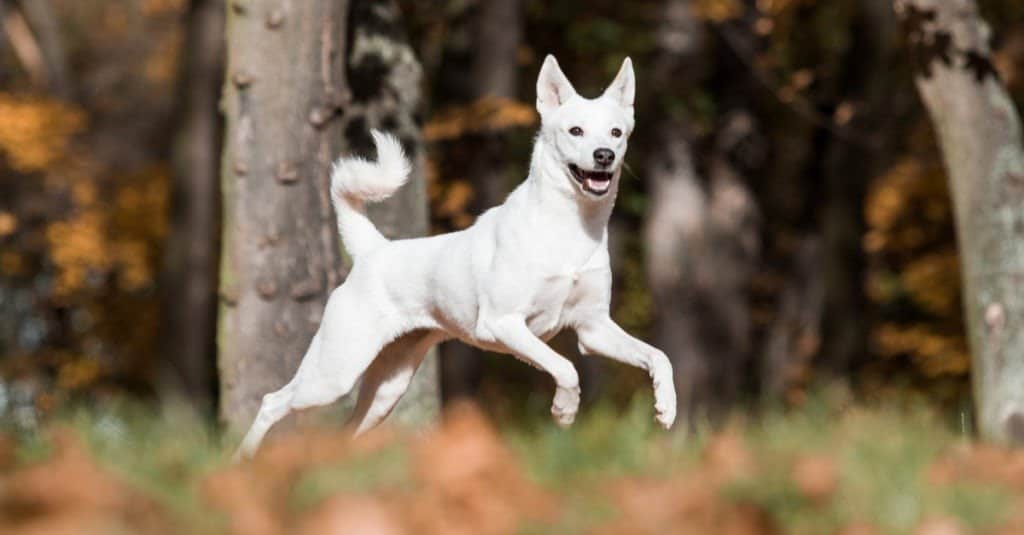
The Canaan is one of the oldest breeds recognized by the American Kennel Club. Physically, this breed is characterized by erect ears, a wedge-shaped head, long legs, and a bushy tail that curves over the back. The double coat of fur, which consists of a harsh outer coat and soft undercoat, is normally a solid black/brown color or a white baseline with large markings of brown, back, or red. A mask or hood of contrasting colors is accepted as well.

Canaan dogs are attentive, excitable, loyal, and friendly. They’re adored by their families for their excellent attitudes and their low-maintenance lifestyle. If you’re looking for a sweet pet that’s easy to train and loves to play, this is an excellent choice.

Origin of the Canaan Dog

Evidence for the Canaan’s ancient origins has been revealed in archaeological digs. The ancient Ashkelon dog cemetery in Israel, with origins dating back more than 2,000 years, contains skeletons of more than 700 dogs similar to the modern Canaan.

Its intended purpose for many centuries was to protect and herd livestock, but at some point in the distant past (possibly with the start of the Jewish Diaspora), it reverted to a wild type of dog. It wasn’t until the early 20th century that people began to breed and develop the Canaan for an accepted standard. During wartime, the Canaan found a role as a messenger, sentry, and locator of landmines. It was officially recognized by the American Kennel Club in 1997.

Some people believe that the first dogs may have been incredibly similar to this breed. Today, these energetic and fun-loving pups have been placed by breeders into family homes across the globe.
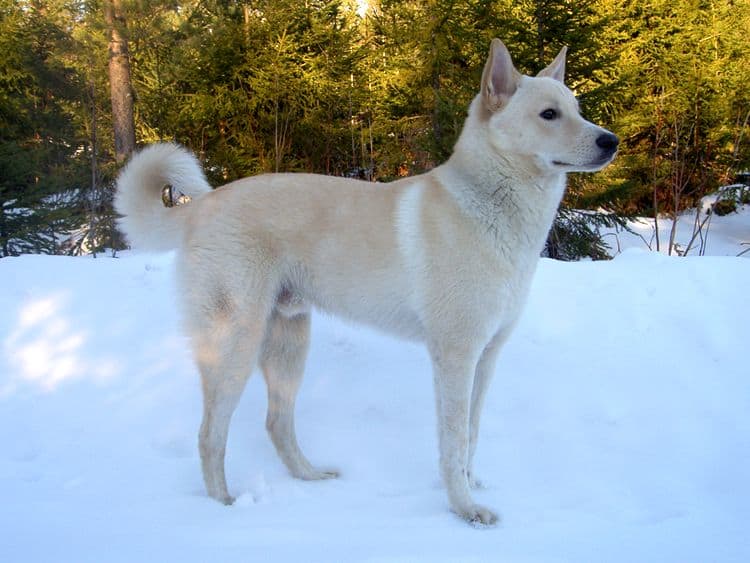
Canaan dog in snow

Canaan dogs pay attention to everything, making them great watchdogs.

3 Pros and Cons of Owning a Canaan Dog

Pros!Cons!
Loves to exercise! Canaan dogs are energetic and love to do nearly every kind of outdoor activity. You can take yours running, hiking, hunting, or even just out for a walk by the lake.Strong prey drive. In the wild, these dogs’ prey drive is necessary for survival. In a domestic environment, it can result in occasional aggression against other animals. Make sure to supervise your dog when they are around pets they do not know.
Alert and excited! These dogs pay attention to everything, which makes them great watchdogs. Yours will bark at intruders, but they won’t attack, making them a great choice for suburban home protection.Digging and chewing. Canaan dogs love to dig in the garden and chew on toys, especially if they don’t get enough exercise. Keep your pet entertained to make sure they don’t engage in destructive behaviors.
Low maintenance! Canaan dogs have short coats that require very little maintenance. If you’re looking for a pet with low shedding who doesn’t need to go to the groomer, the Canaan dog is a good choice.Likes to talk. These dogs are a vocal breed. Although they can be taught not to bark excessively, they may still be noisier than some owners prefer.

Canaans have an amazing degree of stamina and sturdiness. Before being re-domesticated they survived in the desert on their own.

Size and Weight

Canaan dogs are medium-sized pariah dogs with skinny torsos, short fur, and curly tails. The average weight for a male is around 45 to 55 pounds, and they tend to stand around 20 to 24 inches at the shoulder. Although females tend to be as tall as their male counterparts, they are significantly slimmer and can weigh as little as 35 pounds.

Common Health Issues

Canaan dogs are incredibly healthy and do not have any breed-specific issues. However, like other dogs, they may be susceptible to hip and elbow dysplasia. Sometimes this dog variety experiences hypothyroidism, which can cause lethargy, random weight gain, and other metabolism-related symptoms. Finally, these dogs have occasionally been known to suffer from epilepsy. In short, the conditions that you should ask your vet to check your family pet for include:

  • Joint dysplasia
  • Hypothyroidism
  • Epilepsy
  • Cancer
canaan puppy

Canaans have loving personalities and get very attached to their families.

Temperament and Behavior

Canaan dogs are energetic, attentive, and intelligent pets with a playful streak that makes them a great choice for active families. Most of this breed exhibits extremely loving personality traits and is very attached to their families. In fact, these dogs will go out of their way to keep everyone together in the same room so that the dog can spend time with them. This behavior likely stems from the Canaan dog’s herding nature.

Although they do well inside the house, Canaan dogs thrive when they are taken outside to play. These pups have attentive temperaments and love to explore the world with their owner at their side. Try taking your pet out for a long run; you’ll get tired long before they do.

How to Take Care of a Canaan Dog

Canaan dogs don’t need nearly as much hands-on attention as other pets. However, because this breed was wild until recently, they may need direct leadership and regular training to make sure they understand their responsibilities as family pets. The Canaan is probably a better choice for experienced dog owners than beginners. While generally friendly and affectionate, they are not designed for the casual dog owner who wants a simple companion. They have unique personality quirks. Fortunately, the Canaan is surprisingly adaptable to a large variety of different living conditions, from small apartments to large farms. As puppies, they are sweet, loving, and eager to learn. No matter what age you start training, your dog will be ready to pick up lessons as quickly as possible.

The Best Dog Food for Canaan Dogs

Canaan dogs are energetic pups that burn a lot of calories for their size. Feed your pet a varied diet full of protein, fats, healthy carbs, and plenty of vegetables. These dogs love homemade food, but you can also feed them dog food with a protein-heavy nutrient breakdown. Make sure to check with your vet to confirm that your family’s pet is getting everything they need to thrive.
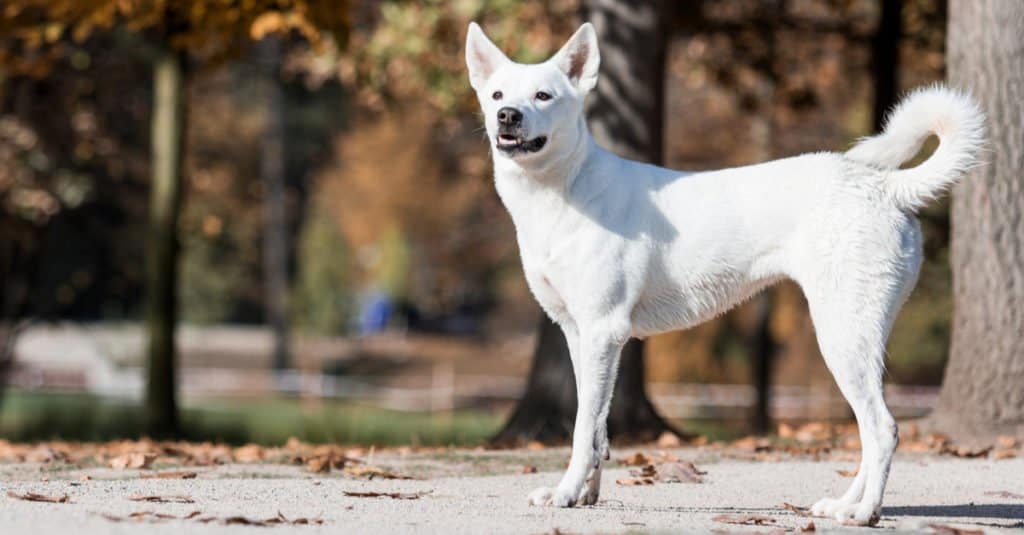
canaan dog on street

Canaan dogs are low-maintenance and easy to groom.

Maintenance and Grooming

Canaans have short coats that require very little maintenance. Expect minimal shedding and almost no trips to the groomer. Because these dogs are native to the desert, they have coats that naturally tend to reflect dirt, moisture, and other natural elements. To keep your dog clean, brush them and wipe them off with a damp towel once or twice a week. Bathe your pet once a month, and remember to trim their nails.

Training

Canaan dogs love to learn and are surprisingly easy to train. You can start working with your new puppy as soon as it gets home from the breeder. Remember to establish yourself as a strong leader as quickly as possible; these dogs are pack animals, and they will attempt to assert dominance if they feel that the family isn’t being taken care of.

Exercise

Canaans are incredibly energetic and need to exercise for several hours a day. These pups do best in houses with a yard or another area where they can run around to let off steam. Otherwise, try taking your pet for at least two 40-minute walks on a daily basis. If your dog doesn’t get enough exercise, you can expect behavioral issues like digging, chewing, and excessive barking.
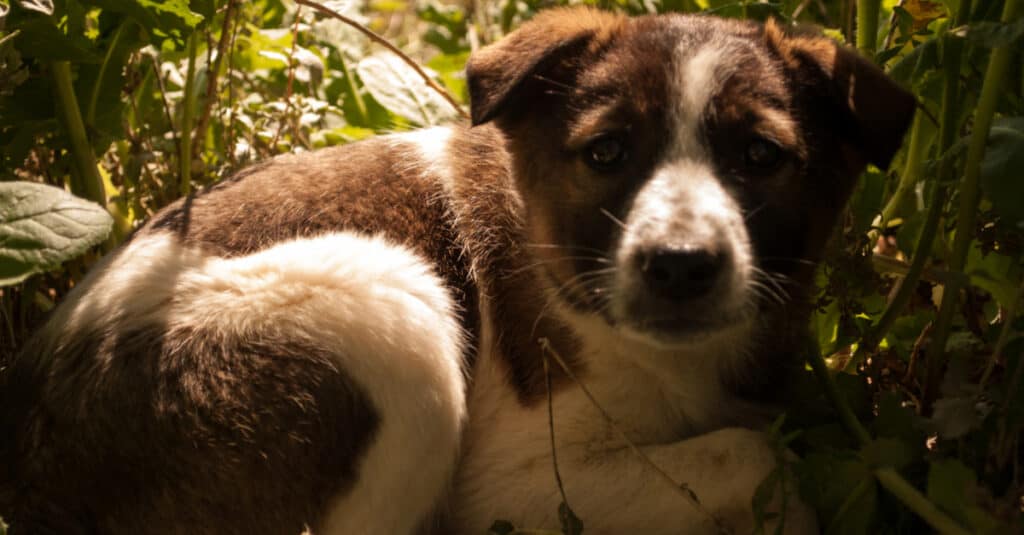
Canaan puppy in the bushes

Canaan puppies are sweet and easy to train.

Puppies

As puppies, Canaans are sweet and easy to train. Because they are incredibly social animals, Canaan puppies will not do well if left alone for extended periods. For best results, a member of the family should be around the puppy at all times until they are fully grown.

Canaan Dogs and Children

Canaan dogs are sweet and loving animals that get along quite well with children. Because they are herding dogs, these dogs are great at protecting members of their families. Although they are capable of being gentle with kids, these dogs may be slightly too pushy to interact with very small children when they are unsupervised. Remember to give your dog plenty of exercise to help them maintain a relaxed and positive demeanor.

Dogs Similar to Canaan Dogs

The Canaan dog is a rare breed that isn’t quite like any other dog in the world. However, because these are herding dogs, you may have a similar experience adopting another herding dog as a pet. Some options to consider are Collies, Australian Cattle Dogs, and German Shepherds.

  • Collie — Collies are sweet and lovable herding dogs with long, fluffy coats. Some collies have been bred to be pets instead of working dogs, resulting in a calmer and more family-friendly personality.
  • Australian Cattle Dog — The Australian Cattle Dog is a loyal and hardworking companion. These dogs are great with families and love to spend time outside.
  • German Shepherd — German shepherds are energetic, loving, and intelligent. Although they need a lot of exercise, German shepherds make a great addition to any household.

Famous Canaan Dogs

The most famous living Canaan dog is Zik, the personal pet of dog breeding expert Myrna Shiboleth. Zik and his owner have campaigned across the world in an attempt to revive the dog breed; many of the pups that Shiboleth places in various homes are directly related to her sweet, intelligent, and loving companion.

View all 392 animals that start with C

Sources

  1. Dogtime / Accessed February 3, 2021
  2. akc / Accessed February 3, 2021
  3. yourpurebredpuppy / Accessed February 3, 2021
  4. wikipedia / Accessed February 3, 2021
  5. britannica / Accessed February 3, 2021
  6. pethealthnetwork / Accessed February 3, 2021
  7. petfinder / Accessed February 3, 2021
Lisha Pace

About the Author

Lisha Pace

After a career of working to provide opportunities for local communities to experience and create art, I am enjoying having time to write about two of my favorite things - nature and animals. Half of my life is spent outdoors, usually with my husband and sweet little fourteen year old dog. We love to take walks by the lake and take photos of the animals we meet including: otters, ospreys, Canadian geese, ducks and nesting bald eagles. I also enjoy reading, discovering books to add to my library, collecting and playing vinyl, and listening to my son's music.

Thank you for reading! Have some feedback for us?


Canaan Dog FAQs (Frequently Asked Questions)

Buying a Canaan dog from a breeder costs between $700 to $1,200. Depending on where the dog was bred, you may also need to pay transportation costs. Luckily, Canaan dogs fit in well with family life and do not incur expenses outside of the traditional cost of keeping an animal.