


















C
Species Profile

Cat

Felis catus

Small hunter, big household legend

Cat Distribution

Click a location to explore more animals from that region

Invasive Species
Origin Location

This map shows the native origin of the Cat. As a domesticated species, they are now found worldwide.

Loading map...

Size Comparison

Human 5'8"
Cat 9 in

Cat stands at 14% of average human height.

Attribution not found

At a Glance

Domesticated
Also Known As House cat, Housecat, Kitty, Pussycat, Puss, Tomcat, Alley cat, Moggy
Diet Carnivore
Activity Crepuscular+
Lifespan 3 years
Weight 7 lbs
Status Not Evaluated
Did You Know?

Chromosomes: 2n = 38 (19 pairs), like most felids.

Scientific Classification

The domestic cat is a small felid domesticated from wildcat lineages and now widespread worldwide as a companion animal and commensal predator of small animals.

Kingdom
Animalia
Phylum
Chordata
Class
Mammalia
Order
Carnivora
Family
Felidae
Genus
Felis
Species
Felis catus

Distinguishing Features

  • Small, agile felid with retractile claws and strong predatory behavior
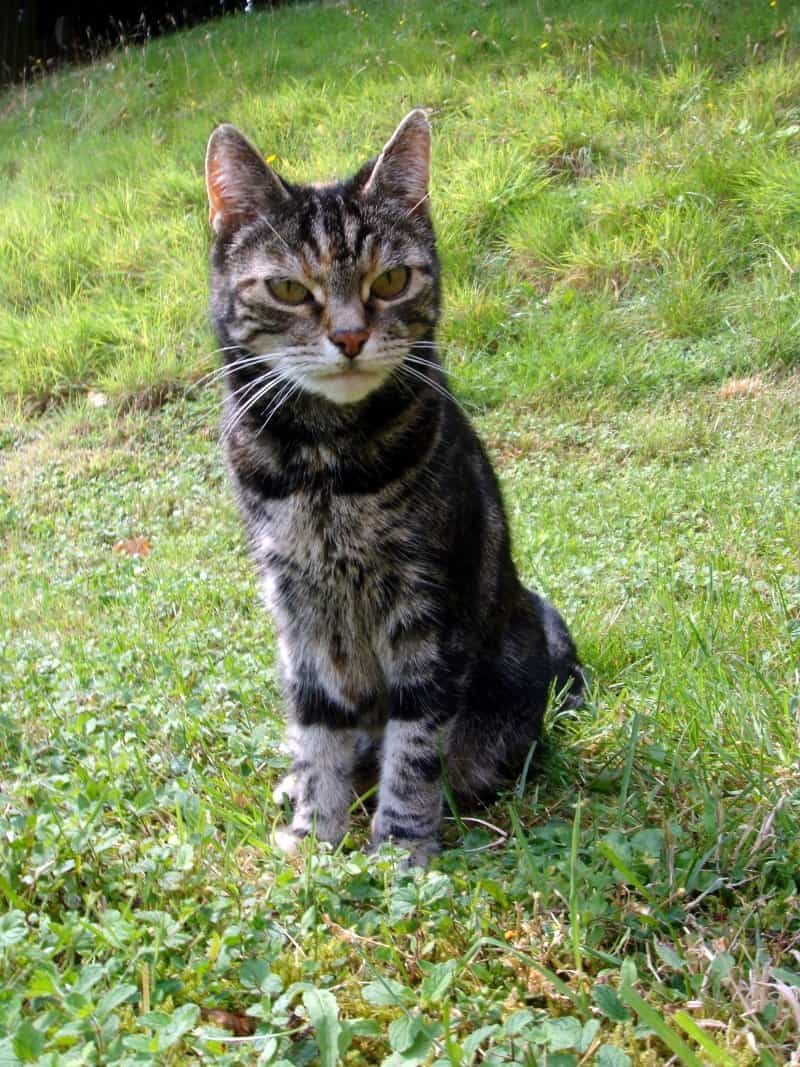
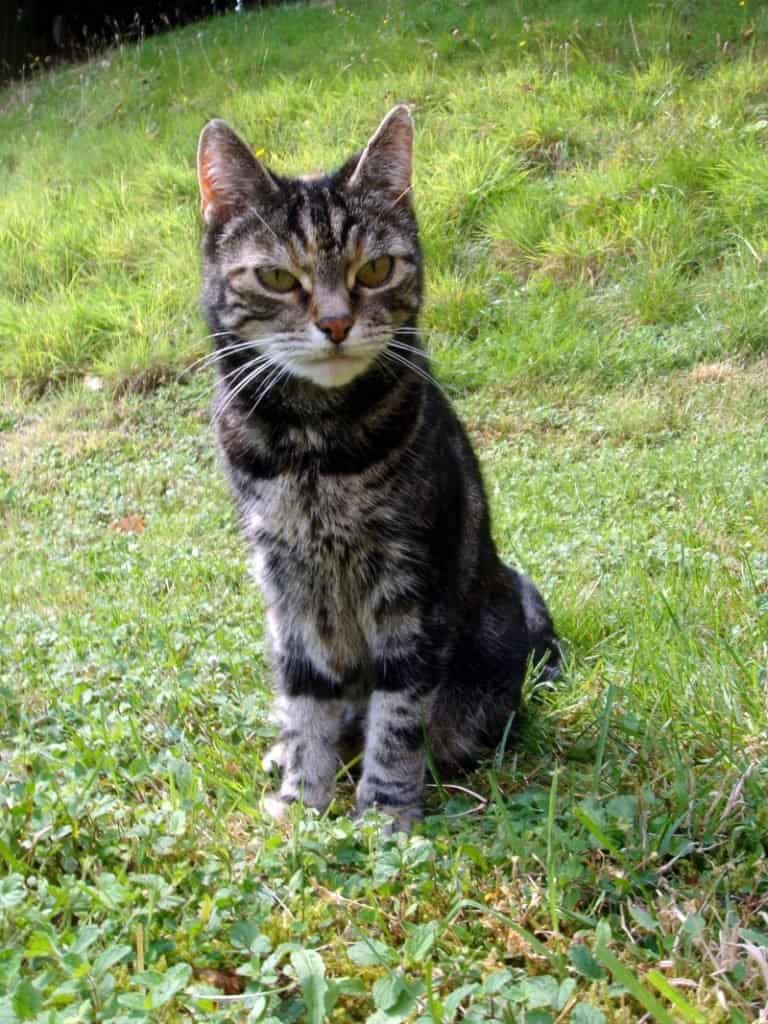
  • Highly variable coat colors/patterns due to domestication
  • Typically solitary hunter with crepuscular activity patterns
  • Distinctive facial vibrissae (whiskers) and keen night vision

Physical Measurements

Males and females differ in size

Height
9 in (9 in – 10 in)
9 in (8 in – 10 in)
Length
2 ft 6 in (2 ft 4 in – 2 ft 8 in)
1 ft 6 in (1 ft 4 in – 1 ft 8 in)
Weight
10 lbs (8 lbs – 12 lbs)
8 lbs (6 lbs – 12 lbs)
Tail Length
11 in (10 in – 12 in)
10 in (8 in – 12 in)
Top Speed
30 mph
Domestic cat: reported 48 km/h

Appearance

Primary Colors
Secondary Colors
Skin Type Skin with fur (guard hairs, undercoat); coat thickness changes seasonally. Retractable keratin claws on all toes. Large vibrissae (whiskers) for touch. Dental formula I3/3 C1/1 P3/2 M1/1 = 30 teeth, carnassials for shearing.
Distinctive Features
  • Small felid companion animal with very wide size variation under domestication; typical adult mass reported as 2.5-7.0 kg and head-body length ~46 cm (Animal Diversity Web, Felis catus).
  • Tail length commonly ~30 cm; flexible spine and digitigrade stance aid sprinting and jumping (ADW species account summarizes typical dimensions).
  • Retractile claws and powerful forelimb flexors for prey capture and climbing; claws are usually protracted during hunting and climbing, retracted during quiet locomotion to preserve sharpness.
  • Large eyes with vertical slit pupils; strong low-light vision adapted to crepuscular activity patterns.
  • Obligate carnivore physiology: requires dietary taurine, preformed vitamin A, and arachidonic acid; gastrointestinal tract and dentition adapted for animal-based diets (core felid trait expressed in domestic cats).
  • Hunting behavior persists in companion and feral contexts: stalk-pounce-bite sequence targeting small vertebrates and large insects; predation often occurs even when well-fed (behavioral drive rather than hunger alone).
  • Vocal and social plasticity under domestication: meowing commonly directed toward humans; purring used in affiliative contexts and sometimes in distress; social tolerance can be high around food/human resources, though cats remain primarily solitary hunters.
  • Feral/free-ranging ecology: forms loose colonies near reliable food sources; individuals maintain overlapping home ranges and communicate via scent marking (urine spraying, cheek rubbing) and scratching.
  • Longevity: typical pet lifespan commonly cited around 12-18 years; maximum recorded longevity exceeds 30 years, with a well-documented record at 38 years (Creme Puff, 1967-2005; Guinness World Records).
  • Domesticated and free-ranging Felis catus live worldwide and can harm wildlife by killing birds, small mammals, reptiles, and amphibians, especially where people feed or shelter cats.

Sexual Dimorphism

Sexual dimorphism is generally mild in domestic cats but consistent: males average larger body size, broader head/neck musculature, and may have more prominent jowls when intact; females are typically smaller and more gracile. Degree varies by population, nutrition, neuter status, and local ancestry.

  • Typically heavier and larger-framed than females (often ~10-20% heavier in many populations; magnitude varies by study and husbandry).
  • Intact males often show broader heads/cheeks (androgen-influenced), thicker neck musculature, and more frequent scent-marking behaviors (spraying).
  • Typically smaller body mass and finer head/neck proportions than males in the same population.
  • Females more commonly express tortoiseshell/calico mosaic coats due to X-linked orange coloration genetics (phenotypic sex association rather than size dimorphism).

Did You Know?

Chromosomes: 2n = 38 (19 pairs), like most felids.

Dental formula: 3/3, 1/1, 3/2, 1/1 = 30 adult teeth (carnassials specialized for shearing meat).

Gestation is typically 63-65 days; litters commonly 3-5 kittens (ranges vary).

Hearing extends into ultrasound: up to ~64 kHz (human upper limit ~20 kHz), aiding detection of rodent calls.

Top sprint speed is about 48 km/h over short distances; endurance is low (ambush predator design).

Normal body temperature is ~38.1-39.2 °C; resting heart rate commonly ~140-220 bpm (veterinary reference ranges).

Oldest reliably documented cat lived 38 years (Creme Puff, 1967-2005; Guinness World Records).

Unique Adaptations

  • Obligate carnivore physiology: requires preformed nutrients from animal tissue (notably taurine; also dietary vitamin A and arachidonic acid), reflecting felid-wide metabolic specialization.
  • Retractile claws (Felidae trait): claws are protected when not in use, staying sharp for climbing, gripping prey, and defense.
  • Highly flexible spine and powerful hindlimbs: enables rapid acceleration and agile leaps; typical jump height is often reported around 5-6× body height in athletic individuals (varies by condition).
  • Tapetum lucidum: reflective layer behind the retina improves low-light sensitivity (at the cost of reduced fine detail vs. bright-light specialists).
  • Vibrissae (whiskers): specialized tactile hairs that detect air currents and contact; aid navigation in darkness and precise prey handling.
  • Barbed tongue papillae: backward-facing keratin spines help rasp meat and groom efficiently by trapping loose hair and debris.
  • Righting reflex: rapid vestibular-spinal coordination allows many cats to reorient mid-air to land feet-first (height and surface affect success).
  • Silent stalking toolkit: padded paws, controlled step placement, and sensitive hearing support ambush predation on small animals-traits shared across many small felids.

Interesting Behaviors

  • Crepuscular activity pattern: many cats show peak activity at dawn/dusk, aligning with small-mammal prey movement.
  • Purring (typically ~25-150 Hz): produced during exhalation and inhalation; occurs in contentment, stress, pain, and nursing contexts.
  • Kneading: rhythmic forepaw pressing often linked to kitten nursing behavior; commonly seen during relaxation on soft surfaces or people.
  • Scent communication: facial rubbing deposits pheromone-rich secretions (cheeks, lips, chin); urine spraying and scratching add territorial signals.
  • Chattering/chirping at birds: rapid jaw movements and vocalizations during prey arousal/frustration; often paired with tail twitching.
  • Social flexibility: can live solitary, in loose colonies (feral), or in multi-cat households; affiliative behaviors include allogrooming and nose-touch greetings.
  • Play-hunting in juveniles and adults: stalking, pouncing, and "bunny-kicking" practice motor patterns used in real predation.
  • Homing/orientation: many cats navigate effectively over familiar territories using landmarks and possibly geomagnetic cues (mechanisms still studied).

Cultural Significance

Domestic cat (Felis catus) lives worldwide except Antarctica. Long seen as pest controllers, cats were sacred in ancient Egypt (Bastet) and linked to witchcraft in Europe. Today they feature in global culture and cause wildlife conservation concerns.

Myths & Legends

Ancient Egypt: Bastet, a goddess of home, fertility, and protection, was commonly depicted with a cat's head; cats were honored as guardians against snakes and chaos.

Norse tradition: the goddess Freyja is said to ride in a chariot drawn by cats, linking cats to love, prosperity, and domestic abundance.

Japan: supernatural "monster cats" and "fork-tailed cats" are said to transform, walk upright, speak, or bring strange fortune or misfortune, especially as they grow old.

Japan: the "beckoning cat" is a folk charm said to attract customers and good luck, often displayed in shops and restaurants.

Scottish and Irish Highlands: a fairy cat is described as a large black cat with a white chest-sometimes blessing homes, sometimes stealing souls if not appeased.

Islamic tradition: popular stories about the Prophet Muhammad's fondness for cats are widely repeated in folklore and reinforce cultural respect for cats in many communities.

European maritime superstition: ship cats were believed to protect voyages by controlling vermin; black cats in particular were sometimes considered lucky aboard ships, though interpretations varied by region.

Medieval and early modern Europe: witches' familiars were often portrayed as cats, embedding the animal in enduring folklore about nocturnal power, omens, and magic.

Conservation Status

NE Not Evaluated

Has not yet been evaluated against the criteria.

Population Stable

Life Cycle

Birth 4 kittens
Lifespan 3 years

Lifespan

In the Wild
0.5–12 years
In Captivity
1–38 years

Reproduction

Mating System Polygynandry
Social Structure Managed Domestic
Breeding Pattern Transient
Fertilization Internal Fertilization
Birth Type Internal_fertilization

Domestic cat (Felis catus) mating is largely polygynandrous: both sexes mate with many partners. Females are seasonally polyestrous and induced ovulators. Mating is brief and often repeated; litters often show multiple paternity. Gestation ~63–65 days.

Behavior & Ecology

Social Colony Group: 6
Activity Crepuscular, Cathemeral
Diet Carnivore Small rodents-especially mice (Mus musculus), reflecting the ancestral felid prey size range (~20-50 g typical of many murid rodents).

Temperament

Facultatively social: ranges from highly affiliative/tolerant (especially in stable multi-cat homes or kin-based colonies) to strongly territorial/avoidant, depending on early socialization, density, and resource predictability (Bradshaw, 2013; Liberg et al., 2000).
Territorial tendencies are common (core-area defense, resource guarding), but overt aggression is often minimized via spacing, scent-marking, and ritualized displays; conflict probability increases with crowding and competition (Liberg et al., 2000).
Neophobia/neophilia varies widely among individuals; early-life socialization is a major driver of adult sociability toward humans and other cats (reviewed in Bradshaw, 2013).
Median lifespan of companion domestic cats (Felis catus) in a large UK study was 14.0 years; lifespan varies a lot with indoor vs free-roaming lifestyle, neuter status, and access to healthcare.

Communication

Meow Notably used in cat-human communication; acoustic structure differs from many cat-cat calls in domestic contexts; Nicastro & Owren, 2003/2004
Purr Affiliative contexts, solicitation, and sometimes distress/injury contexts; reviewed in Bradshaw, 2013
Hiss Defensive/agonistic signal
Growl Agonistic/defensive
Yowl/Howl High-intensity agonistic or reproductive contexts
Trill/Chirp Often affiliative greeting/attention-getting, especially toward familiar humans/cats
Chatter Predatory/frustration context, often when viewing prey
Olfactory/scent communication: urine spraying and latrine use; fecal marking; and glandular marking via cheek Facial) rubbing and flank rubbing-used to advertise occupancy, reproductive status, and familiarity (reviewed in Liberg et al., 2000; Bradshaw, 2013
Scratching Visual + scent marking from interdigital glands; also territory advertisement
Body postures and facial expressions: ear position, tail carriage, piloerection, crouch/arch, gaze aversion vs staring; ritualized threat displays reduce escalation Bradshaw, 2013
Tactile affiliation: allogrooming, nose-touching, and close-contact resting in affiliative dyads/kin groups; communal resting more common in stable groups Liberg et al., 2000
Slow blinking and relaxed facial posture Commonly observed affiliative/appeasement signaling in cat-human and cat-cat interactions; discussed in applied behavior literature

Habitat

Biomes:
Temperate Forest Temperate Grassland Mediterranean Temperate Rainforest Tropical Rainforest Tropical Dry Forest Savanna Desert Hot Desert Cold Boreal Forest (Taiga) Tundra Alpine Freshwater Wetland +8
Terrain:
Plains Hilly Mountainous Coastal Island Valley Plateau Riverine Rocky Sandy Muddy +5
Elevation: Up to 15748 ft

Ecological Role

Commensal/feral mesopredator and synanthropic predator of small vertebrates and invertebrates; can be a strong top-down pressure on local prey communities, especially on islands and in fragmented habitats.

Local suppression of some rodent pest populations around human settlements (context-dependent) Removal of small, weak, or diseased prey individuals (potentially influencing prey population structure) Acts as prey for larger predators in some ecosystems (e.g., coyotes, large raptors), contributing to food webs Can also function as a source of zoonotic risk and wildlife mortality (negative ecological impact rather than a service), influencing conservation outcomes

Diet Details

Main Prey:
House mouse Rats Voles Shrews Rabbit Small passerine birds Lizards Small snakes Frogs and toads Large insects and other invertebrates +4

Human Interaction

Domestication Status

Domesticated

The domestic cat (Felis catus) comes mainly from the Near Eastern wildcat (Felis silvestris lybica). People and cats were linked by about 9,500 years ago on Cyprus. Cats likely became tame by living near early farms to eat rodents, then spread with farming and trade across many regions.

Danger Level

Low
  • Bites and scratches causing puncture wounds and secondary bacterial infection (notably Pasteurella multocida), sometimes requiring medical care
  • Cat-scratch disease (Bartonella henselae) transmitted via scratches/fleas
  • Zoonotic parasites/pathogens associated with cats or their feces (e.g., Toxoplasma gondii exposure risk from handling litter/soil; greatest concern for pregnant or immunocompromised people)
  • Allergic disease triggered by cat allergens (e.g., Fel d 1), ranging from rhinitis to asthma exacerbation
  • Rare rabies risk depending on region and vaccination status; public health concern is primarily from unvaccinated/free-roaming cats in enzootic areas
  • Indirect injury risks (falls/trips) from underfoot behavior, especially in older adults

As a Pet

Suitable as Pet

Legality: Domestic cat (Felis catus) is generally legal as a pet worldwide and in all U.S. states. Local rules may require licenses, rabies shots, and have nuisance or animal welfare laws; some places limit numbers or ban declawing.

Care Level: Easy

Purchase Cost: Up to $3,000
Lifetime Cost: $12,000 - $30,000

Economic Value

Uses:
Companion animal industry (pet care, veterinary services, food, insurance) Pest control in agricultural/warehouse settings (working cats) Pedigreed breeding and showing Animal welfare and municipal services (shelters, TNR programs) Biomedical and behavioral research model (limited/regulated use)
Products:
  • Commercial cat food and treats
  • Veterinary services (vaccination, parasite control, dentistry, chronic disease management)
  • Spay/neuter services and microchipping
  • Pet supplies (litter, litter boxes, carriers, enrichment/toys, scratching posts)
  • Insurance and boarding/pet-sitting services

Relationships

Related Species 8

Wildcat
Wildcat Felis silvestris Shared Genus
African wildcat Felis lybica Shared Genus
Jungle cat Felis chaus Shared Genus
Sand cat
Sand cat Felis margarita Shared Genus
Black-footed cat Felis nigripes Shared Genus
Chinese mountain cat Felis bieti Shared Genus
Eurasian lynx
Eurasian lynx Lynx lynx Shared Family
Lion
Lion Panthera leo Shared Family

Cat Breeds

15

Explore 15 recognized breeds of cat

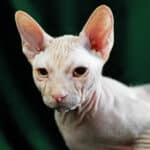
Hairless (1)

Hybrid Derived (1)

Hybrid Derived (spotted/rosetted) (1)

Bengal Origin: United States

Landrace/mixed Breed (longhair Type) (1)

Domestic Longhair Origin: Worldwide (non-standardized)

Landrace/mixed Breed (shorthair Type) (1)

Domestic Shorthair Origin: Worldwide (non-standardized)

Longhair (2)

Mutation Derived (ear Fold) (1)

Natural Breed (longhair) (2)

Natural Breed (shorthair) (1)

Natural Type (shorthair) (2)

Shorthair (2)

British Shorthair Origin: United Kingdom
Oriental Shorthair Origin: United Kingdom / United States

Cats (domestic cats) seem to date back to around ancient Egyptian times, when they were worshipped and heralded as sacred animals to the Gods in Egypt. The cat has since become an honored and valued member of family homes worldwide.

A cat’s senses are superior amongst the animal world, with exceptional sight, smell and taste, cats are able to subtly sneak up on, and catch their prey with immense success.

Despite the cats unbeatable night-vision, a cats eyesight during the day is actually not too dissimilar from humans! Due to this, cats are more nocturnal hunters looking for small rodents and birds.

The average domestic cat sleeps for around 18 hours a day and tends to spend their waking time hunting for food. Despite wild cats being solitary animals, the domestic cat is known to enjoy attention from humans and other animals and will often even get on well with some dogs.
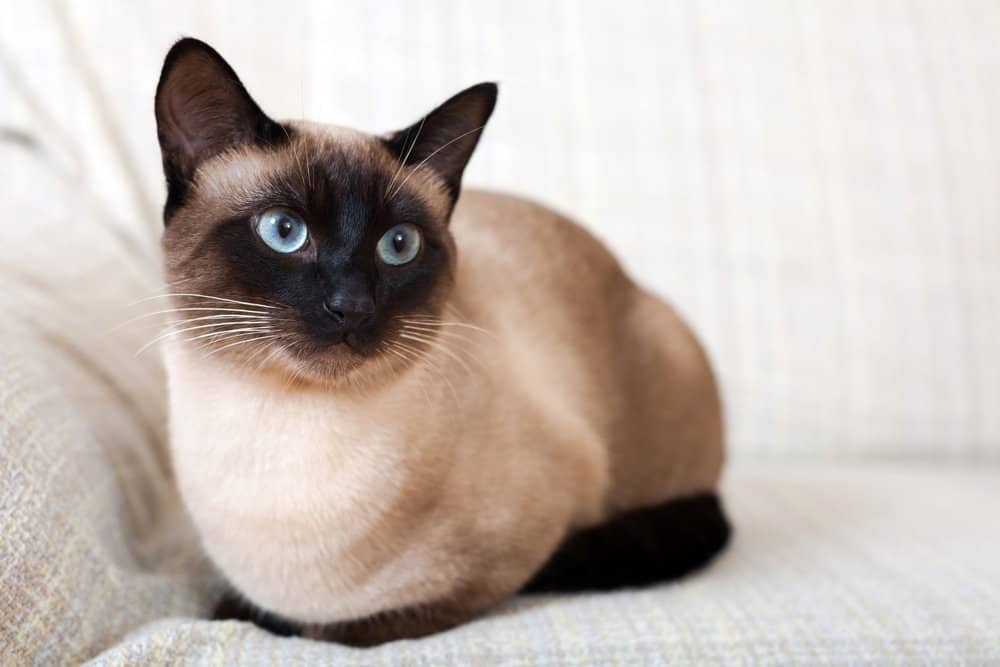
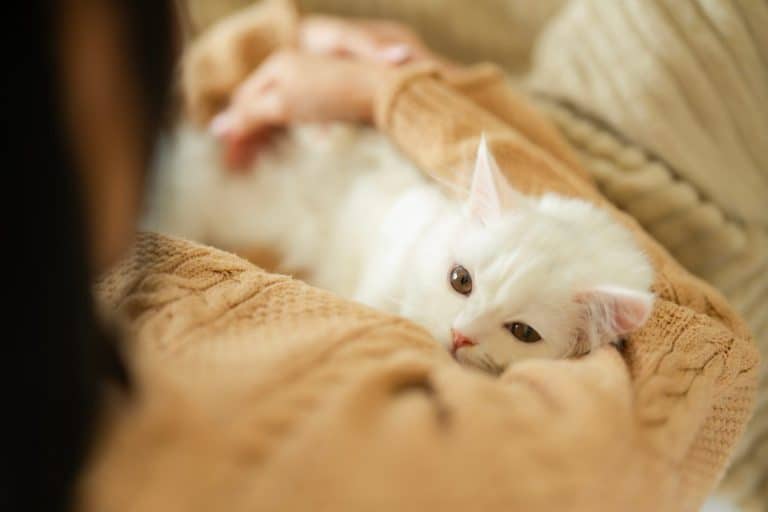
Siamese Cat (Felis catus) - cat on couch

Siamese Cat (Felis catus) – cat on couch

Cat Foot Facts

  • Cats have soft pads on the bottom of their paws to enable them to move smoothly and run quickly.
  • Cats have sharp claws to help the cat to grip when running and climbing trees.
  • Sharp claws and soft pads allow the cat to hold onto and grip its prey effectively.
  • The sharp claws of the cat are retractable which allows them to remain sharp as they avoid contact with the ground when it is not needed.
  • Cats are able to walk very precisely as they put their back paws in place of the front paws, helping to minimize noise and visible tracks.

Cat Teeth Facts

  • Cats have highly specialized teeth which allow them to both bite and tear meat apart.
  • The front set of teeth in the mouth of the cat are well developed and act efficiently to shear meat apart, like a pair of scissors.
  • Cats have tiny hooks or spikes on their tongue which helps the cat to get any remaining meat from bones.
  • The hooked tongue of the cat is very beneficial so that the cat is able to clean itself effectively.
  • The average adult cat has 30 teeth which include 12 incisors, 4 canines, 10 premolars and 4 molars.
View all 392 animals that start with C
How to say Cat in ...
Bulgarian
Котка
Catalan
Gat
German
Hauskatze
English
Domestic cat
Esperanto
Kato
Spanish
Gato doméstico
Estonian
Kassee
Finnish
Kesykissa
French
Chat domestique
Galician
gato
Hebrew
חתול
Croatian
Domaća mačka
Hungarian
Házimacska
Indonesian
Kucing
Italian
Gatto domestico
Japanese
ネコ (Neko)
Maltese
Qattus
Dutch
Huiskat
English
Huskatt
Polish
Kot domowy
Portuguese
Gato doméstico
English
pisică domestică
Swedish
Tamkatt
Turkish
Кedi
Vietnamese
mèo
Chinese

Sources

  1. David Burnie, Dorling Kindersley (2011) Animal, The Definitive Visual Guide To The World's Wildlife / Accessed November 10, 2008
  2. Tom Jackson, Lorenz Books (2007) The World Encyclopedia Of Animals / Accessed November 10, 2008
  3. David Burnie, Kingfisher (2011) The Kingfisher Animal Encyclopedia / Accessed November 10, 2008
  4. Richard Mackay, University of California Press (2009) The Atlas Of Endangered Species / Accessed November 10, 2008
  5. David Burnie, Dorling Kindersley (2008) Illustrated Encyclopedia Of Animals / Accessed November 10, 2008
  6. Dorling Kindersley (2006) Dorling Kindersley Encyclopedia Of Animals / Accessed November 10, 2008
  7. David W. Macdonald, Oxford University Press (2010) The Encyclopedia Of Mammals / Accessed November 10, 2008
A-Z Animals Staff

About the Author

A-Z Animals Staff

AZ Animals is a growing team of animals experts, researchers, farmers, conservationists, writers, editors, and -- of course -- pet owners who have come together to help you better understand the animal kingdom and how we interact.
Connect:

Thank you for reading! Have some feedback for us?


Cat FAQs (Frequently Asked Questions)

Cats and rattlesnakes do come into contact. If you believe your cat has been bitten by a rattlesnake, seek immediate veterinary care to administer antivenom and care for your cat.