

C
Species Profile

Chow Chow

Canis lupus familiaris

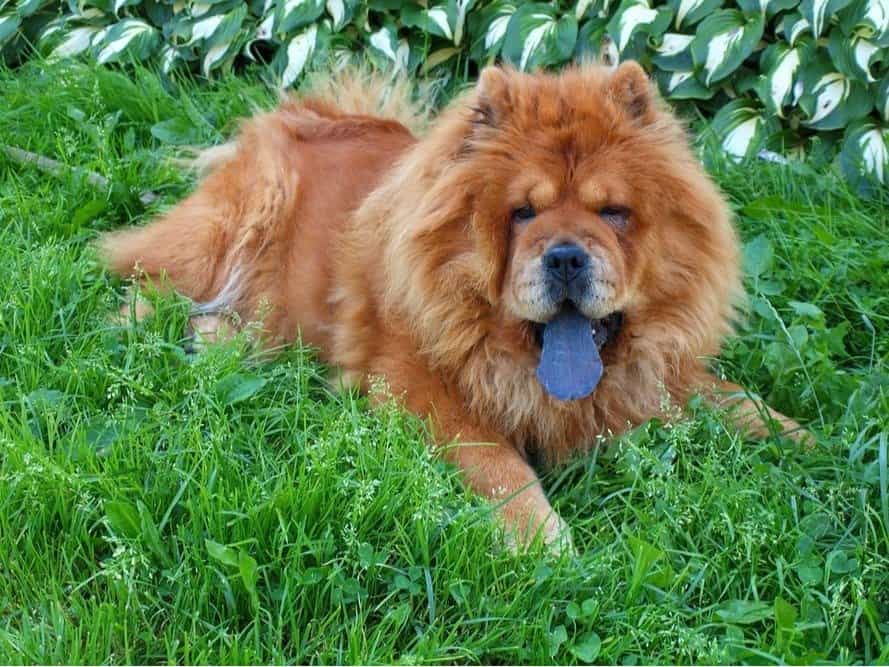
Lion look, loyal heart-Chow Chow
Arne J. Enggrav/Shutterstock.com

Chow Chow Distribution

Click a location to explore more animals from that region

Origin Location

This map shows the native origin of the Chow Chow. As a domesticated species, they are now found worldwide.

Loading map...

Found in 1 country

Size Comparison

Human 5'8"
Chow Chow 1 ft 7 in

Chow Chow stands at 28% of average human height.

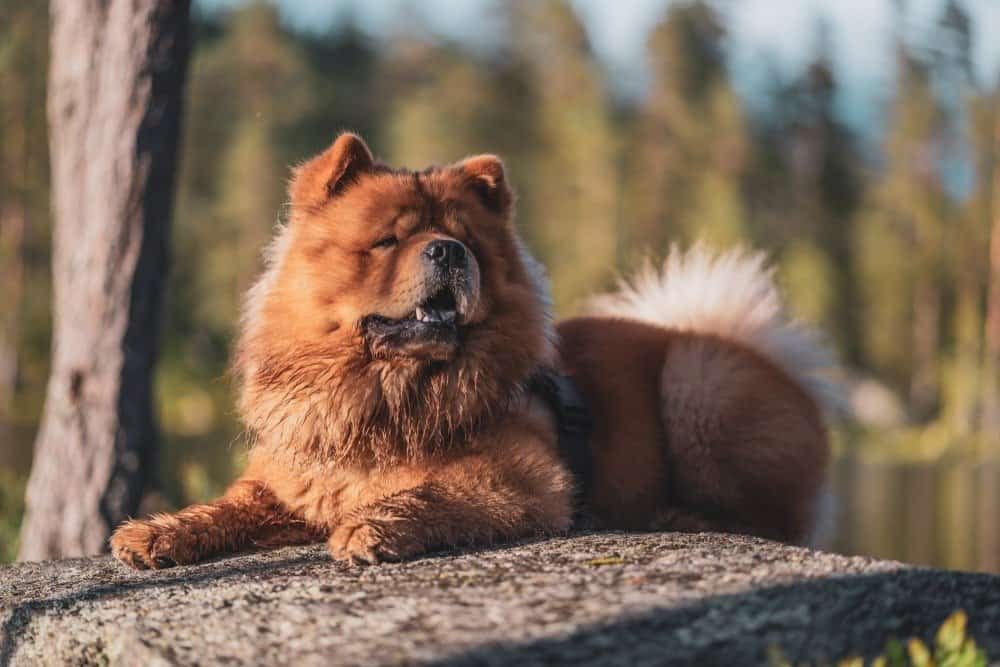
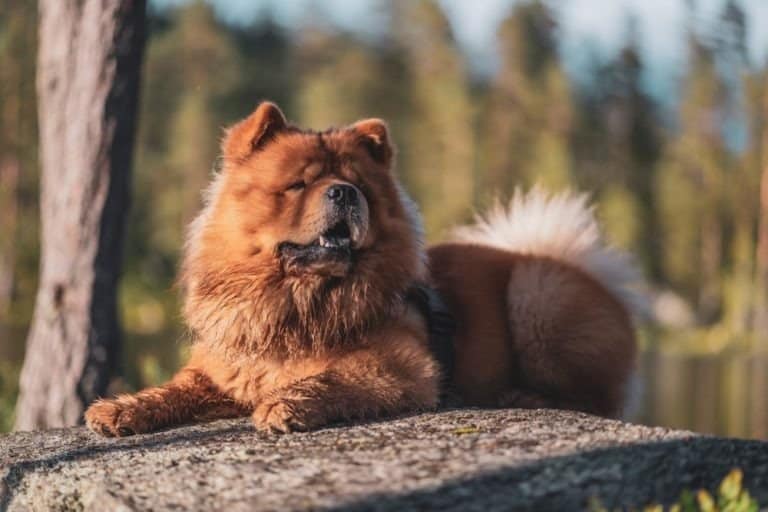
A chow chow lying on a stone in the woods

At a Glance

Domesticated
Also Known As Chow, Chinese Chow, Sōngshǐ quǎn (Songshi quan)
Diet Omnivore
Activity Diurnal+
Lifespan 5 years
Weight 32 lbs
Status Not Evaluated
Did You Know?

The Chow Chow's blue-black tongue is a hallmark trait shared with only a few breeds (notably the Shar-Pei).

Scientific Classification

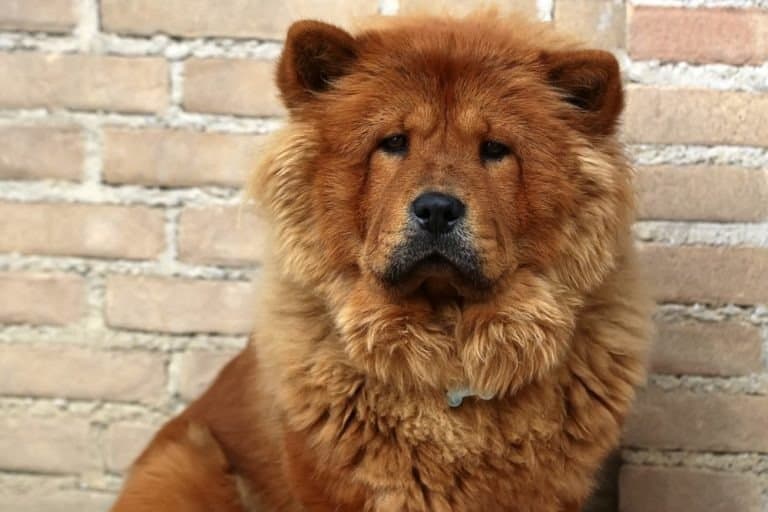
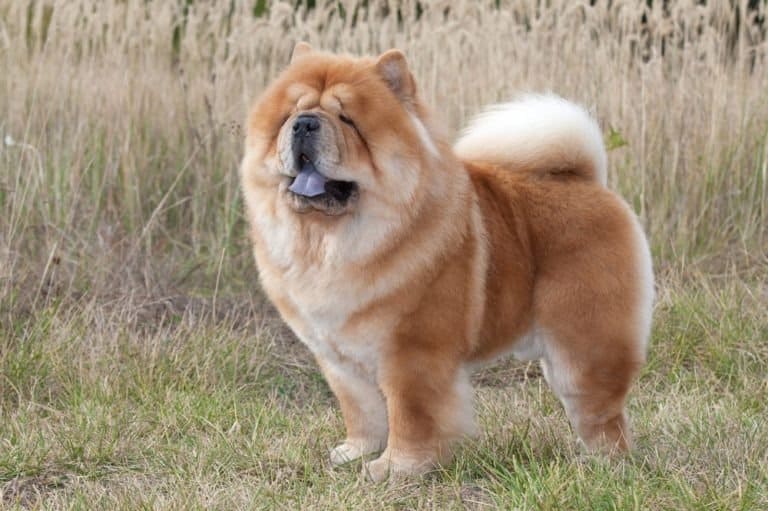
The Chow Chow is an ancient spitz-type domestic dog breed known for its dense double coat, lion-like ruff, and distinctive blue-black tongue.

Kingdom
Animalia
Phylum
Chordata
Class
Mammalia
Order
Carnivora
Family
Canidae
Genus
Canis
Species
Canis lupus

Distinguishing Features

  • Blue-black/purplish tongue and oral mucosa (notable breed trait)
  • Dense double coat (rough or smooth varieties) often with a pronounced ruff
  • Compact, sturdy build with a characteristically stiff/straight hind gait
  • Small, triangular, erect ears; deep-set eyes giving a scowling expression

Physical Measurements

Males and females differ in size

Height
1 ft 8 in (1 ft 7 in – 1 ft 10 in)
1 ft 7 in (1 ft 6 in – 1 ft 8 in)
Length
2 ft 4 in (2 ft 2 in – 2 ft 7 in)
Weight
63 lbs (55 lbs – 71 lbs)
52 lbs (44 lbs – 60 lbs)
Tail Length
9 in (7 in – 12 in)
Top Speed
19 mph

Appearance

Primary Colors
Secondary Colors
Skin Type Skin with a dense double coat: rough coat has coarse guard hairs and a thick woolly undercoat; smooth coat is shorter but still double. Poor air flow or grooming can cause hot spots or dermatitis.
Distinctive Features
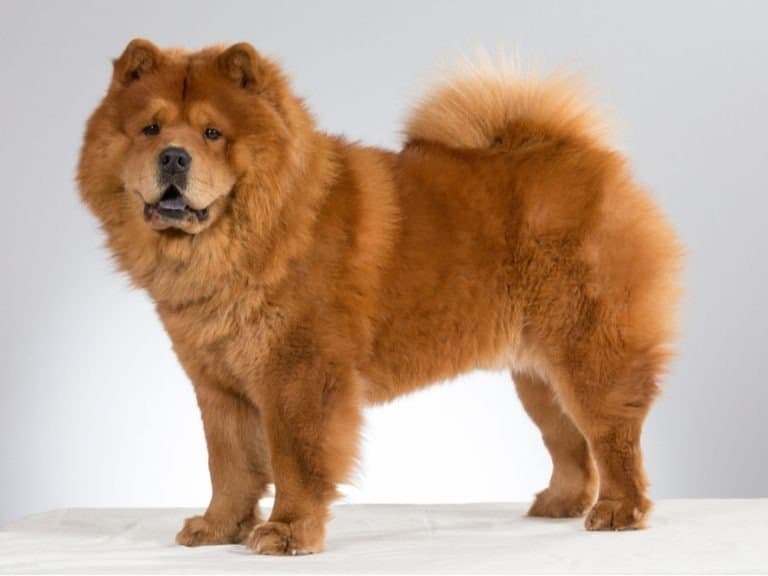
  • Chow Chow (Canis lupus familiaris) has a very dense spitz-type double coat with a lion-like ruff, compact square body, tiny thick erect ears, and a blue-black tongue with dark mouth pigment.
  • Spitz-type morphology: curled tail carried over the back; straight, stilted gait often described as 'choppy' due to angulation and structure; broad skull with a short-to-moderate muzzle and deep-set eyes.
  • Coat varieties: Rough coat (longer, abundant mane/ruff and feathering) and Smooth coat (shorter, plush, dense); both require coat-appropriate maintenance and shed heavily seasonally.
  • Common historical/working roles (ancient breed context): used for guarding, hunting, and pulling/hauling; modern temperament is typically reserved/independent rather than overtly demonstrative-benefits from early socialization and consistent, calm training (avoid overstating aggressiveness).
  • Brush often, the rough coat especially, to prevent mats and shedding. Keep the coat clean and dry, check ears, ruff, armpits and hind legs. Do not shave the double coat; it harms insulation and regrowth.
  • Heat sensitivity: dense coat and compact build predispose to overheating-prioritize cool environments, shade, and moderate exercise in warm weather; avoid intense activity during heat/humidity.
  • Chow Chows can have eye problems (entropion, corneal irritation, glaucoma risk), hip dysplasia, elbow problems, patellar luxation, hypothyroidism, and skin allergies (dermatitis/pyoderma). Prevent bloat: space meals and avoid hard exercise around feeding.
  • Oral pigmentation: blue-black tongue and often dark gums/palate are typical and not a disease sign in this breed (distinctive hallmark feature).

Sexual Dimorphism

Sexual dimorphism is present but moderate: males tend to be larger and heavier-boned with a more imposing head/neck and often a fuller ruff; females are typically slightly smaller and lighter-framed while retaining the same spitz outline and coat features.

  • Generally larger overall size and heavier bone
  • Often a broader head and thicker neck with a more pronounced mane/ruff in rough coats
  • Generally slightly smaller, lighter frame
  • Ruff/coat fullness may be a bit less dramatic on average, though still dense and plush

Did You Know?

The Chow Chow's blue-black tongue is a hallmark trait shared with only a few breeds (notably the Shar-Pei).

Chows come in two coat types: rough (the iconic mane/ruff) and smooth (shorter, plush coat).

Common coat colors are red, black, blue (dilute), cinnamon/fawn, and cream-always solid, though shading is common.

They are one of the oldest recognized dog types, depicted in Chinese artifacts dating back over 2,000 years.

Unlike many modern companion breeds, Chows were historically multipurpose working dogs: guarding, hunting, and pulling carts/sleds.

Their spitz heritage shows in their compact build, small triangular ears, thick double coat, and curled tail carried over the back.

Unique Adaptations

  • Blue-black tongue and dark oral pigmentation: a distinctive breed hallmark within the domestic dog (Canis lupus familiaris).
  • Spitz-type thermoregulating coat: dense double coat provides insulation, but also increases heat-stress risk in hot/humid climates.
  • Straight hind-leg angulation: the breed's characteristic "stilted" gait comes from its rear structure-part of its traditional type, but can influence joint stress.
  • Compact, robust build: suited historically to hauling and guard work compared with the more generalized wolf-derived body plan.
  • Lion-like ruff (especially rough coat): provides extra neck/shoulder coverage-useful historically for protection and as a visual deterrent.

Interesting Behaviors

  • Cat-like independence: many Chows are reserved, self-directed, and selective with affection rather than constantly demonstrative.
  • Strong territorial instincts: they often patrol boundaries and may be wary of strangers without careful early socialization.
  • Quiet vigilance: many Chows aren't big barkers but will place themselves between their family and unfamiliar people.
  • Dignified body language: they tend to stand tall and still when assessing a situation, rather than rushing in.
  • Heat-avoidance behavior: in warm weather they may seek cool floors/shade and reduce activity-important for this heavy-coated breed.
  • Low tolerance for rough handling: they often dislike being hugged or grabbed; respectful, consent-based handling helps prevent defensive reactions.
  • Same-sex dog intolerance can occur: careful introductions and management may be needed, especially in adulthood.

Cultural Significance

From China, the Chow Chow is a spitz-type dog seen in art and history as a working guard, hunting, and pulling dog. Queen Victoria helped make it popular in the West. Its "lion-dog" look is a symbol of ancient guardian companions.

Myths & Legends

In Chinese folk explanations, the Chow's blue-black tongue is sometimes linked to a tale of a dog that licked the night sky (or spilled ink from the heavens), leaving its tongue stained dark.

The Chow's lion-like ruff ties it to broader East Asian "lion-dog" imagery-guardian animals believed to ward off evil at gates and sacred places, echoing the protective role Chows historically filled.

A recurring historical anecdote in breed lore describes Chows as temple or palace guardians in imperial China, valued for their imposing presence and watchfulness.

Western naming lore holds that "chow chow" was used in 18th-19th century shipping/merchant slang for assorted goods; dogs from cargo lists inherited the nickname, which then stuck as the breed name.

Conservation Status

NE Not Evaluated

Has not yet been evaluated against the criteria.

Population Stable

Life Cycle

Birth 4 pups
Lifespan 5 years

Lifespan

In the Wild
2–10 years
In Captivity
8–15 years

Reproduction

Mating System Polygynandry
Social Structure Managed Domestic
Breeding Pattern Serial
Fertilization Managed Selective
Birth Type Managed_selective

Species Canis lupus familiaris is polygynandrous, but Chow Chow breeding is usually managed: breeders plan temporary, serial pairings, use selected males across mothers, no lifelong bonds, mothers raise pups with human care; helper caregivers are rare.

Behavior & Ecology

Social Pack Group: 3
Activity Diurnal, Crepuscular
Diet Omnivore Meat-forward, highly palatable foods-especially fish-based or poultry-based diets (often preferred when fresh, aromatic, and high-protein).

Temperament

Aloof/Reserved with strangers; tends toward watchful, low-barking sentinel behavior rather than overt friendliness (distinguishing it from many more socially demonstrative domestic dog breeds).
Strongly loyal to family; often bonds deeply with one or a few people; can be protective/territorial, making early, positive socialization a key care requirement.
Independent, calm, and dignified; may show lower toy/play drive and less dog-directed sociability than average for domestic dogs, though individual variation is substantial.
Can show assertiveness, same-sex intolerance, or resource guarding if poorly socialized or inconsistently managed; best outcomes with clear routines, calm leadership, and reward-based training (harsh corrections can increase defensive aggression).
Moderate energy: prefers structured walks and short bursts over prolonged high-intensity exercise; heat-sensitive due to dense double coat-risk of overheating is a major breed-specific welfare concern.
Care and grooming: heavy shedding and dense coat require frequent brushing to prevent matting/skin issues; pay attention to hot spots and underlying dermatitis.
Hip and elbow dysplasia can lower a Chow Chow's tolerance for play or stairs; eye issues (entropion, glaucoma) can make them reactive; hypothyroidism causes tiredness, weight gain; skin allergies, heat sensitivity, and bloat/GDV risk.

Communication

Deep, infrequent barking used as an alert/territorial signal Often less "chatty" than many companion breeds
Low growls/rumbling grumbles when uncomfortable, guarding resources, or warning to increase distance.
Whines when seeking access/attention or expressing mild frustration.
Occasional howling in response to triggers (sirens/other dogs), but typically not a primary communication channel.
Intense staring and still, upright posture to signal vigilance or discomfort; important to read early because the breed may escalate with fewer overt "friendly" signals.
Tail carriage and plume position changes: high/forward with alertness; lowered or stiff with uncertainty; subtle shifts may precede vocal warnings.
Ear set and facial tension (including muzzle tightening) as early indicators of stress; important for safe handling and grooming.
Scent marking and territorial investigation; may patrol boundaries within home/yard more than highly social, novelty-seeking breeds.
Proximity control: chooses distance rather than constant contact; moving away, turning head, or freezing are common "please stop" signals that should be respected to prevent defensive responses.

Habitat

Biomes:
Temperate Forest Boreal Forest (Taiga) Tundra Alpine Temperate Grassland Mediterranean Desert Hot Desert Cold Savanna Tropical Dry Forest Tropical Rainforest Wetland Freshwater Marine +8
Terrain:
Plains Hilly Coastal Mountainous
Elevation: Up to 16404 ft 3 in

Ecological Role

Domesticated omnivorous mesopredator/scavenger analogue closely associated with humans; primarily a companion/guard breed whose diet is managed by people, but which can exert predation/scavenging pressure if free-roaming.

companion animal role (human well-being) property/territory guarding and deterrence of pests/strangers scavenging of human food waste in free-roaming contexts (can reduce refuse but may increase conflict) predation pressure on small animals when unsupervised (ecological impact rather than a service)

Diet Details

Main Prey:
Small mammals Birds and eggs Fish and other aquatic animals Insects and other invertebrates
Other Foods:
Berries and other fruits Grasses and leafy plant matter Starchy plant foods Vegetables

Human Interaction

Domestication Status

Domesticated

Chow Chow (Canis lupus familiaris) is an ancient spitz-type dog from northern China/East Asia. Used for guarding, hunting, and utility, they have a dense double coat, lion-like ruff, and blue-black tongue. Chows are more aloof and territorial, often reserved with strangers, needing careful handling, early socialization, extra grooming, and vet care.

Danger Level

Moderate
  • Guarding/territorial behavior can lead to biting incidents if poorly socialized or mishandled, especially with unfamiliar people entering the home.
  • Aloofness and lower tolerance for intrusive handling can increase risk during grooming, veterinary procedures, or rough child interactions without supervision.
  • High coat density and potential heat stress can increase irritability/discomfort, indirectly elevating reactivity risk if needs are not met.
  • Risk is strongly moderated by early socialization, humane training, responsible breeding/temperament selection, and experienced ownership.

As a Pet

Suitable as Pet

Legality: Generally legal to own as a pet in the U.S. and many countries. Restrictions, if any, are typically situational (e.g., housing/HOA rules, landlord policies, or insurance underwriting decisions) rather than blanket breed bans; check local ordinances and insurance requirements.

Care Level: Experienced

Purchase Cost: $800 - $3,500
Lifetime Cost: $20,000 - $50,000

Economic Value

Uses:
Companion animal Breeding and showing Grooming services Training/behavior services Veterinary and preventative care Pet retail (food, equipment, insurance)
Products:
  • puppies from registered/health-tested litters
  • stud services and breeding rights
  • conformation show participation and related services
  • professional grooming (deshedding, coat maintenance)
  • training/behavior consultation (socialization, handling, reactivity management)
  • specialty veterinary care (orthopedics, dermatology, ophthalmology)

Relationships

The Chow Chow, with its teddy bear face, lion’s mane, and extra fluffy coat, presents itself with the dignified bearing of a dog comfortable among royalty. It may seem aloof, but this sturdy, muscular breed is loyal to its family and possesses many attributes.

Chow Chows are known to be as fastidious as cats and are among the cleanest of canines. They are so clean that they are a breeze to house train — maybe the easiest of all dogs! Chow Chows have a double coat that comes in different colors like red, blue, black, cream, and fawn. Adults have blue or black tongues.

Evolution

Chow Chows are depicted on artifacts from China’s Han Dynasty, around 206 B.C, but many believe them to be the progenitors of spitz-type dogs that would make them an even more ancient breed. They were popular companions to Chinese nobles — so desirable that one Emperor is said to have owned thousands of the regal canines. Through the years, the Chow Chow has had its ups and downs — from being a pampered royal companion to working as a guard dog to even providing nourishment for their starving countrymen when food was scarce.

During the 1820s, the dogs were actually exhibited at the London Zoo as “Wild Dogs of China.” Their luck changed for the better when they caught the eye of Queen Victoria, who adopted a Chow Chow and made the breed popular.

3 Pros and Cons of Owning a Chow Chow

ProsCons
Good watchdogs: Despite their somewhat compact appearance for a sturdy breed, these dogs make great watchdogs.Aggressive: These dogs can display aggressive behaviors sometimes and can get overly suspicious of strangers.
Calm and confident: If you are looking for a stern breed, this might be the perfect choice for you.Decision-makers: These dogs have minds of their own. Therefore, any interference in their decisions could lead to troublesome behaviors.
Mannerly at home: These dogs do not create a lot of fuss at home, so they won’t turn your home into absolute chaos.Grooming: They need regular grooming, so if you are not looking for a high-maintenance animal, this might not be a good choice for you.
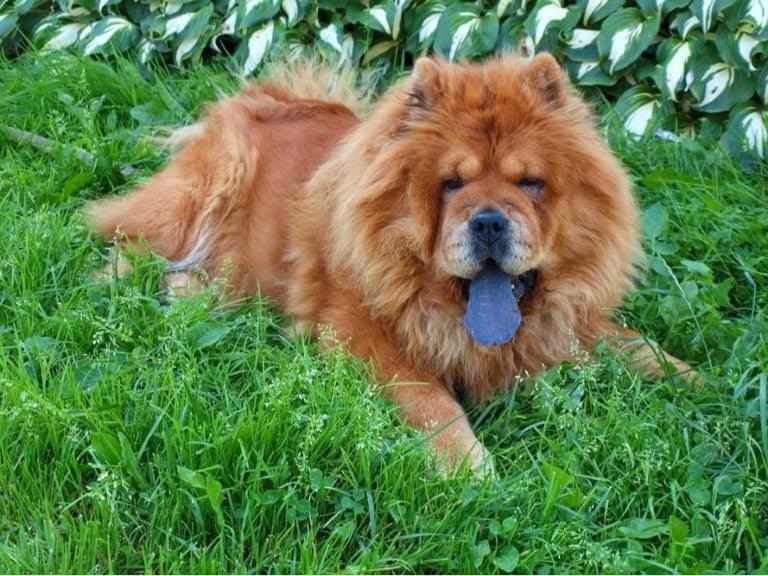
Brown chow chow dog lying in the grass.

Chow Chows are sturdy underneath their fluffy coats and sport blue or black tongues as adults.

Size and Weight

With an AKC classification as a “non-sporting” breed and a UKC classification as a “Northern Breed,” these dogs are medium-sized but sturdy. Don’t let the fluffy fur fool you — they are just as firm and sturdy as they are small. While males are about 17 to 20 inches, females are somewhere in the middle at 18 inches tall. Males are heavier than females, at 45 to 70 lbs. Females, however, only reach a maximum size of 45 to 60 lbs. at their adult size.

Common Health Issues

Like every other dog, the Chow Chow has its own set of problems that are consistent with medium-sized dogs. One of the biggest issues that this dog breed faces is both hip and elbow dysplasia. This condition is a congenital issue for the breed and simply means that the joints of the elbows and hips are not properly aligned.

Cruciate ligament disease is another issue among these dogs. The joint of the knee becomes unstable, leading to twisting and slipping at the joint, which is incredibly painful. This dog will show their pain by walking on only three of their four legs, limping carefully.

There is a bloating condition called gastric dilation volvulus that is common among these dogs as well. Gastric dilation volvulus can be fatal, and it mostly impacts dogs with a deep chest (which is typical of them). As the stomach bloats, some cases never make any progression. However, the bloating can cause it to twist.

Entropion is another eye-related disease that these dogs suffer from. Also common in English bulldogs, it is caused by the eyelid rolling towards the inside of the eye, leading the hairs along the eyelid to rub against the cornea and cause severe pain.
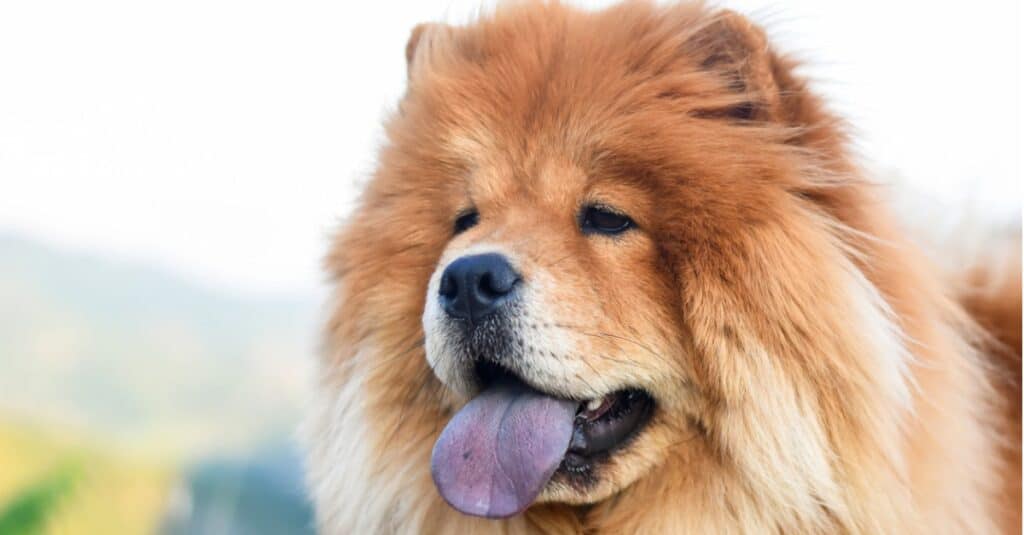
Chow Chow

Chows are not very sociable and are serious-minded and suspicious.

Temperament

Whether a purebred or a mix, these dogs are not known to be very social dogs and are also not very outgoing. Their temperament is such that they can get very suspicious of strangers and can often get very aggressive with other dogs.

For them to be comfortable around other dogs, they must be introduced to socializing concepts very early on in life. Though this disposition is what makes them protective watchdogs, families with other pets may need to put in extra work to train them to be civil.

They can also often cause chaos with their alarm barking, which needs to be controlled. These dogs are intelligent but are also headstrong and stubborn. They need a patient and stern owner and trainer. They are known to be very protective of their own families and can often turn dominant if not taught their position in the families. They can sometimes be obedient in the right direction.
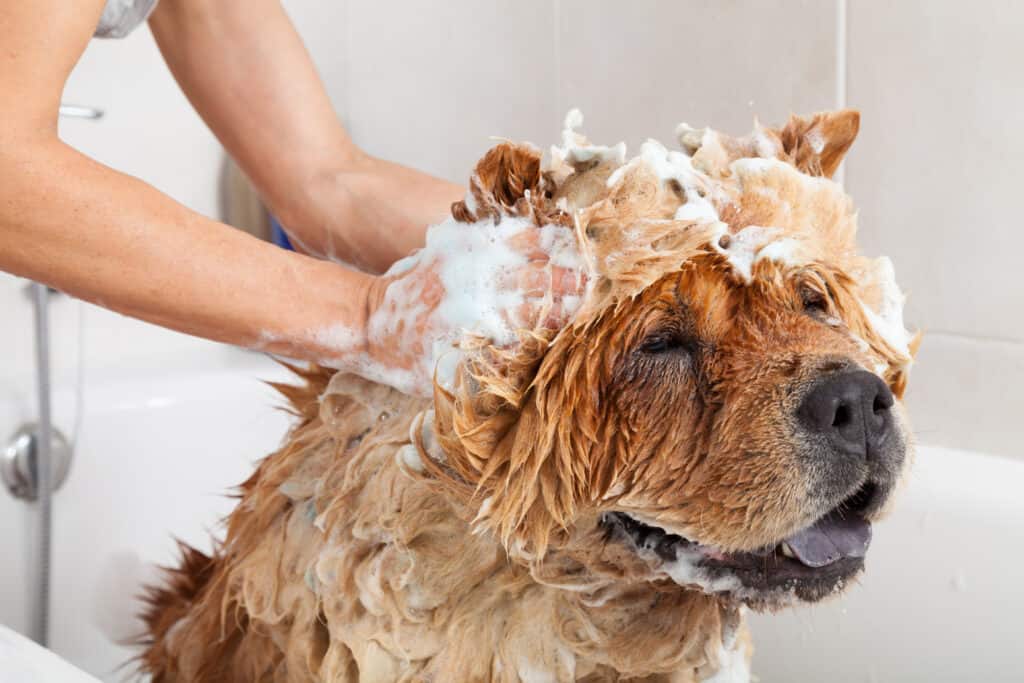
A chow chow in a bath

Chow chows should be bathed every six weeks.

How to Take Care of a Chow Chow

Owning a Chow Chow can take a lot of work in grooming, but their diets are fairly easy to keep up with. Here are a few things that you need to keep in mind about taking care of your dog.

The Best Dog Food

These dogs need to eat a diet full of vegetables. You could occasionally supplement their diets with fish and soy. However, you need to go easy with the levels of protein in their diets, as high protein levels could lead to skin problems in these dogs. Still, they love a mix of dry foods and wet foods alike, so the only concern is that their food has minimal grains, since the breed may have allergies to these foods.
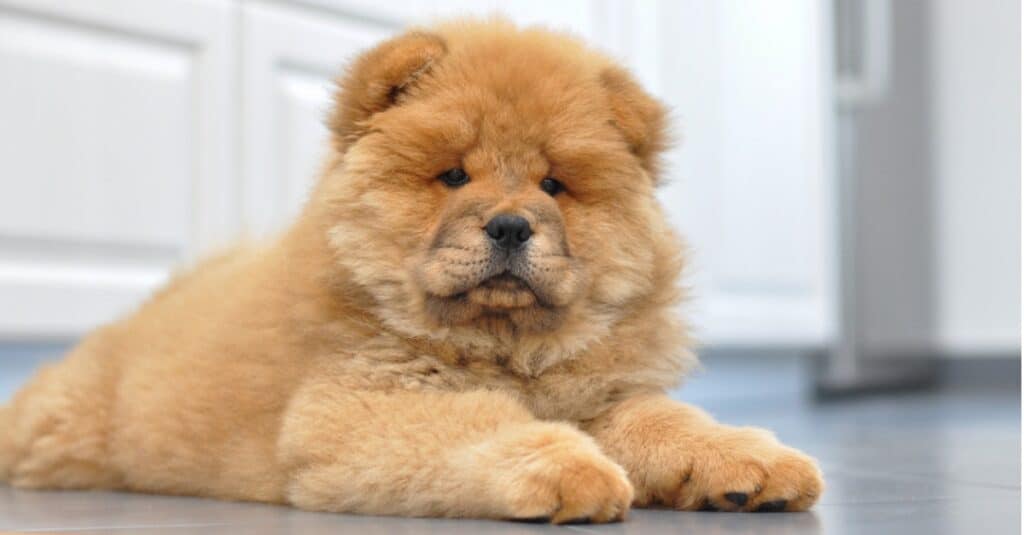
Chow Chow puppy laying on kitchen floor

Chow Chow puppies need several small meals a day.

The puppies need to be given the same diet. However, you will have to feed the pups in smaller quantities at shorter intervals as their small stomachs are usually not able to digest too much food at once.

As a dog that’s susceptible to gastric dilation/bloat, use caution while feeding your Chow Chow, and always monitor feeding to ensure small enough portion sizes. Perhaps you’ll want to look for a sensitive stomach dog food that’s easy for Chow Chows to digest.

Maintenance and Grooming

These dogs are known to be fairly high-maintenance and need brushing every day. They have a double coat, and it may take quite a while to remove the hair that they shed. Luckily, most groomers are quite caring and gentle with the breed.

They can be bathed every week, but should definitely get baths every six weeks, minimum.
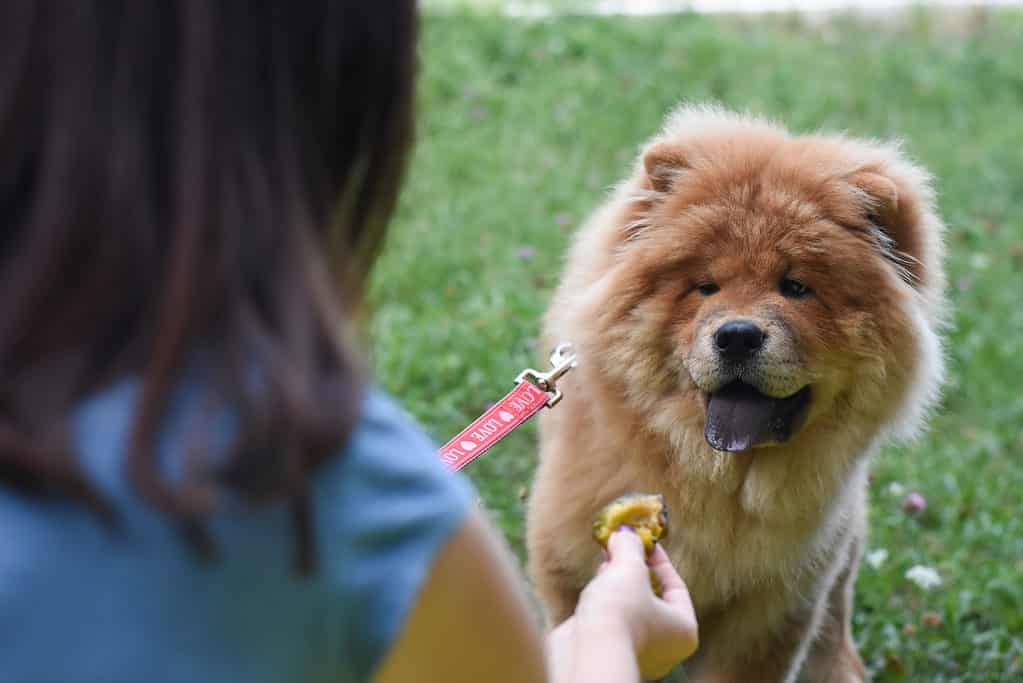
Woman give plum to her dog

Chow chows are very independent, making them a challenge to train.

Training

Training these dogs is not an easy job, regardless of the mix of breeds. They have hunting traits and can often be aggressive and predatory towards other pets and animals in general, and these inclinations are hard to rid them of.

They are also very independent and are headstrong, which means that these dogs cannot be forced into anything at all. They would either completely shut down or show retaliating behavior if you try to train them under harsh conditions or with punishments. The best training techniques will need to involve encouragement with positive reinforcement.
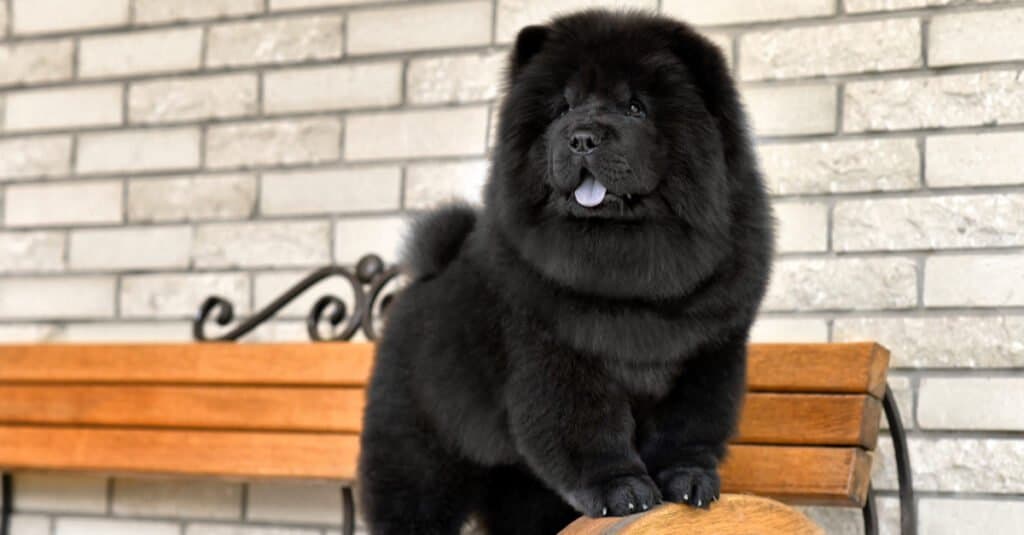
Chow Chow puppy standing up on a bench

Chow Chows don’t need a lot of exercise.

Exercise

Every canine needs to have regular exercise to support a healthy weight and to regulate the release of mood-balancing hormones. This movement prevents them from becoming restless. However, they don’t like to be out too much — just a couple of walks a day might be everything that they need.
Their bodies are meant to be thicker, and most pups are ready to go inside within about 15 minutes. If you can get them to stay out a little longer, it is possible to get away with one walk that lasts a little longer each day.

Puppies
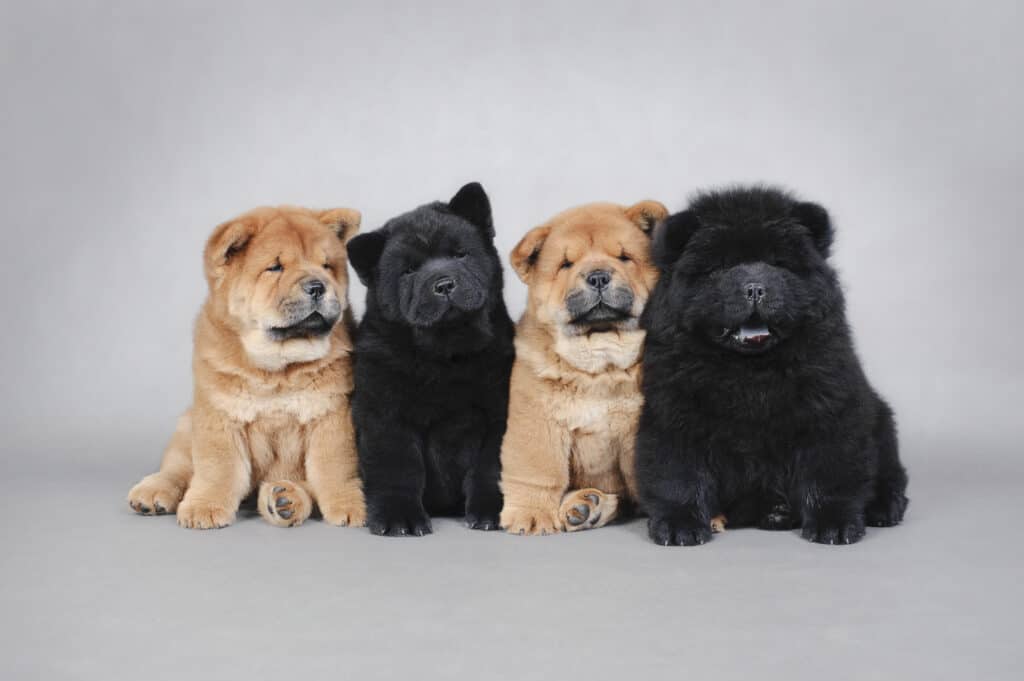
Chow Chow pups need to be socialized with people and other dogs.

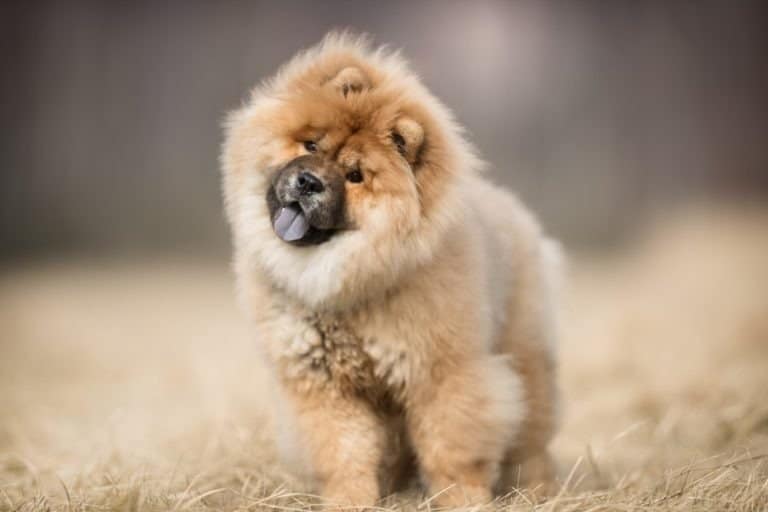
The Chow Chow puppy has a double coat early on, so intensive grooming will be necessary after they are a few weeks old. They will need to be trained to socialize very early on in life so that they become sociable adults. Puppies will need to be fed in small amounts after shorter intervals because their small stomachs cannot digest a lot of food at once. These frequent meals will likely last until the puppy reaches a year old.

Children and Chow Chows

If these dogs are taught how to be around children, they would be great with them. However, they are not very patient around children and would not tolerate abuse from young children. They are great with families with children who know how to treat these dogs with respect.

For families that want to adopt one of these dogs, be sure to have a conversation with the children in the household about proper behavior to avoid any unfortunate accidents.

Dogs Similar to Chow Chows

As beautiful and sassy as a Chow Chow might be, this dog isn’t the right pet for every person. Here are some alternative breeds that may suit potential owners well.

  • Tibetan Mastiff: Much like the Chow Chow, Tibetan Mastiffs are also aggressive and headstrong. They are much larger than a Chow Chow in weight, but only a little taller.
  • Alaskan Malamute: Alaskan Malamutes are intelligent and are also highly social, making them great pets for families that often interact with other people. They are incredible watchdogs but need much more space than an apartment to thrive.
  • Keeshond: Keeshonds are known to be very loyal and friendly towards their owners and have a highly affectionate nature. However, they are much more friendly to strangers, so they may not be the right watchdog for someone.

Famous Chow Chows

Several celebrities own these dogs. Some of them include Martha Stewart, President Calvin Coolidge, Elvis Presley, and his girlfriend, Linda Thompson. Famous psychoanalyst Sigmund Freud also owned one of them.

View all 392 animals that start with C

Sources

  1. Wikipedia / Accessed December 17, 2020
  2. Mental Floss / Accessed December 17, 2020
  3. Cuteness / Accessed December 17, 2020
  4. Dogtime / Accessed December 17, 2020
  5. Your Pure Bred Puppy / Accessed December 17, 2020
  6. Hill's Pet / Accessed December 17, 2020
  7. PDSA / Accessed December 17, 2020
  8. American Kennel Club / Accessed December 17, 2020
Lisha Pace

About the Author

Lisha Pace

After a career of working to provide opportunities for local communities to experience and create art, I am enjoying having time to write about two of my favorite things - nature and animals. Half of my life is spent outdoors, usually with my husband and sweet little fourteen year old dog. We love to take walks by the lake and take photos of the animals we meet including: otters, ospreys, Canadian geese, ducks and nesting bald eagles. I also enjoy reading, discovering books to add to my library, collecting and playing vinyl, and listening to my son's music.

Thank you for reading! Have some feedback for us?


Chow Chow FAQs (Frequently Asked Questions)

These dogs usually cost about $900. Additional costs can come up to $700 to $1000 per year.