





Quick Take
- Experts require a DNA analysis to identify life-threatening vulnerabilities before symptoms even appear.
- A mutation in the MDR1 gene causes standard antibiotics and steroids to become potentially toxic.
- Counterintuitively, unspayed females can trigger 3-month shedding cycles that disrupt normal maintenance.
- Specialists must perform ophthalmic screenings at 6 to 8 weeks to secure the dog’s future vision.
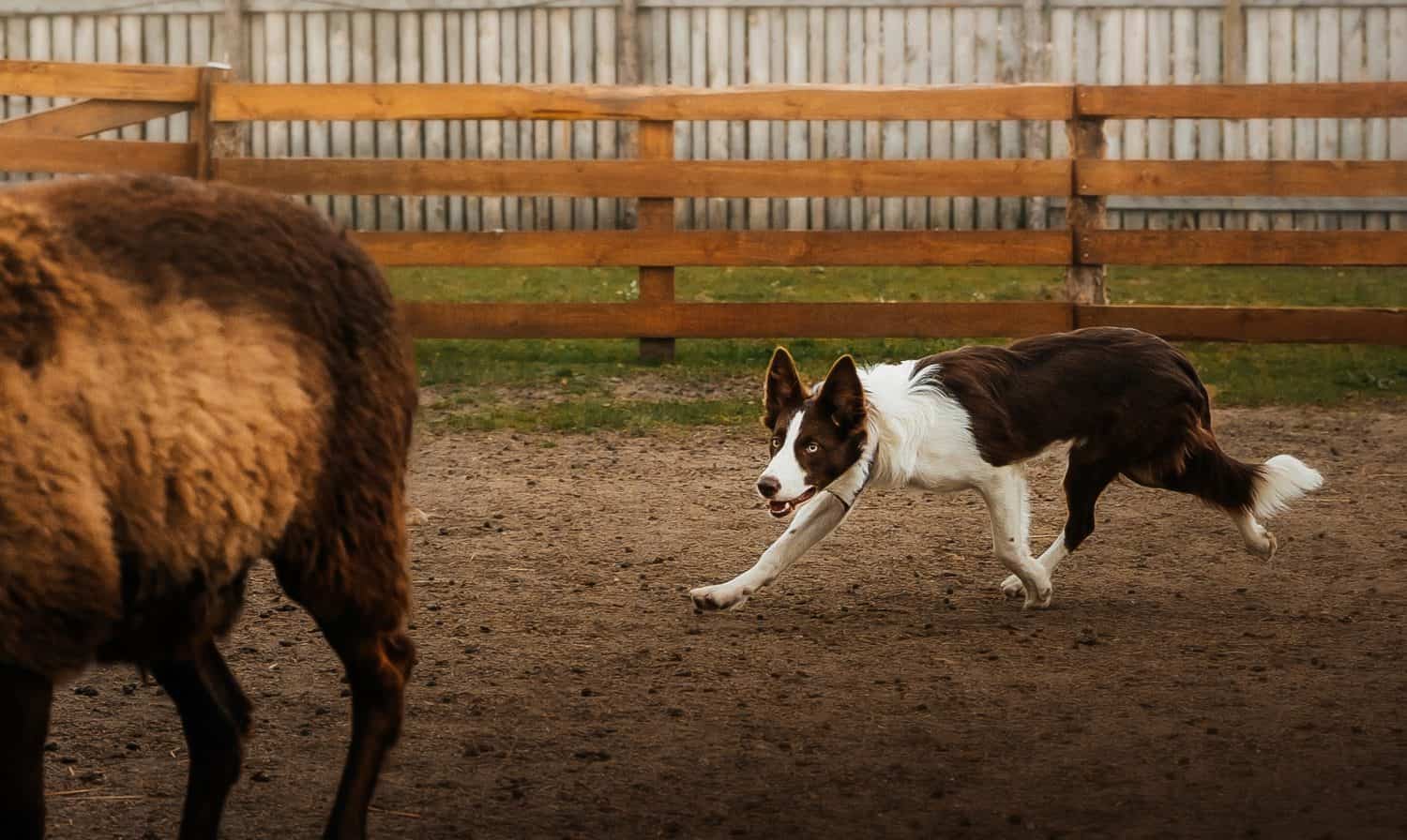
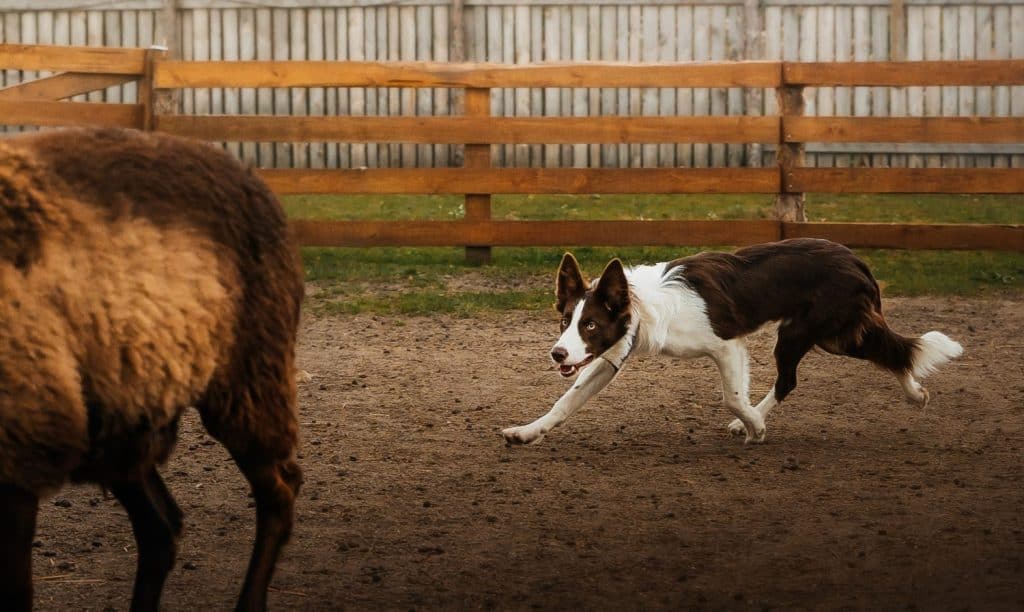
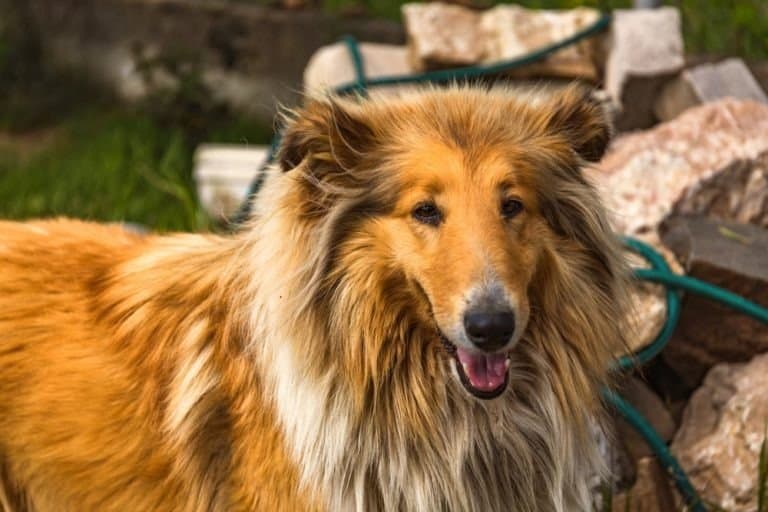
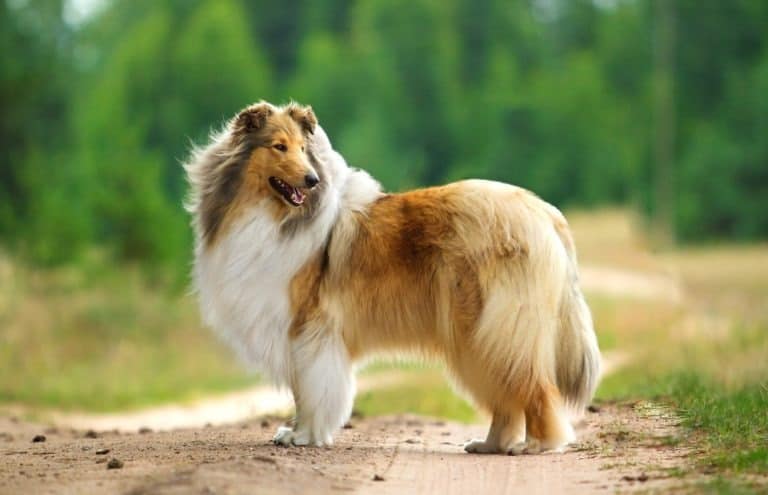
The collie is a proud and playful herding dog that originally came from the hilly regions of Scotland and northern England. Although this breed dates back centuries, it was in fact associated with and popularized by Queen Victoria in the 19th century. It later came to the attention of a wider American audience with the fictional character of Lassie. Although now a popular pet, the collie was bred first and foremost to herd livestock. The technical term for this type of dog is a header because it gets in front of the animals and guides them between the pen and the grazing land.

Types of Collies
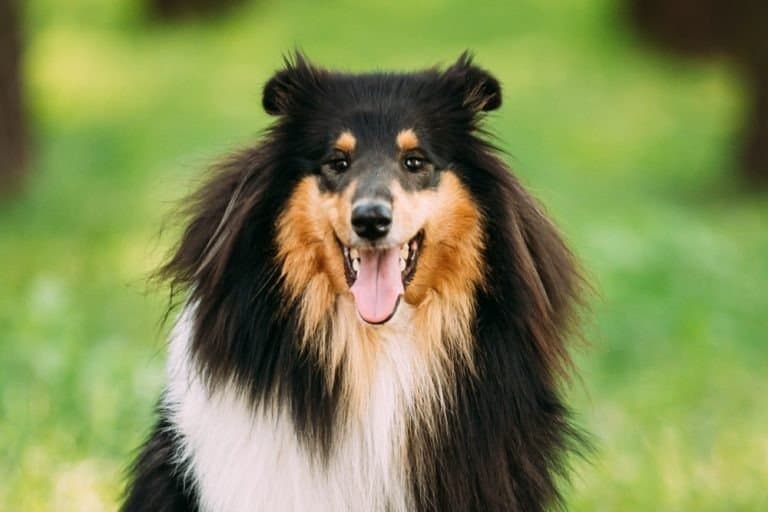
The term collie can refer to either a specific breed of collie or all types of herding dogs known as collies. This includes the Border collie, bearded collie, Welsh sheepdog, and rough collie or smooth collie. All of them have different appearances and physical characteristics. The bearded collie, for instance, has long flowing hair that obscures its face. The Border collie, on the other hand, looks more like an Australian shepherd. The coat colors vary between sable and white, blue merle, or just black and white.
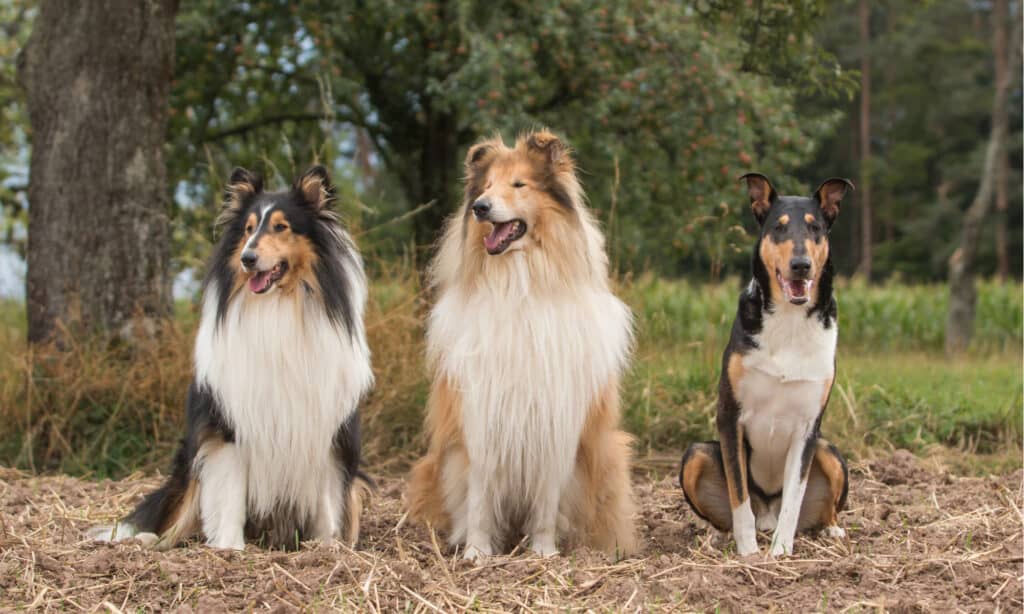
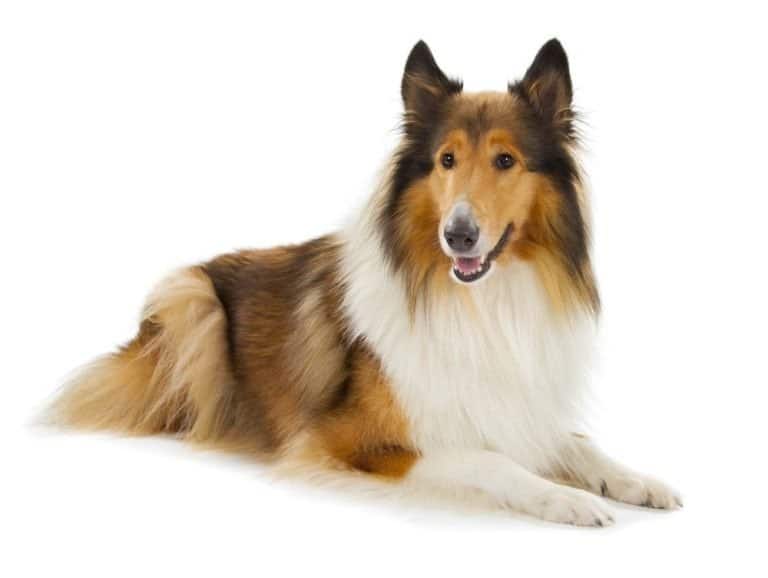
Long-haired collies are of Scottish descent, while smooth-haired collies originated in England.
©Yps71/Shutterstock.com
Evolution
The collie began as a Bronze Age shepherd’s helper who may have herded and protected sheep and other livestock in what is now known as Great Britain. Collies are actually mentioned in Chaucer’s Canterbury Tales, written between 1387 and 1400. Long-haired collies became fixtures of the Scottish Highland landscape, while a short-haired version worked in the lowlands of Northern England. Queen Victoria fell in love with the long-haired collie while on a trip to Scotland and popularized the breed after bringing them to court in the 1860s.
3 Pros and Cons of Owning a Collie
| Pros | Cons |
|---|---|
| A good-natured family dog The collie gets along very well with families and children. | Medium to high maintenance The collie does require a fair amount of grooming, exercise, and work. |
| Intelligent and athletic Because of its history as a herding dog, this breed can be easily trained to perform various tricks and tasks. | Requires constant companionship It is not a good idea to let this breed remain alone for hours at a time. |
| Good health Apart from a few notable health problems, the collie usually enjoys a long and healthy life. | Barking The collie is only a moderate barker, but it may get on the nerves of some owners. |
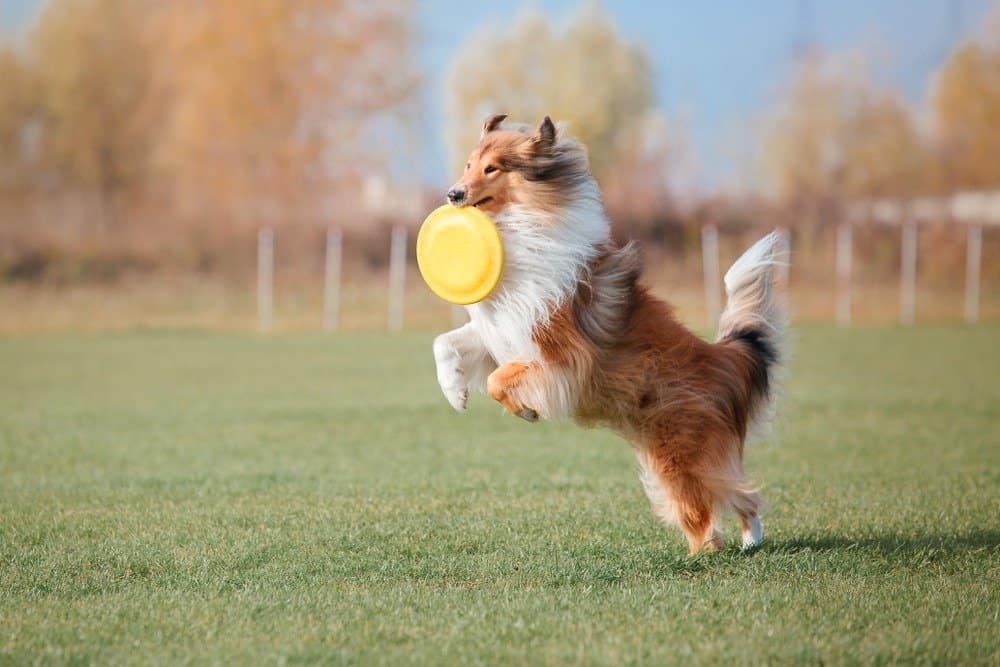
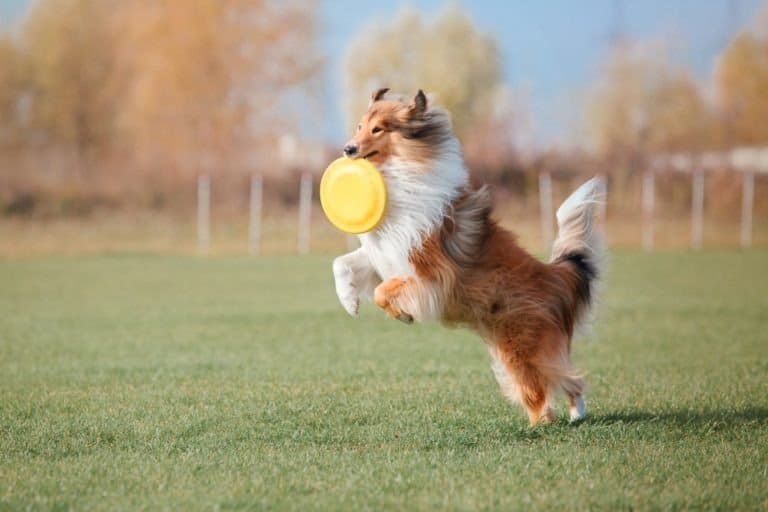
Collies are naturally athletic and highly intelligent, making them excel at learning tricks and commands.
©OlgaOvcharenko/Shutterstock.com
Size and Weight
The collie is a medium-sized breed with a rather large and muscular frame. Males are slightly larger than females on average. Here is a breakdown of the sizes:
| Height (Male) | 24 to 26 inches |
|---|---|
| Height (Female) | 22 to 24 inches |
| Weight (Male) | 60 to 75 pounds |
| Weight (Female) | 50 to 65 pounds |
Common Health Issues
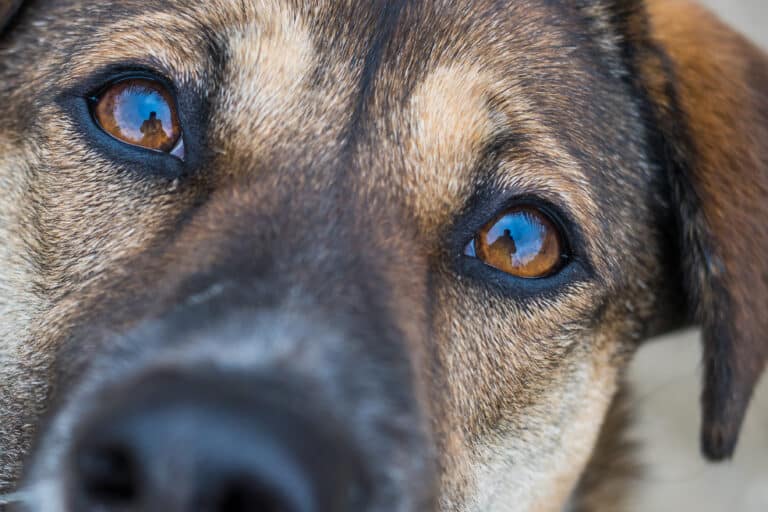
The collie is a relatively healthy breed with a life expectancy of 12 to 14 years. One of the major health problems you should look out for, however, is susceptibility to several types of eye diseases, including collie eye anomaly (a genetic disorder that affects the development of the retina and sclera) and progressive retinal atrophy (a degenerative condition that affects photoreceptor cells).
Another potential problem is a mutation in the MDR1 gene that makes the dog more sensitive to certain drugs, antibiotics, and steroids during treatment for other conditions. A very rare genetic condition known as grey collie syndrome causes serious and recurring immune problems throughout the dog’s life. Characterized by grayer or lighter colors, few collies with this disorder live beyond a few years.
Finally, throughout the dog’s life, you should watch out for cancer, epilepsy, skin conditions, and gut bloating. To screen for potential problems, you should give it an eye check and possibly a DNA analysis as soon as possible. A high-quality breeder should ensure that few genetic problems arise early on.
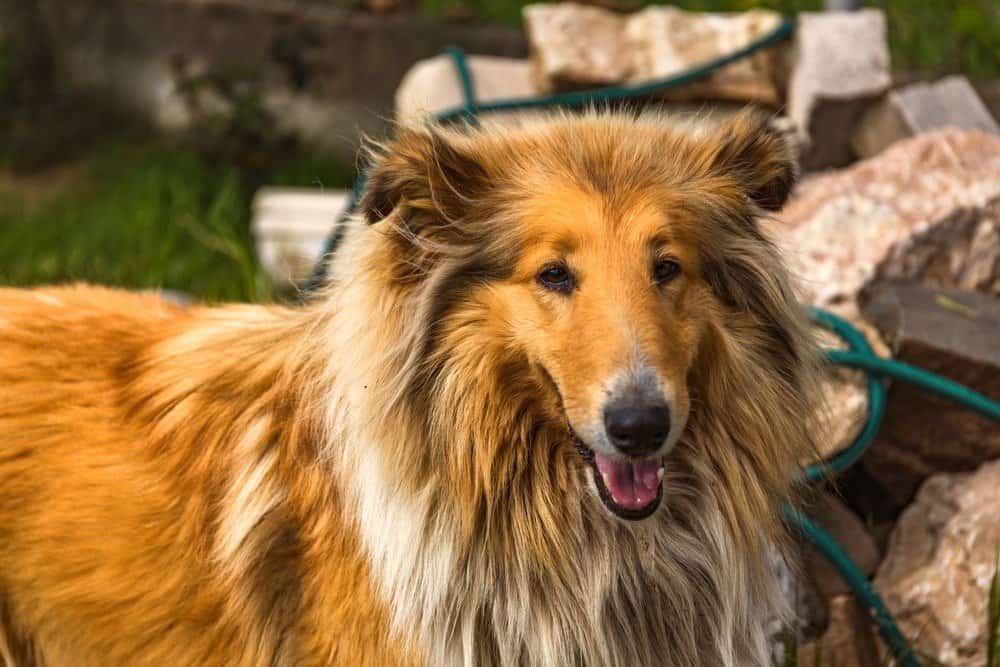
Collies are sweet, good-natured, and bred to be devoted to their people.
©Juli G/Shutterstock.com
Temperament and Behavior
The collie has a very sweet, good-natured personality with a high tolerance for adversity and relatively low stubbornness. Thanks to the collie’s breeding history, obedience and devotion are some of its many endearing qualities. The collie will invest so much time and effort into the relationship with its owner that you will find it easy to train and socialize with. It should also get along fine with other dogs. This also means, however, that the collie requires almost constant companionship and care to be fully happy and satisfied within the home.
There is a slight difference between traditional herding collies and pets or show dogs. The rough collie, smooth collie, and some types of Border collies are more show dogs with herding instincts mostly reduced or bred out. They tend to be more gentle and suitable as pets. Working types, on the other hand, are suited more for traditional herding tasks. They are still good pets, but they exhibit more herding behavior and instincts, especially during playtime.
How to Take Care of a Collie
Once you invite it into your home, the collie is a wonderful companion and pet that naturally loves people and families, but you should be prepared to invest time and effort into its care. It requires quite a lot of work to keep up with its dietary, exercise, and grooming needs. If you expose the puppy to new experiences and people from an early age, then it should be easier to socialize and train throughout its life.

Collies need to be fed several small meals a day because of their sensitive stomachs.
©Dvorakova Veronika/Shutterstock.com
The Best Dog Food
To meet its daily requirements for exercise and activity, your collie will need high-quality dog food with more meat and fewer grains than average, and almost no corn or soy. Because of the breed’s gut sensitivities, it should be fed multiple times a day instead of just once. Treats should be given as part of the training process, but don’t overdo it. Too much food at once or too close back-to-back with exercise can result in bloat and stomach issues.
This breed sheds a ton, and while it certainly won’t stop shedding completely, there is dog food on the market to help keep shedding under control as much as possible.
Maintenance and Grooming
The collie has a double coat of fur that requires regular brushing around two or three times a week. A thorough brush, especially behind the ears and elbows, will help to remove loose fur on the undercoat and prevent matting. Nail trimming and the occasional ear cleaning should be given as well. The collie is a moderate shedder with a few periods of heavier shedding during certain seasons of the year. If a female collie is not spayed, then she may shed for a full three-month period after her heat cycle.
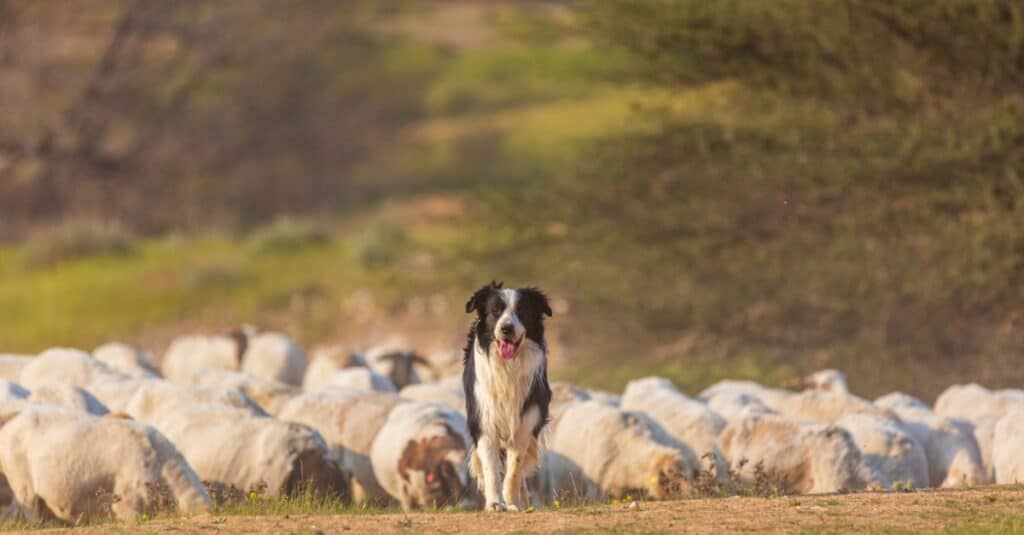
The intelligence of the border collies makes them one of the most popular types of farm dogs.
©iStock.com/Vladimir1965
Training
Thanks to its keen intelligence and patient and obedient personality, the collie is a very easy breed to train. Putting full faith in the owner, this breed excels at whatever you teach it, from herding to agility training to simple tasks. It offers endless possibilities for an owner who is willing to do something creative and fun with it. You should try to reinforce its behavior with friendly and positive teaching methods. Negative methods might easily discourage it.
Exercise
The collie requires a lot of daily exercise in the form of walks, running, sports, and games. One or two hours a day should suffice, but it is never a bad idea to get more. The collie will be most satisfied if you let it loose in an enclosed yard, a big park, or any other wide open space.
You can also teach it to fetch or perform agility tricks. Because of its tendency to become bored or anxious without companionship, it is not necessarily a good idea to leave the dog alone in the backyard for long periods of time. In summation, the collie is a very active breed that requires a good amount of exercise, but the good news is that as long as you meet its exercise requirements, the collie should settle down for the rest of the day.

Collie pups are easy to train and loads of fun.
©iStock.com/K_Thalhofer
Puppies
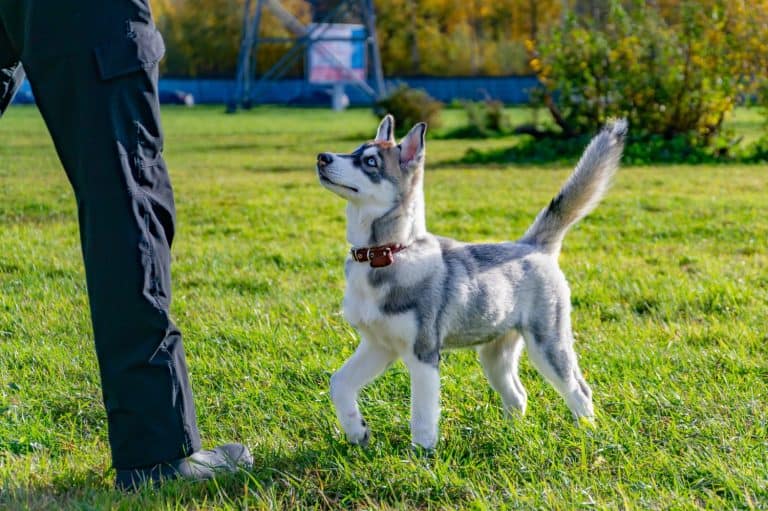
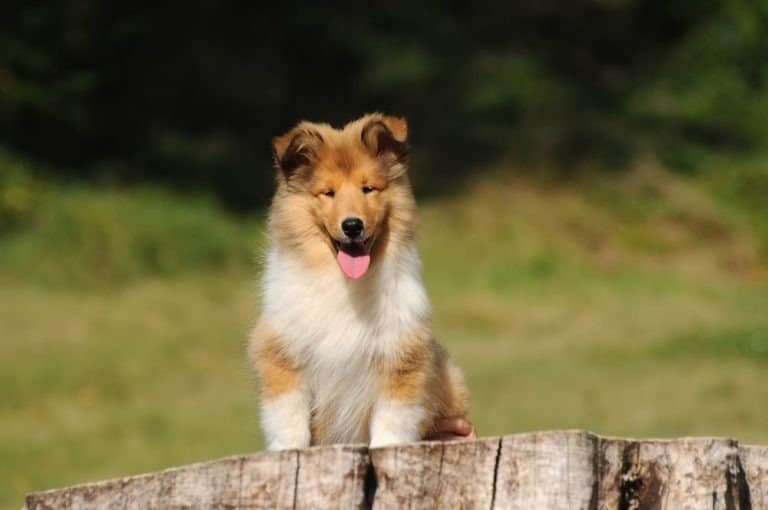
There are a few things you will want to keep in mind with a collie puppy. First, because of the prevalence of genetic conditions, it is a good idea to have a health screening. Second, you should have the puppy checked for eye disease at the age of six to eight weeks by a certified veterinary ophthalmologist. Third, you will want to put it through training as soon as possible.
Collies and Children
Among all types of medium- or large-sized dogs, the collie may be one of the ideal breeds for your children. Friendly, loyal, and intelligent, it is both a good companion and a source of responsibility that your children can share in. If you are worried about the dog’s excitability, then it may be a good idea to purchase a more gentle show dog, like a rough collie, instead of a pure herding dog. This breed does have a moderate tendency to bark as well. This might be a concern around smaller children who frighten easily.
Breeds Similar to the Collie
If you are interested in the collie, then you should check out these other breeds of herding dogs:
- Australian Shepherd: This highly energetic herding dog is one of the most popular breeds in the world. It is intelligent, playful, and caring, but also requires high maintenance and care. The Australian Shepherd actually shares a deep ancestry with modern collies.
- German Shepherd: This big, strong, and intelligent breed is also one of the premier working dogs around the world. The German Shepherd is used for search and rescue, disability assistance, and policing. It also makes for a fantastic, loyal, inquisitive, and confident pet. One downside is that it can sometimes become a little too protective of its owners without proper socialization.
- English Shepherd: Although not recognized by the American Kennel Club, the English shepherd is still a popular breed in the United States. Like the Australian shepherd, it shares some ancestry with the modern collie. It is loyal, intelligent, and athletic.
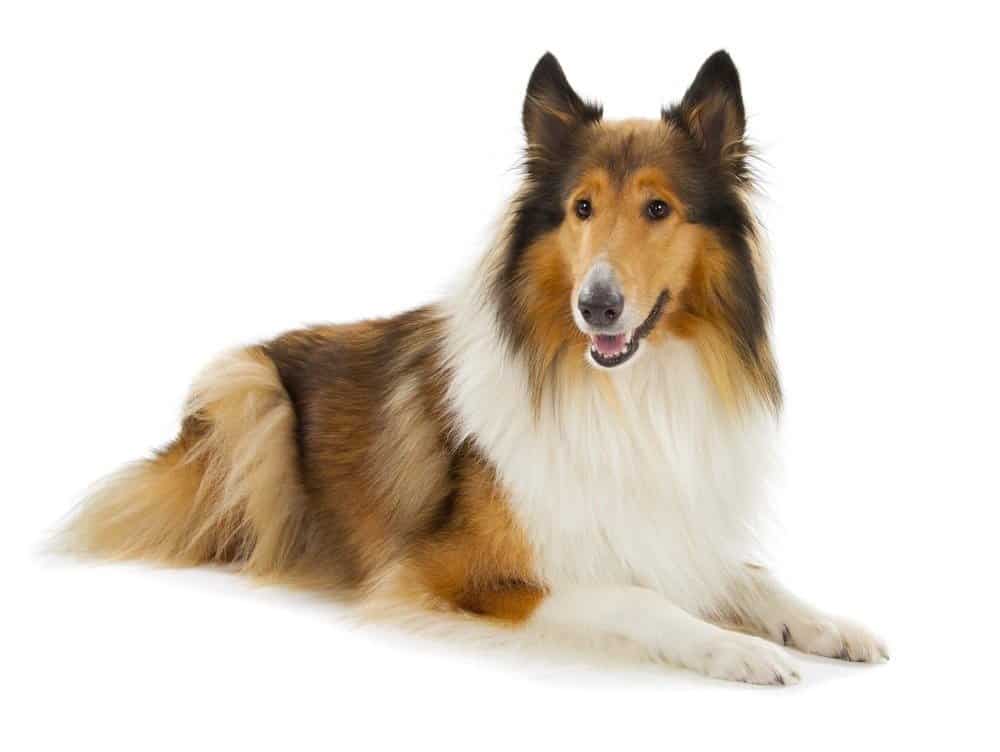
Lassie was a beautiful Scottish or rough collie who made the breed popular worldwide.
©Nikolai Tsvetkov/Shutterstock.com
Famous Collies
The modern collie has a long history of representation in American culture and fiction. Here are just a few of the most famous collies:
- Lyndon Johnson kept a pet collie called Blanco. This pure white collie was a gift to the then-president from a young girl in Illinois.
- Reveille is the official mascot of Texas A&M University. Since 1931, a dog has accompanied the football team onto the field each season, with purebred collies serving as the mascot since 1952. The dog earned its name, which is the word for a bugle call, after it began barking at the sound of a trumpet on campus.
- The 1940 novel Lassie Come Home introduced the world to perhaps the most famous collie of all time. This novel would later spawn several popular films and a TV show. The very first Lassie was played by a male rough collie called Pal. He lived between 1940 and 1958.
Collie Pictures
View all of our Collie pictures in the gallery.

Juli G/Shutterstock.com
Sources
- David Burnie, Dorling Kindersley Animal, The Definitive Visual Guide To The World's Wildlife / Accessed December 1, 2008
- Tom Jackson, Lorenz Books The World Encyclopedia Of Animals / Accessed December 1, 2008
- David Burnie, Kingfisher The Kingfisher Animal Encyclopedia / Accessed December 1, 2008
- David Burnie, Dorling Kindersley Illustrated Encyclopedia Of Animals / Accessed December 1, 2008
- Dorling Kindersley Dorling Kindersley Encyclopedia Of Animals / Accessed December 1, 2008
- American Kennel Club / Accessed November 8, 2020
- PDSA / Accessed November 8, 2020
- Collie Health Foundation / Accessed November 8, 2020