


C
Species Profile

Coyote

Canis latrans

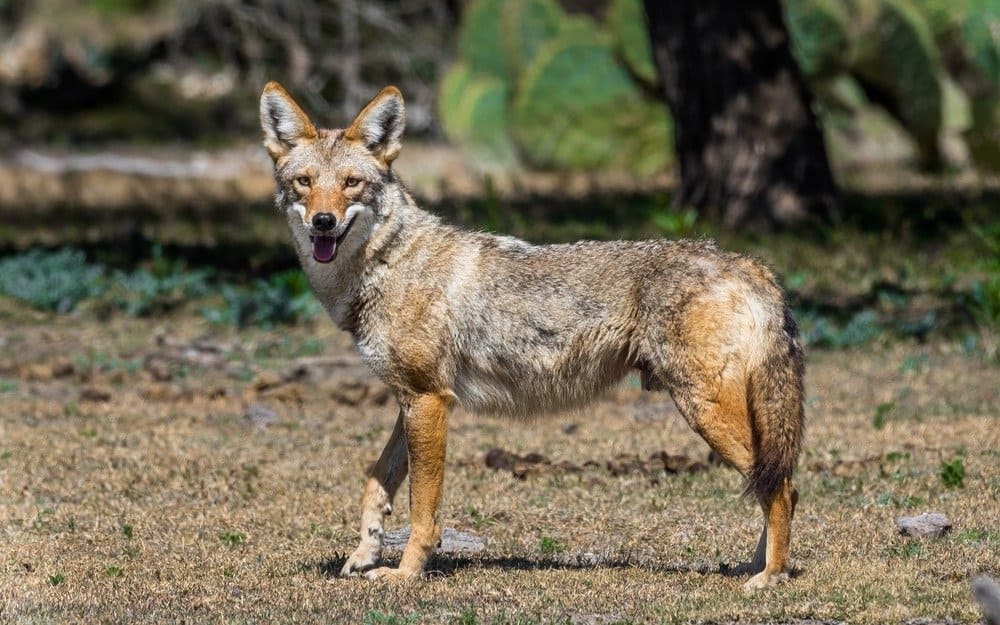
Built for every habitat.
Sam Carrera/Shutterstock.com

Coyote Distribution

Click a location to explore more animals from that region

Loading map...

Found in 70 locations

Size Comparison

Human 5'8"
Coyote 1 ft 12 in

Coyote stands at 35% of average human height.

Coyote standing under trees

At a Glance

Wild Species
Also Known As Prairie wolf, Brush wolf, Song dog, American jackal
Diet Omnivore
Activity Crepuscular+
Lifespan 6 years
Weight 20 lbs
Status Least Concern
Did You Know?

Size: typically 1.0-1.35 m total length (incl. tail) and ~7-20 kg, with males averaging larger than females (species accounts: Mammalian Species / wildlife agency syntheses).

Scientific Classification

The coyote is a medium-sized canid native to North America, highly adaptable and found from deserts and grasslands to forests and urban areas. It is an opportunistic omnivore and an important mesopredator with complex social behavior ranging from solitary to family-group living.

Kingdom
Animalia
Phylum
Chordata
Class
Mammalia
Order
Carnivora
Family
Canidae
Genus
Canis
Species
Canis latrans

Distinguishing Features

  • Medium-sized canid with slender muzzle, large pointed ears, and bushy tail often carried low
  • Coat typically gray-brown/tawny with lighter underparts; variable regional coloration
  • Yipping/howling vocalizations; often travels and hunts alone or in pairs
  • Typically smaller and lighter-built than most wolves; larger and longer-legged than many foxes

Physical Measurements

Males and females differ in size

Height
1 ft 10 in (1 ft 8 in – 2 ft 1 in)
1 ft 10 in (1 ft 8 in – 1 ft 12 in)
Length
3 ft 11 in (3 ft 3 in – 4 ft 5 in)
3 ft 11 in (3 ft 4 in – 4 ft 5 in)
Weight
31 lbs (18 lbs – 44 lbs)
24 lbs (15 lbs – 40 lbs)
Tail Length
1 ft 2 in (12 in – 1 ft 5 in)
1 ft 2 in (11 in – 1 ft 4 in)
Top Speed
40 mph
Sprint up to 64 km/h

Appearance

Primary Colors
Secondary Colors
Skin Type Furred mammal skin with a dense double coat (coarse guard hairs over insulating underfur) that thickens in winter and sheds seasonally (notably spring).
Distinctive Features
  • Adult size (typical ranges): head-body length 0.75-1.00 m; tail length 0.30-0.40 m; shoulder height ~0.58-0.66 m; mass 6.8-20.9 kg (Animal Diversity Web: Canis latrans).
  • Long-legged, lean, narrow-chested canid with relatively slender muzzle and proportionally large, pointed ears; overall build typically lighter and narrower than gray wolves (Canis lupus) and larger/taller than most foxes (Vulpes spp.).
  • Tail often carried low when traveling; bushy but usually not as luxuriant as many foxes; common field mark is a dark/black tail tip.
  • Footprints are more oval and compact than many domestic dogs of similar size; nails usually register; track patterns often show efficient, straight-line travel.
  • Highly variable coat color geographically (from gray-brown to more tan or reddish), reflecting broad North American adaptability across deserts, grasslands, forests, and urban areas.
  • Often seen alone, with a mate, or in small family groups rather than large packs. Loud howls, yips, and barks carry far to mark territory and contact others, often revealing coyotes in cities.
  • Mid-level predator that eats small mammals, carrion, fruit, and insects. This broad diet helps it persist in fragmented and urban habitats; its ecology is well documented.

Sexual Dimorphism

Sexes are similar in coloration/pattern; dimorphism is primarily size-related, with males typically larger/heavier on average. Exact magnitude varies by region and prey base.

  • Typically heavier and slightly larger overall (mass commonly toward the upper portion of the 6.8-20.9 kg species range; ADW provides overall range rather than consistent sex-specific values).
  • Broader head/neck and more robust forequarters may be noticeable in some populations, but overlap with females is substantial.
  • Typically slightly smaller/lighter on average; otherwise pelage color and markings are generally indistinguishable from males in the field.
  • During lactation, nipples may be visible where fur is parted/shortened, but this is situational rather than a stable appearance trait.

Did You Know?

Size: typically 1.0-1.35 m total length (incl. tail) and ~7-20 kg, with males averaging larger than females (species accounts: Mammalian Species / wildlife agency syntheses).

Speed & stamina: can reach ~64 km/h in short bursts and travel long distances nightly while foraging.

Reproduction: gestation is ~60-63 days; litters commonly 4-7 pups (larger litters can occur when food is abundant).

Diet breadth: eats small mammals (e.g., voles, rabbits), insects, fruit (e.g., berries), carrion, and human-associated foods in urban areas-true opportunistic omnivory.

Social flexibility: can live solitary, in mated pairs, or in family groups with older offspring helping raise pups (cooperative care).

Communication: famous for yips, barks, and group "howl choruses" that can make a few animals sound like many; vocalizations also help maintain territories.

Range expansion: after wolf declines and landscape change, coyotes expanded across most of North America, including many major cities; eastern populations often show some wolf ancestry (coyote-wolf admixture).

Unique Adaptations

  • Omnivorous digestive/foraging flexibility: able to switch efficiently among meat, insects, and fruit/plant matter-key to success in deserts, prairies, forests, and cities.
  • High dispersal capacity: juveniles can disperse long distances, enabling rapid colonization of new areas and recovery after local control efforts.
  • Reproductive plasticity: litter sizes can increase with higher prey availability; breeding is tightly seasonal, and dens may be moved if disturbed.
  • Urban ecology toolkit: learns traffic patterns, uses greenbelts/culverts, and adjusts daily activity timing-traits strongly associated with urban persistence.
  • Thermoregulation via coat & behavior: dense winter coat in cold climates and behavioral use of shade/crepuscular activity in hot regions.
  • Hybridization potential: can interbreed with domestic dogs and, in parts of eastern North America, shows admixture with wolves-contributing to regional size/behavior variation.

Interesting Behaviors

  • Territorial scent-marking: uses urine, feces, and ground-scratching to mark boundaries; patrol routes and "signposts" are revisited regularly.
  • Howl chorusing & spacing: groups perform coordinated vocal bouts (howls, yips, barks) that help advertise occupancy and reduce direct conflict with neighboring coyotes.
  • Seasonal pair-bonding & parenting: many form monogamous pairs at least for a breeding season; both parents (and sometimes helpers) provision pups at dens and rendezvous sites.
  • Caching and "testing" food: may cache surplus food and return later; in urban settings, individuals learn which foods are risky or reliable (high behavioral plasticity).
  • Edge-habitat hunting: frequently hunts along habitat boundaries (field-forest edges, washes, riparian strips, rail corridors) where prey is concentrated.
  • Rodent-focused foraging bouts: in grasslands and suburban greenspaces, often shifts to intense small-mammal hunting, including repeated pouncing behavior in tall grass/snow.
  • Avoidance and conflict behavior: in many urban areas, activity becomes more nocturnal; individuals may use cover and travel corridors to reduce human encounters.

Cultural Significance

Coyote (Canis latrans) is seen across North America as a tough neighbor of farms, rangelands, and cities. In Indigenous stories and in art, sports mascots, and media, it often stands for cleverness, adaptability, and survival.

Myths & Legends

Plains and Great Basin Indigenous traditions: Coyote commonly appears as a trickster-clever, impulsive, and transformative-whose antics explain why the world is imperfect yet livable (a frequent theme across many tribal storytelling cycles).

Maidu creation story: Earthmaker and helpers like Coyote (Canis latrans), often with Silver Fox, shape the world and set human ways; Coyote's actions sometimes bring disorder or death.

Northwest Coast story cycles: Coyote is sometimes portrayed as a culture-bringer who acquires fire or resources for people through wit, theft, or risky bargains-his success often paired with comedic consequences.

Southwestern storytelling (including among several Pueblo and neighboring peoples): Coyote is a boundary-crosser whose rule-breaking teaches social lessons about greed, boastfulness, and respecting community norms.

Aztec mythology: the deity known as "Old Coyote" is associated with music, dance, mischief, and warlike cunning-an explicitly mythic coyote figure tied to trickery and playful disruption.

Coyote (Canis latrans) calls at city edges are seen as a sign of nearby wildland; their howls are thought to warn of weather change or mark seasonal shifts, echoing older rural and Indigenous night-sound ties.

Conservation Status

LC Least Concern

Widespread and abundant in the wild.

Population Increasing

Life Cycle

Birth 6 pups
Lifespan 6 years

Lifespan

In the Wild
1–14 years
In Captivity
3–21 years

Reproduction

Mating System Monogamy
Social Structure Socially Monogamous
Breeding Pattern Long Term
Fertilization Internal Fertilization
Birth Type Internal_fertilization

Coyotes (Canis latrans) usually mate in pairs that defend a territory and raise one litter a year. Pair bonds often last years. Breeding is seasonal (often Jan–Mar); pregnancy ~62–63 days; litters ~4–7 pups. Both parents care; helpers sometimes assist.

Behavior & Ecology

Social Pack Group: 4
Activity Crepuscular, Nocturnal, Diurnal
Diet Omnivore Small mammals-especially rodents and lagomorphs (voles/mice and cottontail rabbits).

Temperament

Behaviorally flexible (social system shifts between solitary, pair, and family-group living depending on resource distribution and mortality; described for the species in Bekoff & Wells 1980; Gese 2001).
Territorial toward neighboring coyotes; heightened aggression and boundary defense during breeding and pup-rearing (Gese 2001).
Typically cautious/neophobic around novel threats in low-human-contact settings, but can habituate in urban environments with repeated non-lethal exposure (Gehrt et al. 2010).

Communication

Howl Long-range contact/spacing signal; often used in territorial advertisement
Group yip-howl Chorus vocalization commonly associated with group cohesion and territorial encounters
Bark Often an alarm/alert component, sometimes combined with howls
Yip/yelp High-arousal signals in social interactions
Whine Appeasement/contact, common in close-range interactions
Growl/snarl Agonistic threat at close range
Scent marking with urine and feces Including raised-leg urination and ground-directed marking) used in territorial advertisement and social signaling (Gese & Ruff 1998
Ground scratching associated with scent deposition Visual + olfactory signposting
Body postures and facial expressions (e.g., tail carriage, piloerection, ear position) used for dominance/submission and conflict avoidance.
Physical contact behaviors Greeting, muzzle licking, play) supporting pair bonds and family cohesion, especially around dens and rendezvous sites (Bekoff & Wells 1980

Habitat

Biomes:
Temperate Grassland Temperate Forest Mediterranean Desert Hot Desert Cold Boreal Forest (Taiga) Tundra Alpine Wetland Freshwater +4
Terrain:
Mountainous Hilly Plateau Plains Valley Coastal Riverine Rocky Sandy +3
Elevation: Up to 11482 ft 11 in

Ecological Role

Omnivorous mesopredator and facultative scavenger that links trophic levels (predation, scavenging, and frugivory) across diverse North American ecosystems, including urban systems.

Regulates small-mammal populations (rodent control) Controls lagomorph populations in many regions Carrion removal/nutrient recycling via scavenging Seed dispersal via fruit consumption and defecation of viable seeds (in habitats where fruit is seasonally important) Can mediate mesopredator communities through interference/competition (context-dependent)

Diet Details

Main Prey:
Small rodents Pocket gopher Ground squirrels Rabbits and hares Birds Reptiles Amphibians Insects and other invertebrates Carrion Juvenile ungulates +4
Other Foods:
Wild fruits and berries Mast and seeds Cultivated plant foods Grasses and other green vegetation

Human Interaction

Domestication Status

Wild

Coyotes (Canis latrans) are wild North American canids and have not been domesticated. They can be raised in captivity or become used to people, but keep wild behavior. They sometimes hybridize with dogs ("coydog") or wolves ("coywolf"), which is not domestication. Adults weigh about 7–20 kg and live ~6–8 years wild.

Danger Level

Moderate
  • Bites/attacks are uncommon but can occur, especially in urban/suburban areas where coyotes become food-conditioned or habituated; risk is higher for small children in rare cases. Most incidents involve defensive behavior near dens/pups or habituated animals approaching people.
  • Rabies and other diseases: coyotes can carry rabies (region-dependent) and are involved in broader disease ecology (for example, mange). Human rabies from coyotes is very rare where vaccination programs exist, but bites require medical evaluation.
  • Pet safety is a major human-coyote conflict pathway: coyotes can kill cats and small dogs, and may injure larger dogs during territorial encounters; this drives many human interactions (hazing, leash laws, removal).
  • Traffic and urban conflict hazards: coyotes in cities create collision risks and may be subject to lethal control, trapping, or relocation policies; improper feeding increases boldness and conflict frequency.
  • Range of human interactions across the group (HUBS): (H) Habituation/food-conditioning in urban areas leading to close approaches and nuisance behavior; (U) Utility/benefit via prey regulation and scavenging; (B) Burdens via livestock depredation (notably sheep/goats), pet losses, and property nuisance; (S) Safety concerns primarily from bites/zoonoses and defensive encounters near dens. Coexistence strategies used by agencies include securing attractants, hazing, leash control, den-site buffers, and targeted removal when necessary.

As a Pet

Not Suitable as Pet

Legality: Coyotes (Canis latrans) are treated as wildlife, not pets. Many places ban private ownership or need special permits, require secure escape-proof fences, no public contact, and rabies rules. Check local laws.

Care Level: Expert Only

Purchase Cost: Up to $2,000
Lifetime Cost: $15,000 - $50,000

Economic Value

Uses:
Ecosystem services (mesopredator regulating prey populations) Wildlife damage management (costs to agriculture/livestock) Fur/pelt harvest in some regions (regulated trapping/hunting) Research/education (urban ecology, disease ecology, behavior) Wildlife tourism/urban wildlife viewing (minor/indirect)
Products:
  • Fur pelts (where legal/marketed)
  • Educational/research value via monitoring programs and datasets
  • Indirect economic impacts: reduced some rodent/lagomorph pests; increased costs from depredation control and pet/livestock losses

Relationships

“The coyote is one of the most common species of mammals in North America”

Coyotes are animals that have traditionally served many different roles in human culture simultaneously as a pest and a mystical creature with various magical attributes. Their melancholic howls at night have seized the human imagination for many thousands of years. Although still hunted in large numbers, this nocturnal species has adapted to modern human societies and thrived as never before.
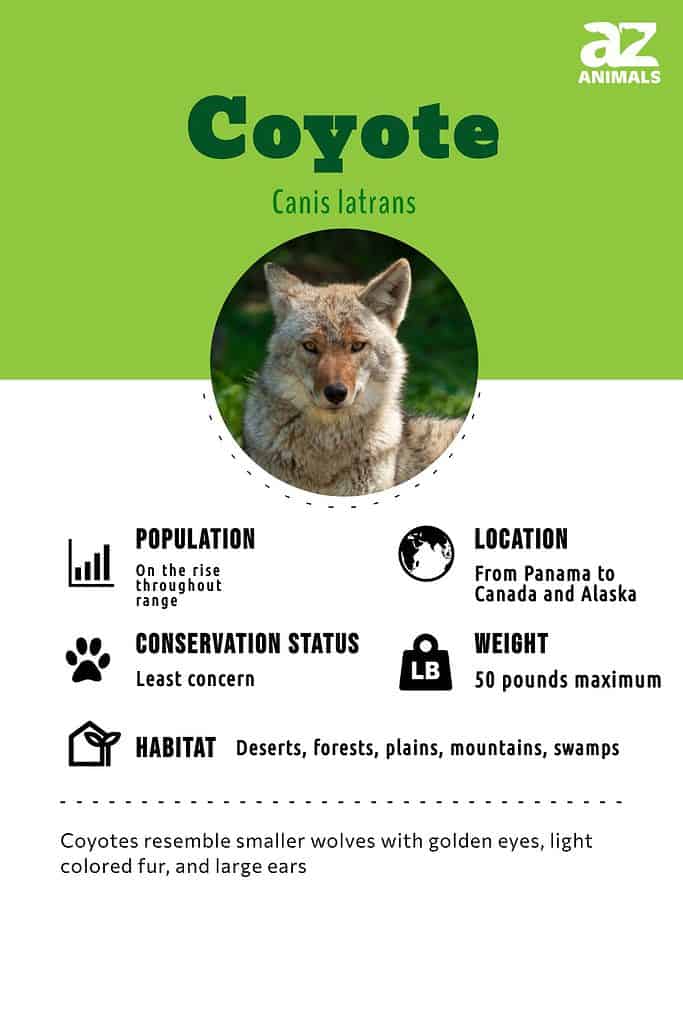
Incredible Coyote Facts!

  • Alternate names for this species include the prairie wolf and the brush wolf.
  • The coyote was an important figure in North American folklore. It was often viewed as a symbol of craftiness and deceit, sometimes donning various guises to trick people. In Mesoamerica, it was a cosmological symbol of military strength.
  • Coyotes are incredibly mobile animals that will roam around their natural territory for several miles every day. If they are facing stiff competition for food and resources, then it may travel more than a hundred miles in search of a new home.
  • Coyotes are animals that are agile on both land and water, but they are relatively poor climbers.
  • Coyote Scientific Name

The scientific name of the coyote is Canis latrans. The rough Latin translation of this term is barker or barking dog. The actual name coyote was adapted by the Spanish from the Nahuatl word (the language of the Aztecs) for the animal in Mesoamerica.

Types
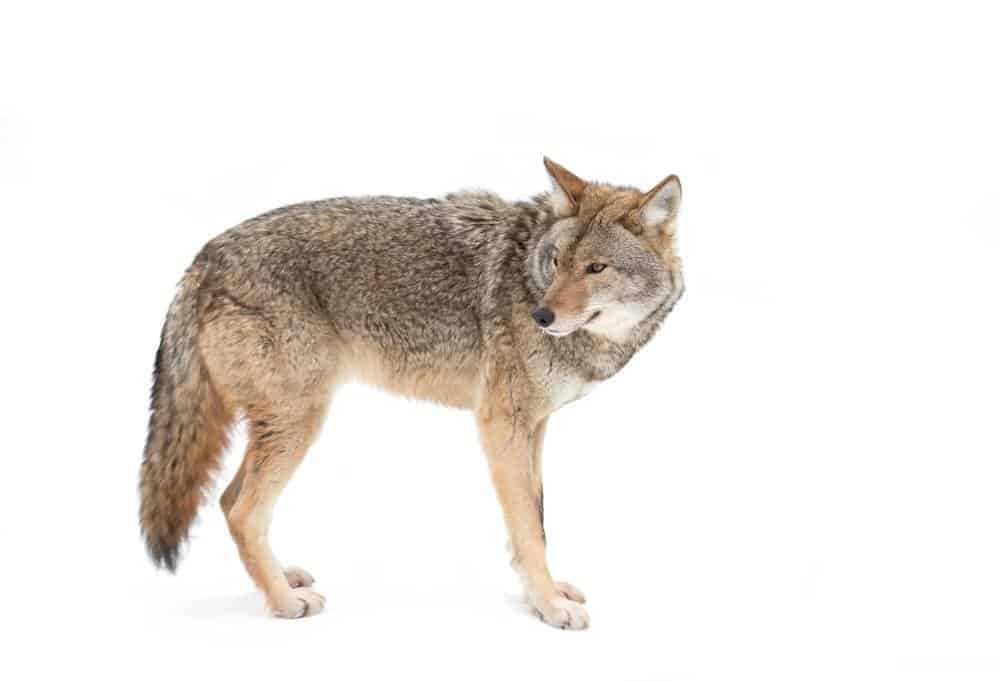
A lone coyote isolated on white background

Coyotes belong to a wide range of subspecies

There are 19 subspecies of coyotes. They include the following:

  • Belize coyote (Canis latrans goldmani): But for its size and slightly shorter muzzle, it would be almost similar to the Plains coyote. Mexico’s largest coyote, it is found close to the Guatemalan border.
  • El Salvador coyote (Canis latrans dickeyi): Having become accustomed to urban dwelling, these canines are considered something of a nuisance and may even constitute a danger in some cases.
  • Mexican coyote (Canis latrans cagottis): As its name suggests, this subspecies is native to Mexico. It is found in Puebla, Oaxaca, and Veracruz.
  • Plains coyote (Canis latrans latrans): This subspecies is the largest of them all and is noted for those especially large fangs. It can be found in the Great Plains covering a range which includes Alberta, Manitoba, Saskatchewan all the way to New Mexico.
  • San Pedro Martir coyote (Canis latrans clepticus): This territory occupied by this subspecies lies between southern California and Baja California.
  • Southeastern coyote (Canis latrans frustor): This subspecies is believed to have attained its comparatively impressive size owing to interbreeding with the red wolf. It is the largest of all coyotes.

Additional species include:

  • California Valley coyote (Canis latrans ochropus)
  • Colima coyote (Canis latrans vigilis)
  • Durango coyote (Canis latrans impavidus)
  • Eastern coyote (Canis latrans “var”)
  • The Honduran coyote (Canis latrans hondurensis
  • Lower Rio Grande coyote (Canis latrans microdon)
  • Mearns’ coyote (Canis latrans mearnsi
  • Mountain Coyote (Canis latrans lestes)
  • Peninsula coyote (Canis latrans peninsulae)
  • Northeastern coyote (Canis latrans thamnos)
  • Northwest Coast coyote (Canis latrans umpquensis)
  • The Northern coyote (Canis latrans incolatus)
  • Tiburón Island Coyote (Canis latrans jamesi)

Appearance and Behavior
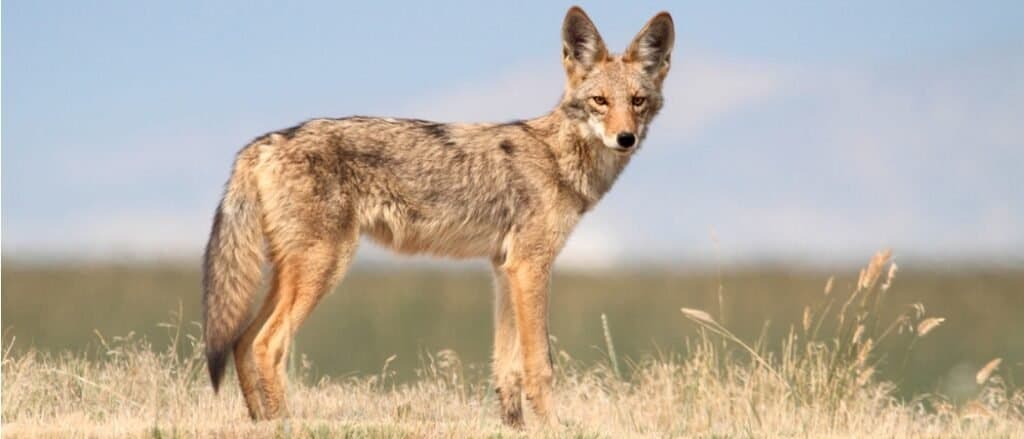
coyote standing in the field

Coyotes can grow as large as medium-sized dogs and are one of North America’s most vocal mammals

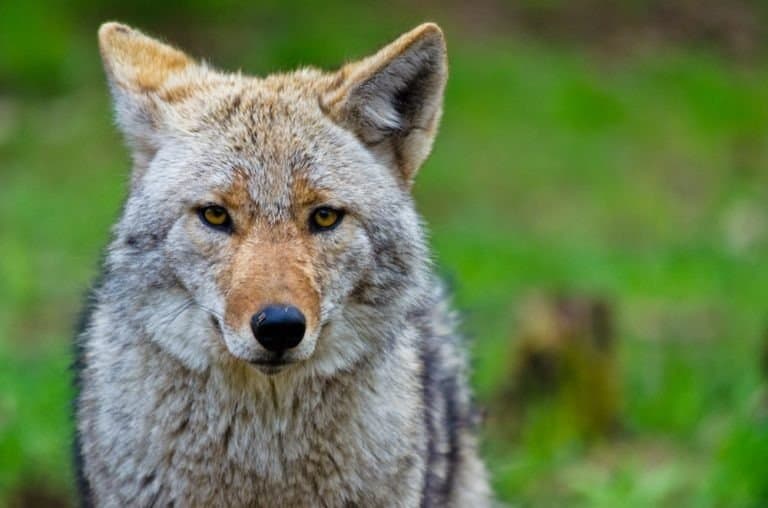
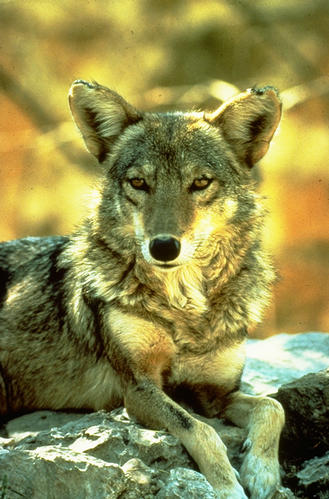
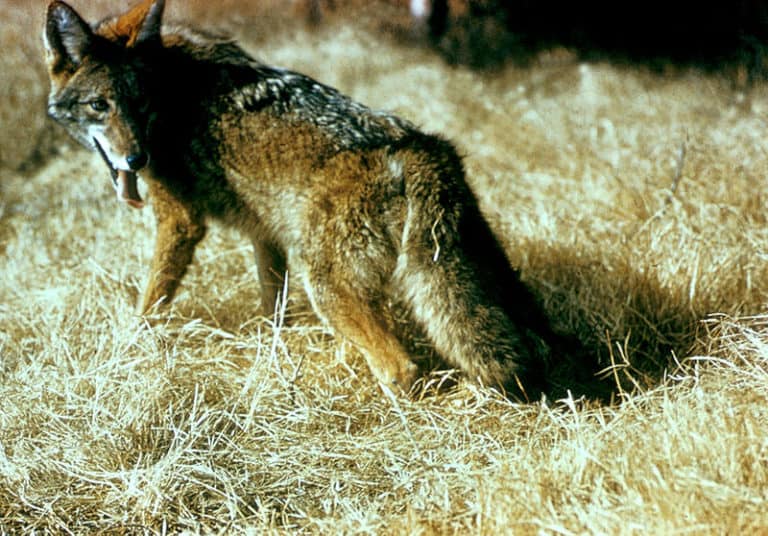
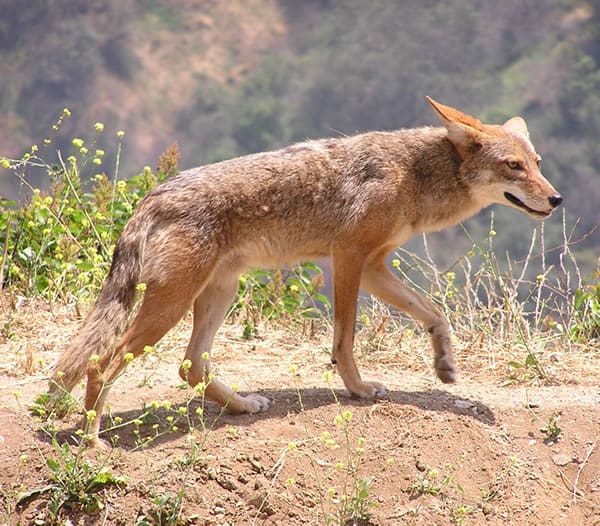
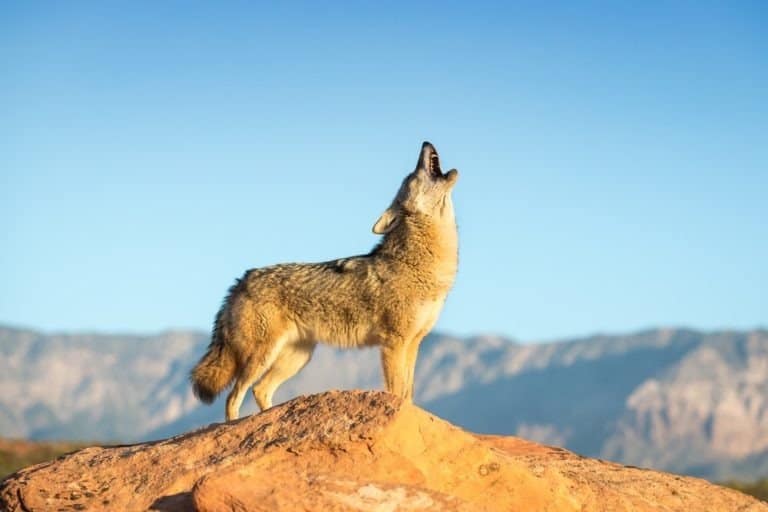
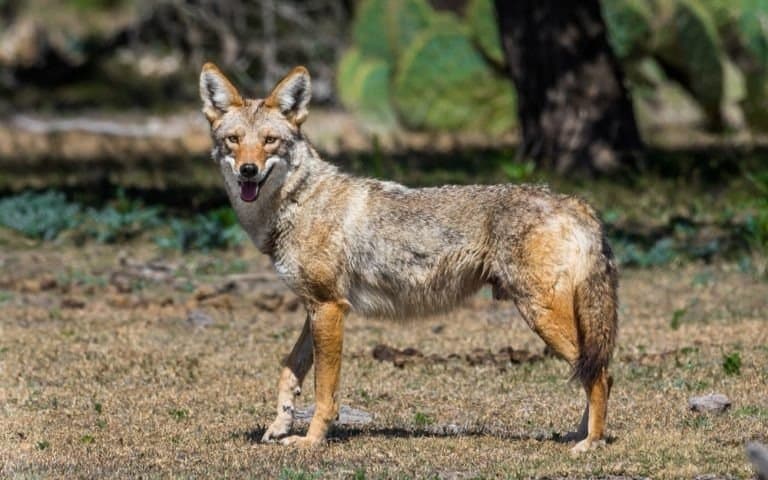
The coyote has a lean, wolf-like appearance with yellow eyes, a floppy tail, and very large ears in relation to body size. The luxurious coat consists of soft under fur and longer, tougher outer hairs. This fur has an unusual mixture of color: gray, brown, and almost yellow on the upper parts of the body, white around the stomach and throat, and red-brown around the muzzle and feet. The exact color of the fur may vary based on the geographical range of the subspecies in question. These animals shed around once a year in the summer, replacing its fur with an entirely new coat.

The typical coyote measures up to 37 inches long from the head to the rear end, plus another 16 inches along the tail. The entire body weighs up to 50 pounds, although females are slightly smaller on average than males. The coyote is about the same size as a medium dog like the bearded collie.

One interesting fact about their behavior is a highly fluid social arrangement. Although large packs are not usually the norm, this species does seek out comfort and cooperation in pairs or family units with established dominance hierarchies. This very plastic and changeable social behavior means that the coyote is comfortable hunting alone or with the pack. If it hunts with the pack, then they may target larger animals that require teamwork to bring down.

In order to communicate, the coyote has a truly massive repertoire of sounds, body language, and scent signals. It is believed to be one of the most vocal mammals in all of North America. These vocalizations serve as a way to signal alarm, convey a greeting, or announce the animal’s presence to other members of the pack. These animals sounds much like a dog or wolf with an array of different barks, howls, and growls.

Coyotes demonstrate aggression with an arched back and a threatening growl. This show of strength is particularly important when fighting with other members for dominance within the pack. On the other hand, a low body posture and yelping sounds can also signal submission to a more dominant member.

Scent is another important aspect of their communication. The species has a specialized gland located right around the tail as a signaling device to other members. The coyote will also mark its territories on rocks, bushes, or other objects.

The coyotes is a highly intelligent and resourceful animal. Unlike dogs, they probably lack the ability to follow human commands. But their cleverness has been a much remarked upon feature for many centuries, and modern studies suggest that coyotes are capable of planning out hunting strategies in advance.

Because of their long claws, they are very good diggers, and yet they prefer to find abandoned dens, usually created by badgers, woodchucks, or other animals, and then enlarge it. These burrows provide homes and a natural base for their hunting range for years at a time. Coyotes are nocturnal hunters that sleep during the day and come out at night. Their most active hours are the late evening and early morning.

Coyote vs. Wolf
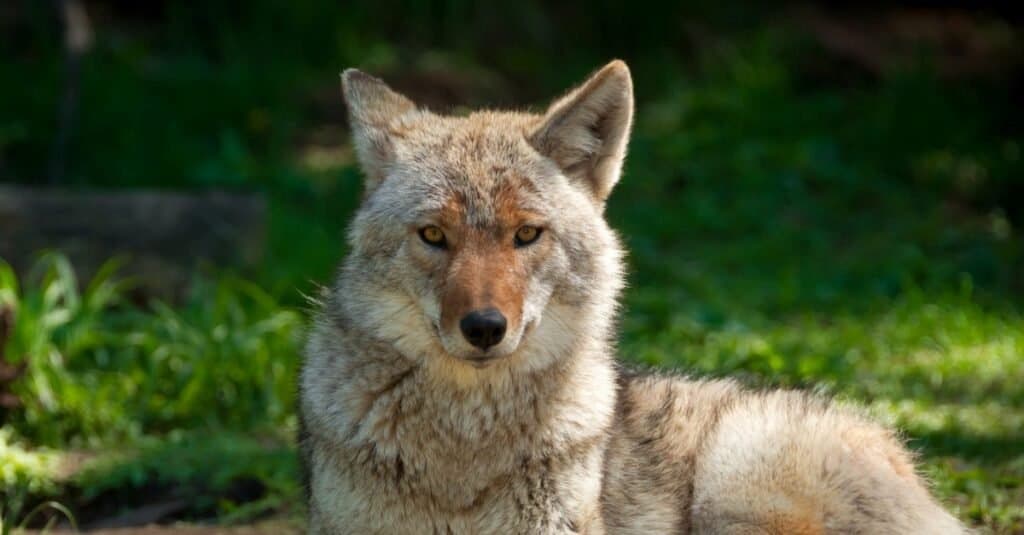
Do Coyotes Hunt in Packs

Although smaller than wolves, coyotes are just as clever

The main difference between these species is their size. The coyote is much smaller than a wolf, which can easily measure 4 to 6 feet and weigh well over 100 pounds, depending on the sex. The coyote is also less likely to form large packs. However, they generally exhibit the same degree of intelligence. Sometimes you can tell the difference just through vocalizations. The coyotes will make a frequently yipping sound for which they’re well-known.

Evolution
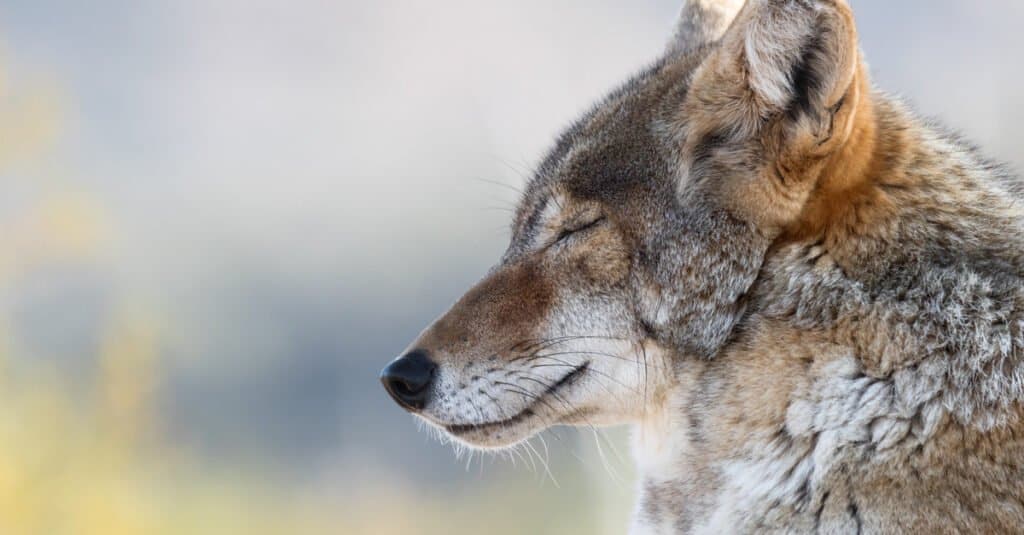
How and Where Do Coyotes Sleep - Coyote Resting

The evolution of these canids began long before that of humans

Based on fossil evidence, the evolution of coyotes probably occurred within the last million years or so. By comparison, the evolution of modern humans occurred sometime around 150,000 to 200,000 years ago. It is believed that modern coyotes appeared sometime after the latest extinction of large animals during the ice age. Forced to compete with wolves, they may have adapted by becoming smaller in size.

Because of their genetic similarities, coyotes are capable of producing viable hybridizations with wolves and even domesticated dogs. These hybrids, sometimes called a coywolf or coydog, are relatively rare in the wild because of the few opportunities to mate with other species. Some of the reasons for this rare hybridization may include differences in geographical range, different breeding seasons, and hostility between species in the wild.

Habitat
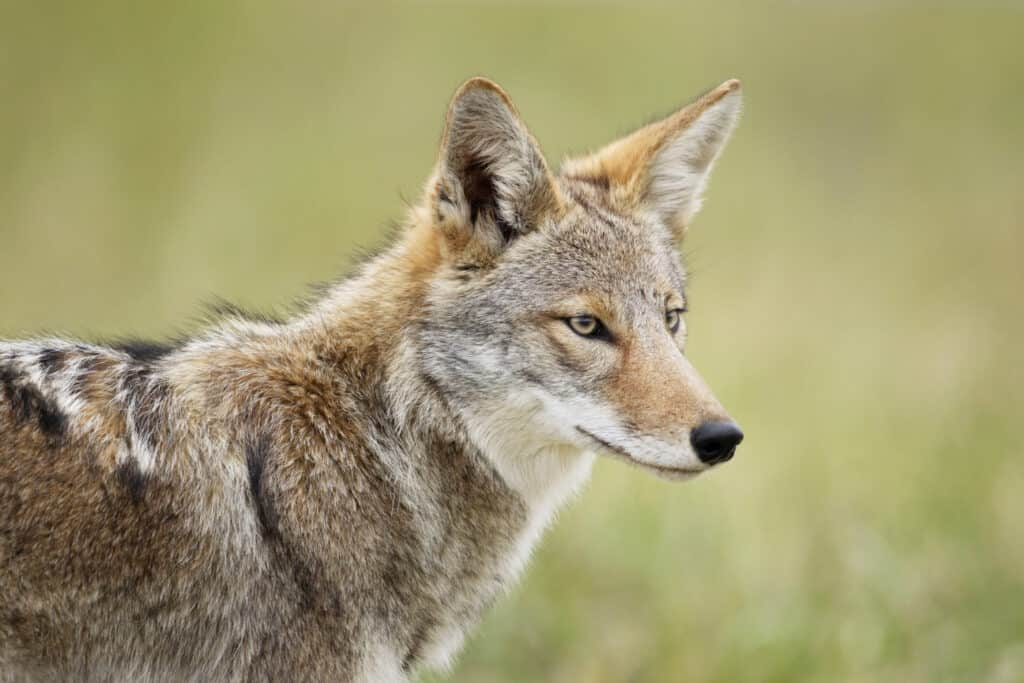
Alert coyote looks to the right with a blurred green background

Coyotes are impressively adaptable in terms of habitat

The coyote has an extensive range across most of North America, from as far south as Panama to as far north as Canada and Alaska, though it occurs in greatest density across the Great Plains. This highly adaptable animal has evolved to live in mountains, swamps, forests, plains, deserts, and even tropical rainforests. As coyotes become even more common, they have learned to live alongside humans in urban and suburban settings. The range sometimes overlaps with wolves, but as wolf populations have fallen, these animals have benefited by taking over these ranges.

Diet
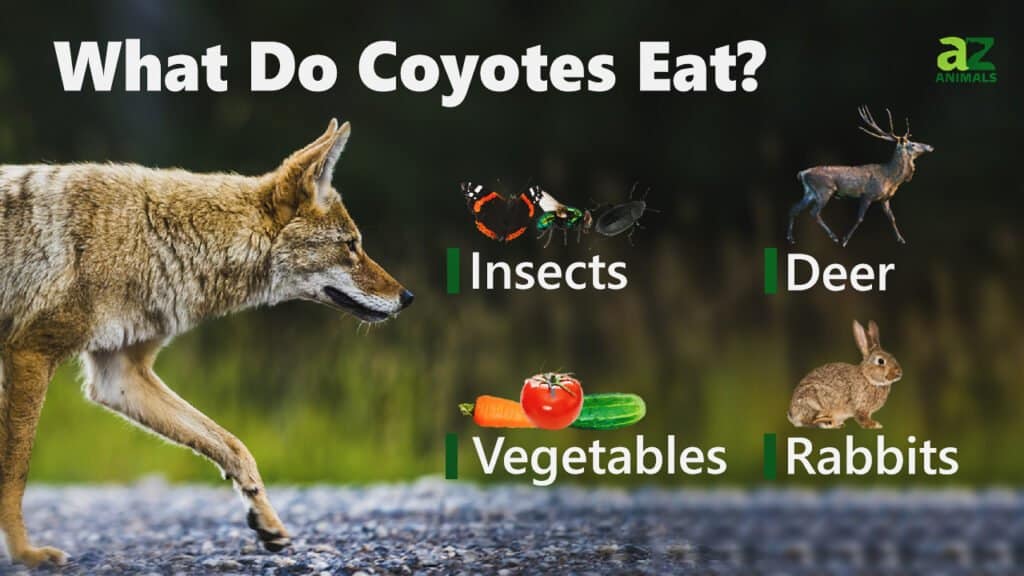
What Do Coyotes Eat

Many people don’t know that the coyote is an omnivorous species. The vast majority of this animal’s diet consists of small mammals such as rabbits, squirrels, and mice, plus sometimes large mammals such as deer. The rest of the diet consists of birds, snakes, insects, and even sometimes fruits and vegetables. These animals play an important ecological role by keeping these abundant animal populations in check. However, this can be problematic to local wildlife diversity if coyotes hunt down threatened species.

Coyotes prefer to hunt live animals, sometimes relying on the teamwork of the pack and sometimes sneaking up on prey alone, but they certainly won’t pass up a feast of dead carrion when available. Some coyotes have learned how to cleverly eat human food or leftover garbage.

Predators and Threats
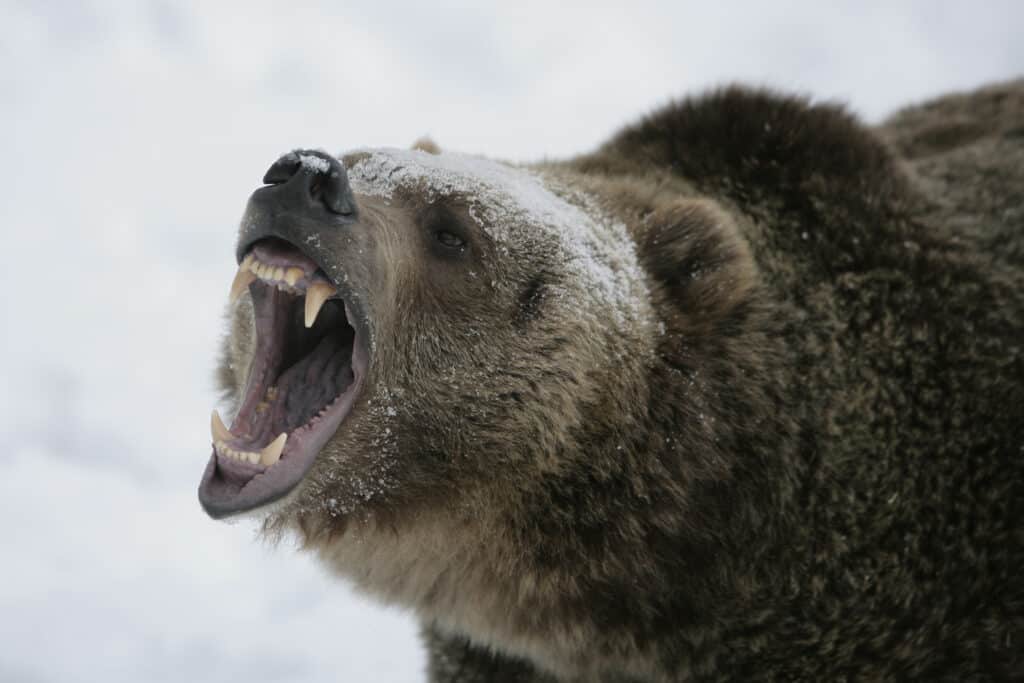
Grizzly bear in snow

Bears are a threat to coyotes

Because of its size, speed, and ferociousness, the coyote only has a few natural predators in the wild. Wolves, bears, cougars, alligators, and other large predators have been known to prey on them, but the coyote is rarely their first choice of prey. It’s easier for predators to opportunistically pick off a young, aging, or wounded coyote than an adult one.

More commonly, these animals face stiff competition from bears, wolves, and big cats for space and food. They can easily be muscled out of prime hunting locations by dint of their smaller size compared with the largest apex predators. This is not helped by the fact that the diet of coyotes and wolves often converge.

Like all species, these animals are affected by human activity. Hunting is probably the most potent threat to the coyotes’ survival. According to National Geographic, humans kill approximately 400,000 coyotes a year. Many of these deaths occur as a result of retaliation following a coyote attack on livestock such as sheep and cattle. These animals are also commonly hunted for sport or fur.

Reproduction, Babies, and Lifespan
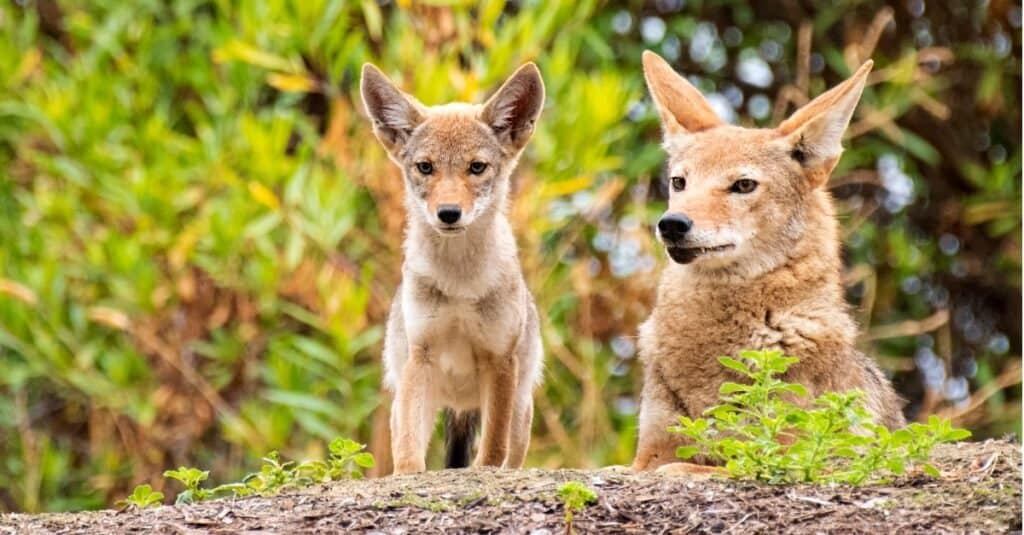
mother and baby coyote on a rock

Female coyotes often remain with the pack to help with babysitting duties

The coyote’s breeding season usually lasts for a short period of time between January and March of every year. Males and females may pair up for several years at a time, though not always for life. The female is only in heat for a few days of the year, so they have a short span of time to produce offspring.

After carrying her pups for approximately two months, the female will give birth to about six pups on average within the confines of the den. The maximum litter size is an astounding 19 pups. Because the young are born small, blind, and almost completely helpless, both parents play a role in feeding and caring for the children, though the mother is responsible for most nursing duties. It takes slightly more than a month to fully wean the pups, after which they are fed regurgitated food by the parents.

The young coyotes will achieve full independence from their parents around six to nine months of life. Males will often wander off to find their own fortune, but females will remain with the pack for much longer, sometimes helping to raise and feed the subsequent young. These animals reach their full size and sexual maturity within their first year. The typical coyote can live up to 10 years in the wild and 18 or 20 years in captivity. Hunting, disease, and car accidents are common killers of the coyote.

Population

According to the IUCN Red List, which tracks the conservation status of many known animals, the coyote is a species of least concern. Despite the number of coyotes hunted and killed every year, population numbers are actually increasing throughout most of their natural range. This is because these animals have adapted extraordinarily well to human civilization. The depletion of local wolf, bear, and cougar number may have also helped boost coyote numbers. However, the exact population numbers are not fully estimated.

Coyotes in the Zoo

The coyote is a very common sight in American zoos. The Minnesota Zoo contains a coyote den along its Minnesota Trail. The Akron Zoo showcases coyotes on Grizzly Ridge near red wolves and grizzly bears. And the Jacksonville Zoo has coyotes at its Wild Florida exhibit. Coyotes are also found at the Cameron Park Zoo in Waco, Texas, and the Buttonwood Park Zoo in New Bedford, Massachusetts.

View all 392 animals that start with C
How to say Coyote in ...
Bulgarian
Койот
Catalan
Coiot
Czech
Kojot prérijní
Danish
Prærieulv
German
Kojote
English
Coyote
Esperanto
Kojoto
Spanish
Canis latrans
Estonian
Koiott
Finnish
Kojootti
French
Coyote
Hebrew
זאב ערבות
Croatian
Kojot
Hungarian
Prérifarkas
Indonesian
Koyote
Italian
Canis latrans
Japanese
コヨーテ
Latin
Coiotes
Dutch
Coyote
English
Prærieulv
Polish
Kojot
Portuguese
Coiote
English
Coiot
Swedish
Prärievarg
Turkish
Kır kurdu
Vietnamese
Sói đồng cỏ Bắc Mỹ
Chinese
郊狼

Sources

  1. David Burnie, Dorling Kindersley (2011) Animal, The Definitive Visual Guide To The World's Wildlife / Accessed November 10, 2008
  2. Tom Jackson, Lorenz Books (2007) The World Encyclopedia Of Animals / Accessed November 10, 2008
  3. David Burnie, Kingfisher (2011) The Kingfisher Animal Encyclopedia / Accessed November 10, 2008
  4. Richard Mackay, University of California Press (2009) The Atlas Of Endangered Species / Accessed November 10, 2008
  5. David Burnie, Dorling Kindersley (2008) Illustrated Encyclopedia Of Animals / Accessed November 10, 2008
  6. Dorling Kindersley (2006) Dorling Kindersley Encyclopedia Of Animals / Accessed November 10, 2008
  7. David W. Macdonald, Oxford University Press (2010) The Encyclopedia Of Mammals / Accessed November 10, 2008
  8. Animal Diversity Web / Accessed October 25, 2020
  9. Brittanica / Accessed October 25, 2020
  10. Scientific American / Accessed October 25, 2020
Dana Mayor

About the Author

Dana Mayor

I love good books and the occasional cartoon. I am also endlessly intrigued with the beauty of nature and find hummingbirds, puppies, and marine wildlife to be the most magical creatures of all.
Connect:

Thank you for reading! Have some feedback for us?


Coyote FAQs (Frequently Asked Questions)

The coyote is a type of medium-sized wild canine. The appearance and tracks of the coyote and wolf are similar, but you should tell the coyote apart by the smaller size.