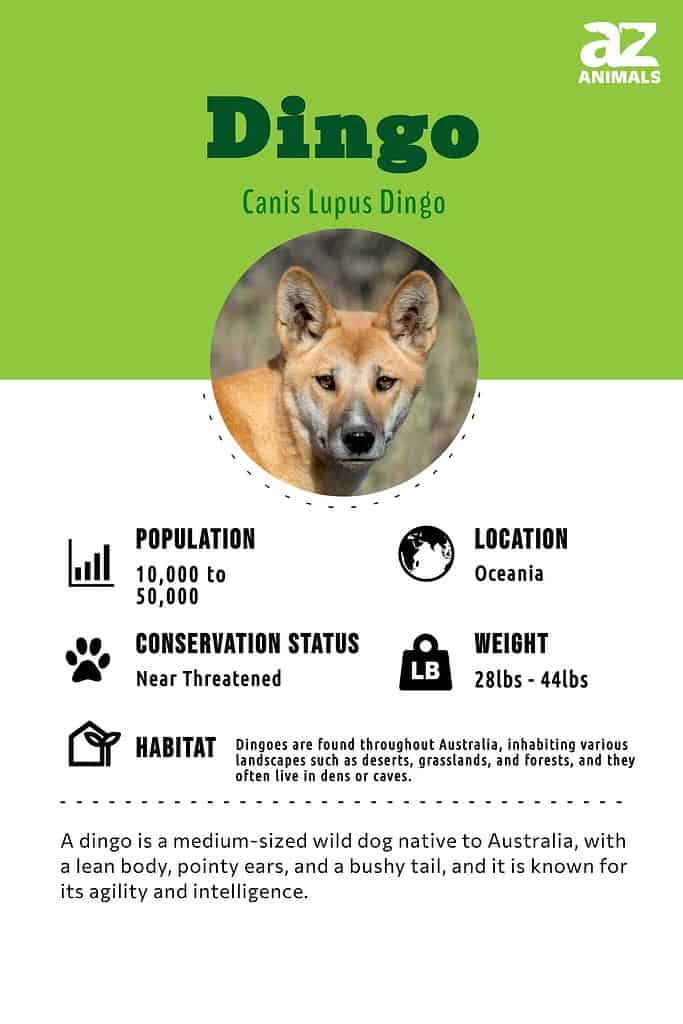
D
Species Profile

Dingo

Canis lupus dingo

Australia's wild voice of the outback
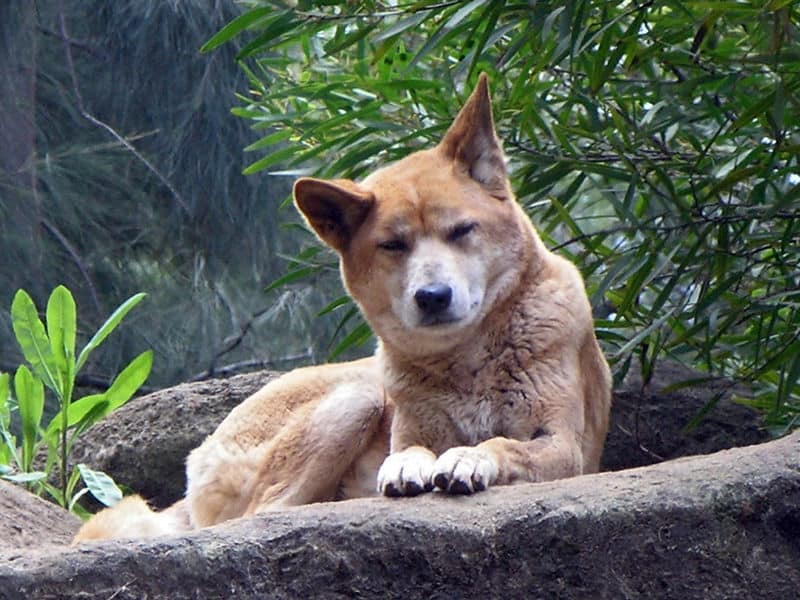
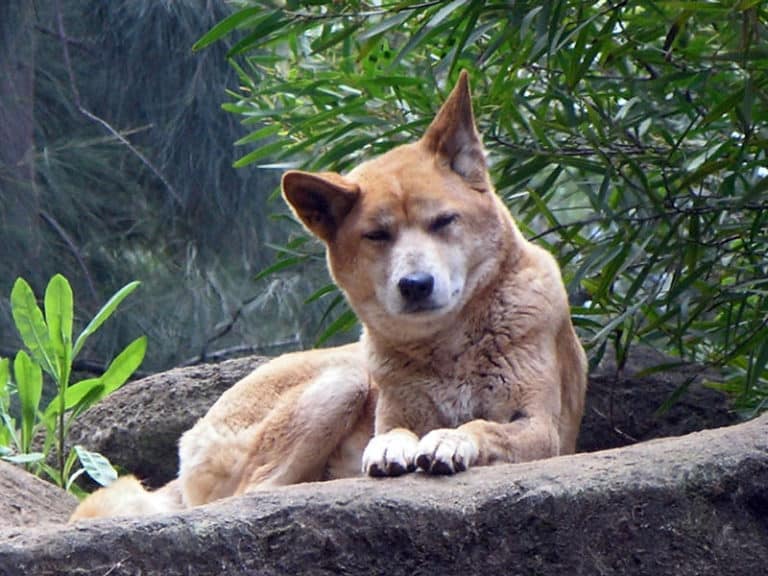
SeanMack, CC BY-SA 3.0, via Wikimedia Commons

Dingo Distribution

Click a location to explore more animals from that region

Loading map...

Found in 1 country

Size Comparison

Human 5'8"
Dingo 1 ft 10 in

Dingo stands at 32% of average human height.

Dingo at Perth Zoo, taken in September 2005

At a Glance

Wild Species
Also Known As wild dog, native dog, native wolf, warrigal, feral dog
Diet Omnivore
Activity Crepuscular+
Lifespan 7 years
Weight 20 lbs
Status Not Evaluated
Did You Know?

Taxonomy is debated: often treated as Canis lupus dingo, sometimes as Canis familiaris dingo (gray wolf-dog complex).

Scientific Classification

The dingo is an ancient, free-ranging canid of Australia, generally considered a subspecies/lineage within the gray wolf–domestic dog complex. It is a medium-sized canid with a typically sandy/yellowish coat, upright ears, and a bushy tail, and it plays a major ecological role as a top predator/scavenger in many Australian ecosystems.

Kingdom
Animalia
Phylum
Chordata
Class
Mammalia
Order
Carnivora
Family
Canidae
Genus
Canis
Species
Canis lupus

Distinguishing Features

  • Medium-sized canid; generally lean build with long legs
  • Usually erect, triangular ears; wedge-shaped head
  • Common coat colors include tan/sandy/ginger; also black-and-tan or white; typically no highly specialized ‘breed’ traits
  • Free-ranging ecology (pack/solitary hunting, scavenging) and major predatory role in Australia
  • Frequent conservation/management discussions focus on hybridization with domestic dogs

Physical Measurements

Males and females differ in size

Height
1 ft 10 in (1 ft 8 in – 1 ft 12 in)
1 ft 9 in (1 ft 7 in – 1 ft 11 in)
Length
4 ft 5 in (3 ft 11 in – 4 ft 11 in)
3 ft 10 in (3 ft 8 in – 4 ft 1 in)
Weight
36 lbs (29 lbs – 44 lbs)
29 lbs (22 lbs – 35 lbs)
Tail Length
1 ft 2 in (12 in – 1 ft 4 in)
1 ft 1 in (12 in – 1 ft 3 in)
Top Speed
37 mph
Reported up to 60 km/h

Appearance

Primary Colors
Secondary Colors
Skin Type Mammalian skin with a short-to-medium, weather-resistant double coat (coarse guard hairs over a dense undercoat) suited to Australian climates; seasonal shedding common.
Distinctive Features
  • Medium-sized, lightly built canid with upright, triangular ears, long narrow muzzle, and a bushy tail carried low or with a slight curve.
  • Typical adult sizes: body length 86–122 cm, tail 26–38 cm, shoulder height 44–62 cm, weight usually 13–20 kg; varies by region, sex, and mixing with dogs.
  • Dentition and skull generally dog/wolf-like; comparatively long rostrum and relatively large carnassials consistent with a predatory/scavenging lifestyle in Australian ecosystems (commonly described in morphological treatments of dingoes; e.g., Corbett 2001).
  • Fore- and hind-feet often described as relatively large and robust for body size, aiding long-distance travel; gait is efficient and cursorial.
  • Across mainland Australia and islands, the dingo (Canis lupus dingo) is often the largest land predator and scavenger, with a lean body built for long runs rather than the heavy build of many pet dogs.
  • Longevity: wild lifespan often reported around ~5-10 years, with longer lifespans in captivity commonly reported into the teens (e.g., ~15+ years) (Corbett 2001; reported ranges vary by study and conditions).
  • Dingoes are very mobile with large home ranges. They are often active at dawn, dusk, or night near people. They may live alone, in pairs, or packs; group size changes with prey and human disturbance.

Sexual Dimorphism

Sexual dimorphism is present but moderate: males average larger/heavier with broader heads/neck musculature; females are typically smaller and more lightly built. Exact magnitude varies by region and admixture; field studies commonly report overlapping ranges but higher male means (summarized in Corbett 2001).

  • On average higher body mass within reported adult range (~13-20 kg overall; males tending toward the upper end in many populations) (Corbett 2001).
  • Broader skull/zygoma and more pronounced neck/shoulder musculature; overall more robust forequarters.
  • Slightly greater average shoulder height and head-body length than females in many measured samples (Corbett 2001).
  • On average lighter body mass and a more gracile build; narrower head/neck relative to males.
  • May show more obvious rib/waist definition outside of pregnancy/lactation due to smaller absolute mass and similar coat length.
  • Mammary development during lactation can be visible in the short-to-medium coat, especially on the ventrum.

Did You Know?

Taxonomy is debated: often treated as Canis lupus dingo, sometimes as Canis familiaris dingo (gray wolf-dog complex).

Typical size (Corbett, 2001): head-body 86-122 cm; tail 26-38 cm; shoulder height 44-63 cm.

Typical mass (Corbett, 2001): females ~10-16 kg; males ~13-20 kg (some individuals heavier).

Dingoes are usually monoestrous (one breeding season/year). Mating often Mar-May; births commonly May-Jul; gestation ~63 days (Corbett, 2001).

Litters commonly ~4-6 pups (range reported 1-10) (Corbett, 2001).

They vocalize with long, carrying howls and yaps; compared with many domestic dogs, they bark less often and more briefly (behavioral summaries in Corbett, 2001).

Oldest widely cited archaeological dingo remains in Australia are ~3,500 years old; reviews place arrival roughly 3,500-5,000 years BP (e.g., Fillios & Taçon, 2016).

Unique Adaptations

  • Generalist diet and scavenging ability: can switch among mammals, birds, reptiles, invertebrates, and carrion-supporting persistence from deserts to tropical savannas (Corbett, 2001).
  • Efficient long-distance travel: long legs, narrow chest, and endurance-oriented gait suit patrolling large home ranges in low-productivity landscapes (morphology/ecology synthesis in Corbett, 2001).
  • Heat and water stress coping typical of arid-zone canids: behavioral thermoregulation (resting in shade/at dens, shifting activity to cooler hours) is central to surviving hot, dry regions (field summaries in Corbett, 2001).
  • Cranio-dental robustness: well-developed carnassials and strong jaws support both predation and carcass processing (standard canid functional morphology; dingo-specific descriptions summarized in Corbett, 2001).
  • Ecological role adaptation: functions as a top predator/scavenger in many Australian ecosystems, influencing prey populations and scavenger access-especially where larger predators are absent (widely documented in Australian predator ecology literature).

Interesting Behaviors

  • Cooperative hunting that scales with prey size: solitary or pairs for small prey; packs more likely for larger prey (e.g., macropods) where available (documented across field studies summarized in Corbett, 2001).
  • Flexible activity patterns: more nocturnal/crepuscular in human-dominated areas; can be more diurnal in remote regions (field observations summarized in Corbett, 2001).
  • Scent-marking and territoriality: regularly uses urine/feces marking along travel routes and boundaries; territories can be defended by resident packs (Corbett, 2001).
  • Denning and pup-rearing: pups are raised in dens (burrows/rock shelters); packs may provision nursing females and regurgitate food for pups (Corbett, 2001).
  • Vocal communication: group howling can coordinate spacing and reunions; individuals also use yaps, whines, and growls for close-range social signals (Corbett, 2001).
  • Intraspecific social structure: typically a dominant breeding pair in a pack, with subordinate adults helping; non-breeding suppression can occur in stable packs (Corbett, 2001).

Cultural Significance

Dingo (Canis lupus dingo) is important in Australian culture and law. Aboriginal and Torres Strait Islander peoples see dingoes in kinship, totems and Dreaming. They are central to land-use conflicts (e.g., Dingo Fence) and debates over pure versus hybrid animals that shape laws and rules.

Myths & Legends

Dingo Dreaming traditions (recorded in multiple Aboriginal language groups) tell of ancestral dingoes traveling the land, establishing places, rules, and kinship responsibilities; some communities maintain Dingo Dreaming tracks/songlines connected to specific sites and ceremonial obligations.

In many Aboriginal stories, the dingo is a clever hunter and sometimes a trickster whose actions explain landscape features, like the origin of waterholes, and why some animals behave the way they do.

Traditional tales from different regions recount dingoes interacting with kangaroos and emus-often as moral stories about greed, sharing, or paying attention to country-ending with lasting changes to animals or places.

Historical frontier folklore cast the "warrigal" (a colonial-era term for wild dogs/dingoes) as a near-supernatural bush predator in settler storytelling, a figure used to dramatize the dangers and isolation of the outback.

Conservation Status

NE Not Evaluated

Has not yet been evaluated against the criteria.

Population Decreasing

Protected Under

  • Australia (federal): Not listed as a protected threatened taxon under the EPBC Act; management is primarily at state/territory level and often framed under 'wild dog' control.
  • Victoria: Listed as threatened under the Flora and Fauna Guarantee Act 1988 (state-level recognition/protection measures may apply), but control may still occur under specific authorisations/land tenures.
  • New South Wales: Generally protected within many national parks/reserves under the National Parks and Wildlife Act 1974; however, dingoes/wild dogs may be subject to control in other tenures and under pest management frameworks.
  • Queensland: Regulated principally as 'wild dog' under biosecurity/pest management frameworks (e.g., Biosecurity Act 2014), enabling control rather than protection across most areas.
  • South Australia / Western Australia / Northern Territory: Typically managed under pest/wild dog control provisions in many regions, with protection varying by land tenure (e.g., conservation reserves vs. pastoral/agricultural lands).

Life Cycle

Birth 5 pups
Lifespan 7 years

Lifespan

In the Wild
5–10 years
In Captivity
12–16 years

Reproduction

Mating System Monogamy
Social Structure Cooperative Breeder
Breeding Pattern Long Term
Fertilization Internal Fertilization
Birth Type Internal_fertilization

Dingoes (Canis lupus dingo) usually breed as one dominant male–female pair in a pack, helped by non-breeding helpers. Females have one heat a year (often March–June); pregnancy ~63 days; litters 1–10 (mean ~5). Pairs often stay together, but extra mating sometimes occurs.

Behavior & Ecology

Social Pack Group: 5
Activity Crepuscular, Nocturnal, Cathemeral
Diet Omnivore European rabbit (Oryctolagus cuniculus)

Temperament

Generally wary/neophobic toward humans in remote populations; avoidance increases with persecution intensity (Corbett, 2001).
Territorial and strongly scent-oriented; groups defend largely exclusive home ranges with boundary marking and patrols (Corbett, 2001).
Socially tolerant and cooperative within family/pack (pup provisioning, guarding), but intra-pack dominance and aggression can occur around breeding/food (Corbett, 2001).
Dingo (Canis lupus dingo) behavior changes by place: more active at night and shy near people, but more daytime and social in undisturbed areas; group size grows with large prey, dead animals or dumps.

Communication

Howls Including long-distance contact howls; chorus howling occurs in groups) (Corbett, 2001
Growls/snaps Agonistic signals during conflict or resource defense) (Corbett, 2001
Whines/whimpers Submissive/affiliative and pup-contact sounds) (Corbett, 2001
Yelps/squeals Pain/fear, high arousal, play or conflict contexts) (Corbett, 2001
Barks are comparatively infrequent versus many domestic dogs; when present often as short alarm-type barks in high arousal contexts Corbett, 2001
Scent marking: urine marking Including raised-leg urination), ground scratching, and fecal deposition on conspicuous features (tracks, logs, junctions) for territorial advertisement (Corbett, 2001
Body posture and facial expression: tail carriage, ear position, piloerection, muzzle/teeth display to signal dominance, submission, or intent Corbett, 2001
Tactile/affiliative behaviors: muzzle licking, social grooming, play bows and play-chase Especially among juveniles) supporting cohesion (Corbett, 2001
Spatial signaling: patrol routes, rendezvous sites, and repeated use of scent-marked boundary points to coordinate group movements Corbett, 2001

Habitat

Biomes:
Savanna Desert Hot Mediterranean Temperate Grassland Temperate Forest Tropical Dry Forest Tropical Rainforest Alpine Wetland +3
Terrain:
Plains Hilly Plateau Valley Mountainous Coastal Riverine Rocky Sandy Island +4
Elevation: Up to 7309 ft 9 in

Ecological Role

Apex predator and scavenger (or top-level predator where larger predators are absent), with strong mesopredator- and herbivore-regulating effects in many Australian ecosystems.

Regulates populations of key prey (e.g., rabbits and some macropods), potentially reducing grazing pressure and supporting vegetation recovery in some contexts Suppresses/competes with smaller predators (e.g., red foxes and feral cats in some systems), which can benefit smaller native fauna under certain conditions Carrion removal and nutrient cycling via scavenging Creates carcass resources for scavengers and decomposers, influencing food-web structure

Diet Details

Main Prey:
European rabbit Macropods Small mammals Bandicoots Brushtail possum Birds Reptiles Large invertebrates Carrion Livestock +4
Other Foods:
Seasonal fruits and berries Grasses and plant material Seeds and plant fragments

Human Interaction

Domestication Status

Wild

Dingo (Canis lupus dingo) arrived in Australia about 3,000–5,000 years ago, likely from Southeast Asian domestic dogs. They live mostly free and often mix with pet dogs. Dingoes have cultural roles for Aboriginal and Torres Strait Islander peoples, cause livestock losses leading to lethal control and the Dingo Fence, and act as top predators.

Danger Level

Moderate
  • Bite risk increases with habituation and food-conditioning (approaching people, attempting to take food), especially at campsites and tourist areas; children are at higher risk due to size and behavior.
  • Defensive aggression near dens or when pups are present; risk can rise seasonally during breeding/denning periods.
  • Rare but severe attacks have been documented in Australia; the best-known fatal incident involved an infant taken by a dingo near Ayers Rock in 1980 (widely discussed in coronial and management literature).
  • Zoonotic/parasite considerations typical of wild canids (e.g., gastrointestinal parasites); rabies is not established in Australia, but general wildlife handling carries disease/parasite exposure risk.
  • Vehicle collisions and human attempts to feed/handle animals are common injury pathways for both people and dingoes.

As a Pet

Not Suitable as Pet

Legality: Laws change by place and often limit keeping dingoes (Canis lupus dingo). In Australia permits, secure pens, or bans may apply; other places treat dingo-hybrids or exotic canids differently. Check local authorities.

Care Level: Expert Only

Purchase Cost: Up to $2,000
Lifetime Cost: $15,000 - $45,000

Economic Value

Uses:
Livestock production impacts (depredation losses; prevention/mitigation costs) Pest-management and control services industry (trapping, fencing, baits; professional contractors) Tourism/education (wildlife viewing; sanctuaries; interpretive programs) Scientific research value (ecology, evolution, genetics/hybridization) Cultural value (Indigenous cultural significance)
Products:
  • Predator-proof fencing and maintenance services (e.g., exclusion fencing, including large-scale barrier fencing)
  • Dingo management/control expenditures (trapping services, monitoring programs, deterrents/guardian animal programs)
  • Tourism revenue at wildlife parks/sanctuaries and guided interpretation in dingo-occupied areas
  • Research outputs (datasets, genetic assays for purity/hybrid status, tracking programs)

Relationships

Predators 5

Human
Human Homo sapiens
Domestic dog
Domestic dog Canis lupus familiaris
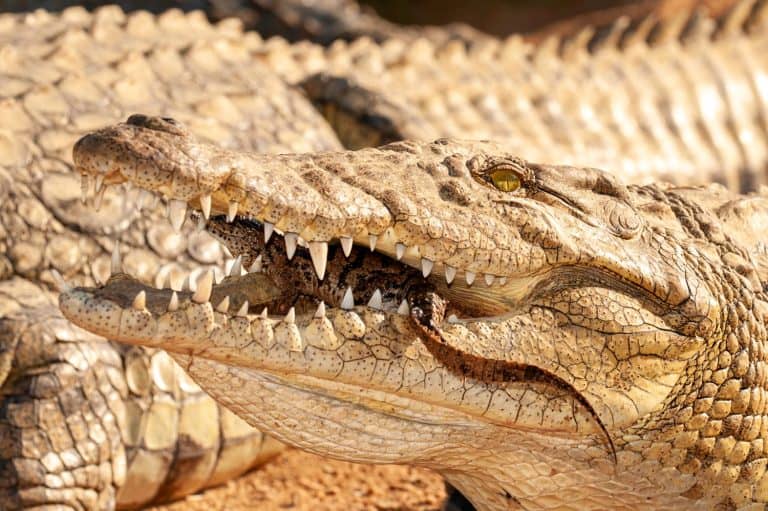
Saltwater crocodile Crocodylus porosus
Wedge-tailed eagle Aquila audax
Red fox
Red fox Vulpes vulpes

Ecological Equivalents 5

Animals that fill a similar ecological role in their ecosystem

Red fox
Red fox Vulpes vulpes Introduced mesopredator in Australia that overlaps with dingoes in diet (small mammals, reptiles, carrion) and space use. Dingoes can suppress fox activity and abundance via interference competition and intraguild killing; this has been documented in multiple Australian field studies and syntheses (e.g., Letnic et al.).
Feral cat Felis catus Widespread introduced mesopredator that uses a similar prey base (small mammals, birds, reptiles) and occupies similar habitats. Often occurs at higher density where dingo activity is low, consistent with top-predator suppression/mesopredator release frameworks reported in Australian ecological literature.
Tasmanian devil
Tasmanian devil Sarcophilus harrisii Native large scavenging and predatory marsupial that, like dingoes, functions as a high-trophic consumer and carrion user. Ecological similarity is strongest in the scavenging role and in impacts on carcass removal and smaller scavengers, though devils are now restricted to Tasmania.
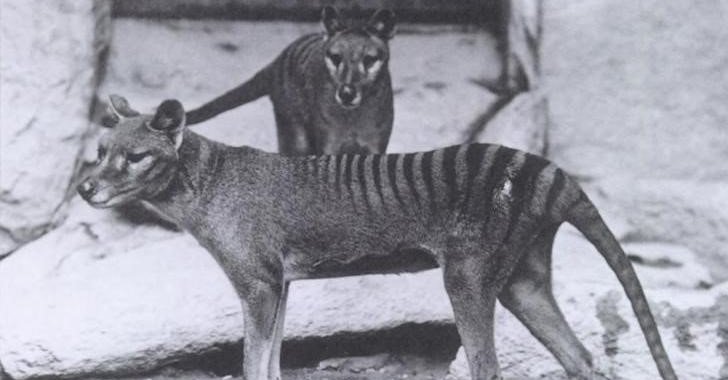
Thylacine Thylacinus cynocephalus Extinct apex large predator that historically occupied a broadly similar niche (medium-large prey and scavenging) in parts of Australia and Tasmania; frequently discussed as a functional analogue when considering trophic roles of large predators in Australian ecosystems.
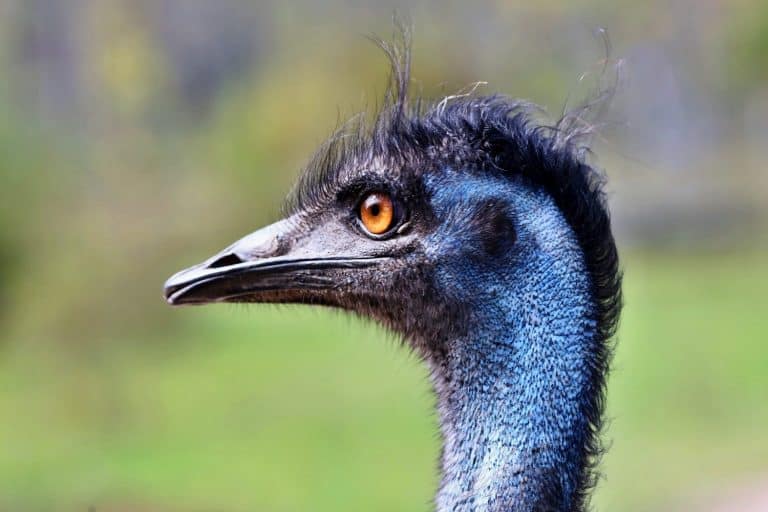
Wedge-tailed eagle Aquila audax Large raptor and scavenger that strongly overlaps with dingoes in carrion use and predation on medium-sized mammals (e.g., rabbits and young macropods). Both can be dominant consumers at carcasses and influence scavenger community structure.

The dingo is the only canine species native to Australia.

Doting parents but fierce predators, dingoes are animals that are well-adapted to the harsh and diverse climates of Australia and the Pacific region.

These creatures are considered to be a wild type of dog and exhibit similar pack behavior and hunting strategies as the closely related wolf.

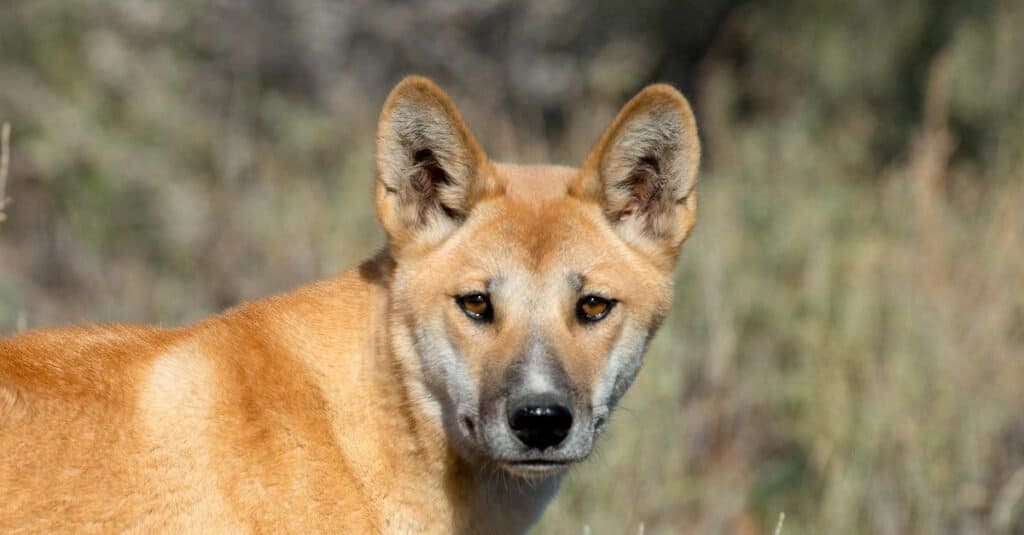
They can be distinguished from similar canines by their almost fiery red coat color.

5 Incredible Dingo Facts!
Most Vicious Animals

Most Vicious Animals

  • The dingo is an animal that appears to play a minor role in the mythological and religious beliefs of some indigenous Australians.
  • Dingoes are capable of interbreeding with domesticated dogs, which has created problems with the preservation of the wild dingo line.
  • Dingo packs appear to have strict social hierarchies. They are kept together by the leadership and cunning of the alpha males and alpha females whom the rest of the pack must respect and defer to. The alphas also have exclusive breeding rights.
  • Dingoes are animals that tend to inhabit a vast range of parks and reservations within the most uninhabited parts of the island.
  • Due to the incursion of human settlements, some populations may live in close proximity to people in a few areas.

You can check out more incredible facts about dingoes.

Dingo Scientific Name
Types of Wild Dogs

The dingo (Canis familiaris dingo, Canis familiaris, Canis dingo, or Canis lupus dingo) is a legendary dog from Australia’s prehistoric lineage.

The scientific name of the dingo is Canis lupus dingo. Lupus, as many people already know, is the Latin word for wolf, while the name dingo was taken from the local Dharug language of the indigenous Australians located around the Sydney area.

However, the taxonomical classification of the dingo is the subject of fierce debate. The animal is currently classified as a subspecies of the gray wolf, but some taxonomists believe that there are enough physical and genetic differences to classify it as an entirely separate species altogether. Either way, the dingo is part of the genus Canis, which also makes it closely related to the coyote, the African golden wolf, and the Ethiopian wolf. It is more distantly related to foxes.

The oldest dingo fossil ever unearthed is some 3,500 years old, but studies suggest that the subspecies likely arrived in Australia well before then. The dominant view is that the dingoes were brought over by humans after the domestication of dogs, which would arguably make them the first of many placental mammals to be deliberately introduced into Australia.

However, not all experts agree with this view. The alternate view is that the dingoes may have migrated on their own thousands of years earlier when the sea levels between the island and the continent were much lower.

Evolution and Origins

The Dingo, which is Australia’s untamed canine, is an antique kind of domesticated dog that was brought to Australia approximately 4,000 years ago, possibly by Asian sailors, and it is believed to have originated from early varieties of domesticated dogs found in Southeast Asia.

East Asian dogs were the ancestors of the dingo. Many domestic dog mtDNA types were imported into the Island of Southeast Asia, but only Type A29 made it to Australia.

The dingo, which is the sole native canine species of Australia, is believed to have descended from wolves originating in South Asia and its scientific name is Canis familiaris. With their striking appearance, inquisitive nature, and an occasional threat to humans, dingoes can be spotted throughout Australia and they hold significant importance in the country’s ecosystem.

Dingo Appearance and Behavior
Wild Dog Breeds

Wild Dog Breeds

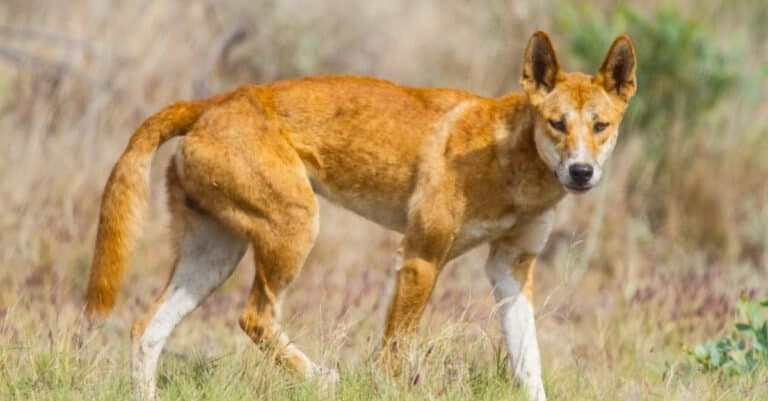
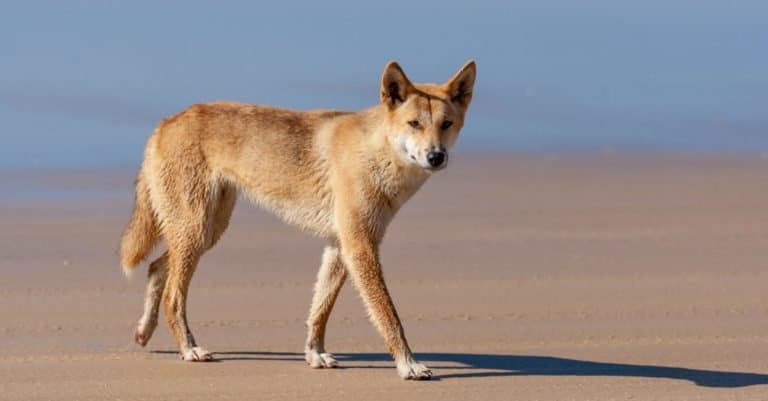
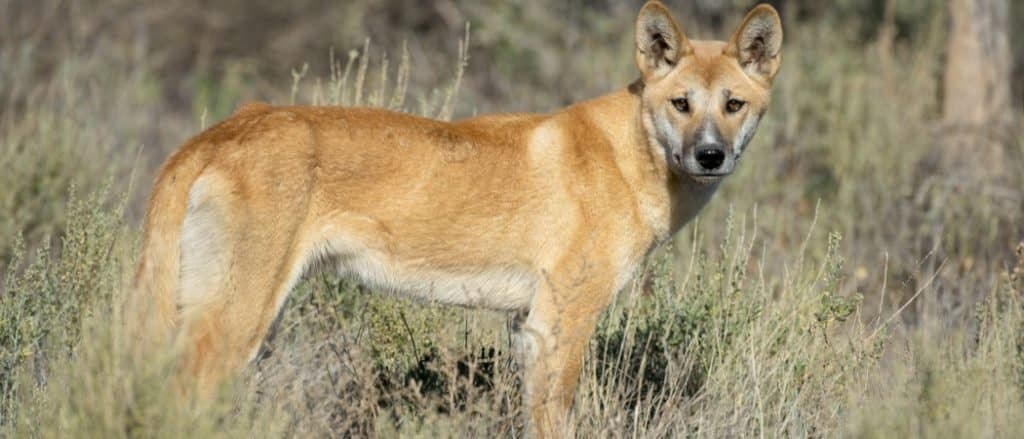
With its lean appearance, pointed ears, short fur, bushy tail, and long snout, the dingo animal resembles a medium-sized dog in most of its prominent characteristics.

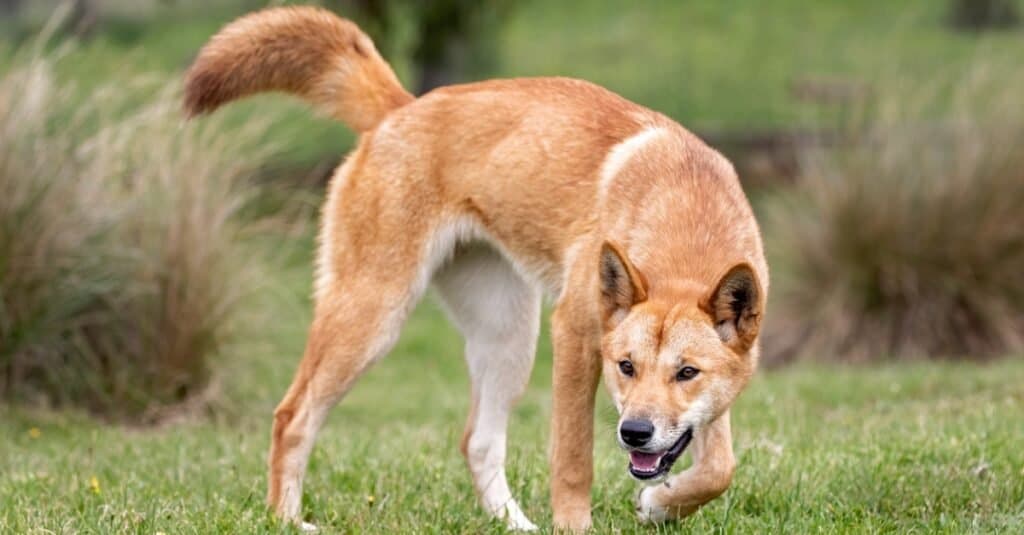
The animal measures around four feet between the head and the body, while the tail adds another foot to its length. It is anywhere between 22 and 33 pounds in weight. The coat color may range between tan, red, or yellow. Individuals tend to have a white coloration along their bellies and inner legs, but black patterns have also been identified in the wild.

The dingo is quite similar to the wolf in its highly diverse and intricate social arrangement. While young males tend to be solitary creatures, the most common social arrangement consists of packs of up to 10 individuals at a time.

The pack typically contains the main mating pair, the offspring, some extended family, and perhaps the offspring from the previous year. Males tend to be dominant over female members, and higher-ranked members will attempt to establish dominance over lower-ranked members of the pack and guard their rank fiercely.

The pack offers protection and security to each of its members, regardless of rank. Together the members will cooperate with each other to gather food, protect the young, and survive in the wild.

Dingo communication consists of various forms of barking, howling, and growling. Their barking is very distinct from a dog bark and makes up only a small fraction of their verbal repertoire. Their growling is intended to ward off potential dangers and threats, and it is also used as a means of enforcing dominance over other members of the pack.

In addition, they have several distinct forms of howling, which can vary in sound and intensity based on the season and the time of day, although it is not entirely clear why they howl. Like other canines, dingoes also have a superb sense of smell. They have been known to mark their scents on various objects or places to convey information to other individuals.

Dingoes do not usually travel far from the initial place of their birth. They will live, hunt, and rear their family within a narrow territory of only a few miles at a time. Dingoes are also nocturnal creatures; they spend most of their waking hours at night with peak activity around dusk and dawn. Dingoes have short periods of activity followed by longer periods of rest.

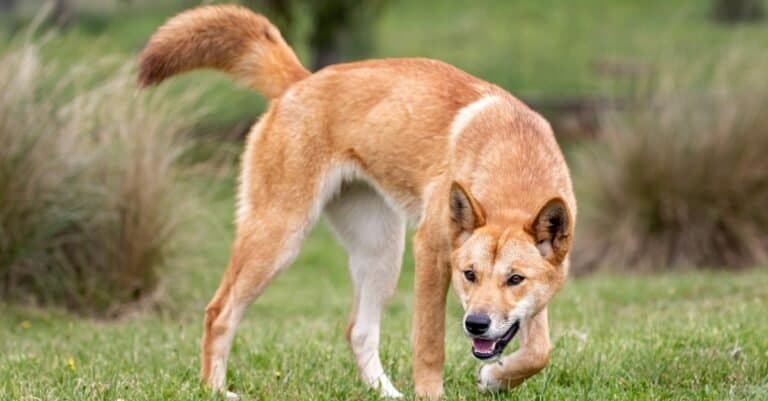
dingo (Canis lupus dingo) reddish colored dingos

Dingo Habitat

The dingo animal is located extensively across the Australian landmass, except for certain parts of the southeast and the island of Tasmania. Some populations are also found in Southeast Asia and the Pacific, including the countries of Thailand, Laos, Malaysia, Indonesia, Borneo, the Philippines, and New Guinea. Favored habitats include forests, plains, mountains, and certain deserts that contain water holes. They tend to make homes out of caves, logs, or holes.

Dingo Diet

Dingo (Canis lupus dingo) at Cleland wildlife park, South Australia

Dingoes are best described as opportunistic nocturnal carnivores. They will feed on any number of small animals, depending on the availability of local wildlife at the time. These may include rabbits, rodents, birds, reptiles, fish, crabs, amphibians, insects, and even some types of seeds and fruits. The remainder of the diet consists of larger animals, including wallabies, kangaroos, sheep, cattle, and possums. If given the opportunity, they are also known to scavenge from the leftover remnants of human garbage and refuse.

Although speed and stamina are the dingoes’ main assets as a hunter, they will also need to coordinate in packs to take down the largest prey, which can be a dangerous affair for individuals.

Their tactics usually involve chasing the prey toward the other pack members or exhausting the prey through sheer stamina. They will also sometimes harass sick or injured animals that have wandered far from their herds or groups. The dingo will typically kill prey by biting into the neck and severing the throat and blood vessels. They have been known to nip at the ankles and heels to slow prey as well.

Dingo Predators and Threats

As an apex predator in the Australian ecosystem, an adult dingo has few other natural predators, especially when it is protected by the entire pack. However, large predators such as crocodiles, jackals, and birds of prey may still kill the youngest and most unprotected dingoes when they are vulnerable to predation. Dingoes have also been known to die from snake bites and buffalo or cattle attacks.

Humans represent a bigger threat to the ongoing existence of the dingo. Much like the wolves in North America and Europe, dingoes are considered to be pests by some farmers because they will attack and kill domesticated animals.

Several dingo control measures have been implemented to prevent the further destruction of livestock, including a large fence erected around the main sheep-holding territories in southeast Australia. If a dingo wanders into that area, then it may be killed for a bounty. Poisoning is another potential method of deterring dingo attacks. Fortunately, since dingoes occupy nearly the entire Australian region (even the places largely inhospitable for human settlements), most populations are rarely threatened by human activity.

Another potential source of danger also comes from an unexpected corner. Dingoes have been known to breed and hybridize with domesticated dogs. This is slowly eliminating the genetic diversity of the dingo population.

It is believed that large populations of dingoes now consist of hybrids (particularly near large human settlements), and even the wild populations have small elements of genetic hybridization within them. Experts are debating the implications of this loss and how to reverse it. Some biologists say that it is the result of unavoidable genetic change and cannot be reversed at all.

Dingo Reproduction, Babies, and Lifespan

Dingoes have a strict and regimental mating system. They tend to breed only once every year at around the same time. After a gestation period of about two months, the female will produce a litter of about five pups on average, but potentially up to 10 at a time.

The pups take around two months to fully wean. After this time, they are taught important skills such as hunting and communication that are integral to their survival. The pups will achieve full independence several months later. However, instead of going off on their own, the pups may stick around and helps their parents rear the subsequent litter of young.

Dingoes achieve sexual maturity about two years into their lives. This is when they typically wander off on their own and live a solitary existence. Once a male and female are paired together, they will typically mate with each other for life and form a new pack. The dingoes can live up to 10 years in the wild and potentially up to 13 or 14 years in captivity.

Dingo Population

Dingo population numbers are difficult to estimate, but it is believed that pure dingo populations are decreasing, possibly due to interbreeding with local dogs.

The International Union for the Conservation of Nature (IUCN) Red List, which keeps track of the endangered status of various species, had previously listed them as potentially vulnerable, but it later removed the dingoes from the list due to the difficulty of defining them. It considered them to be feral dogs.

The dingo is currently protected within vast swathes of national parks and reserves. They have little legal protection outside of these areas, but several organizations are dedicated to the protection of the pure dingo lines.

View all 451 animals that start with D
How to say Dingo in ...
Catalan
Dingo
Czech
Dingo
Danish
Dingo
German
Dingo
English
Dingo
Esperanto
Dingo
Spanish
Canis lupus dingo
Estonian
Dingo
Finnish
Dingo (eläin)
French
Dingo (chien sauvage)
Hebrew
דינגו
Hungarian
Dingó
Indonesian
Dingo
Italian
Canis lupus dingo
Japanese
ディンゴ
Dutch
Dingo
English
Dingo
Polish
Dingo
Portuguese
Dingo
Slovenian
Dingo
Swedish
Dingo
Turkish
Dingo
Chinese
澳洲野犬

Sources

  1. David Burnie, Dorling Kindersley (2011) Animal, The Definitive Visual Guide To The World's Wildlife / Accessed January 11, 2010
  2. Tom Jackson, Lorenz Books (2007) The World Encyclopedia Of Animals / Accessed January 11, 2010
  3. David Burnie, Kingfisher (2011) The Kingfisher Animal Encyclopedia / Accessed January 11, 2010
  4. Richard Mackay, University of California Press (2009) The Atlas Of Endangered Species / Accessed January 11, 2010
  5. David Burnie, Dorling Kindersley (2008) Illustrated Encyclopedia Of Animals / Accessed January 11, 2010
  6. Dorling Kindersley (2006) Dorling Kindersley Encyclopedia Of Animals / Accessed January 11, 2010
  7. David W. Macdonald, Oxford University Press (2010) The Encyclopedia Of Mammals / Accessed January 11, 2010
Rebecca Bales

About the Author

Rebecca Bales

Rebecca is an experienced Professional Freelancer with nearly a decade of expertise in writing SEO Content, Digital Illustrations, and Graphic Design. When not engrossed in her creative endeavors, Rebecca dedicates her time to cycling and filming her nature adventures. When not focused on her passion for creating and crafting optimized materials, she harbors a deep fascination and love for cats, jumping spiders, and pet rats.
Connect:

Thank you for reading! Have some feedback for us?


Dingo FAQs (Frequently Asked Questions)

A dingo is a type of canine native to Australia. It is a subspecies of the gray wolf, which makes it closely related to (and capable of interbreeding with) the domesticated dog.