


D
Species Profile

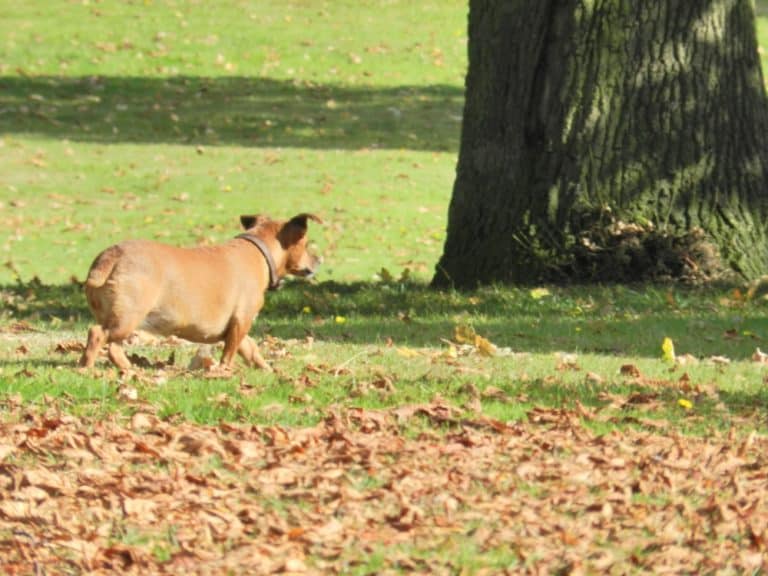
Dog

Canis lupus familiaris

The wolf's cousin, humanity's partner
Pleple2000, CC BY-SA 3.0, via Wikimedia Commons

Dog Distribution

Click a location to explore more animals from that region

Invasive Species
Origin Location

This map shows the native origin of the Dog. As a domesticated species, they are now found worldwide.

Loading map...

Size Comparison

Human 5'8"
Dog 1 ft 8 in

Dog stands at 29% of average human height.

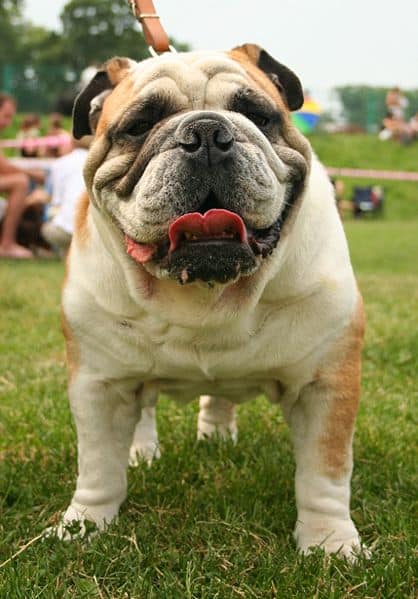
English Bulldog during dog's show in Racibórz,Poland

At a Glance

Domesticated
Also Known As Pooch, Pup, Puppy, Canine, Mutt, K-9, Doggo, Woofer
Diet Omnivore
Activity Cathemeral+
Lifespan 4 years
Weight 100 lbs
Status Not Evaluated
Did You Know?

Dogs diverged from gray wolves (Canis lupus) and became domesticated at least by ~14,200 years ago (Bonn-Oberkassel dog burial).

Scientific Classification

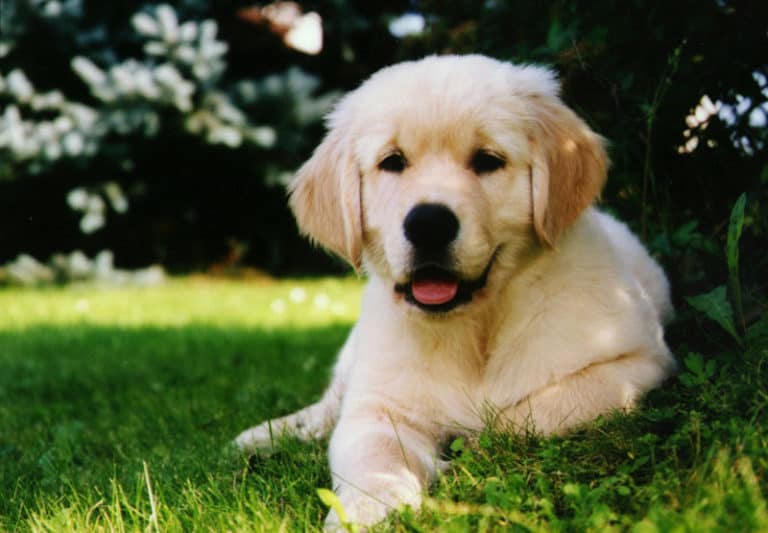
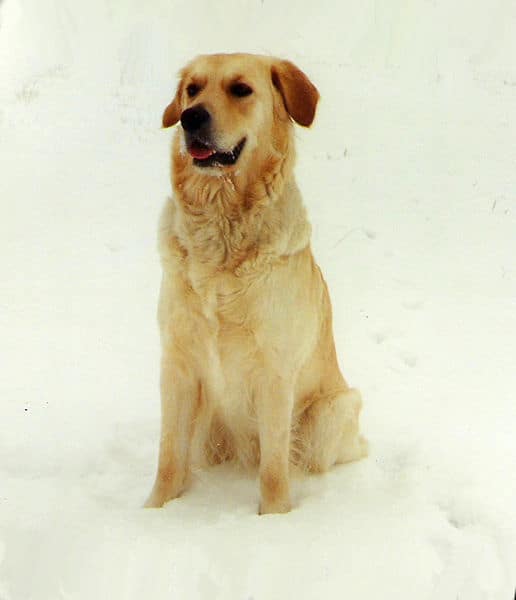
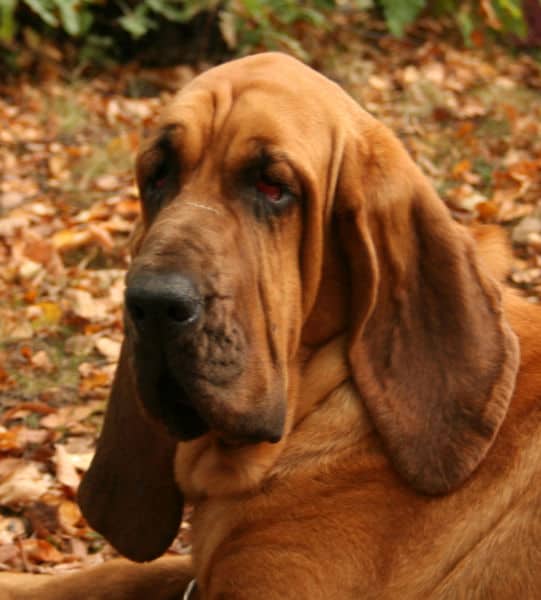
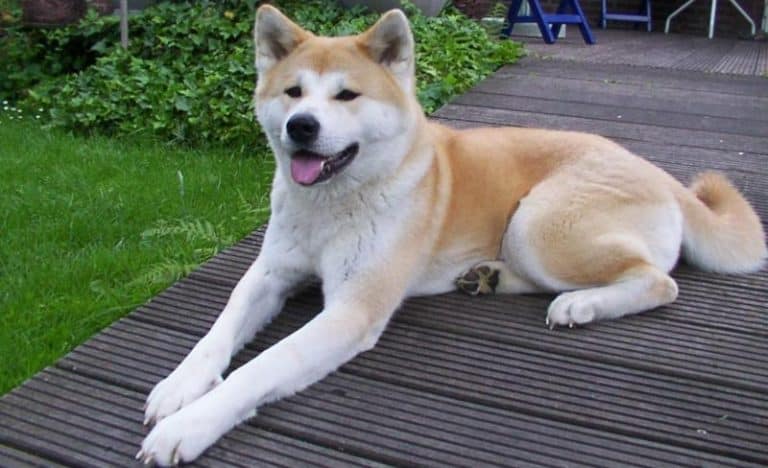
The domestic dog is a domesticated canid descended from gray wolves, exhibiting extreme variation in size, coat, and behavior due to domestication and selective breeding. Dogs occur worldwide as companion animals, working animals, and free-ranging populations.

Kingdom
Animalia
Phylum
Chordata
Class
Mammalia
Order
Carnivora
Family
Canidae
Genus
Canis
Species
Canis lupus

Distinguishing Features

  • Domesticated canid with high behavioral and morphological diversity
  • Typically shorter muzzle and/or smaller teeth than wolves in many lineages (variable)
  • Wide range of coat types, colors, ear/tail carriage, and body sizes shaped by breeding
  • Strong human social association; diverse working roles (herding, guarding, hunting, detection, assistance)

Physical Measurements

Height
1 ft 8 in (6 in – 3 ft 7 in)
Length
3 ft 5 in (1 ft 2 in – 5 ft 7 in)
Weight
44 lbs (3 lbs – 198 lbs)
Tail Length
12 in (2 in – 1 ft 10 in)
Top Speed
42 mph
Greyhounds ~67 km/h

Appearance

Primary Colors
Secondary Colors
Skin Type Skin with a dense hair coat (single or double). Coat length and texture range from very short to long; undercoat may be present. Footpads are thick for walking on toes; skin and nose color vary.
Distinctive Features
  • Domesticated canid subspecies descended from gray wolves (Canis lupus); genomic and archaeological evidence supports domestication from gray-wolf ancestors with complex timing/locations (e.g., Freedman et al., 2014; Frantz et al., 2016; Wayne & vonHoldt, 2012).
  • Global distribution tightly associated with humans (companion, working, and free-ranging populations), with high behavioral flexibility and sociality relative to many wild canids.
  • Canis lupus familiaris shows extreme breed-driven size differences: adults can weigh about 1.4 kg in toy breeds to over 90–100 kg in giant breeds, and stand roughly 15 to 110 cm at the shoulder.
  • Dentition typical of canids: adult dental formula I 3/3, C 1/1, P 4/4, M 2/3 = 42 teeth; carnassials specialized for shearing.
  • Reproductive biology (typical domestic dog): gestation length about 63 days (commonly cited mean ~63 ± 1 day from ovulation timing in veterinary reproduction literature; e.g., Concannon, 2011).
  • Life span varies by size and breed. A large UK study found pet dogs live about 11.2 years on average and 12.0 years median, and smaller dogs usually live longer than giant breeds.
  • Behavioral repertoire shaped by domestication: frequent human-directed social cognition, high trainability in many lines, vocal signaling including barking, and working-role specializations (herding, guarding, detection/scent work, assistance) derived from selective breeding.
  • Locomotion digitigrade with non-retractile claws; many individuals retain a forelimb dewclaw (variable presence of rear dewclaws by lineage).
  • Coat and skin show wide variation: single vs double coat, seasonal shedding in many double-coated types, and diverse hair textures (straight, wavy, curly, wiry).

Sexual Dimorphism

Sexual dimorphism is present but modest and highly breed-dependent; adult males are typically larger/heavier with more robust head/neck musculature, while females are often slightly smaller and lighter on average. Magnitude of dimorphism varies widely across breeds and is less predictive than breed/line and individual condition.

♂
  • On average greater body mass and shoulder height than females within the same breed/line (directionally consistent across many domestic dog populations, but effect size varies).
  • Typically broader skull/zygomatic width and more pronounced neck/shoulder musculature in many breeds (especially in working/guardian lines).
♀
  • On average slightly smaller/lighter frame than males within the same breed/line (highly variable).
  • Mammary development associated with reproductive status; may show visible changes post-estrus/pregnancy and during lactation.

Did You Know?

Dogs diverged from gray wolves (Canis lupus) and became domesticated at least by ~14,200 years ago (Bonn-Oberkassel dog burial).

Body size spans an extreme range across breeds: adult masses from ~1-2 kg (toy breeds) to 70-90+ kg (giant breeds), a level of intraspecific variation rare among mammals.

Dogs evolved enhanced starch digestion: increased AMY2B (pancreatic amylase) copy number relative to wolves is associated with adaptation to human agricultural diets (Axelsson et al., 2013).

Many dogs follow human pointing/gaze cues spontaneously, a social-cognitive skill that outperforms wolves raised in similar conditions in classic studies of cooperative communication (e.g., Hare et al., early 2000s).

Typical household pet longevity is commonly ~10-13 years, but strongly size- and breed-dependent; large/giant breeds often average ~8-10 years while many small breeds commonly reach ~12-16+ years (veterinary demographic studies).

Domestic dogs occur worldwide alongside humans as companions, working animals, and free-ranging/feral populations-functionally forming the most geographically widespread large carnivore lineage.

Dogs' vocal repertoire includes frequent barking (rare in adult wolves), shaped by domestication and human environments for alerting and communication.

Unique Adaptations

  • Dietary genomic shifts tied to domestication: increased AMY2B copy number and other starch-metabolism changes support efficient digestion of human-associated foods (Axelsson et al., 2013).
  • Hypersociability-related genetic region: variation near genes implicated in Williams-Beuren syndrome in humans is associated with increased human-directed sociability in dogs (reported in comparative genomics studies).
  • Neoteny (retention of juvenile traits): many breeds retain juvenile craniofacial proportions and behavior (reduced fear, increased play), aiding coexistence with humans.
  • Exceptional olfaction for applied tasks: selection and training leverage large olfactory epithelium and airflow specialization (sniffing) for tracking and detection roles.
  • Morphological diversity via selective breeding: extreme variation in skull shape (brachycephalic to dolichocephalic), limb proportions, and coat types-useful for specialized work but also linked to breed-specific health tradeoffs.
  • Communication tuned to humans: sensitivity to human voice prosody, routine learning, and reinforcement enables rapid acquisition of complex task chains (assistance, herding commands, detection indication).

Interesting Behaviors

  • Human-directed social bonding: prolonged eye contact and affiliative contact can increase oxytocin in both dogs and owners (reported in peer-reviewed human-dog bonding studies).
  • Gesture reading: many dogs reliably use human pointing to find hidden food-key for assistance, search tasks, and cooperative work.
  • Behavioral plasticity: the same species can be selected for herding (eye-stalk-chase control), guarding (territorial defense), scent work (tracking/detection), or companionship (reduced reactivity).
  • Play and social signaling: exaggerated play bows, self-handicapping, and rapid role-reversal reduce conflict and sustain play.
  • Scent investigation and marking: urine/fecal marking conveys identity, reproductive status, and recent presence; free-ranging dogs often over-mark communal routes.
  • Free-ranging dog sociality: depending on food distribution, dogs may form loose groups, stable neighborhoods, or solitary foraging strategies-more flexible than wolf pack structure.
  • Barking, whining, and "yodeling" (in some lineages): vocal output often reflects selection for alerting and close human association.

Cultural Significance

Dogs (Canis lupus familiaris) are worldwide companions, guards, hunters, herders, transport helpers, and scent and detection workers (explosives, drugs, wildlife, medical). They appear in art and burials, stand for loyalty and guardianship, and shape welfare, rules, and health (rabies, free-roaming dogs).

Myths & Legends

Ancient Egypt: Anubis, a jackal- or dog-headed deity, guides and protects the dead during mummification and judgment rites.

Greek myth: Cerberus, the multi-headed hound of Hades, guards the Underworld's gate to prevent the dead from leaving.

Norse tradition: Garm, a fearsome hound associated with the realm of the dead, is foretold to break free at Ragnarok.

Mesoamerica: In Aztec tradition, dogs (including the Mexican hairless dog) are linked to guiding souls through the underworld.

China: Stone guardian lions are protective temple and home guardians-iconic canine-like protectors in folk belief and art.

Zoroastrian practice: a funerary rite often translated as "dog-seeing" brings a dog to look at the deceased, believed to repel evil and ritual impurity.

Hindu tradition (an ancient Indian epic): A righteous king refuses heaven if his faithful dog cannot enter; the dog is revealed as the god of righteousness, embodying loyalty and moral duty.

Japan (modern historical legend): A dog remembered for years of waiting at Shibuya Station for his deceased owner became a national emblem of loyalty.

Scotland (local legend/anecdote): Greyfriars Bobby is celebrated for allegedly guarding his owner's grave for years, becoming a folk symbol of devotion.

Conservation Status

NE Not Evaluated

Has not yet been evaluated against the criteria.

Population Stable

Life Cycle

Birth 6 pups
Lifespan 4 years

Lifespan

In the Wild
1–10 years
In Captivity
6–24 years

Reproduction

Mating System Polygynandry
Social Structure Managed Domestic
Breeding Pattern Serial
Fertilization Internal Fertilization
Birth Type Internal_fertilization

Domestic dog (Canis lupus familiaris) breeding is mostly polygynandrous: humans often control mating, with no lifelong bonds. Females cycle ~1–2 times/year, estrus ~5–9 days, gestation ~63 days, litters often 4–6 puppies. Free-ranging dogs may mate with many males.

Behavior & Ecology

Social Pack Group: 4
Activity Cathemeral, Diurnal, Crepuscular
Diet Omnivore Animal-based foods high in protein and fat (meat-derived items; commonly poultry or beef in managed diets).

Temperament

Highly plastic/variable across breeds and environments (artificial selection strongly shapes sociability, reactivity, and boldness)
Generally social and affiliative (intraspecific play and cooperation; strong interspecific social bonding with humans is common)
Territorial/defensive behaviors may occur (barking, boundary patrol, resource guarding), especially in owner-managed contexts
Free-ranging dogs often show opportunistic foraging, flexible dominance/avoidance strategies, and conflict avoidance unless around high-value resources
Neophobia vs. neophilia varies widely; fearfulness and aggression risk are strongly influenced by early socialization and handling

Communication

Bark Context-dependent; alarm, attention-seeking, play, separation-related
Growl Threat/aggression, resource guarding, play-growls
Whine/whimper Appeasement, distress, solicitation
Howl Long-distance contact; more common in some lineages/contexts
Yelp/scream Pain, sudden fear
Panting/sighing Arousal state cues; not strictly vocal signaling but audible
Olfactory: urine marking (including raised-leg urination), ground scratching with scent deposition, fecal marking, anal-gland scent cues; extensive sniffing for social information
Visual/postural: tail carriage/wagging patterns, ear position, piloerection, body stiffness/weight shift, play bow, facial expressions E.g., lip retraction, relaxed open-mouth
Tactile: muzzle licking, nuzzling, leaning, pawing, grooming/licking, play-mouthing
Ritualized greeting: rear sniffing and curved approach to reduce threat
Human-directed signaling: gaze alternation, pointing-following responsiveness (common in many dogs), attention-seeking contact behaviors shaped by reinforcement

Habitat

Biomes:
Temperate Forest Temperate Grassland Mediterranean Boreal Forest (Taiga) Tundra Alpine Desert Hot Desert Cold Savanna Tropical Dry Forest Tropical Rainforest Freshwater Wetland Marine +8
Terrain:
Mountainous Hilly Plateau Plains Valley Coastal Island Riverine Volcanic Karst Rocky Sandy Muddy +7
Elevation: Up to 16404 ft 3 in

Ecological Role

Human-associated omnivorous mesopredator/scavenger; in free-ranging contexts functions as an opportunistic predator and synanthropic scavenger with strong ecological effects near settlements.

scavenging/removal of edible organic waste and carrion in human-dominated landscapes localized suppression of some pest species (e.g., commensal rodents) via predation/disturbance nutrient redistribution via feces and carcass/waste consumption (urban-rural nutrient cycling)

Diet Details

Main Prey:
Small mammals Lagomorphs Ground-nesting and small birds Reptiles and amphibians Fish and aquatic animals Invertebrates Carrion +1
Other Foods:
Human-associated plant-based foods and refuse Fruits Vegetables grasses and other non-woody plants Seeds and grains

Human Interaction

Domestication Status

Domesticated

Domestic dog (Canis lupus familiaris) descended from the gray wolf (Canis lupus). A burial at Bonn-Oberkassel (~14,200 years BP) and genetic studies place the dog–wolf split in the Late Pleistocene (about 15,000–40,000 years BP). Centuries of human breeding made many sizes, looks, and roles: pets, work, service, detection, research, feral, and conflict.

Danger Level

Moderate
  • Bite and mauling injuries: dogs are a leading cause of animal-bite injuries treated in emergency/clinical settings; U.S. estimates commonly cited are ~4.5 million dog bites/year (CDC summaries; exact rates vary by year and surveillance method).
  • Rabies exposure: globally, domestic dogs are the primary source of human rabies deaths-WHO reports ~99% of human rabies deaths are due to dog-mediated transmission in endemic regions (WHO Rabies fact sheets/position statements).
  • Zoonotic and enteric pathogens (risk depends on husbandry and hygiene): e.g., Campylobacter spp., Salmonella spp., leptospirosis, some ectoparasites (fleas/ticks) that can transmit additional pathogens.
  • Allergic disease/asthma triggers from dog dander/saliva in sensitized people.
  • Indirect harms from free-ranging dogs: traffic accidents, harassment, and occasional pack attacks; conflict with humans can increase where vaccination/sterilization coverage is low.

As a Pet

Suitable as Pet

Legality: Generally legal worldwide as a companion animal, typically regulated by local ordinances (licensing/registration, leash laws, vaccination-especially rabies). Restrictions can apply via breed-specific legislation (BSL), housing rules (landlords/HOAs), and import/quarantine requirements (country-specific).

Care Level: Moderate

Purchase Cost: Up to $5,000
Lifetime Cost: $15,000 - $80,000

Economic Value

Uses:
Companion animal/pet industry Working animal labor (herding, guarding, hunting, sledding, livestock protection) Service/assistance animal services (guide, mobility, psychiatric, medical alert) Security, law-enforcement, and military applications (detection, patrol) Breeding and showing (kennel clubs, conformation, sport) Veterinary medicine and pharmaceuticals Research and biotechnology (genetics, behavior, aging models) Animal welfare/municipal animal control services
Products:
  • Adoption/sale of dogs (breeding, shelters/rescues)
  • Commercial pet food and supplements
  • Veterinary services (preventive care, surgery, diagnostics)
  • Vaccination programs (notably rabies)
  • Training services (basic obedience, working, sport)
  • Grooming services and boarding/daycare
  • Equipment and supplies (leashes, collars, crates, enrichment)
  • Professional working-dog contracts (security/detection/service placements)

Relationships

Dogs are thought to have been first domesticated in East Asia thousands of years ago. People primarily used dogs for guarding the hunters and areas of land.

Today’s domestic dog is actually a subspecies of the grey wolf, a type of dog that is feared by most humans. Many people today, in all countries around the world, keep dogs as household pets and many even regard their dog as a family member.

There are currently around 800 different species of domestic dog worldwide. Included are mountain dogs such as Saint Bernards or Huskies, and territorial guard dogs like the Neapolitan and Tibetan Mastiffs.

Dog Foot Facts
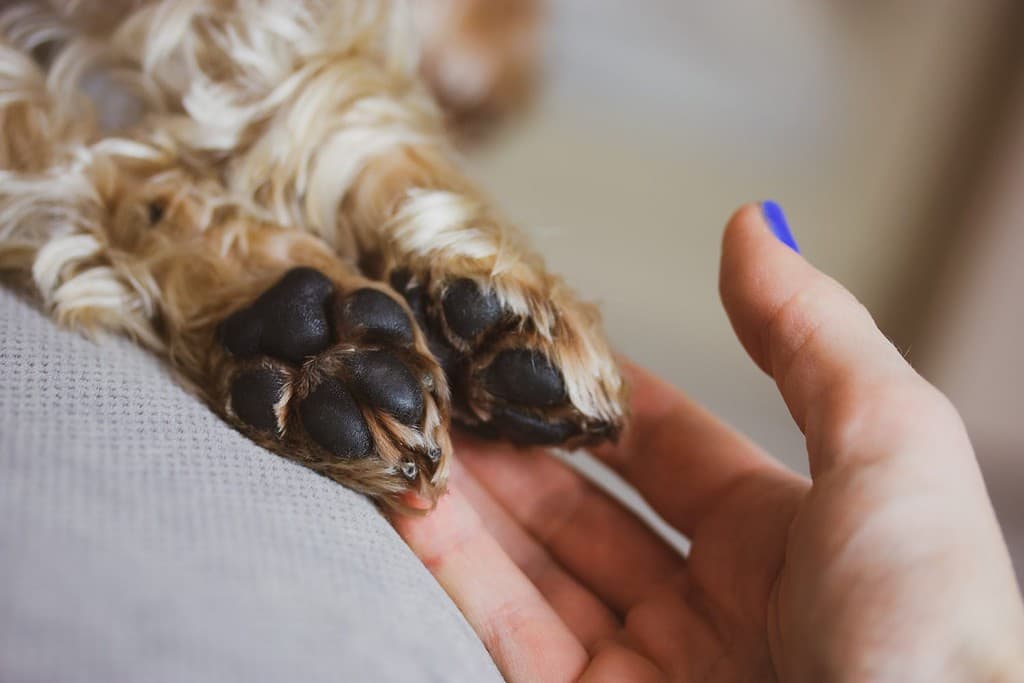
Doggy paws in a woman's hand. Human contact with a beloved pet. Small cute purebred Yorkshire Terrier dog sleeping on a couch, in bed. Brown golden puppy, doggy, lapdog. Canine breed. Domestic animal

Dog paws are strong and sharp, allowing them to grip when running or to dig.

  • Dogs have soft pads on the bottom of their feet which help them to run quickly and quietly
  • Dogs have sharp, strong claws on their feet which allow them to grip when running and also helps them to dig.
  • Some dog species have dew claws on the sides of their feet which help the dog to balance when running, like the baby toes on humans.
  • The dew claws on a dog never really touch the ground but are often used to help the dog to lightly grip their prey.
  • The paws of a dog are around half the size of the paws of the wolf, as the dog is generally not as powerful as the wolf.

Dog Teeth Facts
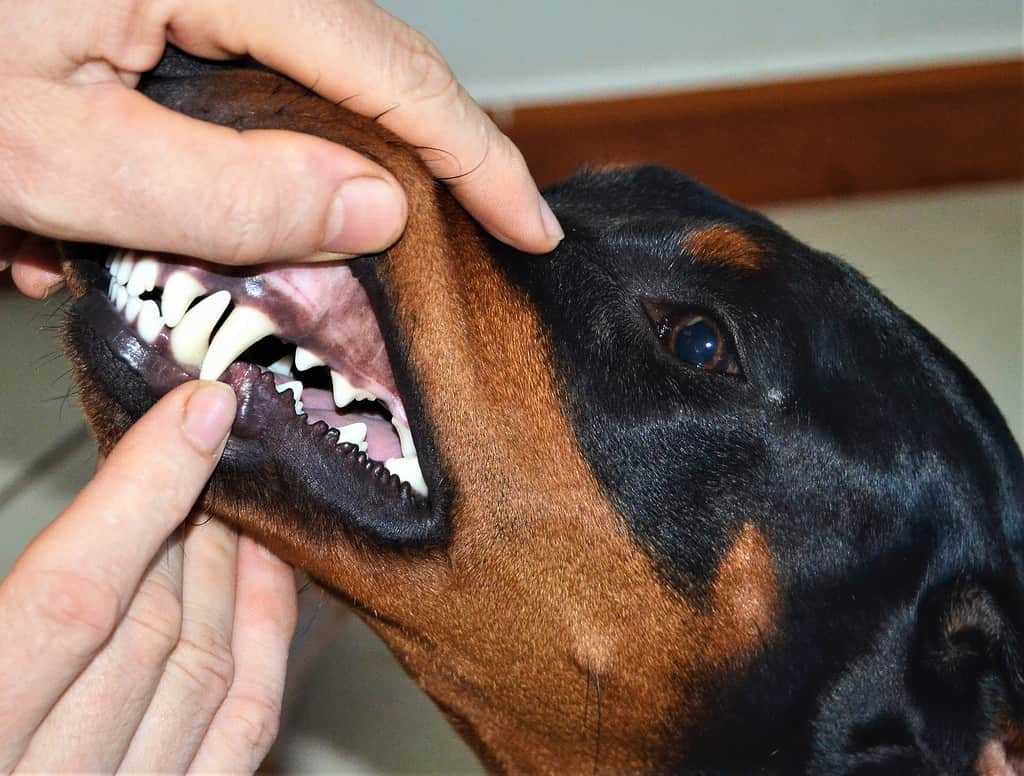
Doberman pinscher milestone for losing teeth

Dog teeth are smaller than those of wolves, as they have no need to catch and kill large prey.

  • Dogs have highly specialized teeth which allow them to both bite and tear meat apart.
  • The teeth of the dog are smaller than those of their wolf relatives as the dog has no need to be able to catch and kill such large prey.
  • The tongue of the dog is vital in heat regulation as moisture on the tongue cools instantly and the cooler air is then passed into the respiratory system.
  • Puppies have around 28 teeth but the average adult dog has 42 teeth which include 12 incisors, 4 canines, 16 premolars, and 10 molars.
  • When puppies are about four months old, they shed their baby teeth and grow their permanent adult teeth which are much stronger.
View all 451 animals that start with D

Sources

  1. David Burnie, Dorling Kindersley (2011) Animal, The Definitive Visual Guide To The World's Wildlife / Accessed November 10, 2008
  2. Tom Jackson, Lorenz Books (2007) The World Encyclopedia Of Animals / Accessed November 10, 2008
  3. David Burnie, Kingfisher (2011) The Kingfisher Animal Encyclopedia / Accessed November 10, 2008
  4. Richard Mackay, University of California Press (2009) The Atlas Of Endangered Species / Accessed November 10, 2008
  5. David Burnie, Dorling Kindersley (2008) Illustrated Encyclopedia Of Animals / Accessed November 10, 2008
  6. Dorling Kindersley (2006) Dorling Kindersley Encyclopedia Of Animals / Accessed November 10, 2008
  7. David W. Macdonald, Oxford University Press (2010) The Encyclopedia Of Mammals / Accessed November 10, 2008
A-Z Animals Staff

About the Author

A-Z Animals Staff

AZ Animals is a growing team of animals experts, researchers, farmers, conservationists, writers, editors, and -- of course -- pet owners who have come together to help you better understand the animal kingdom and how we interact.
Connect:

Thank you for reading! Have some feedback for us?


Dog FAQs (Frequently Asked Questions)

The short answer is that dogs and bears are not directly related. However, they’re in the same sub-order that branched away from cats, which means bears and dogs are about as closely related to each other as raccoons, foxes, and mustelids.