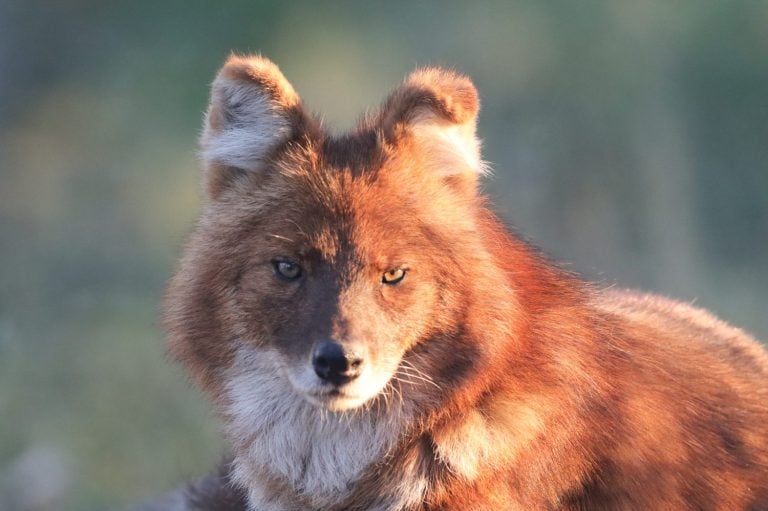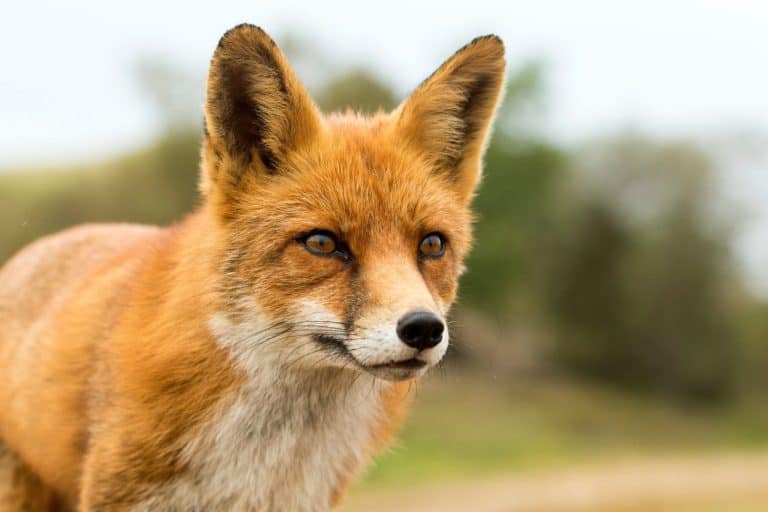





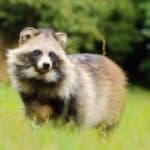




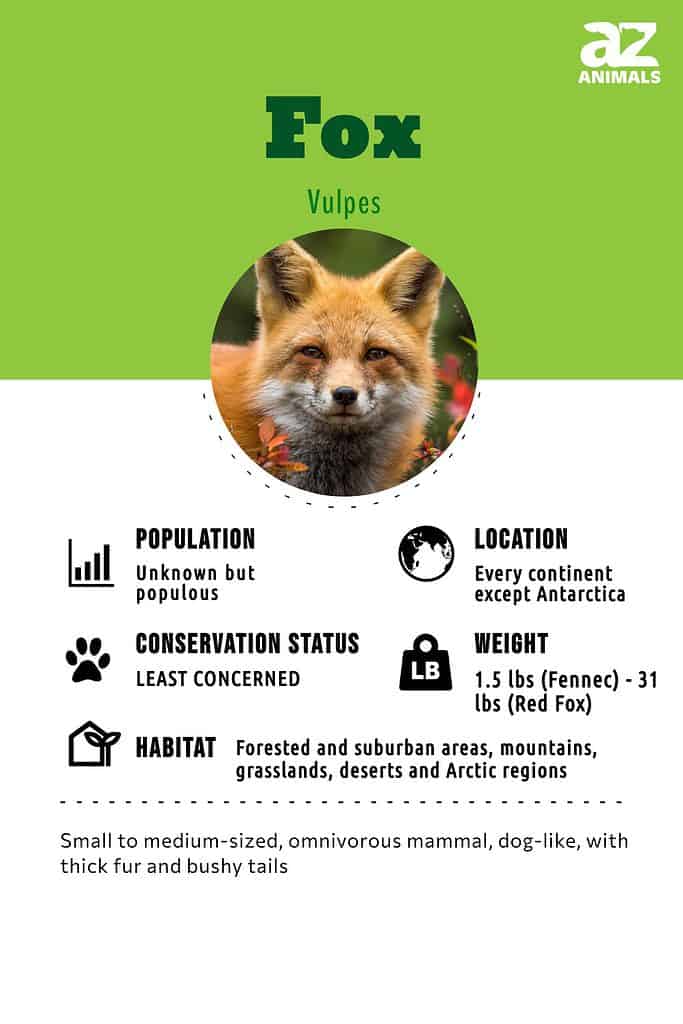
The fox is an omnivorous, dog-like mammal, often found around urban areas in the Northern Hemisphere. Known for their cunning and a favorite subject of folklore – foxes, and stories about them are found on every continent on earth except Antarctica. Among land mammals, the red fox has the second largest natural distribution behind humans.
Foxes come in various sizes and colors – but they all have pointed ears, long snouts, thick fur, and big bushy tails. Fennec foxes are the smallest – weighing up to three pounds, while their cousins, the red fox, can weigh up to 31 pounds.
The foxes of the world are clever creatures with an amazing ability to adapt to their environments. From Arctic foxes who can calculate where a running mouse will be in the time, it will take for him to leap and land on it in deep snow – to the common red fox who has learned the secrets of living among humans – a fox can survive and thrive.
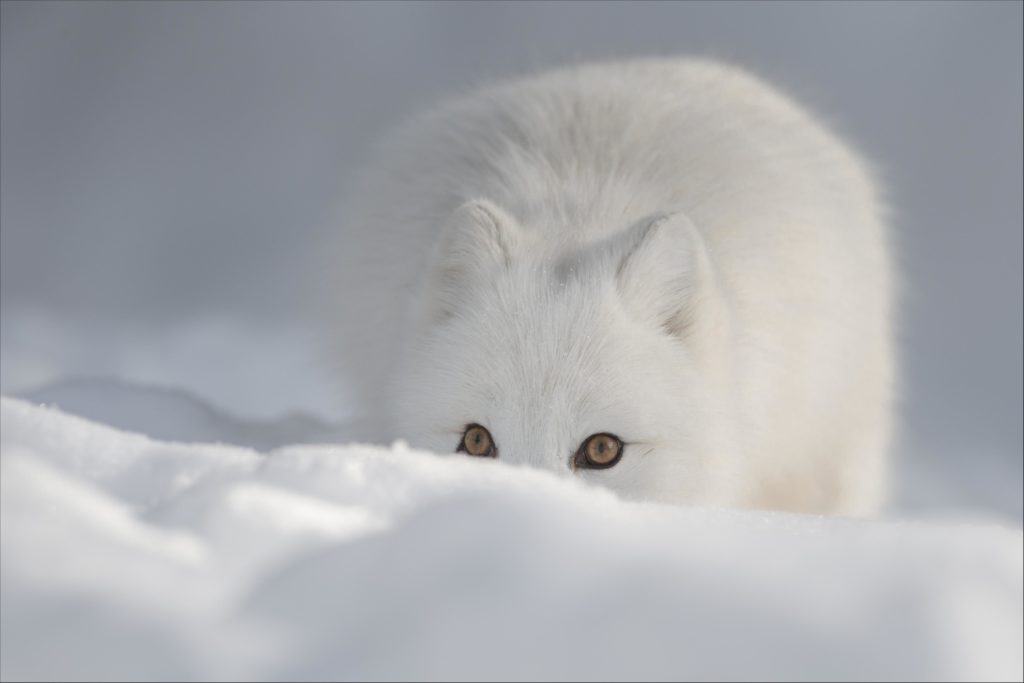
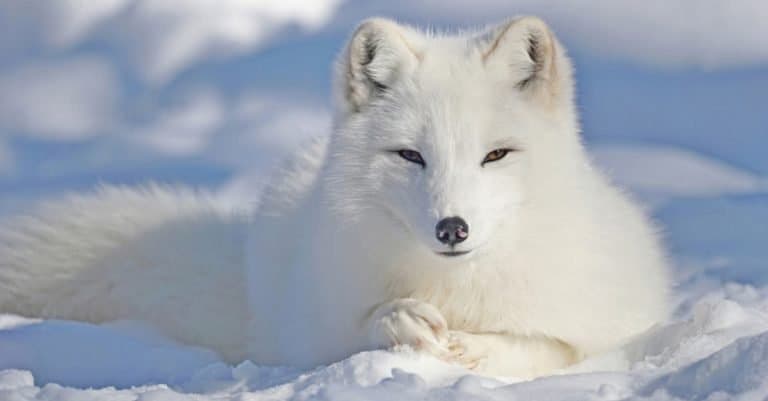
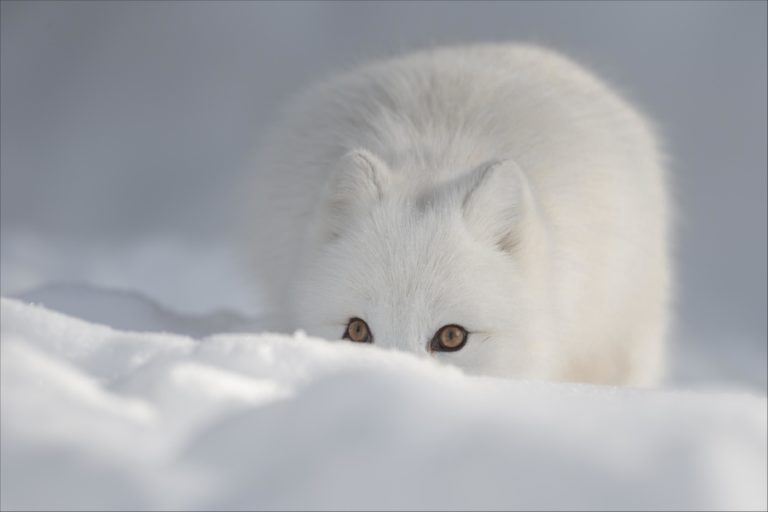
An Arctic fox can jump 3 feet into the air to catch a mouse at a snow depth of more than three feet.
©Andrew Astbury/Shutterstock.com
Fun Fox Facts:
- Adapted for snow: Foxes live in environments where the animals they hunt have adapted for snow, so the fox has its winter adaptations! For example, a fox can jump 3 feet into the air to catch a mouse at a snow depth of more than 3 feet, even if the mouse is moving! Foxes know how to determine a mouse’s speed and trajectory so they land on exactly the right spot of snow.
- A long-distance animal: An Arctic fox fitted with a tracking device traveled 2,175 miles from Norway to Canada in just 76 days’ time!
- A creative solution for rabies: Rabies caused by red foxes was causing a huge problem in Europe into the 60s. How did scientists solve this problem? Well, they got animals to vaccinate themselves. Scientists air-dropped vaccinated chicken heads for wild foxes to eat and helped eliminate the scourge of rabies!
Read about the fox mating season.
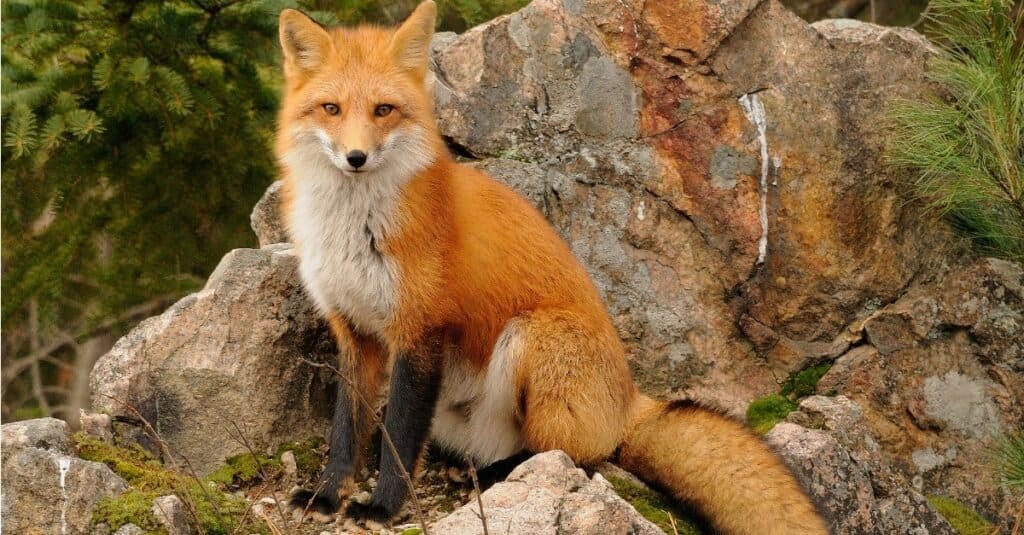
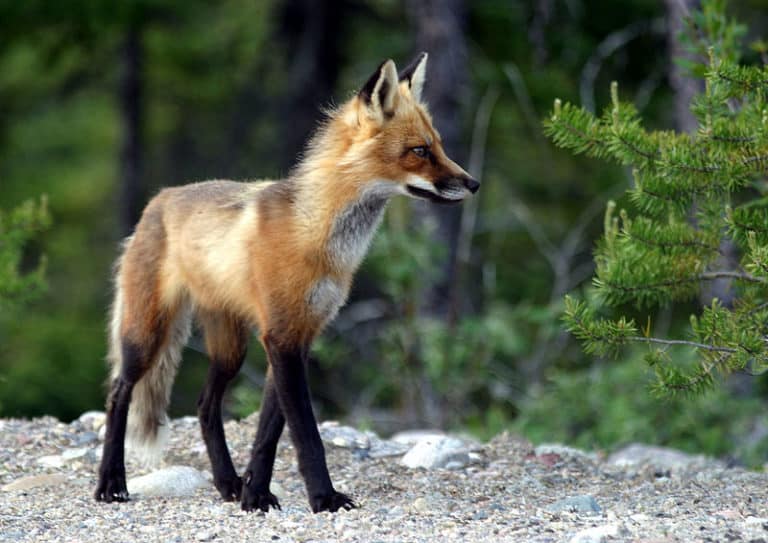
Among land mammals, the red fox has the second largest natural distribution behind humans.
©iStock.com/Rejean Bedard
From Animal to Vulpes: The Classification of the Fox
Foxes belong to the kingdom Animalia and are mammals. As part of the family Canidae, they’re closely related to wolves, raccoons, and domesticated dogs.
The genus Vulpes contains 12 different species of “true” fox. The most widespread is the red fox, which has the scientific name Vulpes Vulpes and is found across most of the Northern Hemisphere. Three more genera, Urocyon, Otocyon, and Lycalopex, contain the “non-true” foxes.
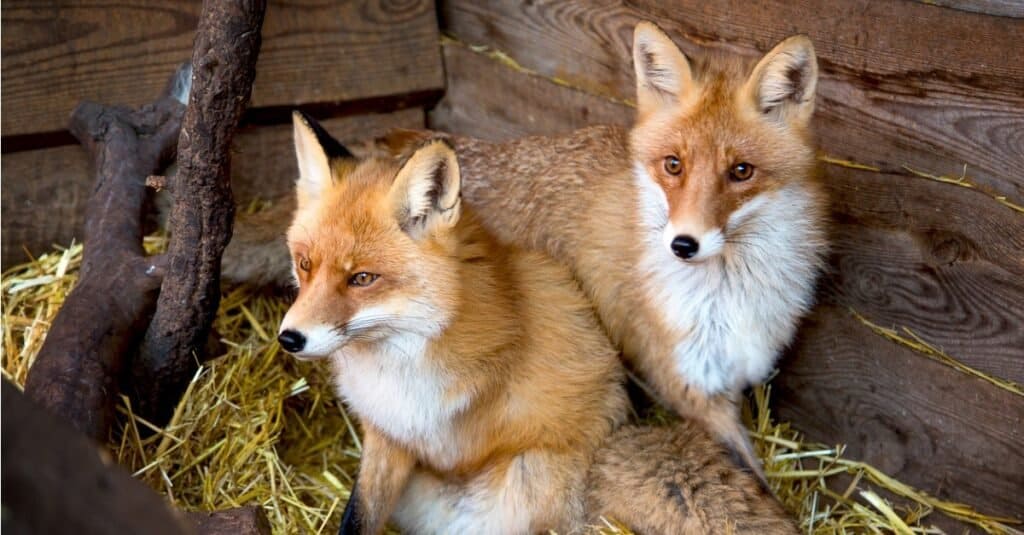
Foxes are smaller than wolves, jackals, and many domestic dogs.
©iStock.com/Svetlana Belkina
Appearance and Lifespan
A fox is generally smaller than other members of the Canidae family like coyotes, wolves, and most domestic dogs. They range in size and color but are dog-like in appearance with pointed ears, long snouts, thick fur, and long bushy tails.
Wild foxes tend to live for around 6-7 years, but some foxes have been known to be older than 13 in captivity. The wild fox hunts mice and other small mammals, amphibians, and birds. Foxes also appear to enjoy berries, nuts, human food from garbage cans, and the occasional insect.
What preys on Foxes?
Foxes are considered prey to a variety of larger animals, including wolves, large cats, and bears. Baby foxes are often prey for eagles and coyotes. Foxes are killed mainly by humans who hunt them for their fur or because they are pests.
Evolution of Foxes
Modern-day dogs and foxes are thought to have evolved from a grassland predator of North America called the Prohesperocyon wilsoni that lived during the late Eocene, around 36 million years ago. These caniforms diverged into three sub-families: the Hesperocyoninae (western dogs), Borophaginae (bone-crushing dogs), and the Caninae, the only one still around which includes dogs, wolves, and foxes.
As the Borophaginae began to die out – new species filled the niche – Canis, (dogs, wolves, dingoes, etc.; Urocyon (Gray foxes); and Vulpes (true foxes).
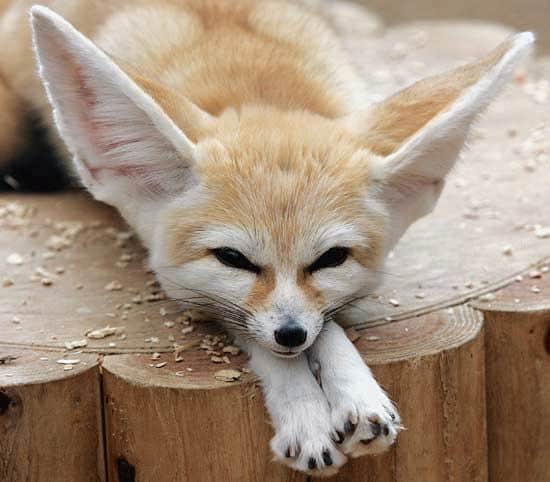
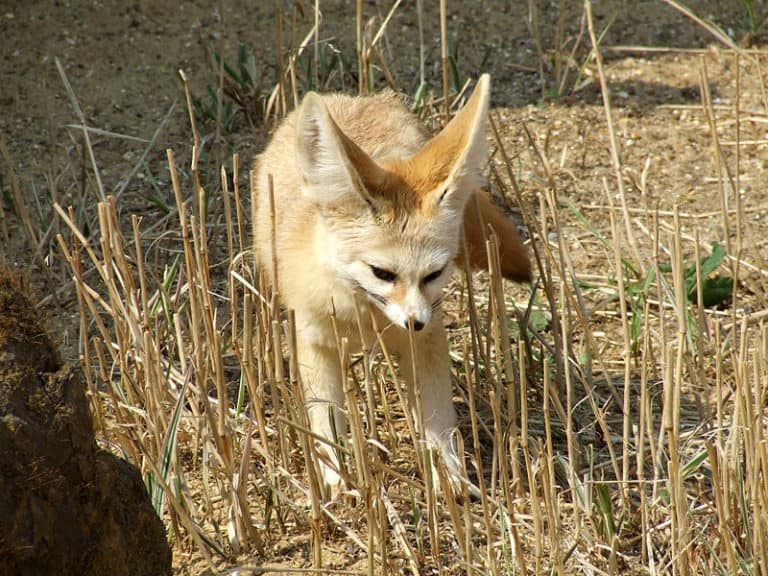
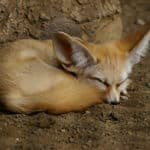
Fennec Foxes are native to middle-eastern desert regions and are the smallest of the fox species.
©yvonne n / Creative Commons – Original
12 Different Fox Species
There are 12 different species of “true” fox found around the world, which include the following:
- Arctic Fox – Arctic foxes are found in the Arctic tundra of the Northern Hemisphere. Also known as the polar fox, snow fox, or white fox, this species has adapted to life in colder climates. Their multi-layered coats, furry foot pads, and seasonal camouflage have aided them in surviving in some of the coldest habitats on the planet.
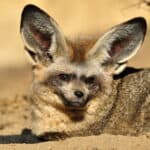
- Fennec Fox – Fennec foxes are native to the Sahara Desert, Sinai Peninsula, and the Arabian Desert and have large ears which help dissipate heat from their bodies. The smallest of the fox species, these animals are social creatures that dig burrows in the sand for habitation and protection and live in groups of up to ten individuals.
- Pale Fox – Pale foxes live in the Sahel region of Africa and have sandy-colored coats that help them blend in with their desert-like habitats. While not much is known about this species, their population size is estimated to be large and relatively stable.
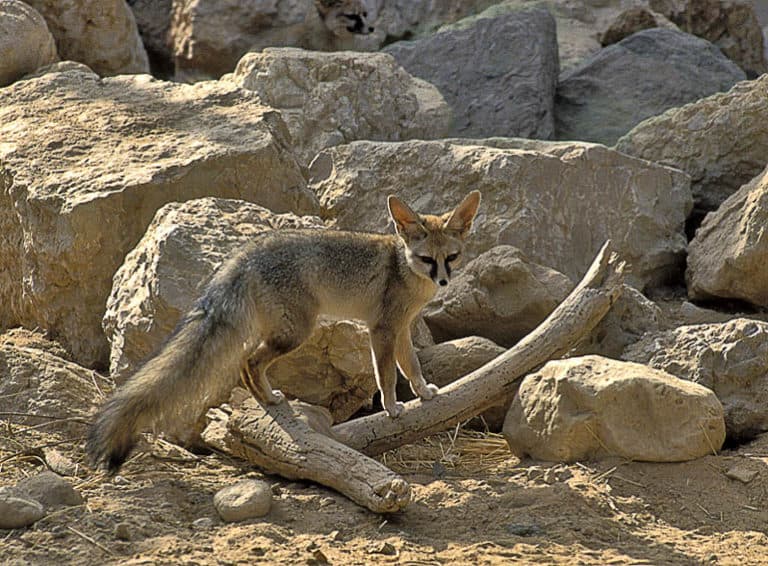
- Blanford’s Fox – The Blanford’s fox was named after English naturalist William Blanford, who first described them in 1877. Also known as the Afghan fox, royal fox, and dog fox, these animals live in parts of Central Asia and the Middle East in mountains, steppes, and arid plains regions.
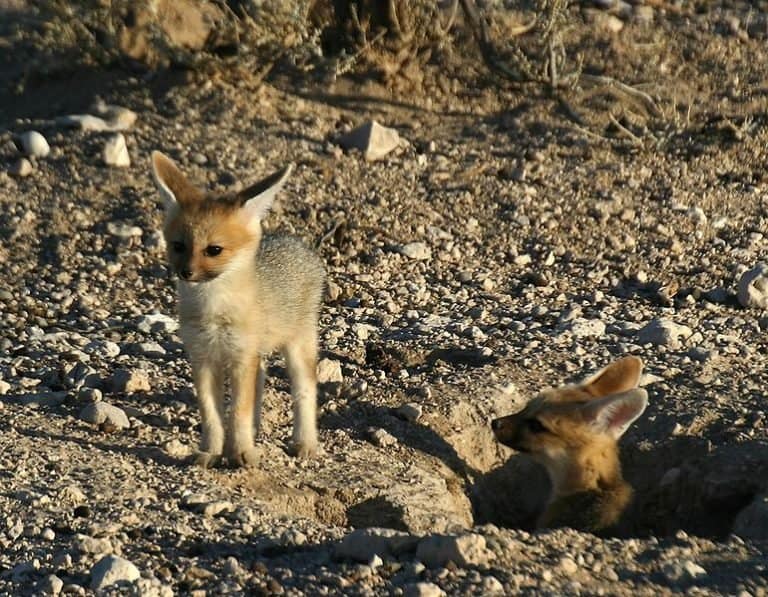
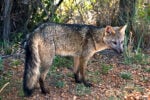
- Cape Fox – Cape foxes are a small species of fox that inhabit Southern Africa. Mostly solitary creatures, these foxes are nocturnal and omnivorous, feeding on small mammals, birds, insects, and fruit.
- Corsac Fox – The corsac fox lives in deserts and steppes in Central Asia and can go long periods of time without food or water as an adaptation to their environments. These foxes are slow runners and are easily caught by poachers who hunt them for their pelts.
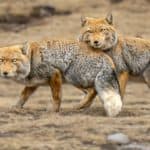
- Tibetan Sand Fox – Tibetan sand foxes are only found in the vicinity of the Tibetan and the Ladakh Plateau in semi-arid and arid grasslands up to elevations of 17,000 feet. This species is diurnal, preying on pikas, rodents, marmots, hares, and lizards.
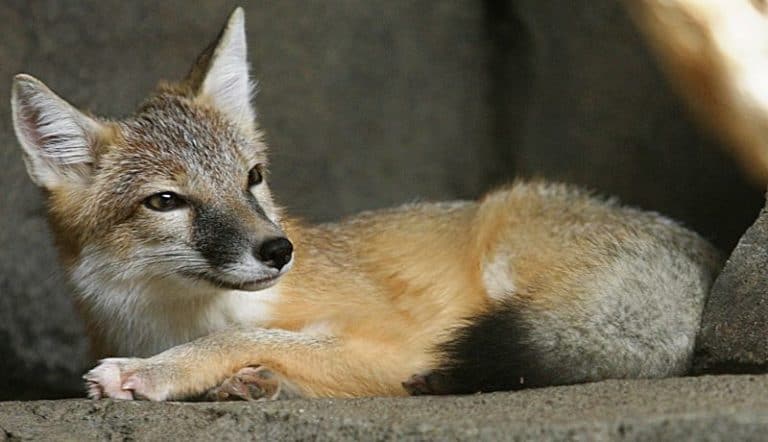
- Swift Fox – Swift foxes inhabit the western grasslands of North America and feed on both plants and animals. The species was all but extinguished in Canada in the 1930s, but the reintroduction program in the 1980s established successful populations through the 1990s. Swift foxes are now classified as a species of Least Concern.
- Kit Fox – Kit fox populations range from central Mexico to the southwestern United States. Determined to be the smallest species of fox in North America, kit foxes prefer arid regions and have large ears which help dissipate heat.
- Ruppell’s Fox – Named after the German naturalist Eduard Ruppell, these foxes can be found in the Middle East, southwestern Asia, and Northern Africa. Their preferred habitats are sandy or rocky deserts, scrublands, or steppes.
- Bengal Fox – Also known as the Indian fox, Bengal foxes are only found on the Indian subcontinent. These foxes can thrive in a wide variety of environmental conditions but prefer grasslands and semi-arid thorn or scrub forests.
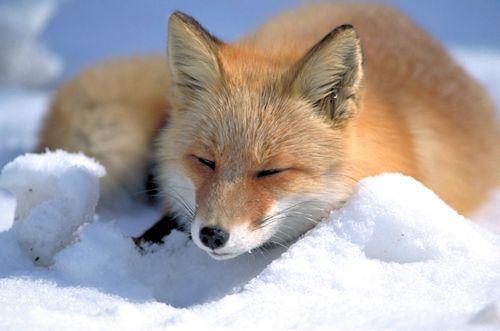
- Red Fox – The red fox is the largest species of fox and inhabits a wide variety of regions in the Northern Hemisphere. While mostly red, these foxes can vary in color from reddish brown to platinum.
Genus Urocyon, Otocyon, and Lycalopex: Almost Foxes
There are 12 species of “true fox”, members of the genus, Vulpes, but there are three other genera that contain animals that are referred to as foxes but don’t quite meet the qualifications.
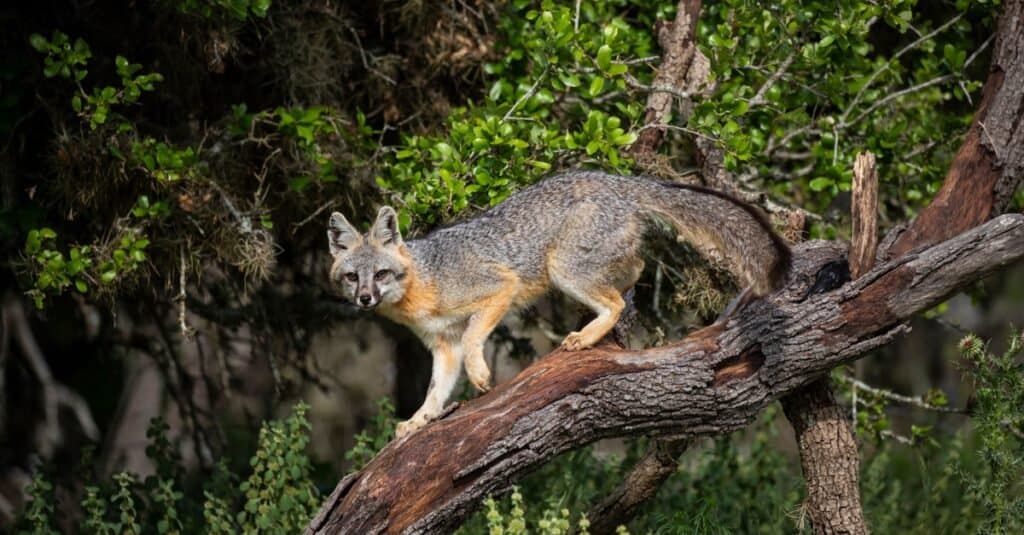
Gray foxes are exceptionally skilled tree climbers.
©Danita Delimont/Shutterstock.com
Genus Urocyon
They aren’t “true foxes” but animals of the genus Urocyon look like foxes and all living canines are believed to have evolved from this genus. The gray fox lives throughout North and Central America in woodland areas. It is one of the best tree-climbing foxes on earth. The second in the Urocyon genus is the island fox, which lives only on six of the eight Channel Islands off of the coast of southern California.
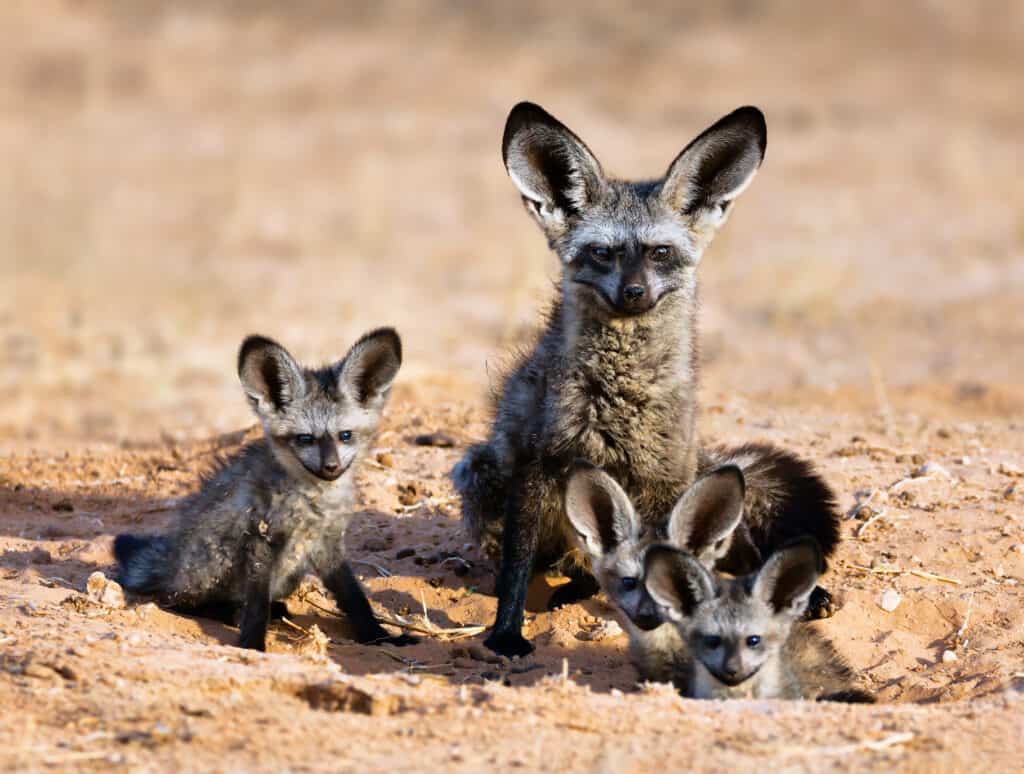
Bat-eared foxes have developed oversized ears to cool off in the arid African savannah heat.
©Etienne Outram/Shutterstock.com
Genus Otocyon
This genus contains just one species, the bat-eared fox. Once believed to be a jackal, the bat-eared fox, inhabits the African savannah. This species has evolved oversized ears to dissipate body heat and cool off in the hot arid heat.
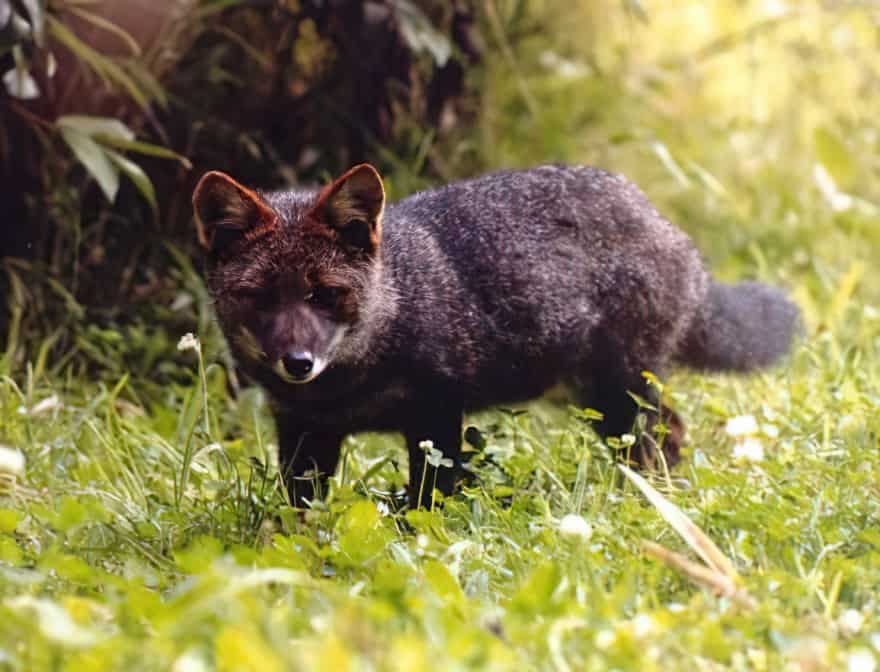
Darwin’s fox is one of the six living genera Lycalopex known as South American foxes.
©Fernando Bórquez, uploaded by Lin linao / public domain – Original / License
Genus Lycalopex
Second, to Vulpes, this genus contains the largest number of “fox” species. All located in South America, they are collectively known as South American Foxes. The six living species in this group are the Culpeo fox, Darwin’s fox, South American Gray fox, Pampas fox, Sechuran fox, and the Hoary fox.
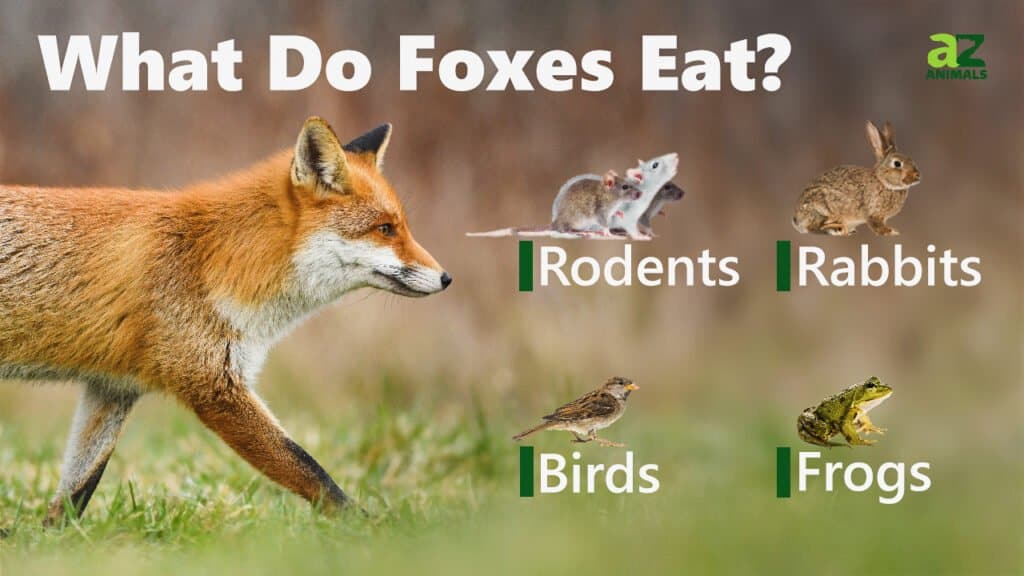
What Do Foxes Eat?
Foxes have a varied diet that is omnivorous. While they will eat plant material such as berries, fruits, acorns, and other food found in garbage cans, foxes mostly eat meat – rodents, rabbits, birds, and amphibians. Foxes are opportunistic eaters that have “canine teeth” which can grip a variety of prey.
To learn more about the foxes’ complete diet, give our complete ‘What Do Foxes Eat’ guide a read.
Distribution and Habitat
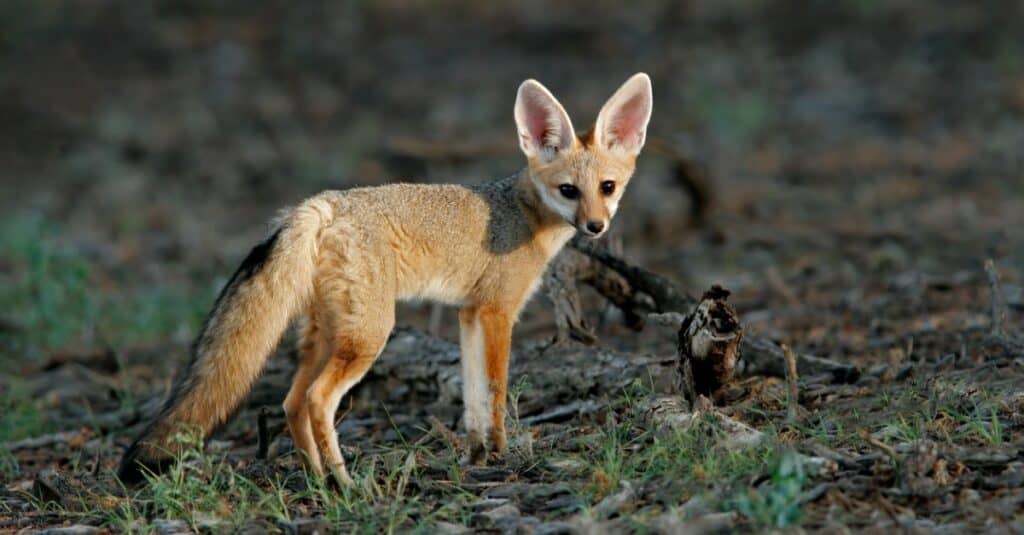
Cape foxes are the only foxes found south of the equator in Africa.
©iStock.com/EcoPic
Foxes live across nearly every major biome on Earth. They can be found on every continent aside from Antarctica. Fox species can be found in the Arctic (both Arctic foxes and red foxes), in mountains at elevations higher than 3 miles (Tibetan fox), and in many other locations. Desert foxes in particular have a number of adaptations that allow them to live in harsh environments.
Conservation Status
Overall, the conservation status of foxes is considered Least Concerned, meaning the population is stable. If you check the status of every individual species you will find that some populations are less stable or even endangered.
Foxes in Europe have been the victims of fox hunting, an extremely controversial sport that involves humans on horses hunting out the fox, led by a pack of hound dogs that would find the fox by following its scent. Fox hunting in this manner is now illegal, although it is still allowed with hunters on horseback, without the vicious pack of hunting hounds.

Foxes in Europe have been victims of fox hunting. Fox hunting with dogs is now illegal but hunting on horseback is still allowed.
©Mick Atkins/Shutterstock.com
Foxes have had a long relationship with humans because, like dogs, they always seem to be around. Because they tend to be a nuisance to farmers and homeowners by stealing livestock and eating from garbage cans, and because their luxurious fur is prized in the fur trade, foxes are frequently hunted.
The hunting of foxes hasn’t depleted their population, for the most part. Red foxes are populous all over the world- across the entire Northern hemisphere, Europe and Asia, and parts of North Africa. They have been introduced into Australia where they are considered a threat to native wildlife.
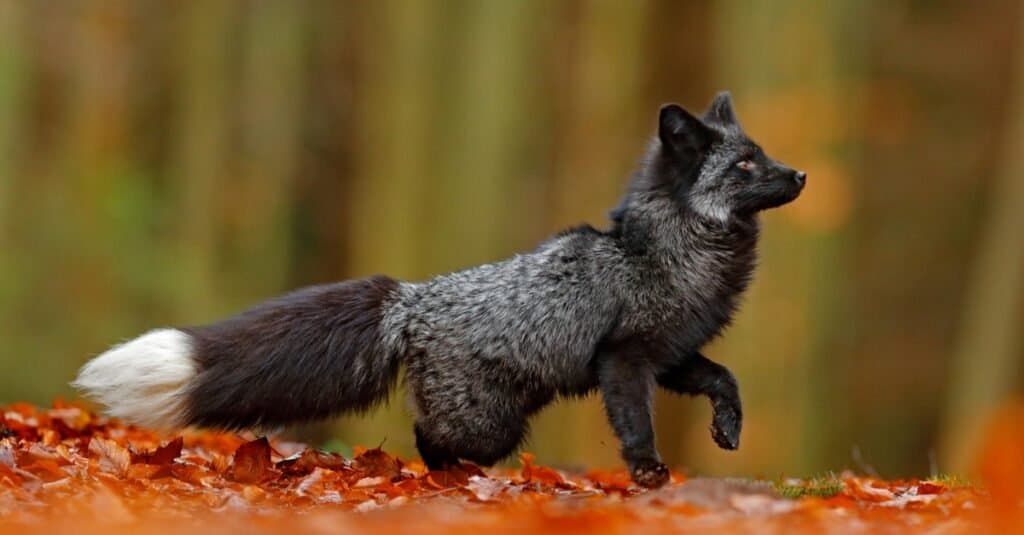
A silver fox is actually a red fox with a layer of grey or silver hair. These silver animals are very rare.
©Ondrej Prosicky/Shutterstock.com
In Russia, silver foxes are being domesticated as part of an experiment designed to demonstrate the power of selective breeding to transform the species, as described by Charles Darwin. In an attempt to prove whether selection by behavior rather than morphology produced dogs from wolves, the team keeps track of the traits of the kits – only allowing the tamest to breed. Many of the descendent foxes became much tamer and more dog-like – even developing spotted coats.
Perhaps, in the future, foxes will be another type of dog – but don’t adopt one any time soon. They are wild animals who mark their territories with foul-smelling urine that no amount of cleaner could erase.
Fox Pictures
View all of our Fox pictures in the gallery.

Shiretoko-Shari Tourist Association - Public Domain
Sources
- David Burnie, Dorling Kindersley (2011) Animal, The Definitive Visual Guide To The World's Wildlife / Accessed November 10, 2008
- Tom Jackson, Lorenz Books (2007) The World Encyclopedia Of Animals / Accessed November 10, 2008
- David Burnie, Kingfisher (2011) The Kingfisher Animal Encyclopedia / Accessed November 10, 2008
- Richard Mackay, University of California Press (2009) The Atlas Of Endangered Species / Accessed November 10, 2008
- David Burnie, Dorling Kindersley (2008) Illustrated Encyclopedia Of Animals / Accessed November 10, 2008
- Dorling Kindersley (2006) Dorling Kindersley Encyclopedia Of Animals / Accessed November 10, 2008
- David W. Macdonald, Oxford University Press (2010) The Encyclopedia Of Mammals / Accessed November 10, 2008