



F
Species Profile

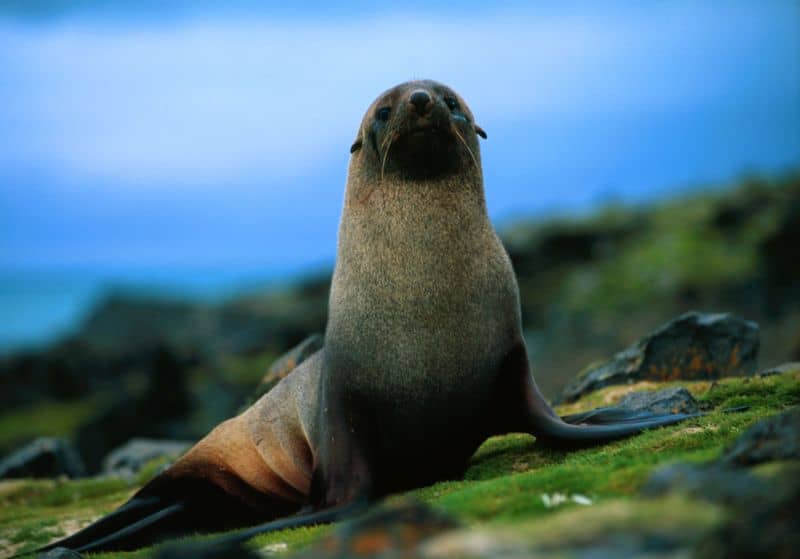
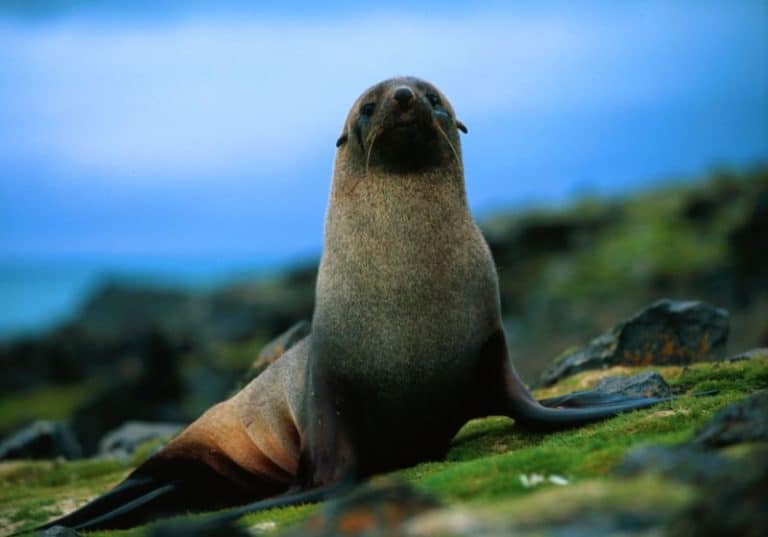
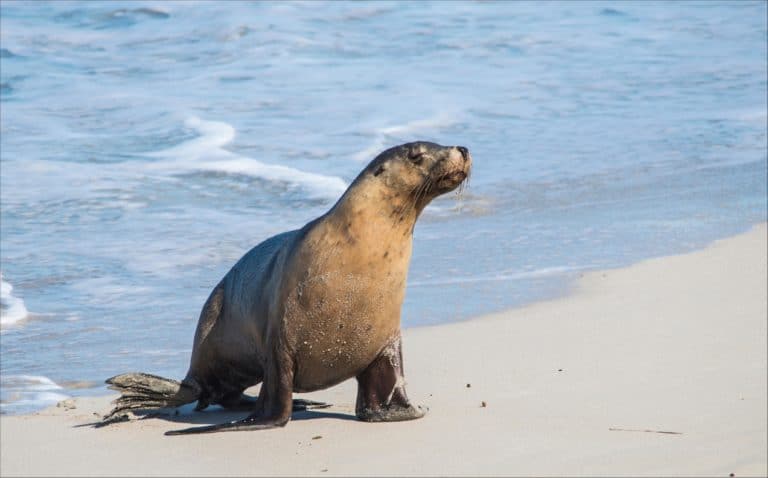
Fur Seal

Otariidae (fur seals: subfamily Arctocephalinae)

Ear flaps, fast flippers, wild rookeries
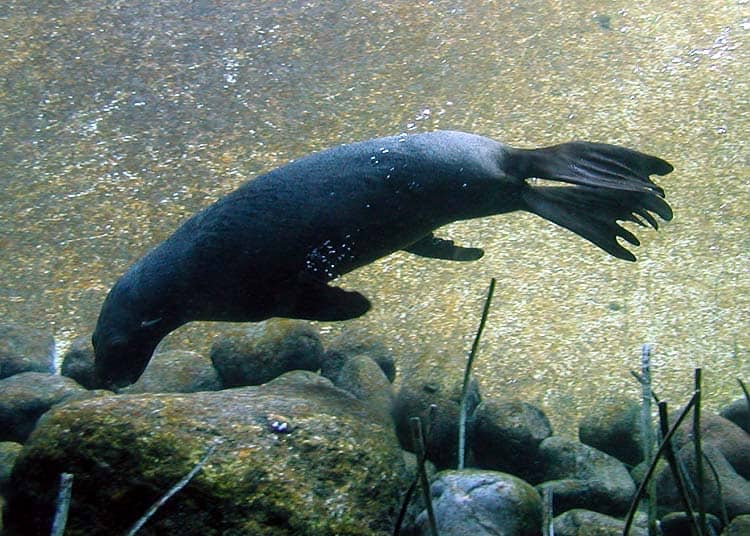
KenWalker / Creative Commons

Fur Seal Distribution

Click a location to explore more animals from that region

This map shows coastal regions where Fur Seal are found.

Loading map...

Size Comparison

Human 5'8"
Fur Seal 2 ft 11 in

Fur Seal stands at 52% of average human height.

At a Glance

Family Overview This page covers the Fur Seal family as a group. Stats below are general traits shared across the family.
Also Known As Sea lions, Fur seals, Otaries, Sea dogs
Diet Carnivore
Activity Cathemeral+
Lifespan 18 years
Weight 1000 lbs
Status Not Evaluated
Did You Know?

Otariids can rotate their hind flippers forward and "walk" on land-unlike true seals.

Scientific Classification

Family Overview "Fur Seal" is not a single species but represents an entire family containing multiple species.

Fur seals are eared seals (otariids) characterized by dense underfur (historically prized in the fur trade), external ear pinnae, and strong foreflippers used for agile swimming and for “walking” on land. Most species are in genus Arctocephalus, with the Northern Fur Seal in genus Callorhinus.

Kingdom
Animalia
Phylum
Chordata
Class
Mammalia
Order
Carnivora
Family
Otariidae

Distinguishing Features

  • External ear flaps (pinnae) typical of eared seals
  • Thick underfur beneath guard hairs (denser than in most sea lions)
  • Large foreflippers; capable of rotating hind flippers forward to move on land
  • Strong sexual dimorphism in many species and highly colonial breeding behavior

Physical Measurements

Males and females differ in size

Height
2 ft 11 in (1 ft 12 in – 3 ft 11 in)
Length
5 ft 11 in (4 ft 7 in – 10 ft 10 in)
Weight
309 lbs (110 lbs – 1.3 tons)
88 lbs (44 lbs – 772 lbs)
Tail Length
3 in (2 in – 6 in)
Top Speed
25 mph
Top swim speed 25-40 km/h

Appearance

Primary Colors
Secondary Colors
Skin Type Furred skin with prominent whiskers. Otariidae: fur seals (Arctocephalinae) have dense underfur under guard hairs and were hunted for fur; sea lions have rougher, shorter coats. They molt seasonally; wet coats darken.
Distinctive Features
  • Overall size range across Otariidae (smallest to largest members): adult total length roughly ~1.1-3.3 m; adult mass roughly ~25 kg to >1,000 kg. Considerable overlap exists, and sexes differ strongly in many species.
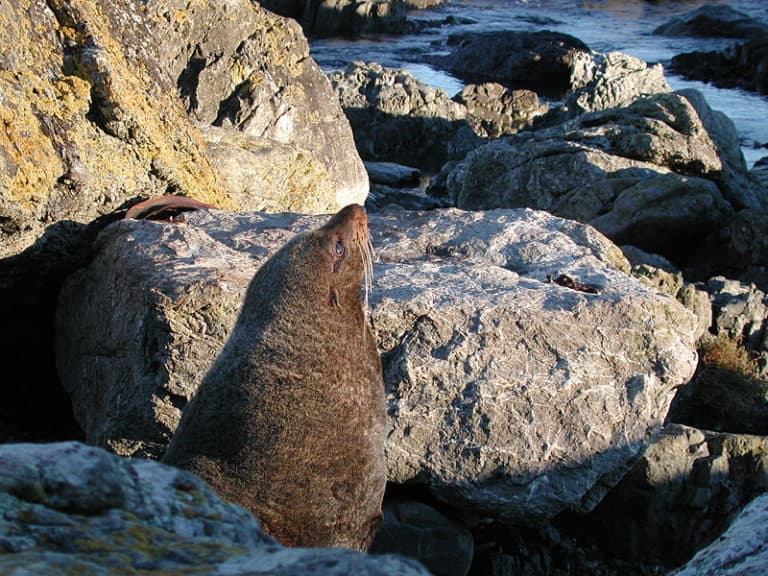
  • External ear pinnae (visible ear flaps), distinguishing otariids from true seals (Phocidae), which lack pinnae.
  • Foreflipper-dominated propulsion in swimming: large, winglike foreflippers provide strong thrust and maneuverability; hind flippers act more in steering/stabilization.
  • Terrestrial mobility: ability to rotate hind flippers forward under the body and "walk"/gallop on land; generally more agile on land than true seals.
  • Streamlined body with a comparatively long neck and head; prominent eyes and a short muzzle in many species; thick, tactile vibrissae used in prey detection and navigation.
  • Dense underfur is especially characteristic of fur seals (Arctocephalinae: mainly Arctocephalus and Callorhinus); sea lions (other otariids) tend to have less underfur and a more uniform, short-haired appearance.
  • Many adult males, especially when males and females look very different, grow thicker necks and chests and sometimes a mane-like ruff of long guard hairs; common in sea lions, varies across the family.
  • Typical lifespan range across Otariidae: commonly ~15-30 years (often ~15-25 years in the wild, with some individuals reaching ~30+ depending on species and conditions).
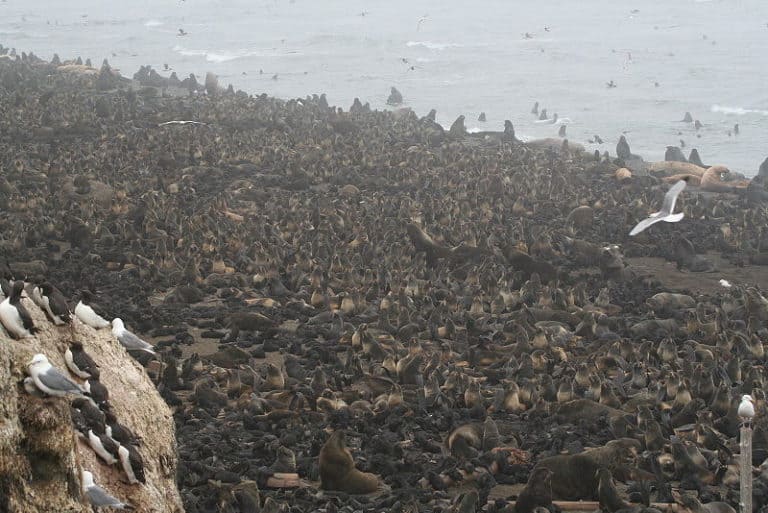
  • Behavior/ecology generalizations (with variation): highly social; many species breed colonially on beaches/rocky shores (often islands), with strong site fidelity in females. Outside breeding season, degree of sociality varies from tight aggregations to more dispersed foraging.
  • Breeding system frequently polygynous with male territoriality on rookeries in many species; intensity varies among species and colonies (some form tight harems/territories; others have more fluid mating opportunities).
  • Foraging ecology: primarily marine predators feeding on fish and/or squid; some species specialize more on pelagic schooling fish, others on benthic or mixed prey. Dives range from shallow/coastal to deep/pelagic depending on species and region.
  • Eared seals (Otariidae) live from cold subpolar to temperate and some subtropical waters. Body shape and coat thickness change with climate: thick, dense coats in cold fur seals; thinner fur in sea lions.
  • Human context: several fur seal species were historically heavily exploited for their dense underfur in the sealing/fur trade; population recoveries vary by species and region.

Sexual Dimorphism

Strong sexual dimorphism is widespread in Otariidae, especially in many polygynous species. Males are often substantially larger and more robust than females; the magnitude of dimorphism varies by species (often very pronounced in large sea lions and many fur seals, less extreme in some populations/species).

  • Much larger body mass and length on average; more robust chest and shoulders.
  • Thicker neck and head; in several species a mane/ruff of longer hair on neck/shoulders is evident (degree varies).
  • More prominent cranial/neck musculature associated with fighting and territorial defense; scars are common in territorial males.
  • Often darker or more contrasting appearance when wet due to thicker outer coat and body mass; coloration differences by sex exist in some species but are not universal across the family.
  • Smaller, more streamlined build; relatively narrower head/neck.
  • Typically less pronounced mane/ruff; overall pelage may appear finer/less bulky (especially when comparing breeding males vs. females in fur seals).
  • More agile movement among crowded rookeries; often primary caregivers with strong site fidelity to pupping areas (behavioral tendency varies by species/colony).

Did You Know?

Otariids can rotate their hind flippers forward and "walk" on land-unlike true seals.

Fur seals (Arctocephalinae) have a thick underfur layer once heavily targeted by the global fur trade.

Across Otariidae, adults range from about 1.1-3.3 m long and ~25-1,100+ kg, depending on species and sex.

Many species use extremely individualized calls and scent to reunite mothers and pups in crowded colonies.

Most otariids have delayed implantation-timing birth to the next breeding season.

Some (e.g., northern fur seals) undertake long migrations, while others are comparatively local, coastal foragers.

Males in many species defend territories and harems; the resulting sexual dimorphism can be dramatic.

Unique Adaptations

  • External ear pinnae (the "eared seal" hallmark) plus strong hearing and vocal communication suited to crowded colonies.
  • Foreflipper-driven swimming: enlarged pectoral muscles and wing-like foreflippers provide maneuverability and speed.
  • Hind-flipper rotation: ankle/hip anatomy allows rear flippers to pivot forward for terrestrial locomotion and climbing.
  • Diving physiology: bradycardia (slowed heart rate), oxygen-storing blood/muscles, and selective blood flow support repeated dives; dive depth/length vary widely by species and age.
  • Sensitive vibrissae (whiskers): detect water movement and help track prey in low light or turbid water.
  • Thermal insulation strategies: all have blubber, but fur seals (Arctocephalinae) add dense underfur for extra insulation in cold-water foraging zones.
  • Reproductive timing: delayed implantation in most otariids helps synchronize birth with seasonal food availability.

Interesting Behaviors

  • Rookery life: dense colonial breeding on beaches and rocky islands; social structure ranges from strongly territorial to more fluid depending on species and habitat.
  • Polygyny and display: many species feature dominant males defending space, vocalizing, posturing, and fighting; degree of polygyny varies widely across Otariidae.
  • Mother-pup recognition: females often alternate multi-day foraging trips with nursing, then locate pups via signature calls and smell amid thousands of animals.
  • Thermoregulation: "flipper fanning," seeking shade, moving between surf and land, and using wet sand/sea spray; strategies vary with climate (subantarctic vs temperate vs tropical).
  • Foraging diversity: diets span krill, squid, schooling fish, and benthic prey; some species forage offshore pelagically, others work near shelves and coastal upwelling zones.
  • Mobility trade-offs: highly agile swimmers using foreflippers for propulsion; on land they can climb rocks and move surprisingly fast, but are still vulnerable to heat stress and disturbance.
  • Communication: loud barking/roaring (many sea lions) and more varied calls (many fur seals); vocal repertoires differ strongly among species and colonies.

Cultural Significance

Otariids, especially fur seals (Arctocephalinae), are central to human history: sealing, later conservation, and wildlife tourism. Coastal people use them to show ocean changes (upwelling, fish cycles, El Niño/La Niña). They shape fisheries rules and help protect island breeding sites.

Myths & Legends

Selkies (Scotland, Orkney and Shetland, Ireland) are seal-people who shed seal skins to become human; stories often tell of a hidden skin that keeps a selkie on land until found and they return to sea.

Seal Wife stories from Inuit and Arctic coasts: a hunter marries a woman who is secretly a seal. When her hidden seal skin is found, she returns to the ocean, teaching respect and limits.

Sedna/Nuliayuk (Inuit): a foundational sea-spirit associated with seals and other marine animals; when offended, animals withdraw and hunting fails until balance is restored-linking ethical conduct to marine abundance.

"Ran" (Norse tradition): a sea-being said to take sailors into the depths; while not an otariid specifically, seal and sea-mammal imagery frequently appears in North Atlantic coastal storytelling alongside such ocean myths.

Pacific Northwest Indigenous tales tell of 'seal people'—Eared seals (Otariidae, fur seals: Arctocephalinae) seen as kin who teach give-and-take and proper behavior toward animals sharing the shore and sea.

Conservation Status

NE Not Evaluated (family-level taxon; individual Otariidae species range from Least Concern to Endangered)

Has not yet been evaluated against the criteria.

Population Unknown

Protected Under

  • CITES: Most otariid species are listed under CITES (commonly Appendix II); a small number of the most at-risk taxa may be subject to stricter trade controls depending on jurisdiction and current listings.
  • Many range states protect otariids under national marine mammal/seal protection laws; protections commonly restrict killing/harassment and manage fishery interactions (e.g., marine mammal protection statutes, threatened-species acts, and fishery bycatch regulations).
  • Protected areas: Numerous key rookeries/haul-outs occur within marine protected areas, national parks, or wildlife refuges, but coverage and enforcement vary widely across the family's global range.
  • HUB (family-level) conservation landscape: Otariidae species statuses span from LC through EN. Notable higher-risk otariids include Australian sea lion (EN) and New Zealand sea lion (EN), and among fur seals some restricted-range taxa (e.g., Galápagos fur seal often assessed in a higher-risk category). Several other fur seals and sea lions are LC but still experience regional declines or episodic die-offs linked to prey shifts, climate anomalies, and fisheries interactions.
  • Family-wide RANGE generalizations (acknowledging diversity): Measurements-adult total length roughly ~1.1-3.3 m across the family; adult mass from ~25-30 kg (smallest fur seals, typically females) up to ~1,000+ kg (largest sea lion males). Strong sexual dimorphism is typical, with males often several times heavier than females.
  • Lifespan RANGE (across species): commonly ~10-30+ years (males often shorter on average due to intense competition and higher mortality; females in several species can reach 20-30+).
  • Behavior/Ecology generalizations: All are amphibious colonial breeders (land-based rookeries/haul-outs) and marine foragers using powerful foreflippers; most show polygynous breeding systems and pronounced site fidelity. Diets are broadly fish/squid/krill depending on region. Variation is substantial: some are more pelagic vs. coastal, diving depths and trip lengths differ markedly among species and ocean basins, and some taxa are range-restricted island endemics while others are widespread with multiple subpopulations.

You might be looking for:

Northern Fur Seal

22%

Callorhinus ursinus

The only living species in genus Callorhinus; breeds in the North Pacific and Bering Sea.

View Profile

Antarctic Fur Seal

18%

Arctocephalus gazella

Abundant fur seal of subantarctic islands; notable recovery after historical sealing.

South American Fur Seal

14%

Arctocephalus australis

Coastal and island-breeding fur seal of South America; often called the southern fur seal.

Cape Fur Seal

14%

Arctocephalus pusillus

Large fur seal of southern Africa (A. p. pusillus) and Australia (A. p. doriferus).

New Zealand Fur Seal

12%

Arctocephalus forsteri

Common around New Zealand and southern Australia; recolonizing former range.

Subantarctic Fur Seal

10%

Arctocephalus tropicalis

Breeds on subantarctic islands; overlaps with Antarctic fur seal on some islands.

Life Cycle

Birth 1 pup
Lifespan 18 years

Lifespan

In the Wild
10–30 years
In Captivity
15–32 years

Reproduction

Mating System Polygyny
Social Structure Harem Based
Breeding Pattern Seasonal
Fertilization Internal Fertilization
Birth Type Internal_fertilization

Otariidae (eared seals, including Arctocephalinae fur seals) are mainly strongly polygynous, with seasonal harem-based breeding in dense colonies. Males defend beach or rock territories; females usually mate soon after birth, have delayed implantation, and rear pups alone.

Behavior & Ecology

Social Colony Group: 500
Activity Cathemeral, Nocturnal, Diurnal, Crepuscular
Diet Carnivore Most commonly small schooling fish and squid (dominant prey where locally abundant; exact "favorite" varies strongly by species and ecosystem).
Seasonal Migratory 3,107 mi

Temperament

Highly social and site-attached on land during breeding season, but often more dispersed and less interactive at sea
Adult males commonly show strong territoriality and aggression on breeding grounds (threat displays, fighting), with intensity varying widely among species and colony density
Females are typically less aggressive than breeding males but can be protective and aggressive near pups or in dense colonies
Pups are gregarious and exploratory; play behavior is common in nurseries
Generally alert/wary around disturbance (humans/predators), with tolerance varying by species, colony history, and local conditions

Communication

Barks/woofs and rhythmic calling used in territorial advertisement and spacing
Roars, growls, and guttural threat sounds during male-male disputes
Mother-pup attraction calls enabling individual recognition in dense colonies Notably important in fur seals
Chirps/bleats/whines from pups during separation and nursing reunions
Posture and visual displays Upright stance, head/neck extension, open-mouth threats
Physical interactions (biting, lunging, chasing) during territorial conflicts
Scent/chemical cues and close-range sniffing Individual and reproductive status cues; importance varies
Tactile contact (nuzzling, muzzle-to-muzzle contact) during mother-pup reunions
Aquatic surface behaviors (splashing, flipper slaps) used in excitement or agonistic contexts

Habitat

Coastal Beach Rocky Shore Cliff/Rocky Outcrop Kelp Forest Open Ocean Seabed/Benthic Deep Sea Estuary +3
Biomes:
Marine Temperate Forest Temperate Rainforest Mediterranean Boreal Forest (Taiga) Tundra Tropical Dry Forest Desert Hot +2
Terrain:
Coastal Island Rocky Sandy Muddy
Elevation: Up to 1640 ft 5 in

Ecological Role

Widespread mid- to upper-level marine predators linking pelagic and coastal food webs; also major prey for large predators.

Regulate and redistribute forage-fish and cephalopod populations through predation (with strong regional/seasonal variability). Transfer marine-derived nutrients to land via colonies (guano, carcasses, prey remains), influencing coastal/insular nutrient cycles and plant communities. Serve as prey for apex predators (e.g., sharks and killer whales), supporting higher trophic levels. Act as sentinels of marine ecosystem change, with diet shifts reflecting ocean productivity and prey availability.

Diet Details

Main Prey:
Small to mid-sized schooling fish Cephalopods Krill and other pelagic crustaceans Crustaceans Seabirds or carrion

Human Interaction

Domestication Status

Wild

Otariids (eared seals: sea lions and fur seals) are wild, not domesticated, but kept in captivity for display and research. They range ~1.1–3.3 m and 25–1,100 kg; fur seals are smaller with dense underfur. Lifespan ~15–30 years. Social breeders eat fish, squid and octopus. Humans hunted fur seals for pelts; today interactions include ecotourism, strandings, fishery conflicts, and different protections.

Danger Level

Moderate
  • Bites and lacerations (sharp teeth; defensive or habituated individuals near haul-outs)
  • Aggression/charging by territorial males during breeding season; trampling risk in crowded colonies
  • Zoonotic pathogens (e.g., bacterial infections from bites/scratches; rare but serious)
  • Water-related hazards during close approaches (knockdown/dragging in surf; boating interactions)
  • Conflict incidents around fishing gear (entanglement hazards to both humans and animals)

As a Pet

Not Suitable as Pet

Legality: Eared seals (Otariidae) are generally illegal or impractical as private pets. They are protected by marine mammal, animal welfare, and trade laws (many on CITES) and need special permits; kept by accredited zoos, aquariums, research institutions, or licensed rehab facilities.

Care Level: Expert Only

Purchase Cost:
Lifetime Cost: $150,000 - $600,000

Economic Value

Uses:
Historical fur and sealing industries (especially fur seals) Fisheries interactions (competition/depredation; mitigation costs) Ecotourism and wildlife viewing Public display/education (zoos and aquariums) Scientific research and monitoring Wildlife rehabilitation/stranding response Ecosystem services/role as apex or mesopredators and indicators of ocean health
Products:
  • Historically: pelts/underfur (fur seals), oil, and meat from commercial sealing (now largely prohibited/limited)
  • Modern (non-consumptive): tourism revenue, educational programming, research outputs/data

Relationships

Types of Fur Seal

15

Explore 15 recognized types of fur seal

Northern fur seal
Northern fur seal Callorhinus ursinus
Antarctic fur seal Arctocephalus gazella
Guadalupe fur seal Arctocephalus townsendi
Juan Fernández fur seal Arctocephalus philippii
Galápagos fur seal Arctocephalus galapagoensis
Subantarctic fur seal Arctocephalus tropicalis
South American fur seal Arctocephalus australis
Brown fur seal Arctocephalus pusillus
Australasian fur seal Arctocephalus forsteri
Steller sea lion Eumetopias jubatus
California sea lion Zalophus californianus
Galápagos sea lion Zalophus wollebaeki
Australian sea lion Neophoca cinerea
New Zealand sea lion Phocarctos hookeri
South American sea lion Otaria flavescens

Seals that can walk on land

Nine separate species of fur seals make up the genera Arctocephalus and Callorhinus. While eight of these belong to Artocephalus and live in southern seas, the ninth species belongs to Callorhinus and inhabits the North Pacific. All nine species are pinnipeds or mammals with four flippered appendages. These pinnipeds evolved from ancient bears, and they are close relatives of modern sea lions.
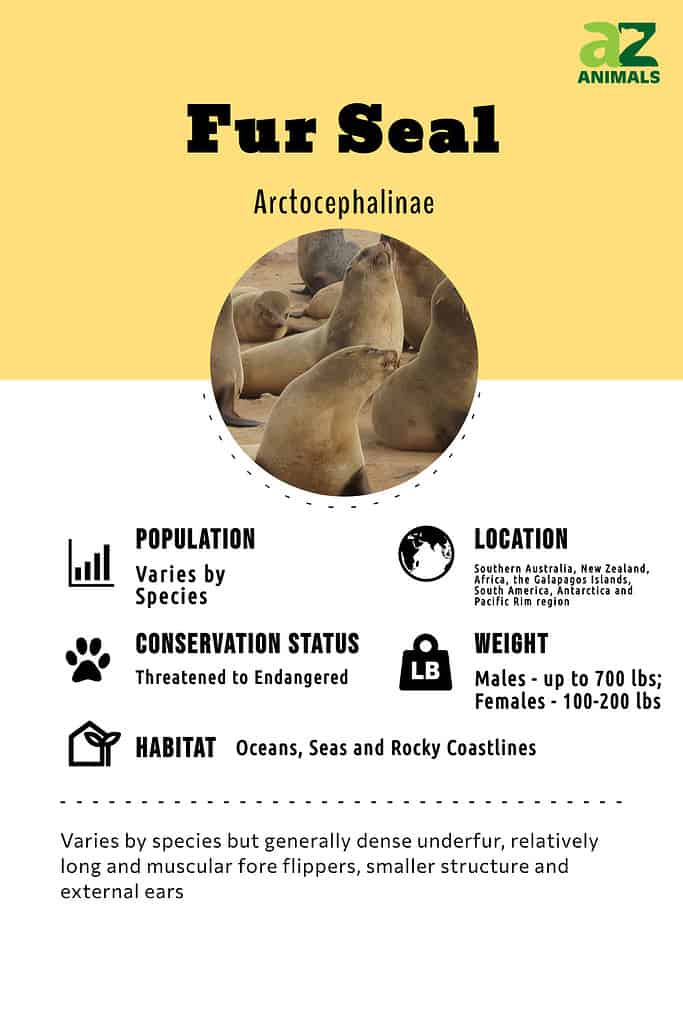
Populations for each species differs – see below for each species.

3 Amazing Facts About Fur Seals

1. Despite their large size, these mammals can swim at an impressive 15 miles and hour.
2. They have small claws on their flippers to help grip when on land
3. Some fur seals can dive up to 800 feet deep in the ocean!

Scientific Name
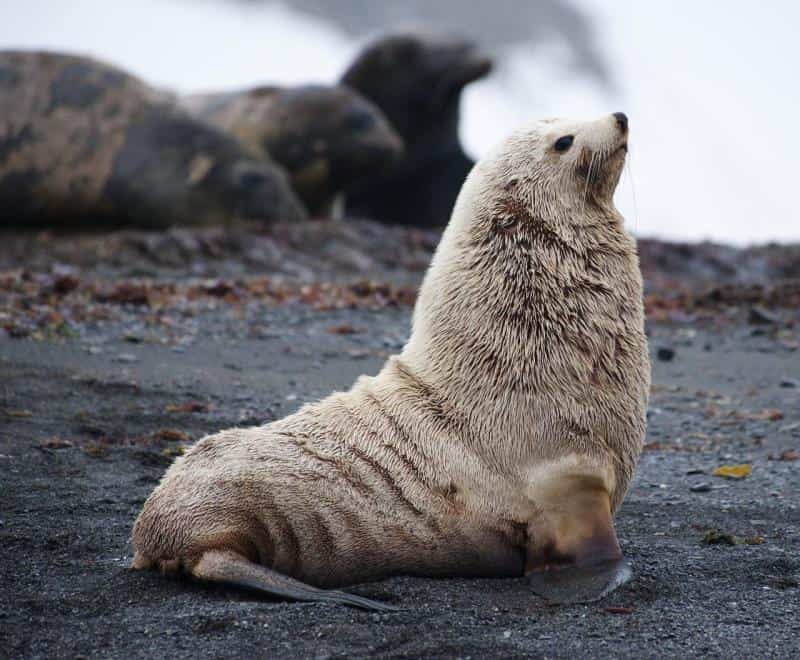
The fur seal is more closely related to sea lions.

Fur seals are a species of pinnipeds that belong to the family Otariidae and are in the subfamily Arctocephalinae. They are considered more closely related to sea lions than true seals and share many of the same characteristics, like external ears, the ability to walk on all fours and long and muscular foreflippers.

Evolution And Origin
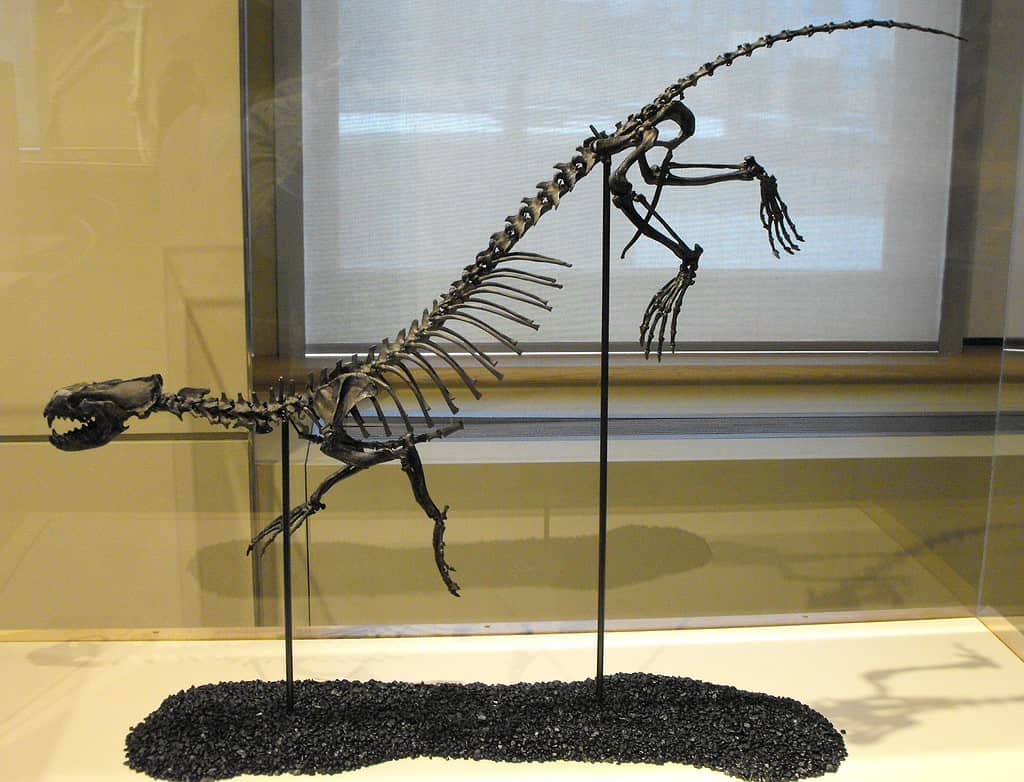
This extinct species of semi-aquatic pinniped, Puijila darwini, is the beginning of early pinniped evolution.

The fur seal, or pinniped, refers to mammals that have front and rear flippers. These mammals, along with their close relatives, the sea lions, are part of the family Otariidae that began to appear during the Miocene era, around 15 million to 17 million years ago. They began as land mammals that quickly evolved and adapted to a marine environment. Their ancestor is said to be the carnivorous Puijila that had four legs and a tail, resembling an otter but was a walking seal.

Types Of Fur Seals
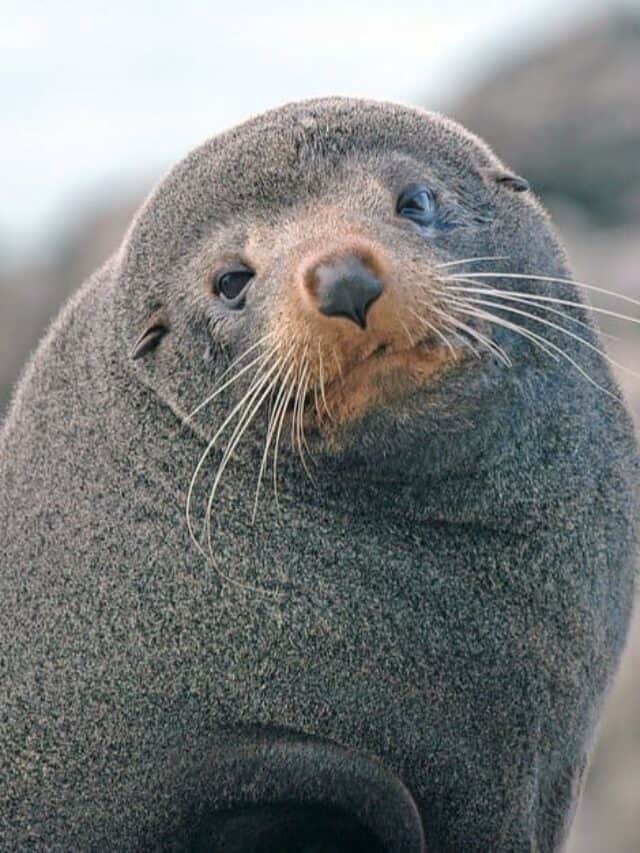
Largest Seals - New Zealand Sea Lion
There are eight different species of fur seals that belong to the genus Arctocephalus.

There are eight different species of pinnipeds that belong to the genus Arctocephalus that resides in the Southern Hemisphere and a ninth species, the Northern fur seal (Callorhinus ursinus), which is often called a fur seal but belongs to a different genus, Callorhinus. This Northern fur seal is also more closely related to fur seals than true seals. Here are the eight species:

  • Antarctic (Arctocephalus gazella): believed to be the most abundant species.
  • Subantarctic (Arctocephalus tropicalis): found in the southern parts of the Indian, Pacific, and Atlantic Oceans.
  • Galapagos (Arctocephalus galapagoensis): smallest of the species and endemic to the Galapagos Islands.
  • South American (Arctocephalus australis): found on the coasts of Peru, Chile, the Falkland Islands, Argentina, Uruguay and Brazil.
  • Juan Fernandez (Arctocephalus philippii): only found on the Pacific Coast of South America.
  • Guadalupe (Arctocephalus townsendi): can be found on Guadalupe Island in Mexico.
  • New Zealand (Arctocephalus forsteri): found mainly around southern Australia and New Zealand.
  • Brown (Arctocephalus pusillus): the largest member of the all of species.

Appearance
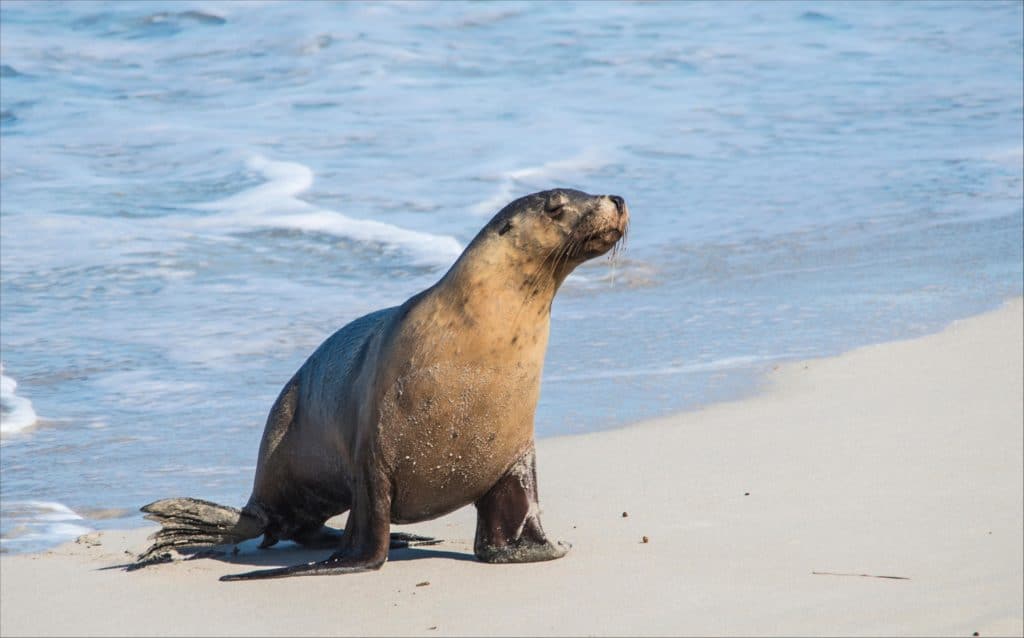
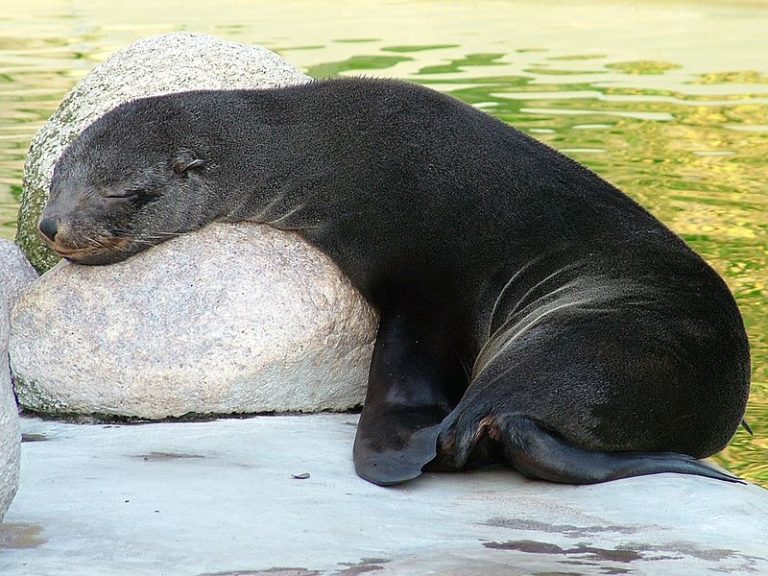
Unlike true seals, fur seals have ears and they are covered with fur except for their flippers.

The distinguishing feature of a fur seal is its soft, furry undercoat. In bygone days, this feature made these animals very attractive to hunters who could sell the fur at a premium.

All nine species have ears, or pinnae, unlike other types of seals. Fur seals have whiskers, which are also called vibrissae. Their heads resemble those of dogs with long, pointed snouts.

They have strong limbs that are long for a seal, and they can rotate their back flippers for more efficient land travel. The front flippers have small claws that grip when they are on land. Their front legs act as oars when they are swimming.

They are covered with fur except for their flippers. These large furless areas help the seals stay cooler in hot weather. They also make the seals fast, efficient swimmers. They can swim up to 15 miles per hour. In comparison, Olympic champion Michael Phelps’ top swimming speed is about 6 mph.

The males of some fur seal species can be as much as five times the size of the females. Males may weigh up to 700 pounds, nearly as much as a horse. Females weigh between 100 and 200 pounds, about as much as a human adult. Fur seal males can reach up to 10 feet in length while females average four to five feet.

Also, the males and females of some species have different physical characteristics. For example, their fur is different colors. These gender differences are called dimorphism.

The majority of fur seal pups are dark brown in color when they are born. They molt their first coat within a few months, and a lighter brown color emerges. Among northern fur seals, females have a patch of grey fur on their reddish-brown chests and are a silvery grey on their backs. Males of this species are brown or black.

Behavior
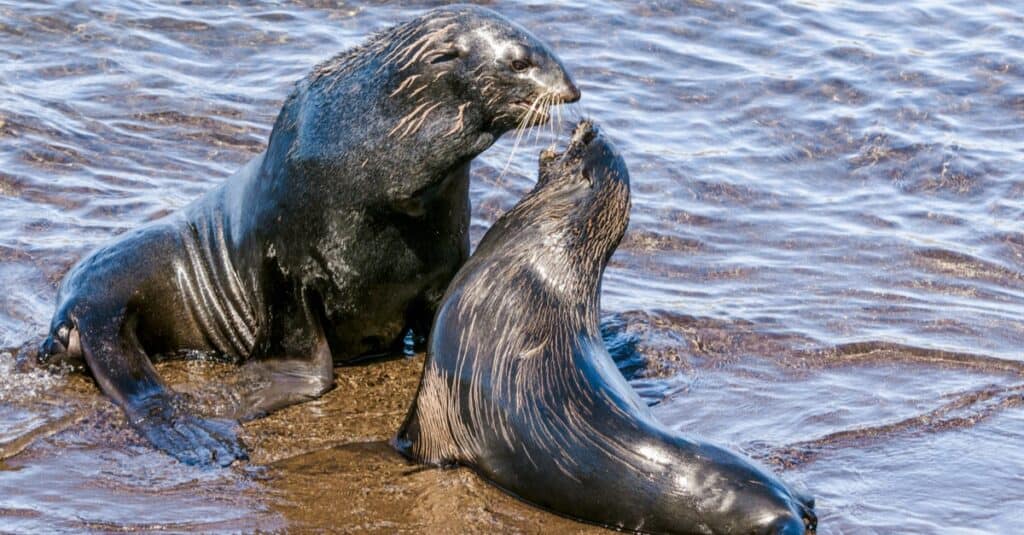
Northern Fur Seal (Callorhinus ursinus) St. George Island, Pribilof Islands, Alaska, USA

Fur seals prefer to stay in groups or remain only and will get aggressive toward humans. (Northern fur seals shown here).

Seals are mammals and must breathe air. Nevertheless, they spend as much time in the water as possible. They often stay in the sea for months at a time. Many types of fur seals can go 10 minutes or more without surfacing. Some can dive up to 800 feet. On average, though, these mammals dive about 100 feet. They often stay submerged for five minutes or so. Humans can only dive 20-40 feet without scuba gear.

Fur seals have a thick layer of blubber beneath their skin. It helps them float. It also acts as insulation. Along with their fur coats, the blubber protects them from the cold ocean temperatures. They are happy by themselves or in small groups. Only during breeding season do they socialize. That is when males are most aggressive toward other males as well. Sometimes they will even bite humans who come too close.

Habitat
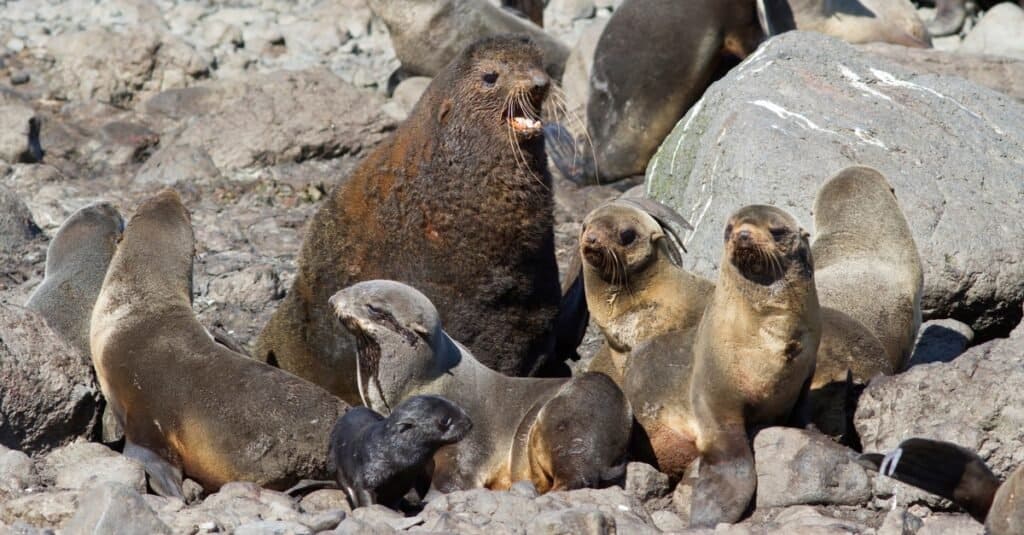
Small harem of northern fur seals on a rookery on a summer sunny day.

Small harem of northern fur seals on a rookery on a summer sunny day.

Eight fur seal species inhabit coastal regions in the Southern Hemisphere. Their habitat spans Southern Australia, New Zealand, Africa, the Galapagos Islands, South America and Antarctica. The remaining species live in the Pacific Rim region. The southernmost habitat for northern fur seals is Southern California. They range northward to the Bering Sea and are also found in the seas north of Japan.

These marine mammals live mainly in the oceans. During breeding season, though, they spend most of their time on the rocky coastlines. They do not regularly migrate, but fur seals will travel over land if food is scarce. If necessary, they will cover hundreds of miles to find a food source.

Diet

Fur seals are carnivores and enjoy a wide range of different food based on what’s available in their habitat. They eat fish, squid, birds such as penguins and krill. On average, a male might eat an entire ton of these small crustaceans per year.

Males typically stop eating during breeding time. They are too busy mating and defending their territory from other males. As a result, they often lose several pounds per day.

Predators And Threats
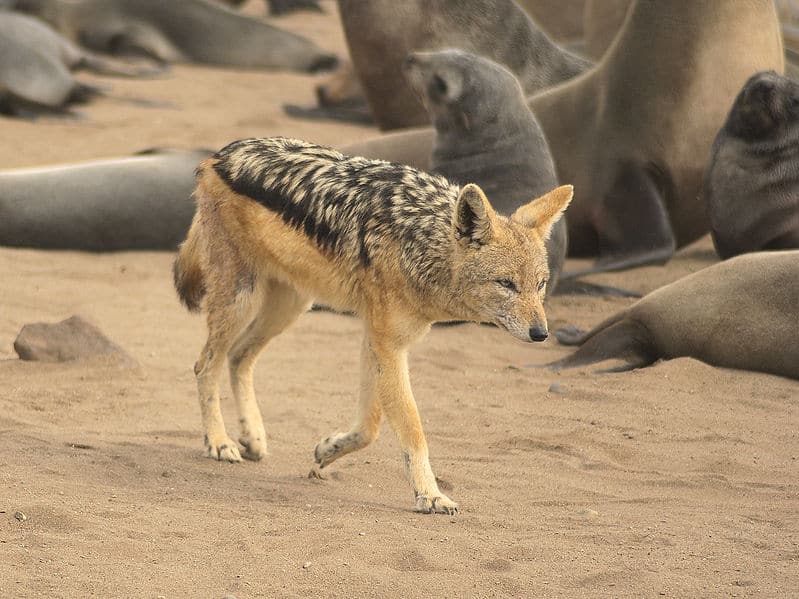
A black-backed jackal scavenging amongst Cape fur seals at Cape Cross on the Skeleton Coast, Namibia

Black-backed jackals are known to prey on young Cape fur seals at Cape Cross on the Skeleton Coast, Namibia

Several marine animals prey on fur seals, including sharks, killer whales or orcas, and other types of seals. Leopard seals and gray seals are two of these. Foxes also prey on northern fur seals.

For a long time, humans posed the biggest threat to fur seal populations. When there were no laws to protect these marine mammals, hunters clubbed vast numbers of pups and adults to death for their thick pelts. People loved to wear seal coats and hats during the post-World War Two era.

While today there are some laws protecting these pinnipeds from hunters, that doesn’t mean they are free from risks. Climate change and warming oceans threaten their natural habitat, and commercial fishing nets still inadvertently harm many seals each year.

Reproduction and Babies

Every summer, large colonies of fur seals gather along coastlines to mate. Alpha bulls vie for females to add to their mating pools. One male may claim 40-100 cows for himself, often after numerous battles with male rivals. Fighting males roar at, physically threaten and bite other males to establish dominance.
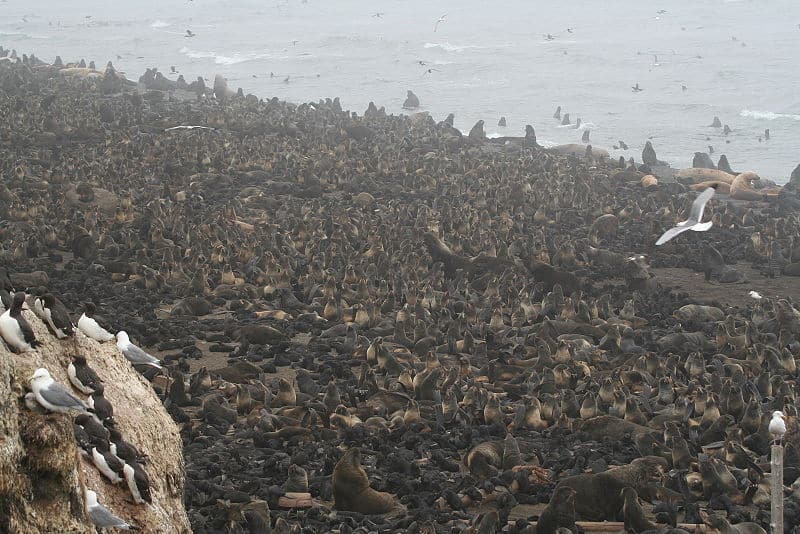
Males mate and reproduce with multiple females each mating season. Typically, the females give birth to last season’s babies soon upon their arrival at the rookery and then just a week later are able to conceive again.

The fetus will grow within its mother over the following year. This is far longer than the average nine month pregnancy period for mammals. The young are born live in the rookery at the next season’s mating grounds.

Newborn pups weigh between 11 and 13 pounds, almost twice as much as most human babies. The pups can walk and swim soon after birth. Their mothers will usually nurse their young until they are ready to give birth again.

The majority of females have just one pup rather than a litter. The females of some species, such as the northern fur seal, can locate their pups amid hundreds of others by the sound of the pup’s voice.
Lifespan

The fur seals of the Pacific Rim sometimes live into their mid-20s. However, their average life span is under 20 due to predation, environmental factors and commercial fishing.

Antarctic fur seals have similar lifespans. On average, females live to about 25 years of age. Males average only around 15 years, about as long as a dog.

Population

The Guadalupe species has the fewest. Because they spend much of their lives at sea, estimating populations is an inexact science. In the past, millions of seals were killed for their valuable meat, blubber, and pelts. Certain countries still kill seals in large numbers because they are blamed for the decline in fish. Many are currently listed as threatened or endangered by the IUCN red list. Here are the population numbers that researchers have come up:

  • Antarctic: two to four million
  • Brown: 2,120,000
  • Northern: 880,000 within U.S. waters
  • South American: 300,000 to 450,000
  • Subantarctic: 300,000
  • New Zealand: 50,000
  • Guadalupe: 34,000
  • Galapagos: 10,000-15,000
  • Juan Fernandez: 12,000
View all 170 animals that start with F

Sources

  1. David Burnie, Dorling Kindersley (2011) Animal, The Definitive Visual Guide To The World's Wildlife / Accessed December 17, 2008
  2. Tom Jackson, Lorenz Books (2007) The World Encyclopedia Of Animals / Accessed December 17, 2008
  3. David Burnie, Kingfisher (2011) The Kingfisher Animal Encyclopedia / Accessed December 17, 2008
  4. Richard Mackay, University of California Press (2009) The Atlas Of Endangered Species / Accessed December 17, 2008
  5. David Burnie, Dorling Kindersley (2008) Illustrated Encyclopedia Of Animals / Accessed December 17, 2008
  6. Dorling Kindersley (2006) Dorling Kindersley Encyclopedia Of Animals / Accessed December 17, 2008
  7. David W. Macdonald, Oxford University Press (2010) The Encyclopedia Of Mammals / Accessed December 17, 2008
A-Z Animals Staff

About the Author

A-Z Animals Staff

AZ Animals is a growing team of animals experts, researchers, farmers, conservationists, writers, editors, and -- of course -- pet owners who have come together to help you better understand the animal kingdom and how we interact.
Connect:

Thank you for reading! Have some feedback for us?


Fur Seal FAQs (Frequently Asked Questions)

Fur Seals are Carnivores, meaning they eat other animals.