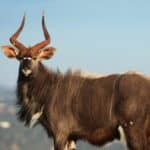
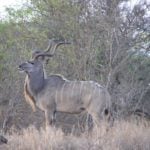
“Fast, powerful, and peaceful members of the African ecosystem.”
The name kudu describes two different antelope species, called greater kudu and lesser kudu, that are found in the southern and eastern regions of Africa. Both kinds are characterized by the long, twisted horns that grow on the heads of mature males. They also share similar habitats, body structure, and coloration, although there are notable differences in size between the greater and lesser species. The kudu is an animal with passive grazing habits and natural camouflage to help them avoid being easily spotted by the many predators in their native habitat.
An Incredible Animal: 3 Kudu Facts!
- High speeds: The kudu animal can reach speeds of over 60mph when attempting to escape from a predator.
- Ceremonial horns: The animal’s spiraled horns are prized in local religious practices and are also made into musical instruments.
- Polite competition: Even though males sometimes engage in rutting, they are generally not very violent when competing for mates.
Scientific Name
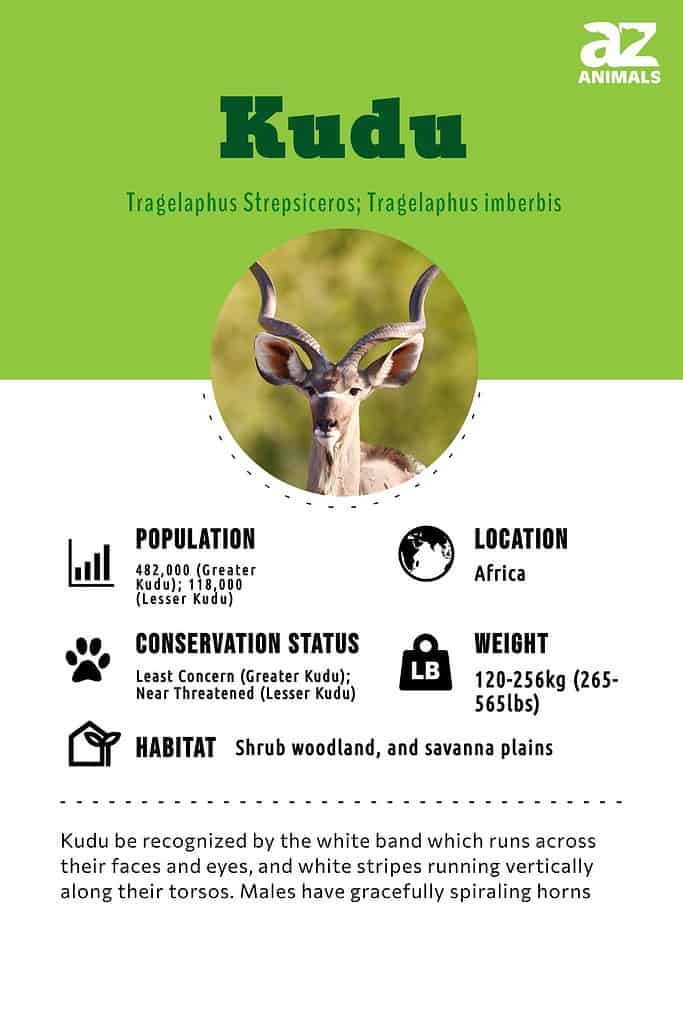
Kudu, alternatively spelled koodoo, is derived from the name given to the animal by the local, nomadic Khoikhoi, who are indigenous to southwestern Africa. The greater kudu is classified as Tragelaphus strepsiceros and the lesser kudu is Tragelaphus imberbis. The genus Tragelaphus shares its name with a word originally put forth by the ancient Greek philosopher Aristotle in his oral depiction of an imagined animal that was half goat and half deer.
Evolution
The earliest bovid, Eotragus, emerged during the early Miocene as a result of divergence from the ancestors of deer and giraffes. According to experts, it was a small mammal and rather similar to a Thompson’s gazelle.
The Boodontia and Aegodontia subfamilies soon diverged from each other shortly after this event owing to the division of the continent. However, that division was temporary and both subfamilies soon had the opportunity to wander into each others’ ranges when the continent came together once more.
Boodontia also known as Bovinae includes not only Bovini (bison, buffaloes, and cows) but also Tragelaphini (kudu and nyala). Hence the status of kudu as Bovinae makes them closer to bison, buffaloes, and cows, than other antelopes, which belong to the subfamily Aegodontia.
Types
There are three subspecies of greater kudu:
- Tragelaphus strepsiceros chora – This subspecies is mostly found in Eastern Africa including Eastern Sudan, the Horn (Ethiopia, Eritrea, and Somalia) and northern Kenya.
- Tragelaphus strepsiceros cottoni – This subspecies can be found in Chad and Sudan.
- Tragelaphus strepsiceros strepsiceros – The range of this subspecies extends from the south of Kenya down to the southern parts of the continent including Botswana, Namibia, and South Africa
Appearance
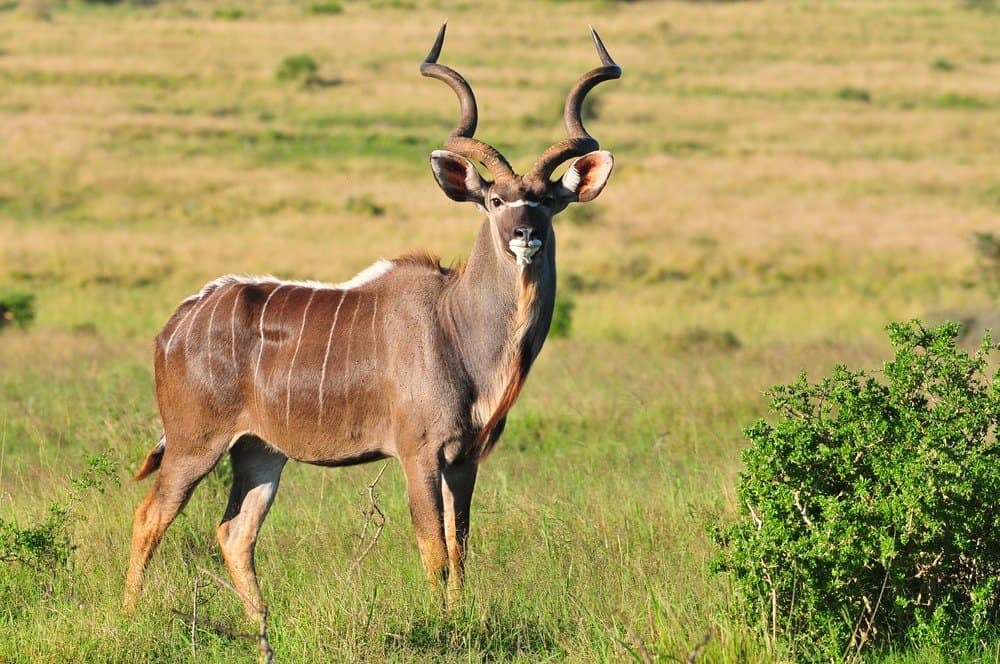
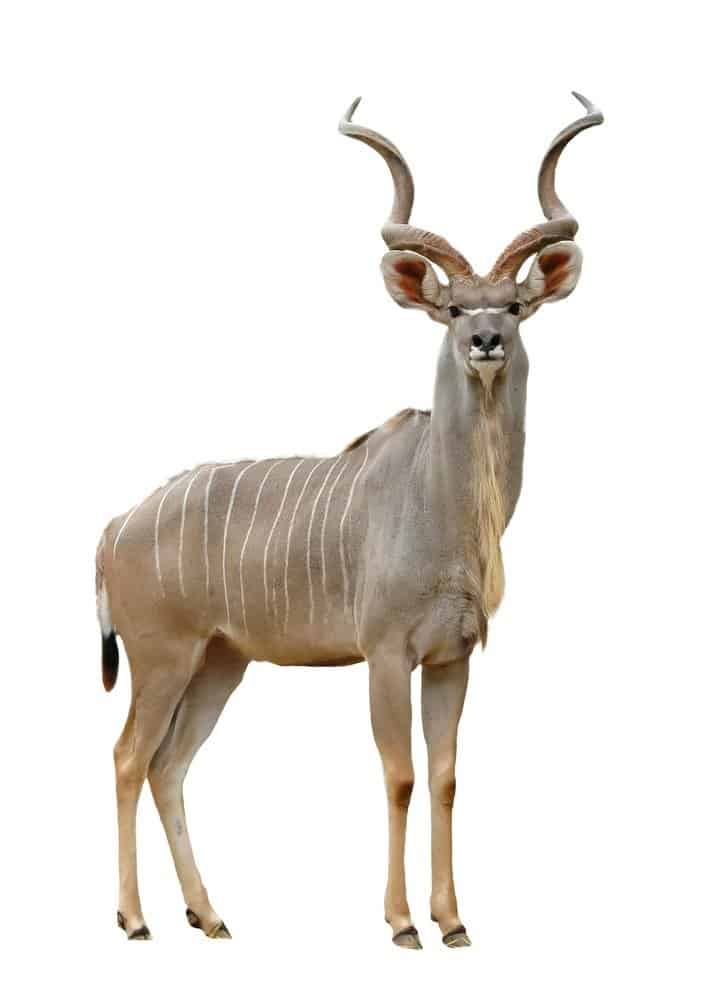
Greater kudu are capable of reaching 690 lbs and of having horns as long as 6 feet
©Michael Potter11/Shutterstock.com
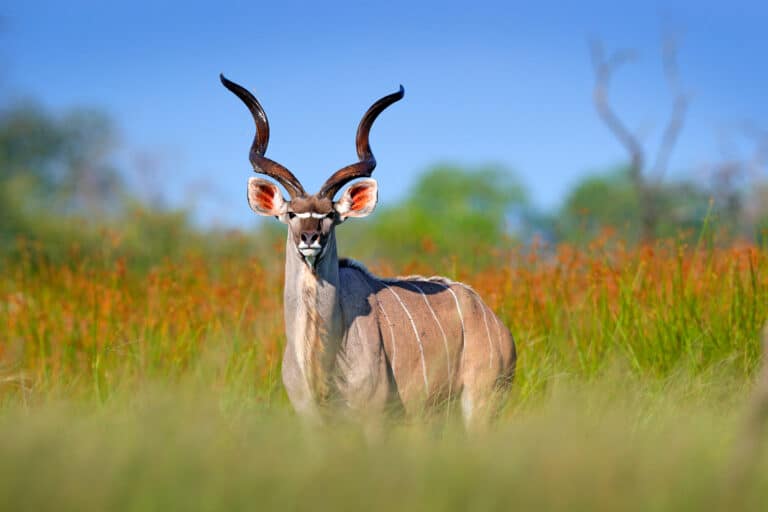
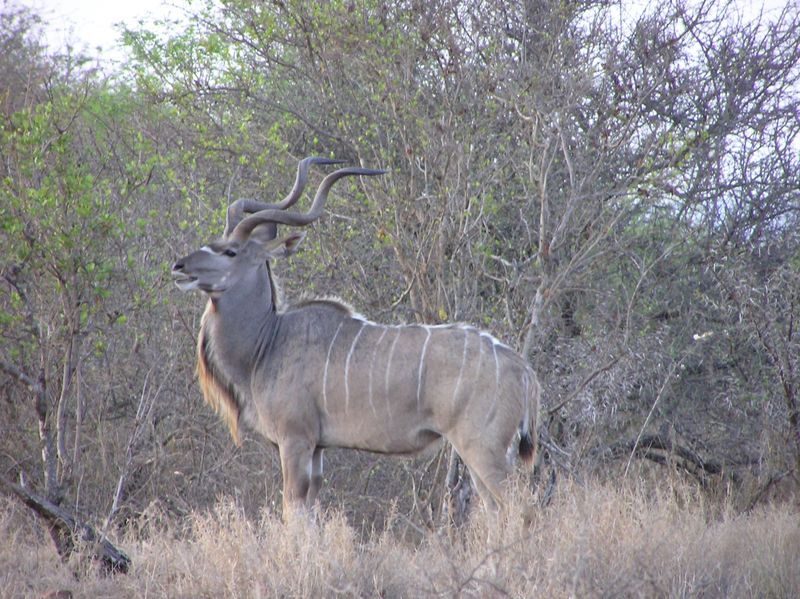
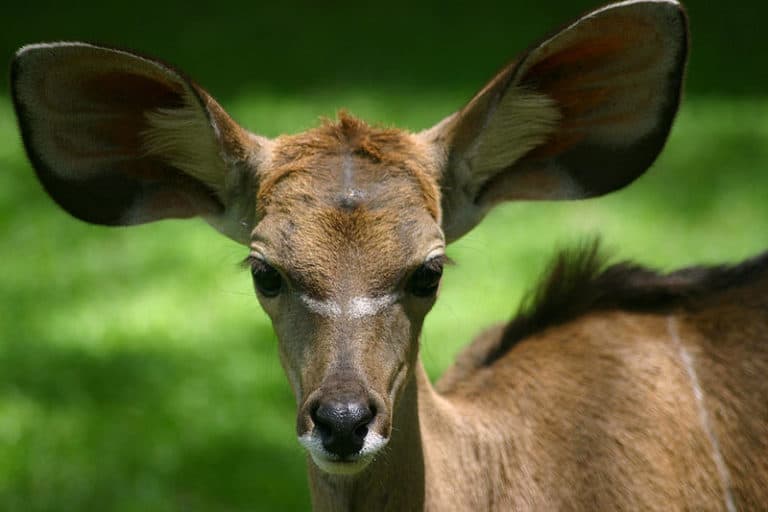
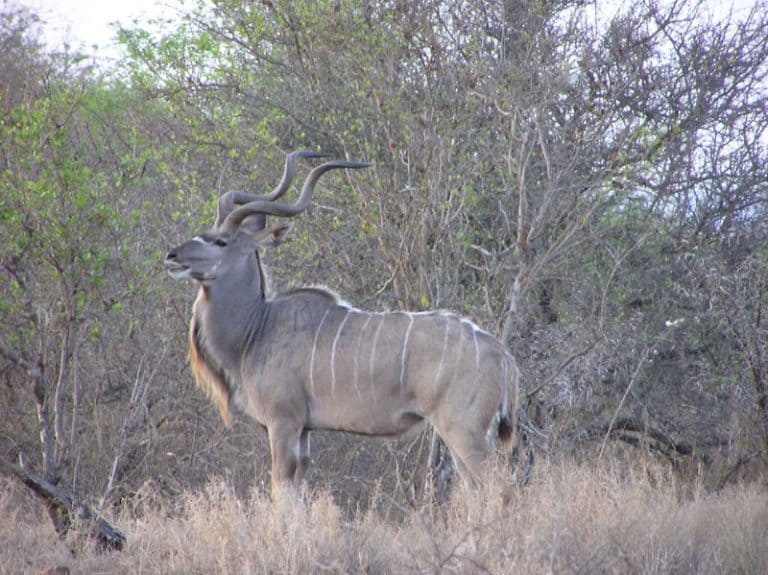
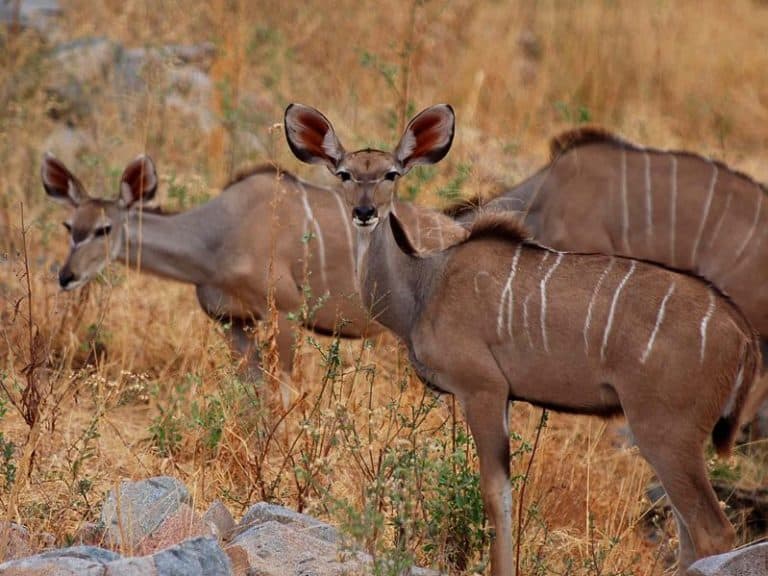
Both species of kudu animals have similar body structure and proportions, although there are a few notable differences in their external characteristics. Both have grey to brown fur that is broken by a series of white stripes and other markings, often including a chevron visible on their nose. The lesser species typically has between 11 and 15 white stripes on their body, while the greater species usually has between 6 and 10.
Body size is one of the key differences between the two species. The lesser species is generally 3 to 3.5 feet tall and weighs between 130 and 230 pounds. Greater kudu can reach much greater size, with a potential shoulder height of up to 5 feet and total weight of mature adults ranging between 260 and 600 pounds. The largest bull male on record weighed in at over 690 pounds.
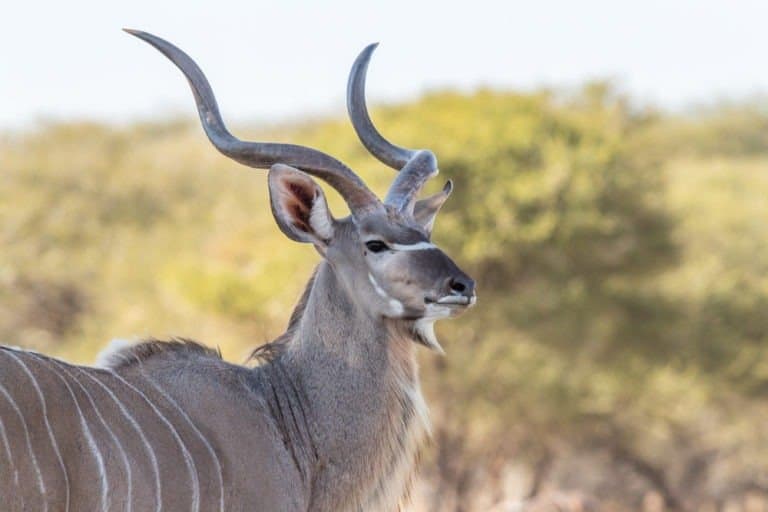
All male kudu animals have the potential to grow spiraled horns that can be quite long relevant to their body size. Lesser kudu males can grow horns that are up to 3.5 feet long, while some greater kudu have been reported sporting horns as long as 6 feet. These horns tend to make 2 to 3 large twists as they slope backwards from the head toward the terminal point, which sets them apart from the tightly wound horns seen on other antelopes.
Behavior
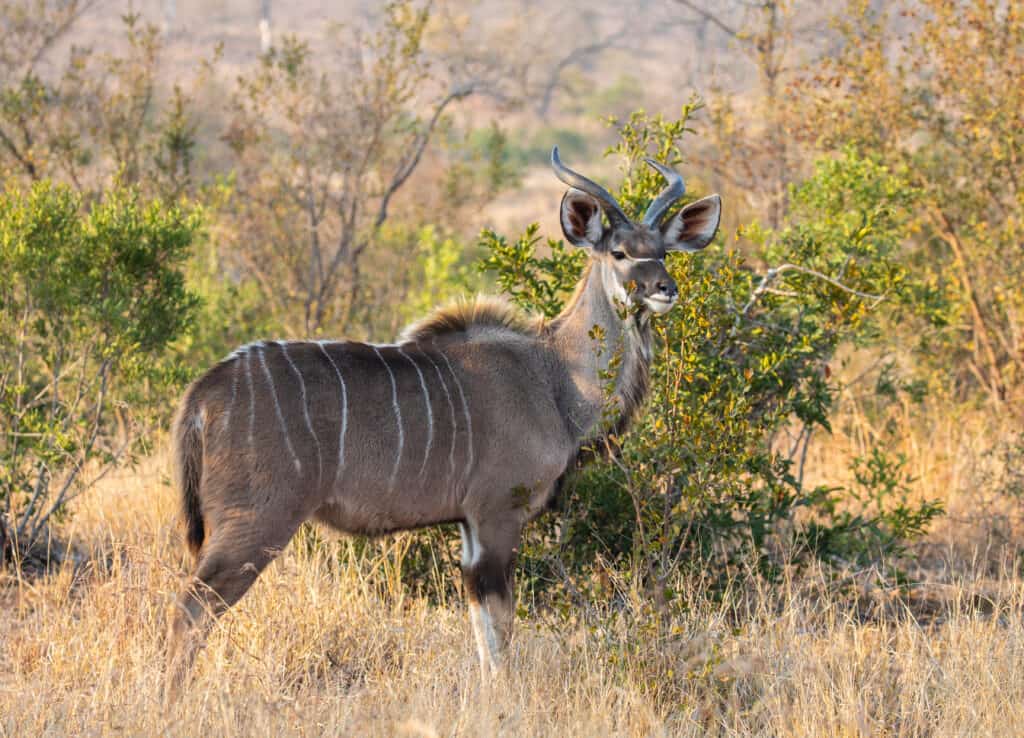
The kudu’s coloration and fur pattern makes for an effective camouflage when feeding
©Anan Kaewkhammul/Shutterstock.com
As herbivores, most of the kudu’s biology and behavior is geared toward surviving in a potentially harsh native habitat and avoiding dangerous predators. They tend to stay very still as they graze, which allows their coloration to provide effective camouflage. They are most active during the night or morning hours and seek shelter in dense brush during the daytime. Kudu often travel in small packs or herds, but they are also frequently seen alone. Much like other kinds of antelope, these animals have a strong flight reflex and can move very quickly when confronted with an immediate threat.
Habitat
Unlike greater kudu which can be found in both Southern and Eastern Africa, lesser kudu are only found in Eastern Africa
©Isabelle OHara/Shutterstock.com
Both kudu animal species are native to southern and eastern portions of Africa. Greater kudu have a much greater geographic distribution that includes parts of Ethiopia, Tanzania, Kenya and as far south as South Africa. There are also some isolated populations of the cottoni subspecies found in central Africa. Lesser kudu have a much smaller distribution and are only found in eastern regions near the Horn of Africa, including Ethiopia and Kenya.
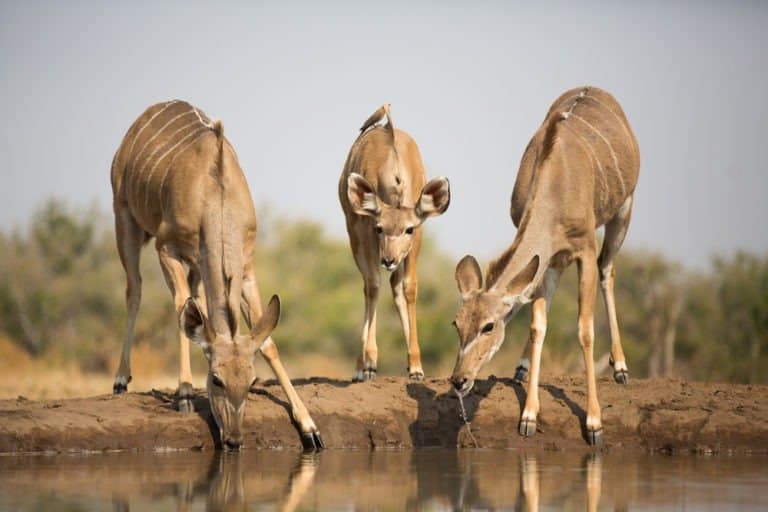
These animals have strong jumping and bulldozing potential, which helps them navigate rugged terrain around hills or mountains and forge boldly through dense brush and growth in wooded regions. They tend to inhabit woodland and forested areas, particularly along water sources. Lesser kudu are a bit less water-dependent than their greater cousins. Both species can satisfy some of their water needs by seeking out certain types of plants as they graze.
Diet
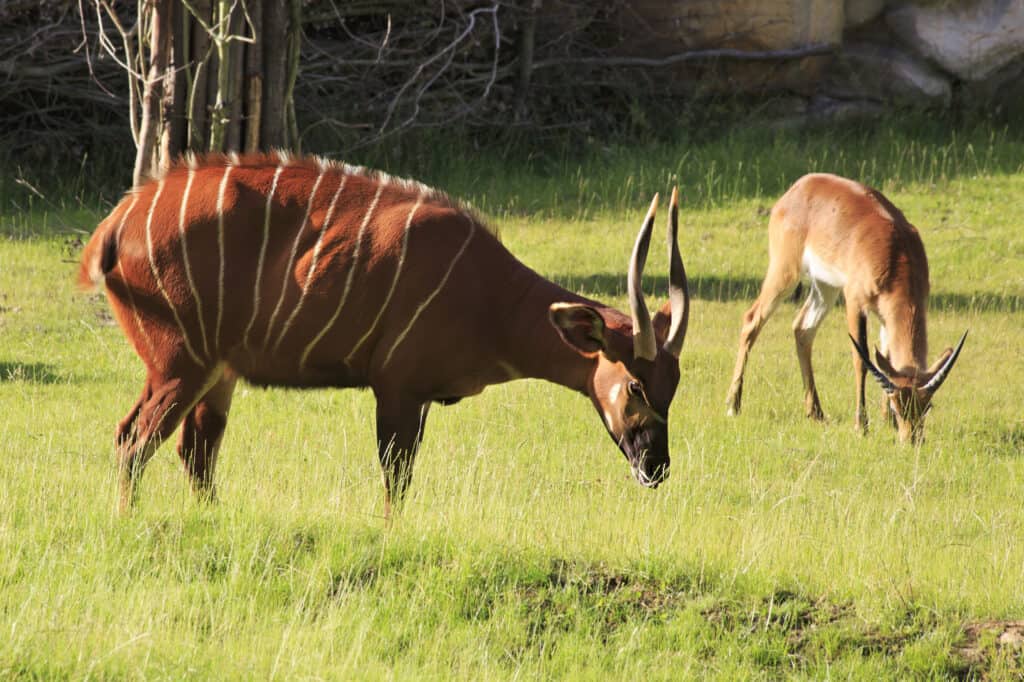
Kudu are known to eat shoots, roots, and even fruit
©yykkaa/Shutterstock.com
Kudu are flexible foragers that consume a wide range of plant materials in woodlands, thickets, and open fields. Lesser kudu are known to have a diet that is mostly foliage from trees and shrubs, with most of the remaining being from vines and similar plants. However, kudu can also eat tender young shoots, plant roots, and may even target some types of fruit when they can find them. Succulent plants that store water are also a prime target during the dry season. Kudu in captivity are typically fed grass or alfalfa hay alongside some natural forage and enriched pellets or biscuits.
Predators and Threats
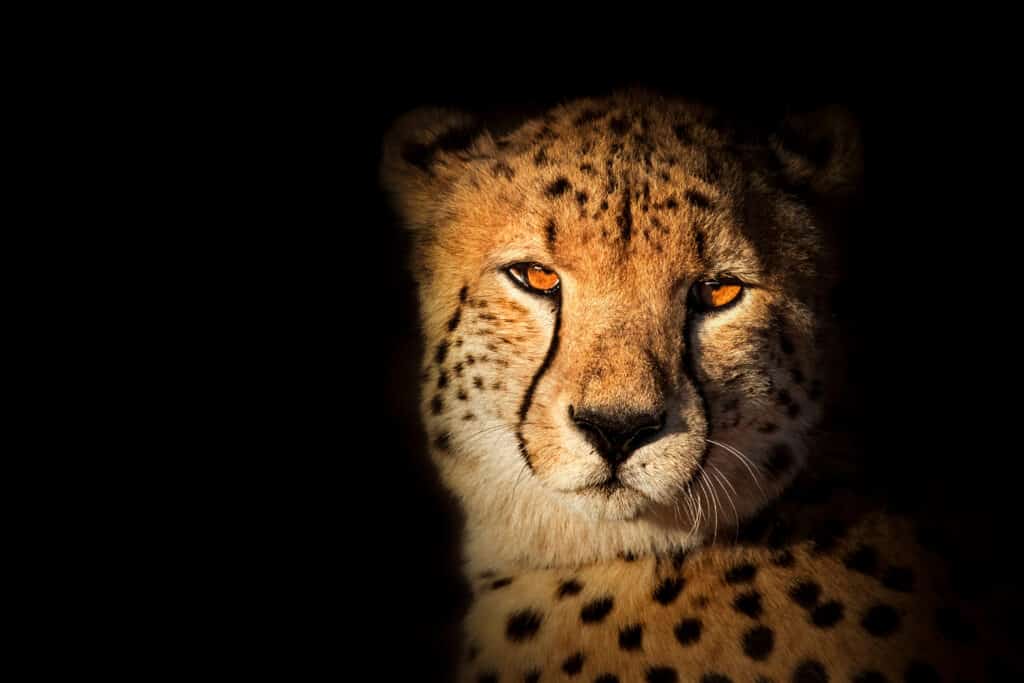
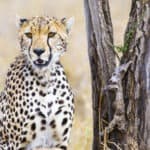
Cheetahs as well as other big cats are known to hunt kudu
©Henrico Muller/Shutterstock.com
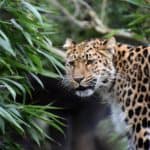
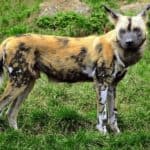
The kudu share their native range with many solitary and pack predators that pose a significant threat to their survival. Perhaps the most dangerous predators are big cat species, including lions, cheetahs, and leopards. Felines tend to use a combination of stealth, patience, and speed to ambush the fast-acting kudu while they graze. Packs of spotted hyenas and African hunting dogs are also known to trap or track down kudu as prey.
Humans are both predator and serious environmental threat to the long-term viability of kudu populations. People hunt the animals for their meat, large hides, and distinguished horns, which are traditionally used to make musical, ornamental, and various household objects. Native habitats, especially of lesser kudu, are also threatened by the continued growth of human settlements and expansion of commercial farming enterprises throughout the region.
Lesser kudu are particularly vulnerable to habitat fragmentation and hunting due to their small geographic distribution, which has prompted their classification as near threatened. They can also suffer significant population losses from contagious diseases like rinderpest, which has decimated numbers in the past. Greater kudu have a much bigger native range and are considered a species of least concern by conservationists.
The Animal’s Reproduction, Babies, and Lifespan
Some herbivores can get pretty violent during mating season, but kudu are among the more peaceful species on the continent. Males often compete by showing off their size in profile until one withdraws. However, they may physically struggle by locking horns if one of the competitors doesn’t back down. Victorious ales often wrestle with females initially then follow them for a while before actually mating.
Females remain pregnant for about 240 days before giving birth to a single calf, which typically weighs around 10 to 15 pounds. Mothers separate from their group before they deliver their baby. They leave the calf carefully hidden in the brush while they forage during the first 4 or 5 weeks after birth. At this point, calves accompany the mother on foraging expeditions until it is about 6 months old.
Despite the care and attention that mother kudu show their young, roughly half of calves die before the 6-month mark. Researchers estimate that only about 1 in 4 individuals make it to 3 years old. Kudu reach sexual maturity within a few years, but males are rarely successful at mating until they are about 4 or 5 years old. Aside from high death rates during youth, the animals often live to be 10 to 15 years old in the wild and up to 20 in captivity.
Population
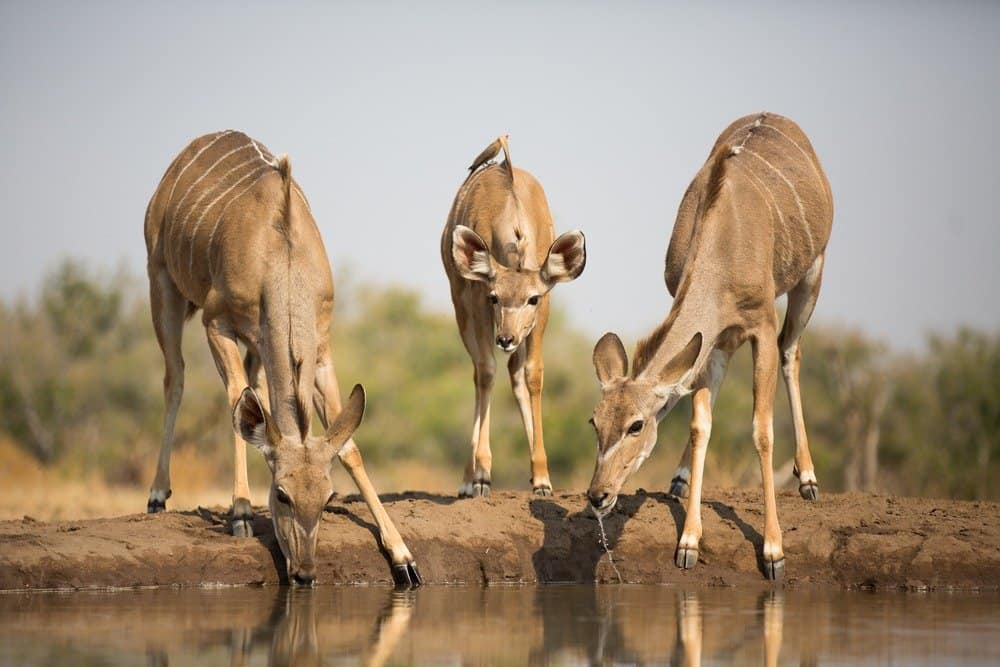
Lesser kudu are presently facing issues with habitat disruption
©Villiers Steyn/Shutterstock.com
Researchers estimate there are about 118,000 lesser kudu remaining in Africa. Their limited native range combined with significant habitat disruption by humans is a serious cause for concern. About a third of them currently live in National Parks and other protected areas.
Greater kudu are believed to number about 482,000, although the extremely limited range of the cottoni subspecies, found only in Chad and Sudan, means it could be a candidate for endangerment.
Animals in the Zoo: Where to find the Kudu
The Smithsonian’s National Zoo has a small population of kudu available for visitors to observe. They reported the birth of a male kudu calf in 2019. Over a dozen other city and state zoos across the country, including the Maryland Zoo, also have lesser kudu on display for interested viewers.
Kudu Pictures
View all of our Kudu pictures in the gallery.

John Ceulemans/Shutterstock.com