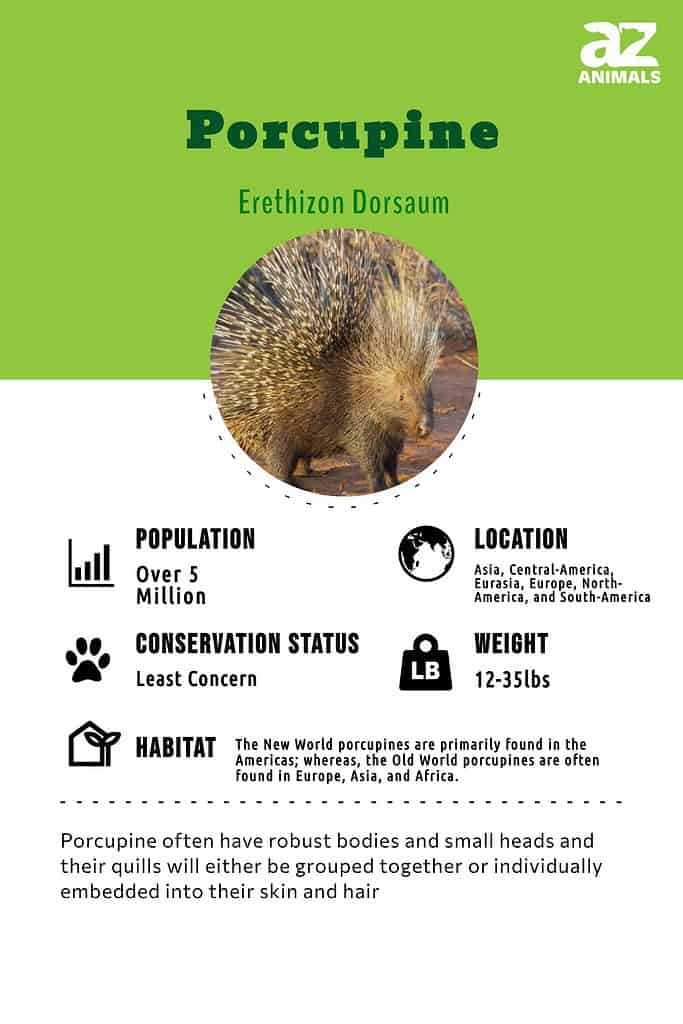
P
Species Profile

Porcupine

Hystricidae

Spines out, trouble out
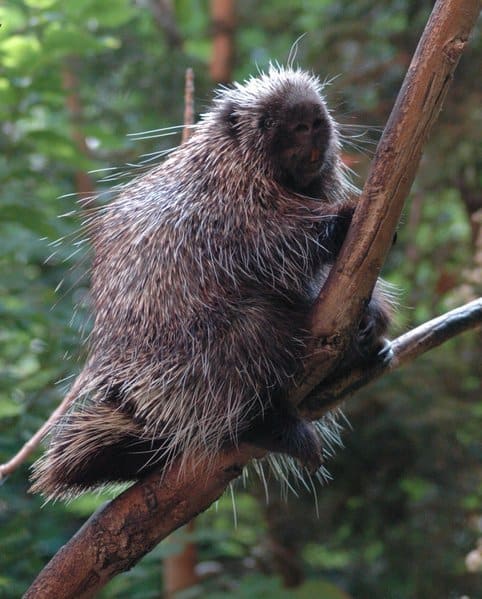
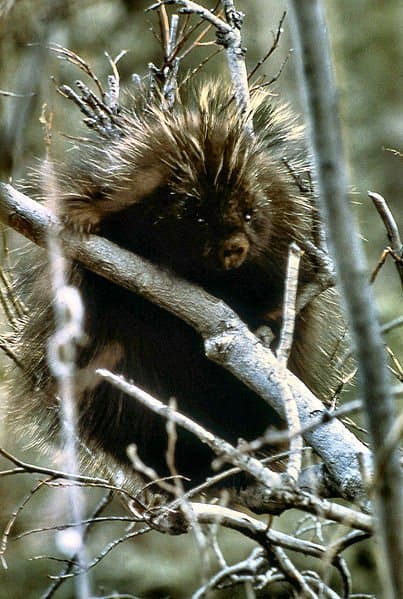
J. Glover / Creative Commons

Porcupine Distribution

Click a location to explore more animals from that region

Loading map...

Size Comparison

Human 5'8"
Porcupine 1 ft 2 in

Porcupine stands at 20% of average human height.

At a Glance

Order Overview This page covers the Porcupine order as a group. Stats below are general traits shared across the order.
Also Known As quill pig, quill hog, prickly pig, porky
Diet Herbivore
Activity Nocturnal+
Lifespan 10 years
Weight 30 lbs
Status Not Evaluated
Did You Know?

"Porcupine" refers to two separate rodent families: Old World porcupines (Hystricidae) in Africa/Europe/Asia and New World porcupines (Erethizontidae) in the Americas-similar look, different lineages.

Scientific Classification

Order Overview "Porcupine" is not a single species but represents an entire order containing multiple species.

Porcupines are quill-covered rodents best known for their keratinous spines used in defense. The term covers two separate families: Old World porcupines (generally larger, more terrestrial; Hystricidae) and New World porcupines (often more arboreal, many with prehensile tails; Erethizontidae).

Kingdom
Animalia
Phylum
Chordata
Class
Mammalia
Order
Rodentia

Distinguishing Features

  • Defensive quills/spines (modified hairs of keratin) that can detach on contact in many species
  • Robust incisors and gnawing adaptations typical of rodents
  • Primarily herbivorous/folivorous diets (bark, leaves, fruits, roots; some species opportunistically consume insects)
  • Behavior differs by lineage: many New World porcupines are arboreal; many Old World porcupines are terrestrial and burrow-using

Physical Measurements

Males and females differ in size

Height
12 in (8 in – 1 ft 4 in)
1 ft 2 in (8 in – 1 ft 8 in)
Length
2 ft 9 in (1 ft 12 in – 3 ft 4 in)
2 ft 7 in (1 ft 8 in – 3 ft 5 in)
Weight
26 lbs (3 lbs – 53 lbs)
26 lbs (4 lbs – 66 lbs)
Tail Length
6 in (4 in – 10 in)
6 in (3 in – 10 in)
Top Speed
6 mph
running

Appearance

Primary Colors
Secondary Colors
Skin Type Dense fur over thick skin with keratinous quills (modified hairs). Quills are contact-based defenses: they embed on touch; porcupines do not shoot or throw them.
Distinctive Features
  • Size range across Old World porcupines: roughly 37-90 cm head-body length; tail often ~8-25 cm; mass about ~1-27 kg (small brush-tailed to large crested forms).
  • Lifespan range: commonly ~5-15 years in the wild; up to ~20+ years reported in captivity depending on species and care.
  • Quill morphology: stout, rigid spines plus longer guard hairs; quills can raise (piloerection) to increase apparent size and deterrence.
  • Defense behaviors: freezing, quill-raising, tooth-chattering, tail rattling in some, and backing into threats to make contact with quills.
  • Rodent traits: ever-growing incisors for gnawing; strong jaws; frequent gnaw marks on bark, roots, and hard plant material.
  • General ecology: mostly nocturnal and largely terrestrial compared with New World porcupines; many use burrows, rock crevices, or dens, but degree of digging and habitat use varies by species.
  • Diet generalization with variation: primarily herbivorous (roots, bark, tubers, fruit), with opportunistic feeding possible; local diets shift strongly with season and habitat.

Did You Know?

"Porcupine" refers to two separate rodent families: Old World porcupines (Hystricidae) in Africa/Europe/Asia and New World porcupines (Erethizontidae) in the Americas-similar look, different lineages.

Size across porcupines ranges roughly from ~0.8-1 kg small Neotropical species to ~25-30 kg in the largest Old World species; head-body length spans about ~25-90 cm (tails vary from short to long and prehensile).

Quills are modified hairs made mostly of keratin; New World porcupines typically have microscopic barbs that help quills lodge, while Old World porcupine spines are generally less barbed and often longer and stiffer.

Porcupines do not "shoot" quills; defense is contact-based-raising quills, presenting the back/tail, and sometimes slapping with the tail so loose quills embed in attackers.

Most species are herbivorous (leaves, bark, roots, fruit), but diets vary by habitat; many also gnaw bones or antlers for minerals (notably sodium/calcium).

Lifespan varies widely by species and conditions: commonly ~5-10 years in the wild, with some reaching ~15-20 (or more) in captivity.

Old World porcupines are often more terrestrial and use burrows/rock crevices, while many New World species are more arboreal and may have prehensile tails for climbing.

Unique Adaptations

  • Quills/spines as a detachable armor system: dense coverage on the back/rump (coverage and quill type vary by species), creating a strong deterrent even against large predators.
  • Skin and musculature that can erect quills (piloerection) to increase apparent size and make contact more likely to result in quill embedding.
  • Robust skull and jaw mechanics for processing tough plant material; ever-growing incisors and grinding cheek teeth adapted for fibrous diets.
  • Arboreal specializations in many New World species: strong grasping feet and, in several species, a prehensile tail for climbing and stability on branches.
  • Chemical and sensory adaptations for foraging: many rely heavily on smell and nocturnal vision; digestive systems are geared toward extracting nutrients from plant matter (with variation among species).

Interesting Behaviors

  • Nocturnal/crepuscular activity is common, but timing varies by species, climate, and human disturbance.
  • Defensive postures: quill-raising, "backing in" toward a threat, chattering teeth or vocalizing; some species add tail rattling (especially Old World Hystrix with specialized hollow quills).
  • Climbing vs. digging split: many New World porcupines move confidently in trees and den in hollows, whereas many Old World porcupines travel on the ground and shelter in burrows or caves.
  • Gnawing is constant maintenance: like all rodents, porcupine incisors grow continuously; feeding often includes heavy bark/wood gnawing that can girdle branches or saplings.
  • Mineral-seeking: porcupines may chew bones, shed antlers, or salty wood/plywood to obtain salts-behavior varies strongly with local mineral availability.
  • Social variation: many species are largely solitary, yet some form seasonal pairs or small family groups and may share dens, especially in colder regions.

Cultural Significance

Porcupines (Hystricidae) are long symbols of self-defense, protection, caution, and resilience. In the Americas their quills were used for quillwork on clothing and ceremonial items, tied to identity and skill. In Europe they appear in heraldry and bestiaries as armed, prickly guardians.

Myths & Legends

Indigenous North American 'How Porcupine Got His Quills' stories say quills were given or earned after Porcupine showed weakness, when a spirit or creator gave quills so the animal could survive predators.

In many North American tales, Porcupine outsmarts bigger animals like Bear by climbing to safety; the attacker ends up with quills, teaching a warning against pride and fighting.

In Plains and Subarctic quillwork traditions, origin stories link quill embroidery to Porcupine through a spirit helper, often called "Porcupine Woman," who teaches people the craft and how to care for it.

Medieval European bestiaries popularized the legend that porcupines could throw or shoot their quills at enemies; this idea persisted in art and storytelling for centuries and shaped how the animal was symbolically portrayed.

In French royal coat of arms, the porcupine (Hystricidae) became a symbol, notably under Louis XII, because its well-armed, hard-to-attack image was used in political symbols of power.

Conservation Status

NE Not Evaluated (family-level hub; IUCN assesses Hystricidae mainly at species level). Across the family, most species are LC, with some NT/VU where island endemism and habitat conversion are intense. Size range ~37-90 cm; ~1.5-30 kg. Lifespan ~5-27 years (wild-captive). Mostly nocturnal, largely terrestrial; some more forest-associated/partly arboreal; diet mainly roots, tubers, bark, and fallen fruit, with variation by habitat.

Has not yet been evaluated against the criteria.

Population Unknown

Protected Under

  • National and subnational wildlife protection and hunting regulations in many African and Asian range states (species-level rules vary)
  • Protected-area networks (national parks/reserves) that encompass portions of Hystricidae ranges; effectiveness depends on enforcement and local hunting pressure

You might be looking for:

North American Porcupine

28%

Erethizon dorsatum

Largest New World porcupine; widespread in North America; strong climber with barbed quills.

African Crested Porcupine

18%

Hystrix cristata

Iconic large Old World porcupine of Africa/Italy; prominent crest and long defensive quills.

Indian Crested Porcupine

16%

Hystrix indica

Large Old World porcupine common in South Asia; often the default “porcupine” in parts of Asia.

Malayan Porcupine

12%

Hystrix brachyura

Southeast Asian Old World porcupine; shorter quills; adaptable to forest and edge habitats.

Brazilian Porcupine (Prehensile-tailed porcupine)

10%

Coendou prehensilis

Arboreal New World porcupine with a prehensile tail; widespread in northern/central South America.

Life Cycle

Birth 1 pup
Lifespan 10 years

Lifespan

In the Wild
4–15 years
In Captivity
8–27 years

Reproduction

Mating System Data Deficient
Social Structure Socially Monogamous
Breeding Pattern Not Applicable
Fertilization Internal Fertilization
Birth Type Internal_fertilization

Mating systems in porcupines vary by species. Some Old World porcupines form long-term male-female pair bonds and may share dens or territories, with mate guarding reported. Many New World porcupines are largely solitary and may mate polygynously or promiscuously, with limited long-term pairing.

Behavior & Ecology

Social Family Group: 2
Activity Nocturnal, Crepuscular, Cathemeral
Diet Herbivore Bark and inner cambium (especially from trees and shrubs)

Temperament

Generally wary and non-aggressive; relies on avoidance and quill-based defense when threatened
Territoriality varies by species and habitat; ranges often overlap with limited tolerance at close distance
Low sociality overall, but den-sharing and temporary associations occur where shelters are limited
Mother-offspring bonds are strong; juveniles remain close until weaning and dispersal

Communication

Grunts and low growls during close encounters or disturbance
Whines/whimpers between mother and young
Loud screams or squeals when handled or in intense threat
Tooth-chattering or clicking as a warning signal in some species
Scent marking via urine/feces and glandular odors to advertise presence and routes
Quill rattling and tail shaking as an audible warning display
Foot stamping, body postures, and orientation of quills to deter approach
Tactile contact between mother and offspring during denning and nursing

Habitat

Biomes:
Tropical Rainforest Tropical Dry Forest Savanna Mediterranean Temperate Forest Temperate Grassland Desert Hot Desert Cold +2
Terrain:
Mountainous Hilly Plateau Plains Valley Coastal Riverine Karst Rocky Sandy +4
Elevation: Up to 11482 ft 11 in

Ecological Role

Primarily terrestrial herbivorous browsers/rooters that strongly influence woody vegetation and understory composition; they can be both ecosystem engineers (via burrowing and digging) and occasional agricultural pests depending on context.

Vegetation pruning and shaping of regeneration via bark stripping and browsing Soil disturbance and microhabitat creation through digging/rooting and (in many species) burrow use Nutrient cycling by moving and processing plant material; localized enrichment around dens/latrines Seed dispersal and seed fate effects (consumption and occasional dispersal of fruits/seeds) Providing prey/scavenging opportunities for large predators around kills/carcasses (as prey items themselves), supporting food webs

Diet Details

Other Foods:
Bark and inner cambium Roots, tubers, bulbs, and other underground storage organs Leaves, shoots and other green vegetation Fruits and fallen fruit Seeds, nuts, and cones Agricultural crops and garden plants Fungi and other forest-floor plant material +1

Human Interaction

Domestication Status

Wild

Porcupines (Hystricidae) are wild rodents, not domesticated. They are sometimes kept or bred in zoos and locally for meat, but no true domesticated form exists. Humans hunt them for bushmeat, use quills for crafts, suffer crop and wood damage, cause roadkill, and keep them for display or occasional control and translocation.

Danger Level

Moderate
  • quill puncture injuries during handling, hunting, accidental contact, or when cornering an animal (can be painful and medically significant depending on location/infection)
  • bites and scratches if restrained or handled
  • secondary infection risk from puncture wounds
  • vehicle collisions/road hazards in areas where porcupines cross roads

As a Pet

Not Suitable as Pet

Legality: Laws differ by country, state, or province. Porcupines (Hystricidae) are often classed as exotic wildlife: they may be illegal, need permits, have import rules, and face local rules or limited vet care.

Care Level: Expert Only

Purchase Cost: $500 - $3,000
Lifetime Cost: $10,000 - $35,000

Economic Value

Uses:
Subsistence and commercial hunting (bushmeat) Craft/ornamental materials Ecotourism and education (zoos, wildlife parks) Pest/wildlife management (agricultural conflict) Research/biomedical and veterinary interest (limited, indirect)
Products:
  • meat (local consumption/markets in some regions)
  • quills/spines for decoration, jewelry, and cultural artifacts
  • skins/hides (limited, localized use)
  • wildlife viewing/interpretive programming value

Relationships

Related Species 6

New World porcupines Erethizontidae Shared Order
Guinea pigs and cavies Caviidae Shared Family
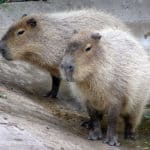
Capybara
Capybara Hydrochoerus hydrochaeris Shared Order
Chinchillas and viscachas Chinchillidae Shared Family
African mole-rats Bathyergidae Shared Order
Cane rats Thryonomyidae Shared Order

Types of Porcupine

10

Explore 10 recognized types of porcupine

Crested porcupine Hystrix cristata
Indian crested porcupine Hystrix indica
Cape porcupine Hystrix africaeaustralis
Malayan porcupine Hystrix brachyura
Javan porcupine Hystrix javanica
Philippine porcupine Hystrix pumila
Thick-spined porcupine Hystrix crassispinis
African brush-tailed porcupine Atherurus africanus
Asian brush-tailed porcupine Atherurus macrourus
Long-tailed (brush-tailed) porcupine Trichys fasciculata

Porcupines are the third largest rodent on the planet. They are broken down into two types of porcupines, which are Old World and New World porcupines. These large rodents are known to fight off enormous predators, and they feast on plants, shrubs, and trees throughout the year. Despite their fierce-looking exterior, they are gentle and docile creatures unless provoked.

Porcupine Top Facts

  • Quills have an antibiotic grease layer that helps to prevent infection in humans and animals.
  • Porcupines have the ability to fight off even the largest and most dangerous of predators, including leopards.
  • Baby porcupines are called porcupines, and a group of porcupines is called a prickle.

You can check out more incredible facts about porcupines.

Scientific Name
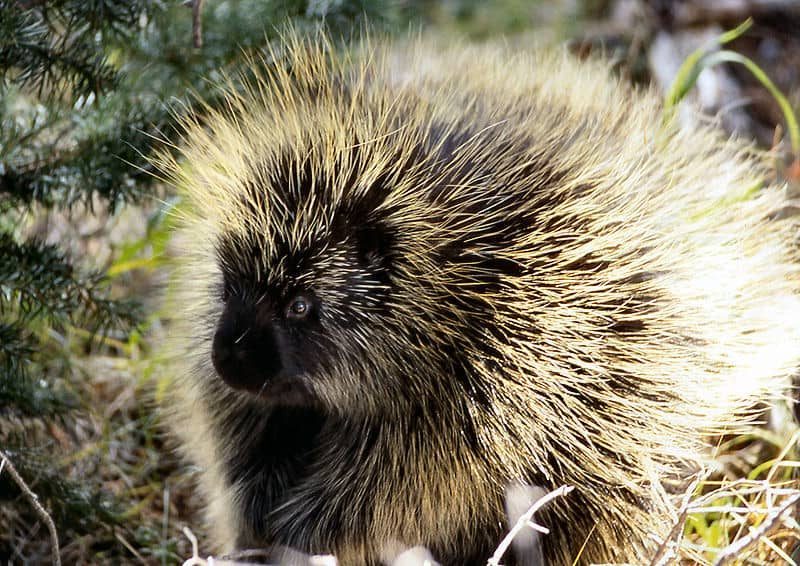
The taxonomy of Porcupines is broken down into the Rodentia order, the Erethizontidae (New World), or Hystricidae (Old World).

The taxonomy of Porcupines is broken down into the Rodentia order, the Erethizontidae (New World) or Hystricidae (Old World) family, and the Erethizon or Chaetomys genus. The Hystricidae porcupines stay on the ground for the most part and live in Europe, Asia, and Africa.

Erethizontidae porcupines enjoy climbing trees and swimming throughout the Americas. The actual name of porcupine originates from the French word porcespin, which translates to quill pig. There are over two dozen species of porcupines across the world, including:

Family Hystricidae (Old World porcupines):

  • Malayan porcupine
  • Sunda porcupine
  • Cape porcupine
  • Crested porcupine
  • Indian porcupine
  • Thick-spined porcupine
  • Philippine porcupine
  • Sumatran porcupine
  • African brush-tailed porcupine
  • Asiatic brush-tailed porcupine
  • Long-tailed porcupine

Family Erethizontidae (New World porcupines):

  • Bristle-spined rat
  • Baturite porcupine
  • Bicolored-spined porcupine
  • Streaked dwarf porcupine
  • Bahia porcupine
  • Black-tailed hairy dwarf porcupine
  • Mexican hairy dwarf porcupine
  • Black dwarf porcupine
  • Brazilian porcupine
  • Frosted hairy dwarf porcupine
  • Andean porcupine
  • Rothschild’s porcupine
  • Roosmalen’s dwarf porcupine
  • Stump-tailed porcupine
  • Santa Marta porcupine
  • Coandumirim
  • Paraguayan hairy dwarf porcupine
  • Brown hairy dwarf porcupine
  • North American porcupine

Evolution and Origins
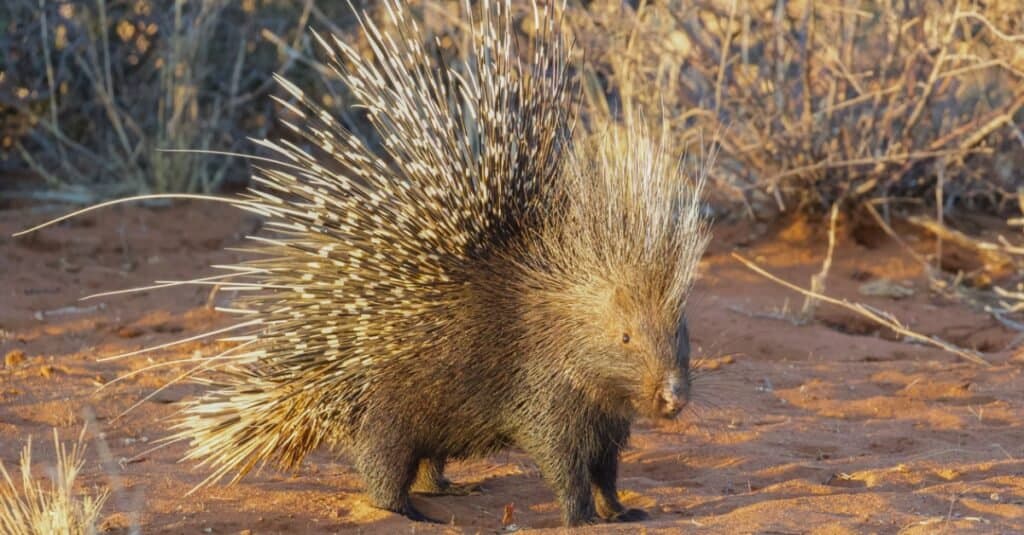
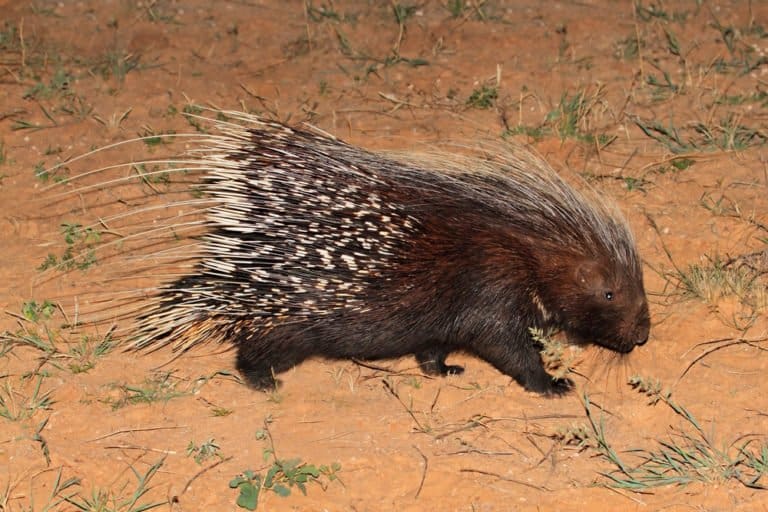
porcupine with long quills in the dirt

The quills of a porcupine can cause the death of a lion.

Porcupines are large, terrestrial rodents that are known for their sharp quills. They belong to the rodent family Erethizontidae and are native to North America, South America, and parts of Africa and Asia.

The earliest known porcupines date back to the Eocene epoch, around 55 million years ago. They evolved from a common ancestor shared with other rodent groups such as beavers and rats. Over time, they developed their distinctive quills as a defense mechanism against predators.

Porcupines are herbivores and have a varied diet, mostly eating tree bark, fruits, vegetables, and sometimes small animals. They are also known for gnawing on bones for their minerals.

Porcupines have a slow reproduction rate, and usually only have one litter per year, with one to three babies. They are also known for their longevity, some species can live up to 20 years in the wild.

Appearance & Behavior
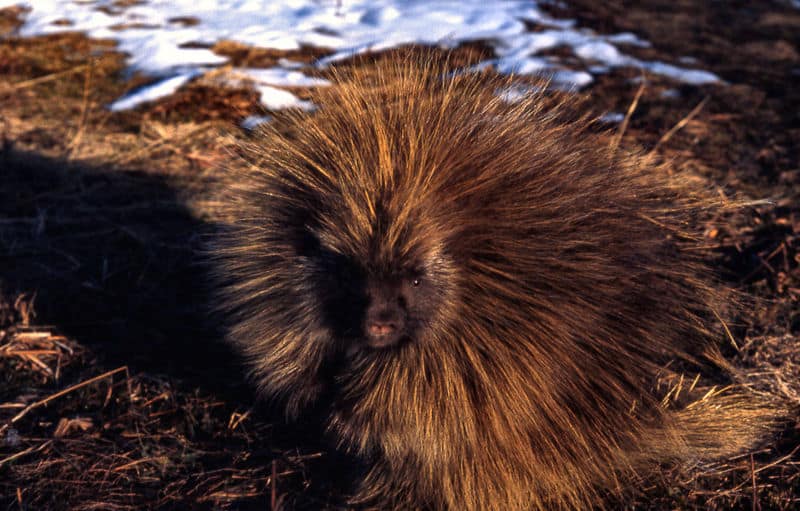
Each species of porcupine looks a bit different from the next.

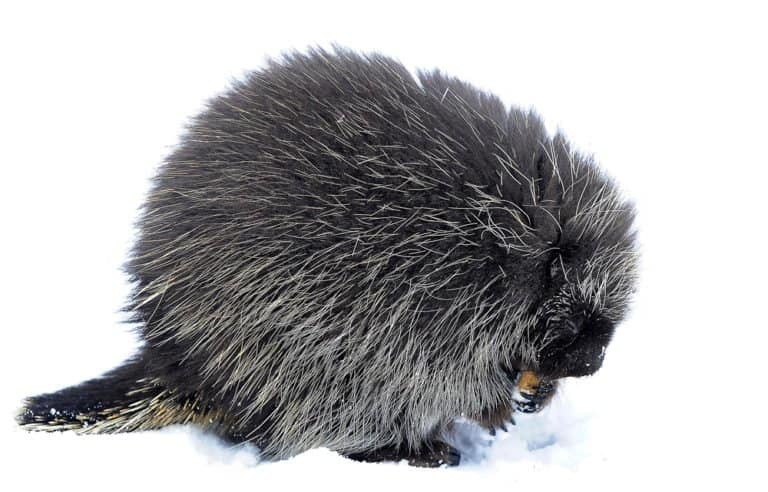
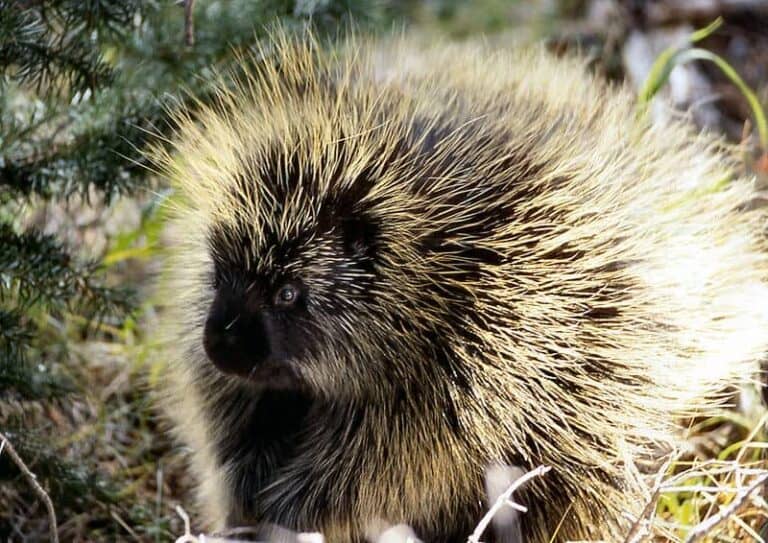
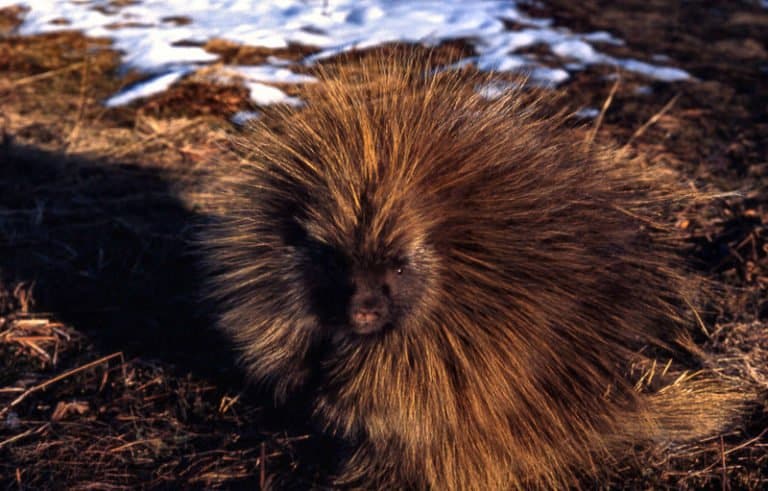
Each species of porcupine looks a bit different from the next. However, they do have some general appearance characteristics, such as they often have robust bodies and small heads. Their quills will either be grouped together or individually embedded into their skin and hair. These quills are their defense. They will drop their quills in the path of a potential predator to protect themselves

The front of their bodies is most vulnerable as it is covered with hair rather than quills. The base color of the hair can vary, including to be yellow, brown, grayish brown, dark brown, or black. The patterns that overlay the base layer can also vary in color, including black, orange, yellow, and white.

There are even albino porcupines in some parts of the world. Most porcupines range between 25 and 40 inches long, which includes their tail. They typically weigh between 10 and 40 pounds. Both males and females are roughly the same size. And many species have hairless soles that make them excellent climbers.

Porcupines are solitary animals that spend most of their time alone. They will gather in groups during the winter and spend time with a potential mate during courtship. A group of porcupines is called a prickle. When they do gather as a group during the winter, you will find a group of up to 12 porcupines sheltering together.

Habitat
Porcupine climbing a tree
The New World porcupines are primarily found in the Americas; whereas, the Old World porcupines are often found in Europe, Asia, and Africa.

Where do porcupines live? The New World porcupines are primarily found in the Americas; whereas, the Old World porcupines are often found in Europe, Asia, and Africa. You will find porcupines in the Americas enjoy exploring the trees and water as much as land.

However, the porcupines in other parts of the world typically remain on solid land for the most part. You will find them living in nearly any type of terrain, including deserts, forests, grasslands, mountains, and rainforests.

They can adapt quite easily to their environments. Many porcupine species prefer to spend their downtime inside rocky crevices, caves, tangles of roots, brush, tree branches, burrows, and hollow logs and trees. Their home, wherever it may be, is called a den. They do not hibernate; however, they are nocturnal so they sleep during the day and explore at night.

Diet
Porcupine eats
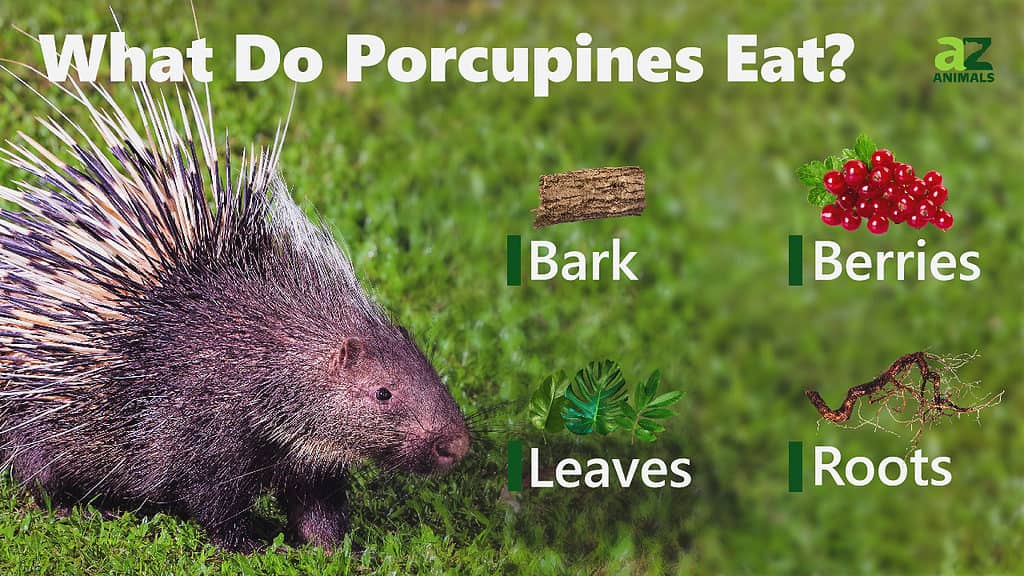
Porcupine eats bark, berries, leaves, and roots.

Porcupines the world over are herbivores. They eat roughly 0.9 pounds of food each day. During the winter, they rely upon tree bark as a primary source of nutrients. Due to harsh conditions, they often lose roughly 17% of their weight in the winter due to a lack of nitrogen in their winter diet. In Spring, porcupines prefer leaf blades rich in protein. If trees begin to develop toxic tannins, they will select more herbaceous plants and trees with fewer tannins.

Summertime brings about more dietary changes, including potassium-rich foliage. This can lead to excreting too much sodium which forces porcupines to go in search of salt. In nature, they may find salt in a variety of sources, such as aquatic plants.

When they do not find it in nature, they look for human-made sources, including tires, plywood, handles of tools, and brake lines. In some instances, they will eat certain nuts and fruit. Despite their dietary habits in nature, they cause far less damage than insects, disease, winds, and fires. For a complete analysis of their diet, give our ‘What Do Porcupines Eat?’ page a read!”

Predators and Threats

The small stature of a porcupine, particularly young porcupines, makes them vulnerable to a number of predators, including great horned owls, black bears, bobcats, martens, long-tailed weasels, ermines, coyotes, and mink. The fisher is their most common predator. Fishers can even prevent porcupine populations from growing.

If a predator does approach, the porcupine will turn its back to the predator keeping the quills facing the threat at all times. However, if the predator can get the porcupine on its back, it will often lose the battle. In some instances, porcupines have fought off an attack with their quills, including against highly dangerous animals like a leopard. When an approaching predator gets a quill embedded into their paw or body, they will often retreat as the quills are quite painful and difficult for animals to remove.

The Phillippine porcupine is the only porcupine categorized as vulnerable at this time. All others are listed in the least concern classification. The biggest threat to the global porcupine population is human deforestation, wildfires, and infrastructure development. These actions displace porcupines from their homes and force the slow-moving rodents to search for new sources of food and shelter. Cars are also considered a threat to porcupines as porcupines move too slowly when crossing the street.

Reproduction, Babies, and Lifespan

The mating ritual of porcupines includes only dominant male porcupines mating with several females, and less dominant males may not mate at all. Males will defend their mate for several days during the annual breeding season to fight off other potential suitors.

Females will also fight for their territory against other female porcupines. Male suitors are attracted to the scent and vocalizations of females. Mating will only occur once a female selects a male and becomes open to his advances.

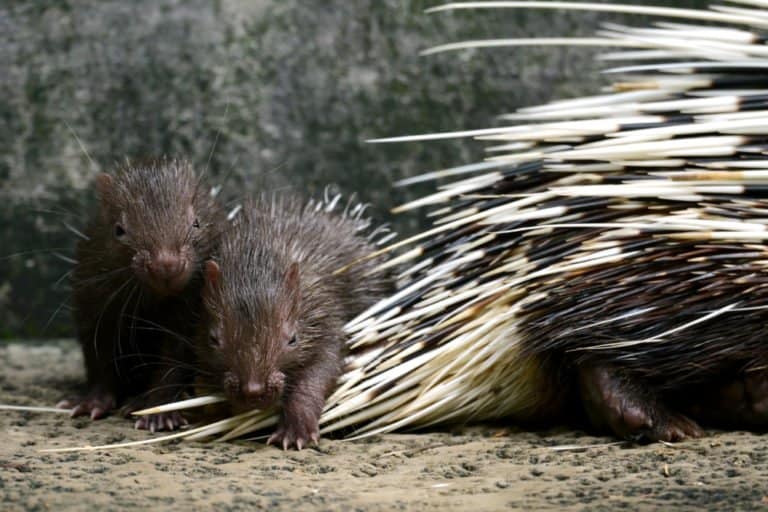
The annual breeding season lasts from October to November. A female will carry for 210 days and give birth to one to three offspring. Baby porcupines are typically born in April or May, and they are called porcupines.

Newborns weigh between 0.88 to 1.17 pounds and are 10 inches long. Their hair is soft during birth. Quills will harden after a few hours. Their eyes often do not open for several days. The mother will nurse for a short time. After five months, the offspring will become entirely independent and left to survive their first winter on their own.

The average lifespan of a wild porcupine is five to seven years. Porcupines raised in captivity might live up to 10 years. The Prague Zoo is known to have had an Indian crested porcupine for at least 30 years. As porcupines age, they can suffer from disease and loss of senses that make them more vulnerable to predators and natural death.

Population

All but one porcupine species is considered a least concern at this time. As a result, population studies are not overly accessible making it difficult to determine the global population size of porcupines. The only known threats to population growth at this time are the fishing predator and human development.

View all 247 animals that start with P

Sources

  1. David Burnie, Dorling Kindersley (2011) Animal, The Definitive Visual Guide To The World's Wildlife / Accessed November 8, 2008
  2. Tom Jackson, Lorenz Books (2007) The World Encyclopedia Of Animals / Accessed November 8, 2008
  3. David Burnie, Kingfisher (2011) The Kingfisher Animal Encyclopedia / Accessed November 8, 2008
  4. Richard Mackay, University of California Press (2009) The Atlas Of Endangered Species / Accessed November 8, 2008
  5. David Burnie, Dorling Kindersley (2008) Illustrated Encyclopedia Of Animals / Accessed November 8, 2008
  6. Dorling Kindersley (2006) Dorling Kindersley Encyclopedia Of Animals / Accessed November 8, 2008
  7. David W. Macdonald, Oxford University Press (2010) The Encyclopedia Of Mammals / Accessed November 8, 2008
Rebecca Bales

About the Author

Rebecca Bales

Rebecca is an experienced Professional Freelancer with nearly a decade of expertise in writing SEO Content, Digital Illustrations, and Graphic Design. When not engrossed in her creative endeavors, Rebecca dedicates her time to cycling and filming her nature adventures. When not focused on her passion for creating and crafting optimized materials, she harbors a deep fascination and love for cats, jumping spiders, and pet rats.
Connect:

Thank you for reading! Have some feedback for us?


Porcupine FAQs (Frequently Asked Questions)

Porcupines are strictly herbivores. They eat plants, twigs, foliage, leaves and more. The porcupine’s diet changes with the seasons.