
S
Species Profile

Shih Tzu

Canis lupus familiaris

Lion-hearted lap companion
Seba Tataru/Shutterstock.com

Shih Tzu Distribution

Click a location to explore more animals from that region

Origin Location

This map shows the native origin of the Shih Tzu. As a domesticated species, they are now found worldwide.

Loading map...

Found in 1 country

Size Comparison

Human 5'8"
Shih Tzu 9 in

Shih Tzu stands at 14% of average human height.

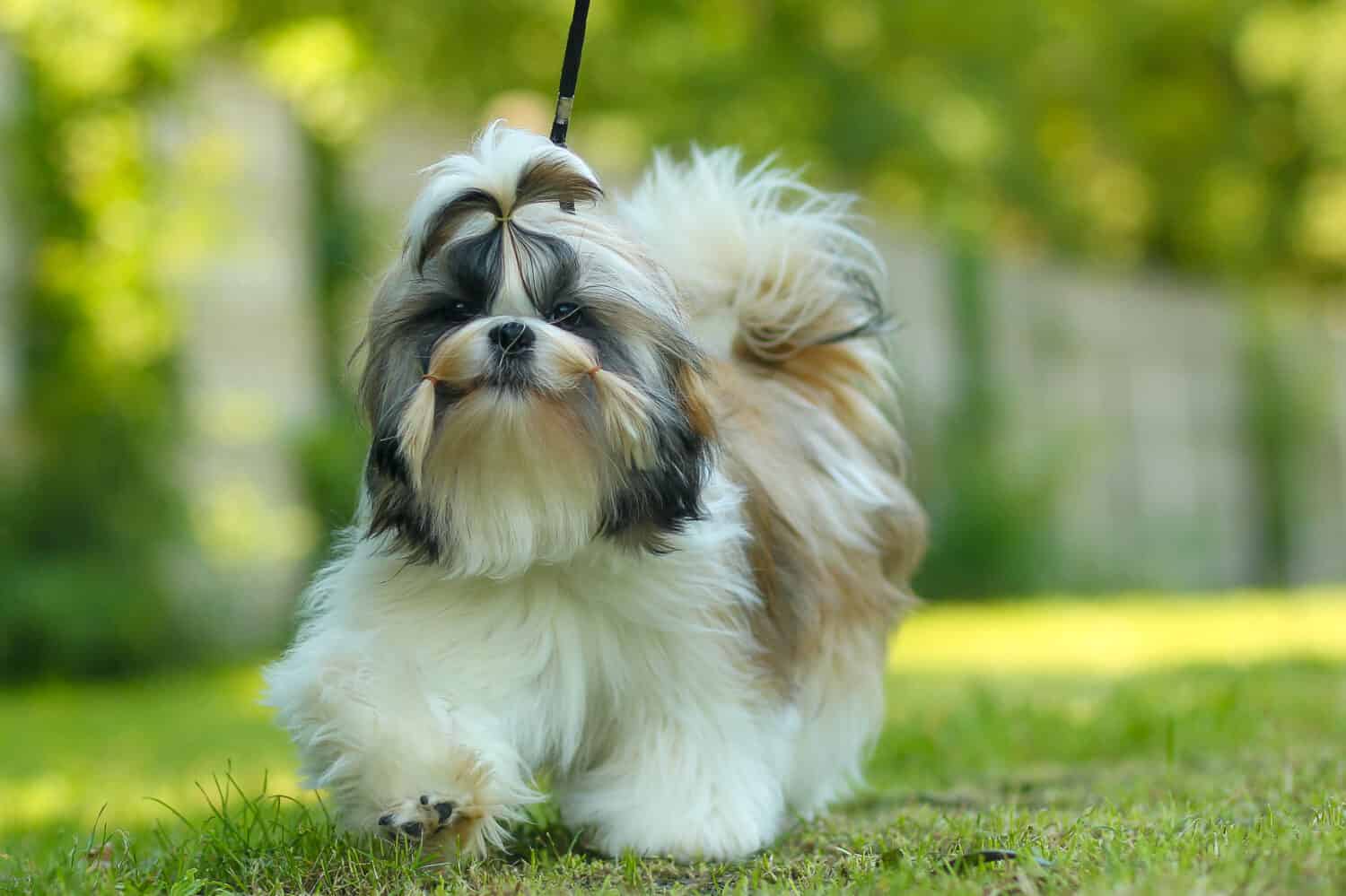
Lovely Female Shih Tzu dog on green background

At a Glance

Domesticated
Also Known As Lion Dog, Chinese Lion Dog, Tibetan Lion Dog
Diet Omnivore
Activity Diurnal+
Lifespan 6 years
Weight 7.5 lbs
Status Not Evaluated
Did You Know?

"Shih Tzu" means "lion dog," reflecting its stylized, lion-like appearance in Chinese art.

Scientific Classification

The Shih Tzu is a small domesticated dog breed developed as a companion animal, characterized by a long, dense coat and a short (brachycephalic) muzzle.

Kingdom
Animalia
Phylum
Chordata
Class
Mammalia
Order
Carnivora
Family
Canidae
Genus
Canis
Species
Canis lupus

Distinguishing Features

  • Small toy-sized companion dog with sturdy build
  • Brachycephalic face with short muzzle and large round eyes
  • Long, flowing double coat; often groomed in show coat or clipped
  • Plumed tail carried over the back
  • Characteristic facial hair often forms a 'chrysanthemum' appearance around the muzzle

Physical Measurements

Height
10 in (8 in – 11 in)
Length
1 ft 1 in (12 in – 1 ft 3 in)
Weight
11 lbs (9 lbs – 15 lbs)
Tail Length
7 in (6 in – 8 in)
Top Speed
12 mph
running

Appearance

Primary Colors
Secondary Colors
Skin Type Thin canine skin under dense coat; may be sensitive, prone to irritation under mats and in facial folds.
Distinctive Features
  • Toy companion breed (domestic dog) distinguished from wild Canis lupus by very small size and neotenous features.
  • Brachycephalic head: short muzzle, large round eyes, and shallow eye sockets.
  • Long, dense double coat with heavy feathering; hair grows continuously and easily mats.
  • Topknot often used to keep hair out of eyes; facial furnishings create a "chrysanthemum" face.
  • Tail carried curled over back; compact body with short legs and sturdy frame.
  • Care: daily brushing/combing, regular bathing, and frequent trimming around eyes, feet, and sanitary areas.
  • Care: use a harness instead of collar to reduce airway pressure; avoid overheating and overexertion.
  • Health concerns linked to brachycephaly: BOAS signs (snoring, heat intolerance), possible elongated soft palate/stenotic nares.
  • Eye risks: corneal ulcers, proptosis risk with trauma, chronic tearing/tear staining; keep periocular hair clean.
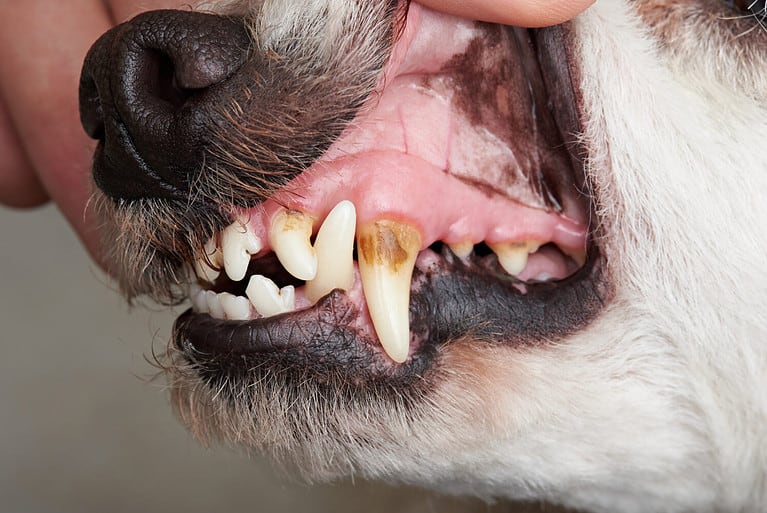
  • Dental crowding common: needs routine tooth brushing and professional cleanings.
  • Orthopedic concerns: patellar luxation; maintain healthy weight and avoid high-impact jumping.
  • Ear/skin issues: dense coat and drop ears predispose to otitis; mats can cause hot spots and dermatitis.

Sexual Dimorphism

Sexual dimorphism is subtle; males are typically slightly larger with broader heads and heavier bone. Females often appear a bit finer in build, while coat length and color are not sex-linked and depend on grooming and genetics.

  • Slightly larger average weight and height within breed standards.
  • Often broader skull and more robust neck/shoulder muscling.
  • May develop a fuller-looking mane with intact coat maintenance.
  • Slightly lighter, finer-boned appearance on average.
  • Often narrower head and less pronounced neck/shoulder mass.
  • Coat fullness primarily reflects grooming and individual genetics, not sex.

Did You Know?

"Shih Tzu" means "lion dog," reflecting its stylized, lion-like appearance in Chinese art.

The breed was developed primarily as a lap companion-very different from the wolf-derived, endurance-hunting roots of Canis lupus.

Their floor-length coat can be shown long, or clipped into an easier "puppy cut" for pet homes.

A Shih Tzu's prominent eyes and short muzzle are hallmark traits, but also require special care (eye protection, heat safety).

They were closely associated with imperial courts in China and were prized as indoor palace dogs.

Despite the glamorous coat, many Shih Tzus love brisk, playful "zoomies" in short bursts rather than long-distance runs.

The breed's friendly, people-focused temperament makes it a classic "shadow dog" that follows family members room to room.

Unique Adaptations

  • Brachycephalic skull (short muzzle): promotes the signature flat-faced look; requires management of breathing/heat tolerance and careful exercise planning.
  • Long, dense double coat: provides insulation but easily mats; adapted to indoor companion life only with regular grooming support.
  • Large, forward-facing eyes: expressive and prominent; predisposes to eye irritation/injury, so hair control (topknot/clips) and eye hygiene are important.
  • Compact toy build: suited to indoor living and close human contact rather than the stamina-based travel and hunting associated with the ancestral wolf species.
  • Underbite common in many individuals: often cosmetic, but dental alignment can increase the need for routine dental care.

Interesting Behaviors

  • Velcro companionship: tends to stay near people and seek lap time, reflecting its history as a dedicated companion rather than a working dog.
  • Short-burst play: bursts of energetic play followed by long rest periods are common for many toy breeds.
  • Alert announcing: often acts as a small "doorbell dog," quick to notify about new sounds despite not being a guard breed.
  • Face-rubbing and pawing: may rub the face after eating/drinking due to the short muzzle and facial hair; frequent gentle cleaning helps.
  • Sun-seeking lounging: enjoys warm spots, but brachycephalic dogs should be prevented from overheating.
  • Selective social confidence: typically friendly, but some individuals can be a bit reserved until they decide someone is "their person."

Cultural Significance

The Shih Tzu (Canis lupus familiaris) is tied to Chinese palace companion dog tradition and the East Asian "lion dog" symbol. Bred for palace company and looks—coat and face—rather than work; now a global sign of small pampered pets.

Myths & Legends

In Chinese tradition, the Shih Tzu (Canis lupus familiaris) was called a "lion dog," small dogs bred to look like Buddhist guardian lions and thought to bring good luck and protection to rich homes.

A popular historical court anecdote describes Shih Tzu-type palace dogs as cherished companions within the Chinese imperial sphere, exchanged and guarded as prized gifts-reinforcing their cultural identity as dogs of nobility and ceremony.

Stories surrounding East Asian "lion dogs" often connect them to Buddhist symbolism, where lion-like creatures represent protection and dignity; Shih Tzu lore draws on this association through its name and stylized appearance.

Western naming lore often calls the Shih Tzu's face a 'chrysanthemum face,' an old breeders' term comparing muzzle hair to a flower and showing a poetic name, not a working job.

Modern breed history is often told through the narrative of a small palace companion traveling from Chinese court circles to wider global popularity, emphasizing its transition from guarded elite treasure to beloved household pet.

Conservation Status

NE Not Evaluated

Has not yet been evaluated against the criteria.

Population Stable

Life Cycle

Birth 3 pups
Lifespan 6 years

Lifespan

In the Wild
3–10 years
In Captivity
10–16 years

Reproduction

Mating System Polygynandry
Social Structure Managed Domestic
Breeding Pattern Serial
Fertilization Managed Selective
Birth Type Internal_fertilization

As a human-bred companion, Shih Tzus typically reproduce via planned pairings rather than stable bonds; domestic dogs are naturally promiscuous. Brachycephaly and small size can complicate mating/whelping, so health screening and assisted care are common.

Behavior & Ecology

Social Pack Group: 2
Activity Diurnal, Crepuscular, Cathemeral
Diet Omnivore Highly palatable, animal-protein-forward small-breed dog food (often poultry-based wet food/kibble with small pieces).

Temperament

Strong human-oriented companion breed; far less territorial and wide-ranging than wild canids.
Affectionate, playful, and attention-seeking; enjoys lap time and close contact.
Alert watchdog tendency: quick to notice sounds/strangers; may bark if under-socialized.
Moderate trainability with occasional stubbornness; responds best to gentle, reward-based methods.
Lower prey drive and hunting persistence than wolves; prefers games over sustained chasing.
In companion/toy breeds, social behavior centers on people; individuals vary in boldness and barking.
Household grouping is human-directed; variation depends on early socialization and environment.
Health: brachycephalic airway risk-heat intolerance and exercise limits, especially in warm/humid weather.
Health: eye vulnerability (corneal injury/dry eye) due to prominent eyes; avoid rough play and irritants.
Health: dental crowding and periodontal disease risk; requires routine toothbrushing and dental care.
Health: patellar luxation and orthopedic sensitivity; avoid excessive jumping and manage weight.
Care: long dense coat needs frequent brushing and regular grooming to prevent mats and skin issues.
Care: benefits from consistent routines, separation-anxiety prevention, and enrichment through short sessions.

Communication

short sharp bark
repetitive alarm barking
whine
growl
play yips
snorts/grunts Brachycephalic breathing sounds
tail wagging and whole-body wiggle greetings
pawing or nudging to solicit attention
licking and face nuzzling for affiliation
play bow and bouncy gait during play initiation
averted gaze and head turn as appeasement signals
rigid posture and stillness when uncertain or guarding resources
scent marking via urination, more common in intact males
close following/leaning to maintain contact with preferred humans

Habitat

Biomes:
Temperate Forest Boreal Forest (Taiga) Tundra Alpine Temperate Grassland Mediterranean Savanna Tropical Dry Forest Tropical Rainforest Desert Hot Desert Cold Temperate Rainforest Freshwater Wetland Marine +9
Terrain:
Plains Coastal Hilly Mountainous Plateau Valley Island +1
Elevation: Up to 14763 ft 9 in

Ecological Role

Domesticated companion omnivore within human-managed environments; minimal direct predation and primarily a consumer of human-provided foods.

human companionship and mental-wellbeing support social/cultural roles (companion animal) incidental pest alerting/deterrence (barking/territorial signaling) occasional minor control of small pests (rare, opportunistic)

Diet Details

Main Prey:
Small rodents Small birds and eggs Insects and other small invertebrates
Other Foods:
Starch-rich plant foods Vegetables Fruits Dietary fiber sources

Human Interaction

Domestication Status

Domesticated

Shih Tzu (Canis lupus familiaris) are toy companion dogs from China, likely with Tibetan roots. They came from domestic dogs, which came from gray wolves, and were bred as palace lap dogs. Small, with a long coat, short muzzle, and big eyes, they are very dependent on people and kept for close companionship, not work.

Danger Level

Low
  • Bites/nips (usually minor due to small size; higher risk if frightened, in pain, or mishandled by children)
  • Allergens (dander/saliva can trigger allergies; long coat can carry environmental allergens indoors)
  • Zoonotic disease risk if unvaccinated/poor hygiene (e.g., rabies exposure risk in unvaccinated animals; gastrointestinal parasites possible)
  • Trip/fall hazard in close quarters due to small size and underfoot movement

As a Pet

Suitable as Pet

Legality: Generally legal worldwide as a domestic dog breed. Subject to standard local dog licensing/leash laws and vaccination requirements; may be restricted by some housing/HOA policies and by certain airline policies (brachycephalic/heat-related transport restrictions).

Care Level: Moderate

Purchase Cost: $500 - $3,500
Lifetime Cost: $15,000 - $35,000

Economic Value

Uses:
Companion animal and pet services Breeding and conformation showing Veterinary care and pet insurance Grooming and coat-care products
Products:
  • Puppy sales/adoption fees (including rescue rehoming)
  • Professional grooming (haircuts, de-matting, bathing)
  • Coat-care supplies (brushes/combs, detanglers, shampoos)
  • Harnesses (often preferred over collars for brachycephalic dogs)
  • Veterinary services (dental care, eye care, respiratory evaluation)
  • Pet insurance and wellness plans
  • Boarding/daycare and pet-sitting

Relationships

Ecological Equivalents 5

Animals that fill a similar ecological role in their ecosystem

Pekingese
Pekingese Canis lupus familiaris Occupies a similar niche as a small, human-focused companion animal; shares a brachycephalic (short-muzzled) head shape and long-coat grooming needs. The Shih Tzu is typically more robust and athletic than many extreme brachycephalic toy breeds but still faces heat/exertion limits and airway and eye risks.
Lhasa Apso
Lhasa Apso Canis lupus familiaris Similar toy/companion role with Tibetan palace and monastic origins, and a long, dense coat that requires frequent brushing and coat and skin hygiene. The Shih Tzu is generally more brachycephalic and more prone to brachycephalic obstructive airway issues and corneal injury than the longer-muzzled Lhasa Apso.
Tibetan Spaniel
Tibetan Spaniel Canis lupus familiaris Small companion breed of similar size and household niche; both can serve as alert watchdogs. The Shih Tzu's heavier coat and flatter face increase grooming workload and the risk of ocular irritation and tear staining, so careful facial cleaning and eye monitoring are common care needs.
Pug
Pug Canis lupus familiaris Comparable brachycephalic companion niche: both commonly require heat management, controlled exercise, and weight control. Shih Tzu additionally requires intensive coat maintenance (preventing mats) and is frequently affected by dental crowding due to a small jaw.
Domestic cat
Domestic cat Felis catus Shares the primary ecological niche of a human-associated household companion. Like many small companion animals, Shih Tzus benefit from indoor living (which reduces predator risk, parasite exposure, and heat stress) and from structured preventive care (dental care, weight management, and monitoring of eyes and skin).

The Shih Tzu is an ancient breed, dating back 1,000 years, and thought to have originated in the cold mountains of Tibet, thus the long double coat. Chinese royals enjoyed the warmth of the dog lying on their feet in bed. The emperor’s breeders most likely developed the dog from the Lhasa Apso and the Pekingese. The breed was introduced to England in 1928 and has since become one of the popular toy dogs in the United Kingdom and the United States. They still treat their owners like royalty, no matter who they might be.

The Shih Tzu has coat colors of brown, white, gold, black, brindle, grey, or a combination of these. Its average lifespan is 13 years. The small size and easygoing personality make for a great companion dog.
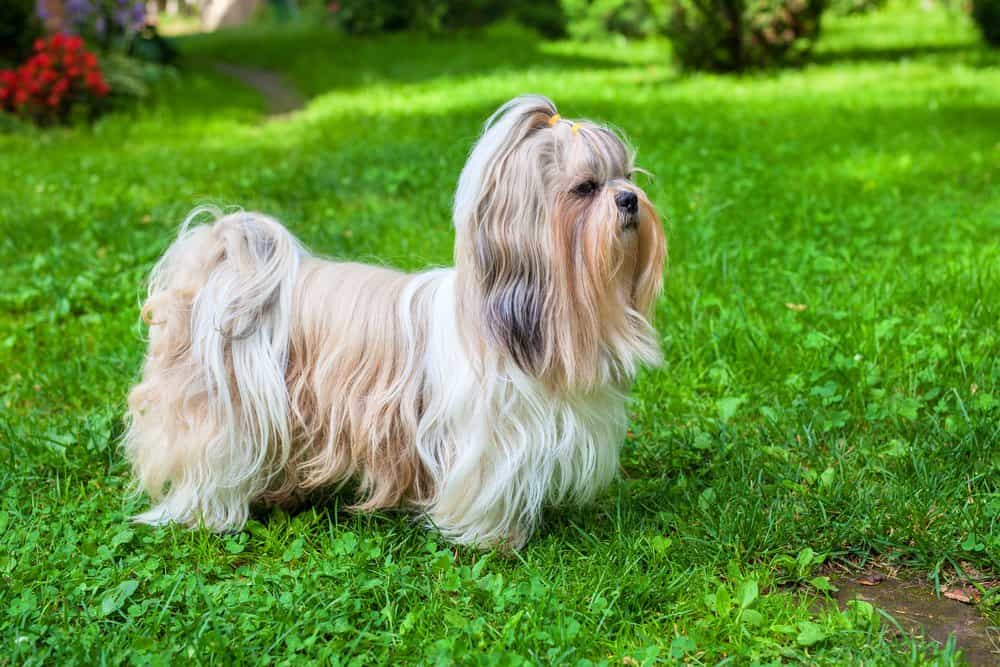
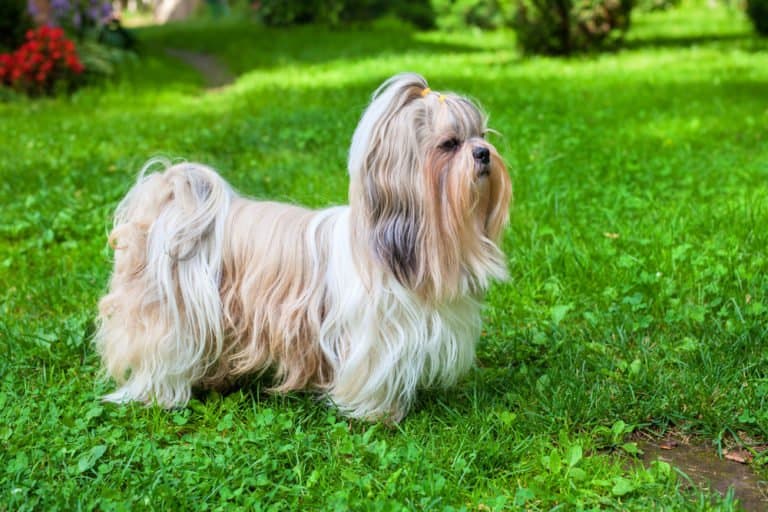
Shih Tzu (Canis familiaris) - standing in grassy field

The long hair on a Shih Tzu requires frequent brushing.

3 Pros and Cons of Ownership

ProsCons
They’re a toy dog breed.
They don’t need a lot of space, and are perfectly happy as long as they have other dogs or people to be around. They can come with you to many places.
They need regular brushing.
With a long double coat, they need frequent grooming.
They’re very loyal.
Shih Tzus are famous for being fiercely loyal and even protective of their owners or family. They tend to get attached to one person in particular.
They have certain health issues.
Some are hereditary conditions. They include eye, breathing, and back issues.
They’re hardy.
For such a small dog, they are sturdy in spite of any health issues.
They get anxious.
This breed suffers from separation anxiety, also known as owner-absent behavior. They do not do well with sudden changes in routines.

Size and Weight

The Shih Tzu is a small toy-sized dog with a large, round face; large, brown eyes; and a soft, long double coat. It has an average height of 8 to 11″ for males and females. Males and females weigh 9 to 16 lbs fully grown. Shih Tzu puppies weigh 1.25 to 4lbs at 8 weeks of age and are considered fully grown at 10 months.
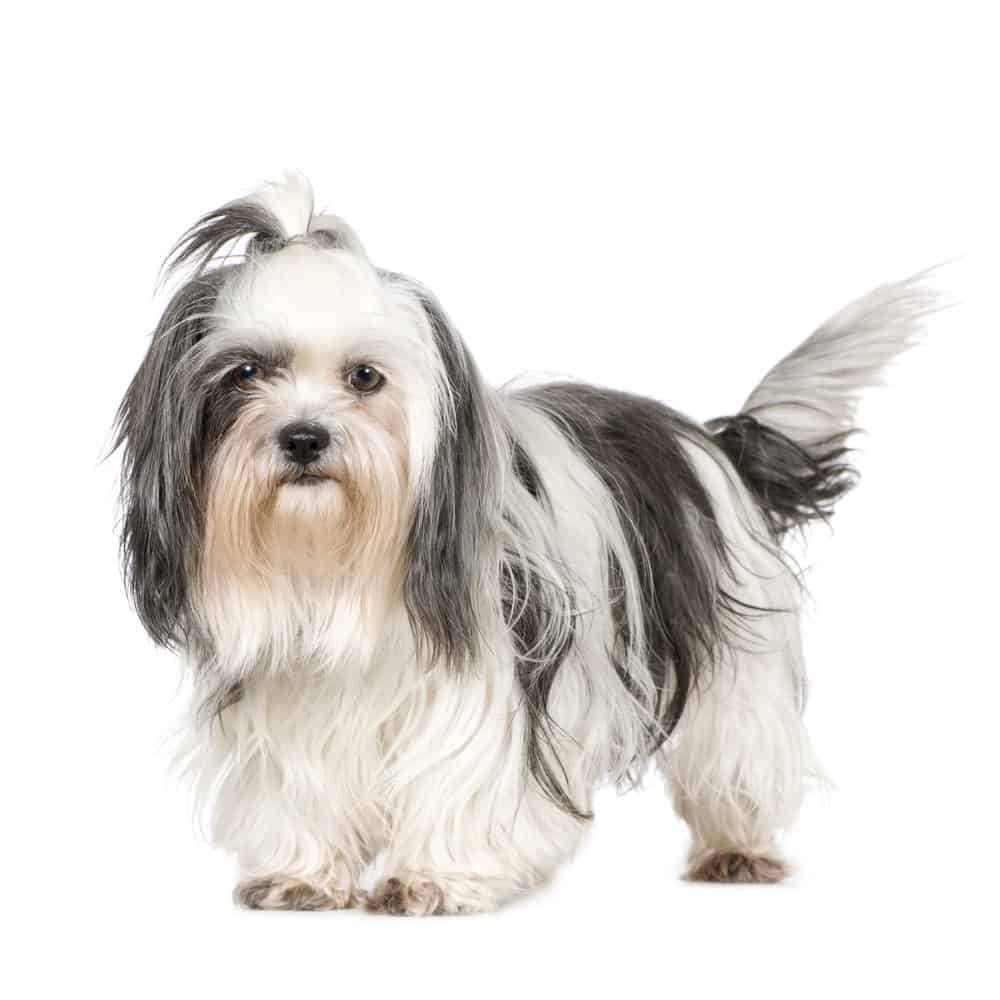
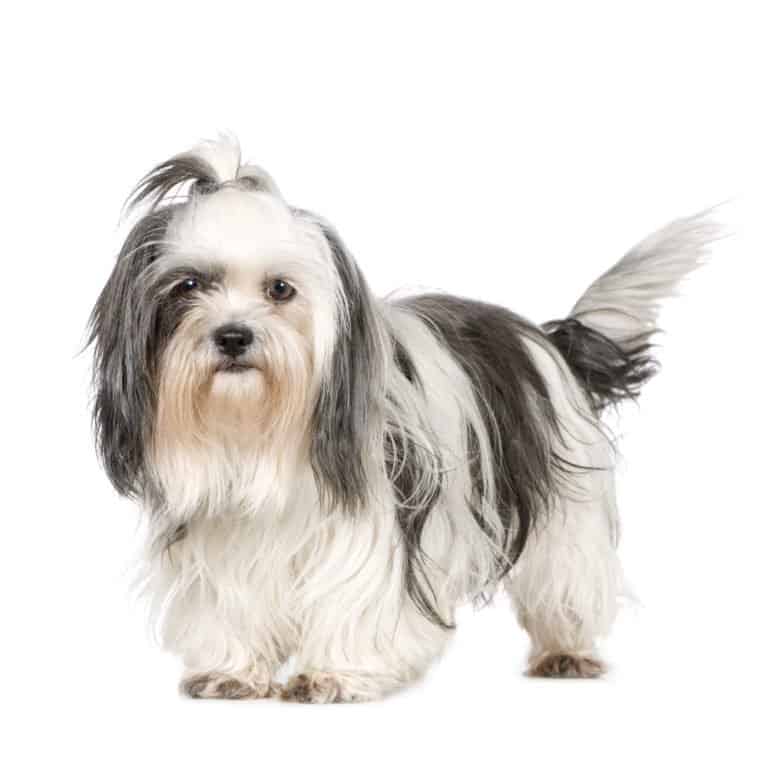
Shih Tzu (Canis familiaris) - standing against white background

Shih Tzus are small lap dogs bred to be companions.

Common Health Issues

There are a few common health issues Shih Tzus have, some of which are hereditary conditions. Breathing problems due to the shape of their head (brachycephalic airway obstructive syndrome) cause difficulty breathing and can require surgery in severe cases. Eye issues causing irritation can occur at any age, with the most common being epiphora, where the fur scratches the conjunctiva and the cornea, requiring prescription eye drops from a veterinarian.

Many Shih Tzus experience ear infections, and intervertebral disk disease is common in toy dog breeds. Hypothyroidism as a result of Cushing’s disease (hyperadrenocorticism) tends to affect middle-aged dogs. The breed tends to have teeth problems more often than other dogs. Liver problems, allergies, and kidney disease are also unique to the breed. Finally, they are prone to obesity.
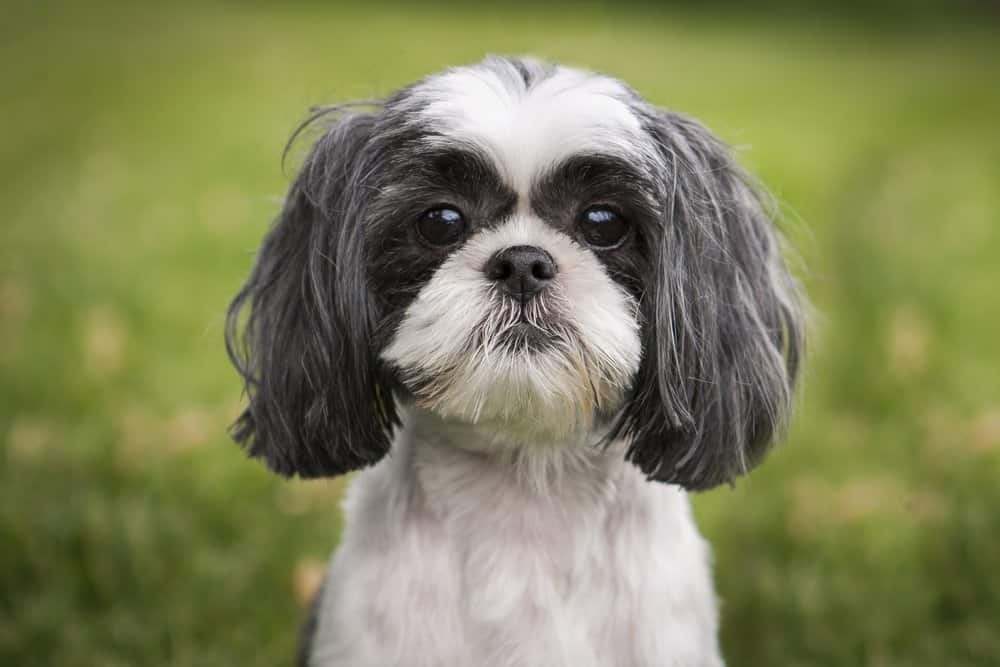
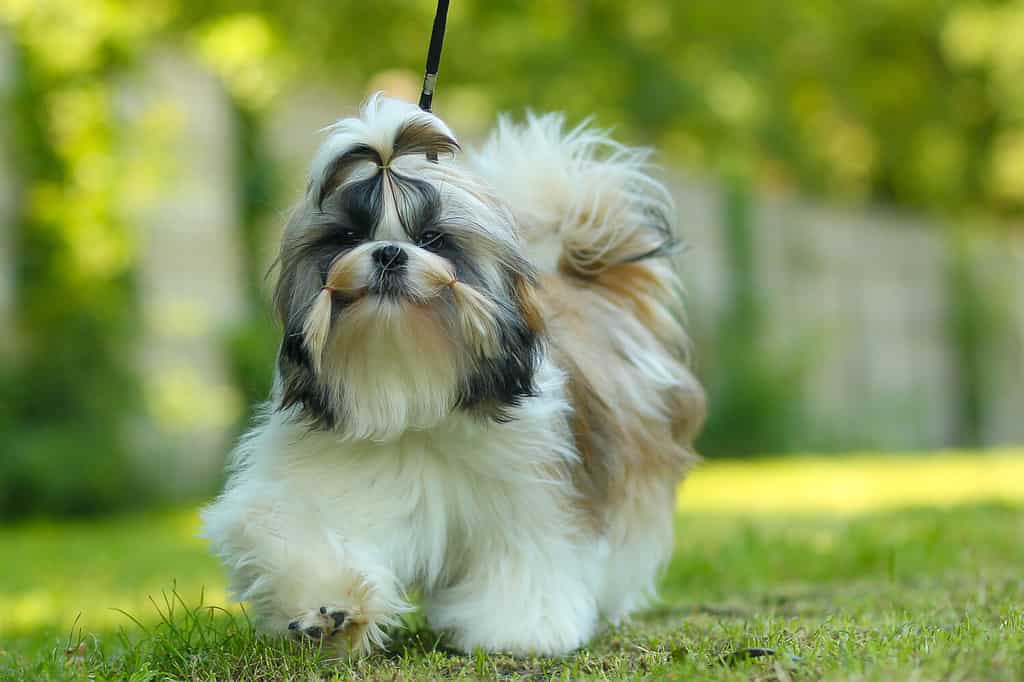
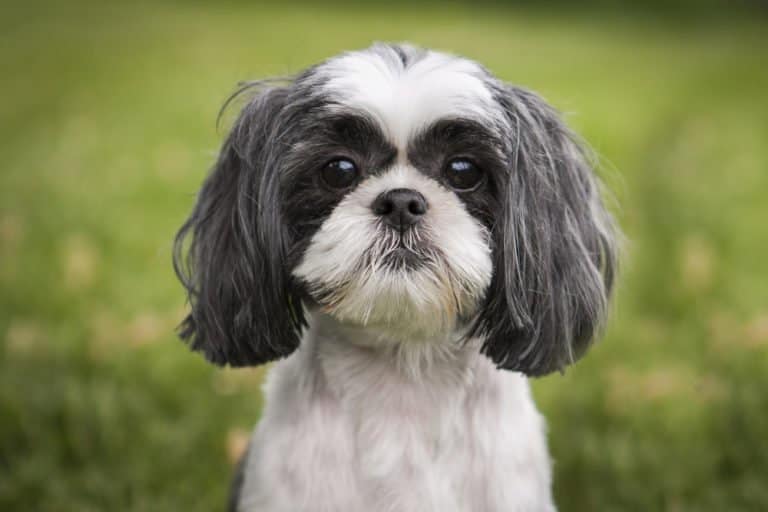
Shih Tzu (Canis familiaris) - portrait

Shih Tzus are people-oriented homebodies.

Temperament

Shih Tzus have a very people-oriented, housebound personality. They are stubborn, affectionate, happy, and easygoing in temperament. They do not like to be left alone and demand attention to the point of becoming spoiled. They were not bred to guard, hunt, or anything else except to be a companion, so they don’t let you ignore them. One of the traits of this toy breed is being a lap dog with a natural tendency for human companionship. Another is that they don’t tend to excessively bark, unlike other toy breeds.

Shih Tzus have achieved notable success in dog shows, including winning the Toy Group at the 2025 Westminster Kennel Club Dog Show. They are proud and arrogant-looking but are sweet and less demanding and noisy than other toy breeds. Around other pets, they are peaceful, but they need socialization to learn how to trust strangers in order to be friendly or polite to them. They tend to get along well with other dogs, no matter their size.

Care

New pet owners will find unique differences in caring for Shih Tzus, especially Shih Tzu puppies. Shih Tzus have breed-specific factors such as the need for regular brushing and grooming and hereditary conditions that must be carefully taken into consideration.
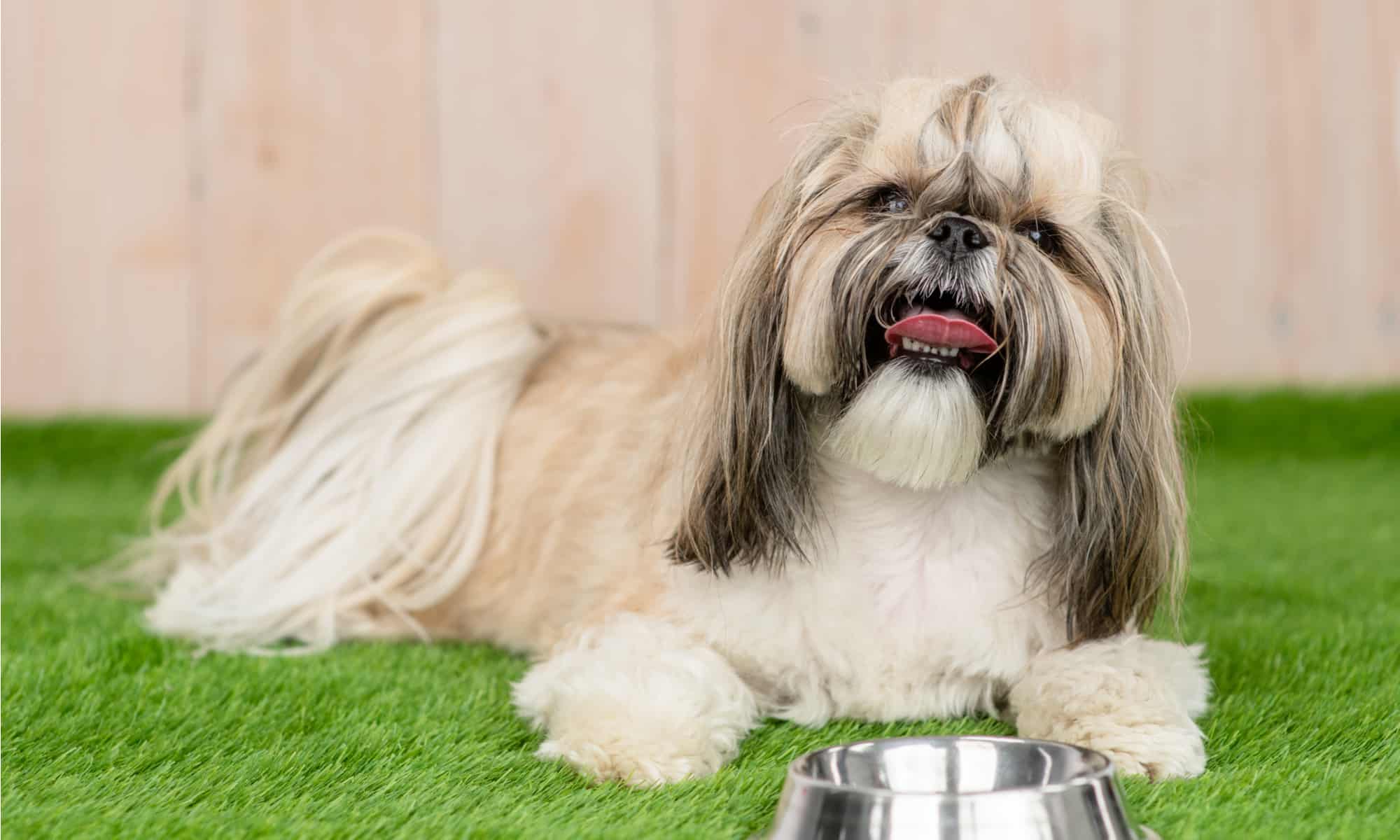
royal canin shih tzu

There is a breed-specific dog food for Shih Tzus.

Best Dog Food

Shih Tzus have different health considerations compared to other dog breeds. So, as A Shih Tzu owner, you want to feed your dog a nutritious food that sets them up for a long, healthy, happy life. We recommend looking into legume-free dog food, given the link between some legumes and heart failure, and Shih Tzus’ heart disease risk.

Shih Tzu puppy food: Because of their unique build and health issues, Shih Tzus need a breed-specific food, if possible. Such a food is especially made for their underbite and short muzzle. It also has specific nutrients, antioxidants, proteins and prebiotics to support their immune system, skin, coat and digestion. Otherwise, get a premium dog food. Puppies under 3 months of age should be free-fed, and from 3-12 months they should be fed 3 meals a day.

Shih Tzu adult dog food: Dry food is better for their teeth than wet food. They should be fed premium dog food 2 to 3 times a day. Grain-free or gluten-free formulas can decrease or eliminate skin and digestive problems.

Best Insurance

The best type of insurance for your Shih Tzu is one that considers their breed, age and any existing, diagnosed health conditions for the best coverage. Each coverage package has different deductible levels to choose from depending on the amount you’re willing to spend before the insurance kicks in. You should shop around and consider at least 2 or 3 different insurance companies.
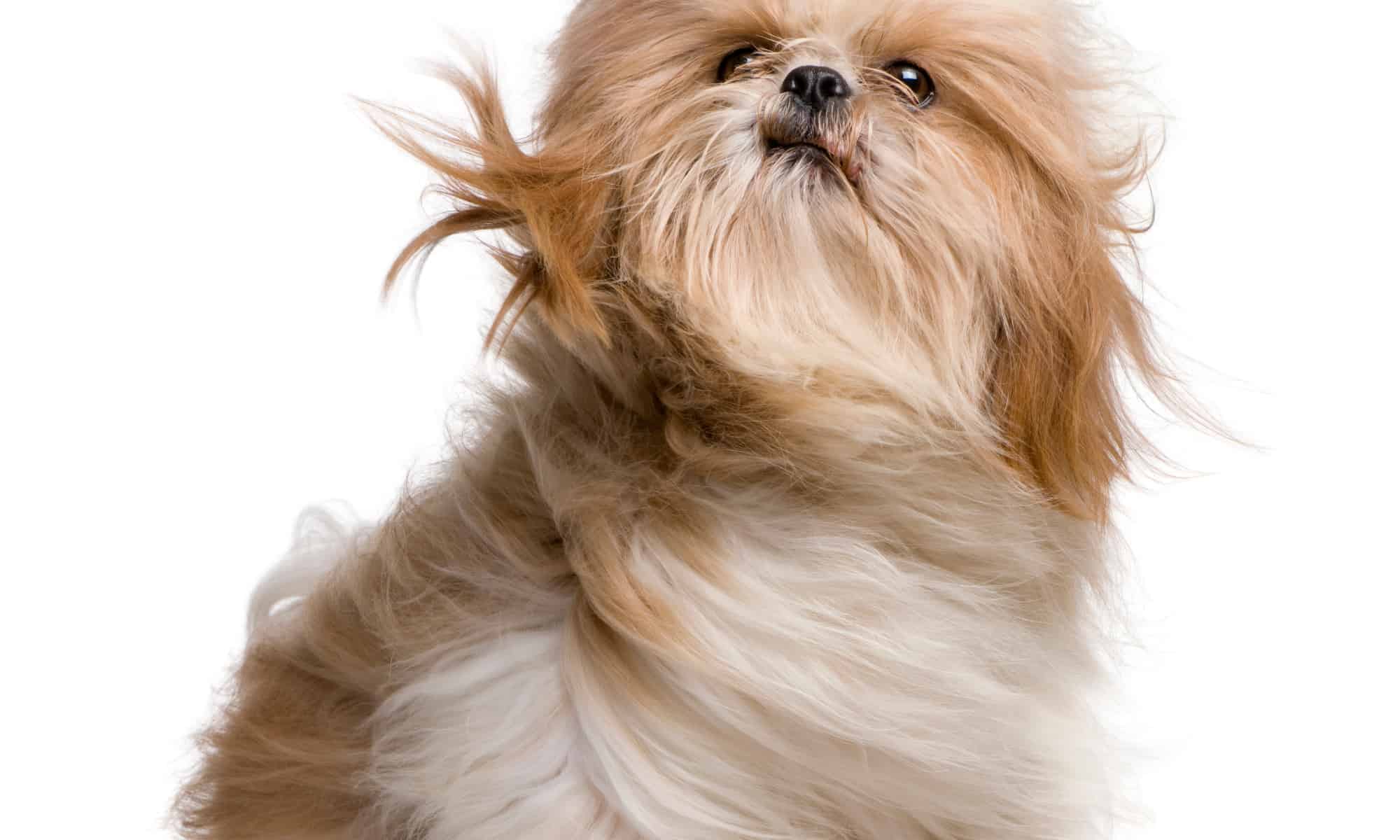
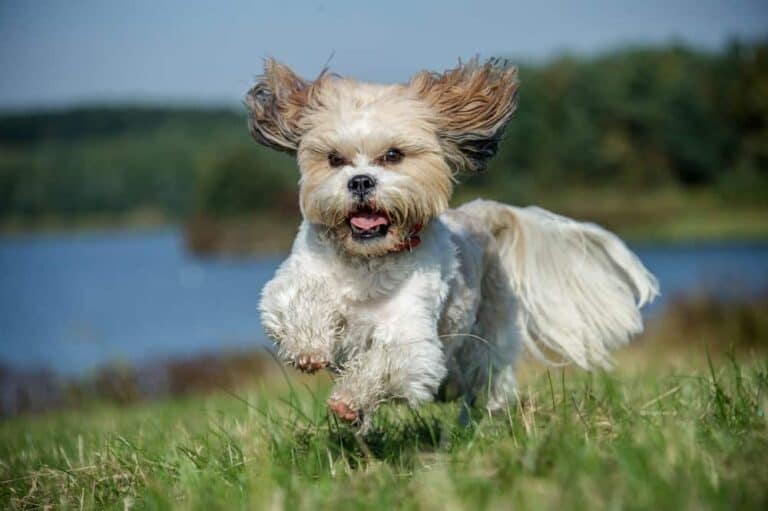
shih tzu with windblown hair

The right brush can make grooming more pleasurable for you and your dog.

Maintenance And Grooming

Like other dogs, Shih Tzus need regular baths about once a month or every 3 to 4 weeks. During puppyhood, they need more bathing due to soiling themselves. They also need daily grooming to keep their coats soft and tangle-free. For those with long coats, they need grooming every day; those with medium-length coats need grooming every 2 days, while those with short or shaved coats need grooming every 3 days. Be sure to purchase both fine-toothed and broader-toothed brushes to thoroughly groom their long double coats. Their coat colors can change over time and can fade once they reach adulthood.

Training

Shih Tzus need to be trained as soon as possible during their puppyhood. They are known for being stubborn and difficult to housebreak. Although they can learn tricks, they also have their own mind. Treats and snacks help to encourage them.

Exercise

Adult Shih Tzus only need the exercise that comes from playing in the house or yard and daily walks twice a day for 20-30 minutes. They also enjoy toys. If they do not get enough exercise, they will become bored and show behavioral problems such as excessive barking, chewing, or overeating. They also have a higher impulse to chase and catch things than other dog breeds. However, they have a lower energy level than others.

Puppies

Taking care of Shih Tzu puppies means fulfilling their playtime, food and grooming needs. They need socialization and housebreaking early on. They also need a lot of attention.
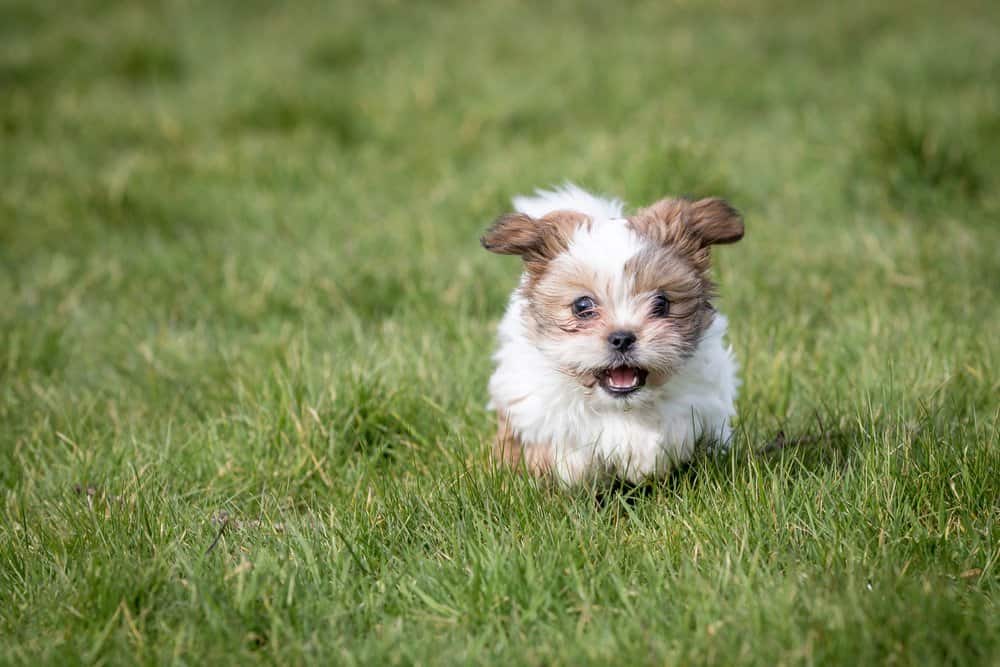
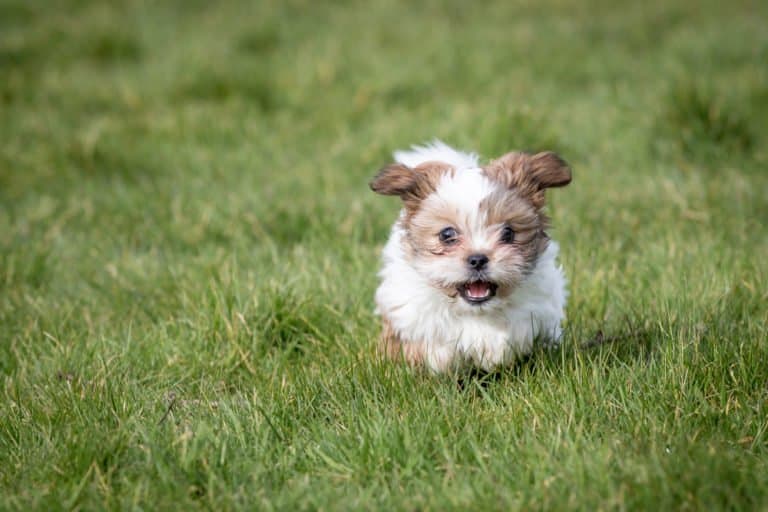
Shih Tzu (Canis familiaris) - puppy running

Shih Tzu puppies need early socialization to become great adult dogs.

Children

Shih Tzus get along well with children. However, they’re not a good choice for families with very young children due to their small size, which increases their risk of injury. Those who are badly socialized since puppyhood can bite children.

Similar Dogs

Other dog breeds similar to Shih Tzus are the Maltese, Pekingese, and the Lhasa Apso, as well as any popular Shih Tzu mix, such as Shih Poo (Shih Tzu Toy Poodle mix), Shorkie (Shih Tzu Yorkie mix), or Havashu (Shih Tzu Havanese mix).

  • Maltese: Looks similar but with higher energy and only one coat.
  • Pekingese: Slightly smaller than the Shih Tzu, its coat is less dense, less smooth, and shorter.
  • Lhasa Apso: A close lookalike that’s also from Tibet, this breed has a longer snout and a hard coat.

Famous

With a history going back 1,000 years, the “little lion dog” or “chrysanthemum dog” is one of the most popular breeds. It has been a prominent feature in several films and a couple of video games:

  • Miss Agnes in Best in Show, a mockumentary comedy film from 2000
  • Bonny in Seven Psychopaths, a dark comedy from 2012
  • Daisy in The Secret Life of Pets 2, a 3D animated comedy film from 2019
  • Isabelle, the mascot of the Animal Crossing series, first appeared in Animal Crossing: New Leaf (2012)
  • Isabelle is also a playable character in Super Smash Bros. Ultimate.

View all 390 animals that start with S

Sources

  1. My Dog's Name https://www.mydogsname.com/200-fantastic-shih-tzu-names/ Jump to top / Accessed September 10, 2018
  2. K9 Deb / Accessed September 10, 2018
  3. ipupster.com / Accessed September 10, 2018
  4. American Shih Tzu Club / Accessed September 10, 2018
  5. Wikipedia / Accessed September 10, 2018
  6. Dogtime.com / Accessed September 10, 2018
  7. Hills.com / Accessed September 10, 2018

Thank you for reading! Have some feedback for us?


Shih Tzu FAQs (Frequently Asked Questions)

Shih Tzus can live for up to 18 years but typically live between 10 to 16.