













Quick Take
- The Westie's friendliness is actually a liability in one specific situation, and most owners never see it coming. See the unexpected risk →
- There's a health condition unique to Westies with a name so bizarre it sounds made up, and it can show up before the puppy turns one. Explore Westie health conditions →
- Female Westies behave toward males in a way that catches most owners completely off guard. See female Westie behavior →
- Westies were bred for a gritty, unglamorous job 300 years ago that has nothing to do with the pampered lap dog people see today. Discover their working origins →
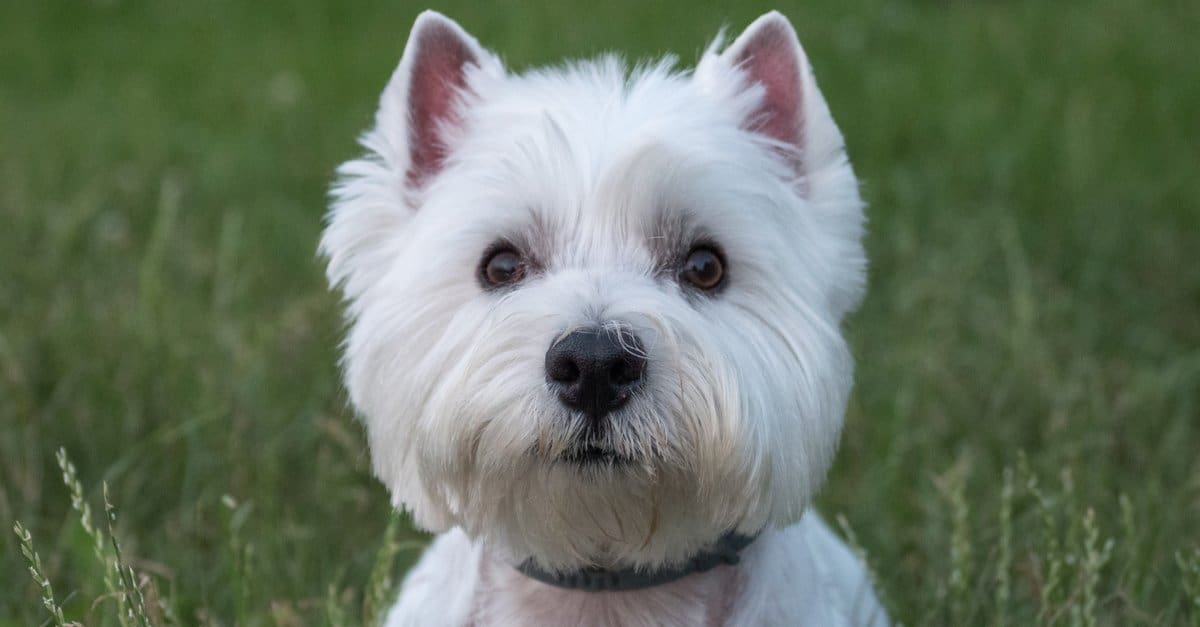
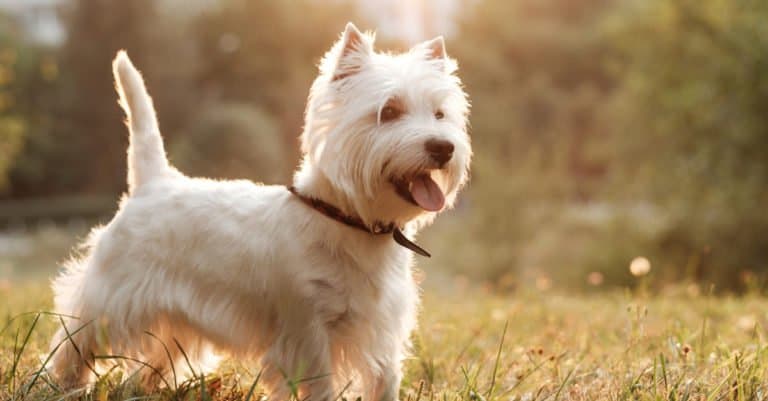
The West Highland Terrier is a large dog in a small body. Flush with energy, stubborn and curious, even-tempered and friendly, the Westie is an independent thinker. The breed belongs to the terrier family, which includes the bull terrier and cairn terrier.
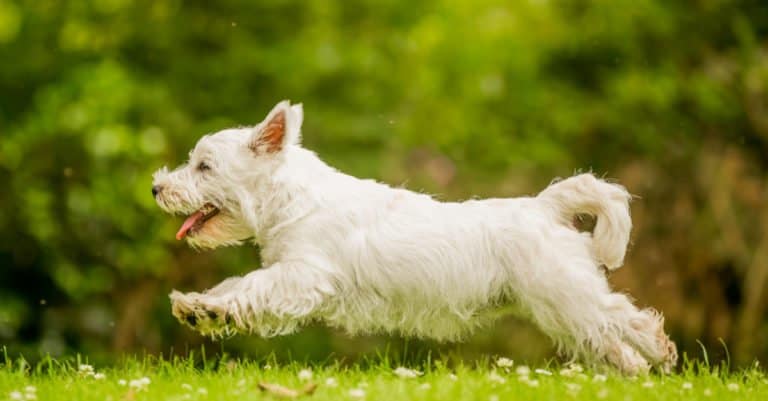
The Westie is an affectionate and loyal companion. He loves pampering as much as he loves being left alone. The dog can hike with you all day, with most of that time spent running ahead of you like a coyote.

3 Pros and Cons of Owning a West Highland Terrier
| Pros | Cons |
|---|---|
| Good watchdog: If you like the extra security, this is a good pet to have around. These dogs will let you know there’s a car passing by or if a squirrel‘s in a tree. That big bark’s appreciated by hunters. You’ll hear this dog from great distances and even underground. | Not a security guard: The Terrier is likely to let you know someone’s out there. But if someone gets in the house, he’s more likely to lick your intruder’s hand than bite. This is where the ever-so-friendly pet backfires on you. |
| Not a shedder: If there’s anyone in the home with respiratory issues or allergies, the Westie’s a good choice. It doesn’t shed. That means hairs are less likely to end up on your surfaces. However, pet dander potentially aggravates members of the household who could have a negative reaction. | Potential health problems: As they age, your Scotland Westie can develop Addison’s disease, skin issues, degenerative brain disease, cataracts, and more. Their fair color isn’t compatible with the sun either. Lather her in sunscreen, especially behind the ears. |
| Friendly: The Westie is an extremely friendly animal. He always put his best social foot forward upon encounters. | Other animal aggression: It can be animal-friendly. But expect a Westie to have issues with animals they don’t know personally. Your Westie has a great capacity to get along with other cats and dogs, but on its terms. Keep her on a leash outdoors as the dog’s likely to bolt after another animal, especially smaller ones. |
Evolution and Origins
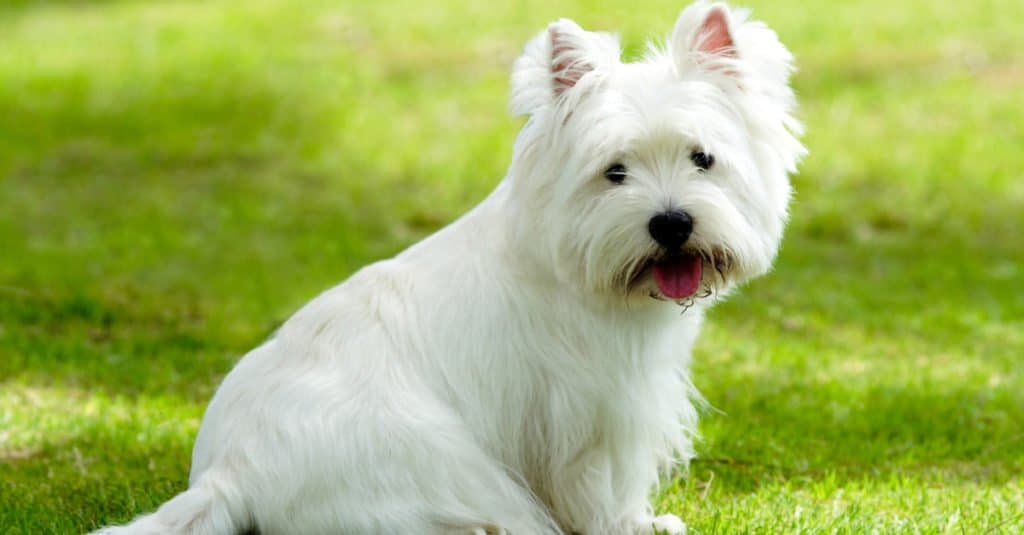
West Highland Terriers may have issues with animals they don’t know personally. Your Westie has a great capacity to get along with other cats and dogs, but on its terms.
©Nixx Photography/Shutterstock.com
West Highland Terriers were bred over 300 years ago in Scotland to tackle vermin and pests such as rats and mice, which were a key problem for both nobility and commoners alike.
The Malcolm clan is known to have made a concerted effort to breed these diminutive, yet feisty canines at Poltalloch. The breed itself is believed to share the same ancestry as Cairn, Dandie Dinmont, and Scottish, Skye Terriers.
It was officially given its name in 1907 when it took part in a London Show, a choice inspired by its region of origin in Scotland. The following year, it was recognized by the American Kennel Club.
Size and Weight
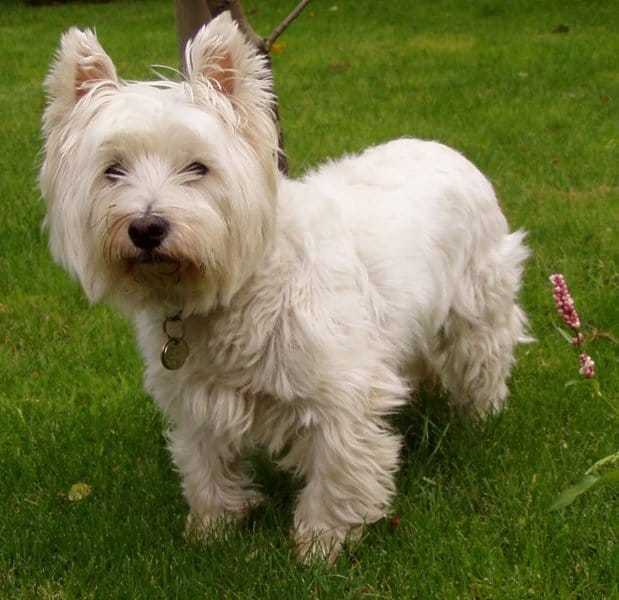
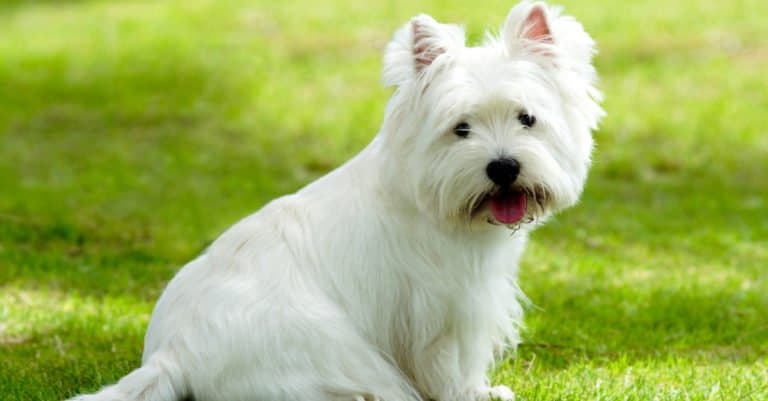
West Highland White Terriers are capable of growing to 20 lbs in weight.
©Imoen at the English language Wikipedia / Creative Commons – Original
The West Highland Terrier is a compact, sturdy dog. Males grow to 11 inches, females 10. Females can weigh, on average, between 13 and 16 pounds. Male weight ranges between 15 and 20 pounds.
Common Health Issues
The West Highland White Terrier is a purebred and is susceptible to a variety of health concerns. One concern is allergies. Terriers are susceptible to allergies that can give them itchy skin. Many of these animals experience some form of allergy by age three.
Another health issue that these Terriers are prone to is Westie Armadillo Syndrome. Also known as epidermal dysplasia, this problem shows up in dogs three to 12 months old. It’s a painful condition leading to whole-body hair loss and infection. Treatment for affected Terriers can include medication, medicated shampoo, and pulsed electromagnetic field (“PEMF”) therapy.
A third health condition these dogs may face is cataracts. Dogs can live with decreased vision, but cataracts make life difficult for your Westie. While the surgery is common, only dogs who are good candidates will qualify for the procedure. As of 2026, cataract surgery for dogs typically costs between $2,500 and $5,600 per eye, with some cases reaching $7,000 or more.
Westies are subject to joint issues. This includes loose knees, swollen jaw, hipbone atrophy, and hip dysplasia. PEMF alleviates several issues associated with joint problems, especially in the equine community.
Diseases associated with digestion are familiar to Westies and their owners. These include pancreatitis and inflammatory bowel disease. PEMF reduces the pain and swelling these diseases cause.
Yet another problem in Terriers is Addison’s disease. It presents as diarrhea, increased thirst, lethargy, excessive urination, and sudden weight loss. Addison’s is treatable. The vet can develop a plan for your white terrier.
White Shaker Dog Syndrome is a neuromuscular condition that causes tremors in small dogs. It can lead to debilitating physical impairment. Steroids are a common treatment.
Another disease that Terriers are prone to is Pulmonary fibrosis (PF). PF scars lung tissue, making breathing difficult. It’s believed the disease is the result of long-term exposure to pollution, allergens, and infections in Terriers. Showing up in canines around nine years old, the dog exhibits wheezing, shortness of breath, exhaustion, and low energy.
Temperament and Behavior
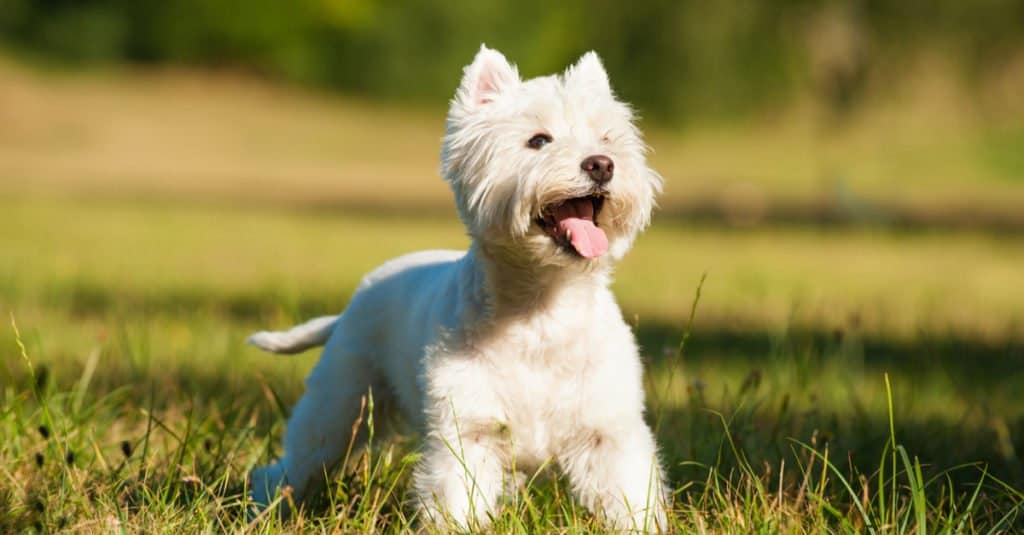
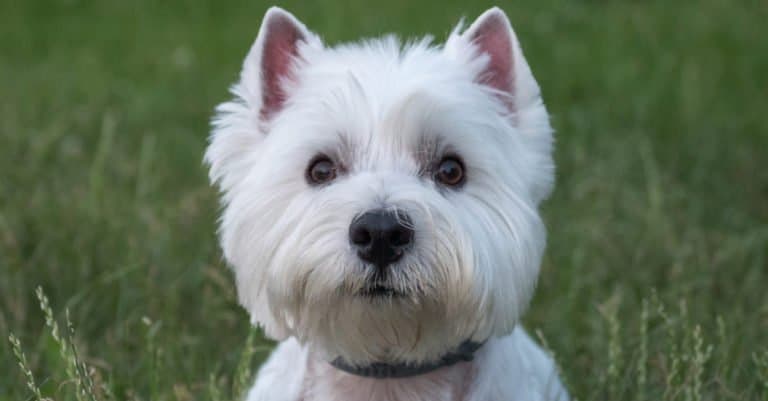
Although West Highland terriers are good-natured, they never back down from a fight.
©Dora Zett/Shutterstock.com
The West Highland Terrier is confident, fun-loving, intelligent, and bold. It’s a dog who’s pleased by something as simple as a belly rub, squeaky toy, or meal. This animal has a love for life that shows in her behavior.
The Westie is a house pet. He’s independent, more likely to find a spot in the action as opposed to being the center of it. While it’s capable of experiencing separation anxiety, it can also spend a day watching the house by itself.
The dog can be aggressive, but not necessarily a fighter. That doesn’t mean it will avoid one. In females, dominant or alpha behavior toward males is common. This breed is likely to be a nuisance to neighbors if not trained to stop barking.
Its personality traits include a tendency to vocalize frequently. It can chew up shoes and create other havoc around the house. Yet, it’s easily trained. Some more easily than others, but the result is the dog barking less and not digging in your garden.
How To Take Care of West Highland Terriers
A vet or breeder can be instrumental in all areas of Westie maintenance. They’re knowledgeable about dog breeds and can advise on what best suits your Westie’s care regimen.
The Best Dog Food
Whether kibble or wet food, most commercial dog foods can provide your Westie with the nutrients they need daily. If preparing homemade meals, make sure your Westie gets his daily caloric and nutrient intake. Many of these dogs have allergies, in which case, look for a limited ingredient or allergy care dog food.
Daily food must include proper amino acids to ensure your dog gets the protein needed for energy. It should also include fatty acids. This comes from animal fat, oils, and plant food. These components help cell growth, keep its coat nice and white, and promote healthy skin. The National Academy of Sciences suggests minimizing wheat products that don’t add nutrition or energy to your dog’s diet.
Maintenance and Grooming
Prepare yourself for daily grooming to keep your pet’s pure white coat free and clear of matting. As you run a brush through the hair, keep an eye out for signs of skin inflammation, irritation, or swelling.
Dermatitis is common among West Highland Terriers. Prevent or at least deter this with medicated shampoos and regular baths. This should be a regimen agreed upon by your vet. Otherwise, a healthier Westie only requires bathing on a two- to three-month schedule.
Trim hair below the eyes. Otherwise, you get matting and tear stains. Carefully clean around the eyes daily with a diluted hydrogen peroxide solution to remove reddish-brown tear stains. There are solutions for removing tear stains at pet stores. According to VeterinaryPartner, oral antibiotics help minimize tears and white fur staining.
Training
The easiest route is sending your Scottish white terrier to obedience school. Reach out to a local breeder, the West Highland White Terrier Club, or the SPCA to find an obedience class.
If choosing to teach at home, begin with brief sessions and simple commands like “sit” and “come.” Reward good behavior with food. “Come” is an important starting point for training. Get him to follow you indoors and then take it outdoors.
Get your Westie comfortable with her crate or bedding. Find a word like “sleep,” “den,” or “bed” to get them in the crate. Look at using the crate as a reward, not a punishment.
Another important goal is getting your dog to potty outdoors. Every two hours, take him out to the same spot. Puppies need frequent emptying. Between potties, crate him or keep him on a leash to prevent accidents in the house.
Indoor potty training requires the same setup, but with a litter box and potty pads.
Exercise
Allow your Westie to play and exercise every day. It’s the best way to keep muscles in peak condition. Daily walks, runs, and games meet the requirements of needed regular exercise. To minimize injury, Westies should not run without supervision.
Puppies
Westie puppies are adorable with a larger personality than their bodies should hold. It’s important to curb their enthusiasm and curiosity in the home. They’ll chew on anything and, until properly trained, will soil anywhere. Therefore, secure wires and cables that the dog may chew on. Move objects that they can bump into or break. Put away cleaning supplies and chemicals, plants, garbage, etc.
You may want to crate or kennel a puppy overnight so that you can sleep knowing it’s not getting in trouble. Buy something that won’t “shrink” as the puppy grows.
Work with your breeder or vet to see that your Westie is fed well and trained. Also, start potty-training as soon as possible. Put out newspaper or buy puppy-pads. Use non-hazardous wipes and disinfectants to clean behind the new dog.
You’ll want a chew toy, if not several. Fetching and soft toys keep puppies busy. Another idea is having a treat dispenser that rewards a Westie for completing tasks.
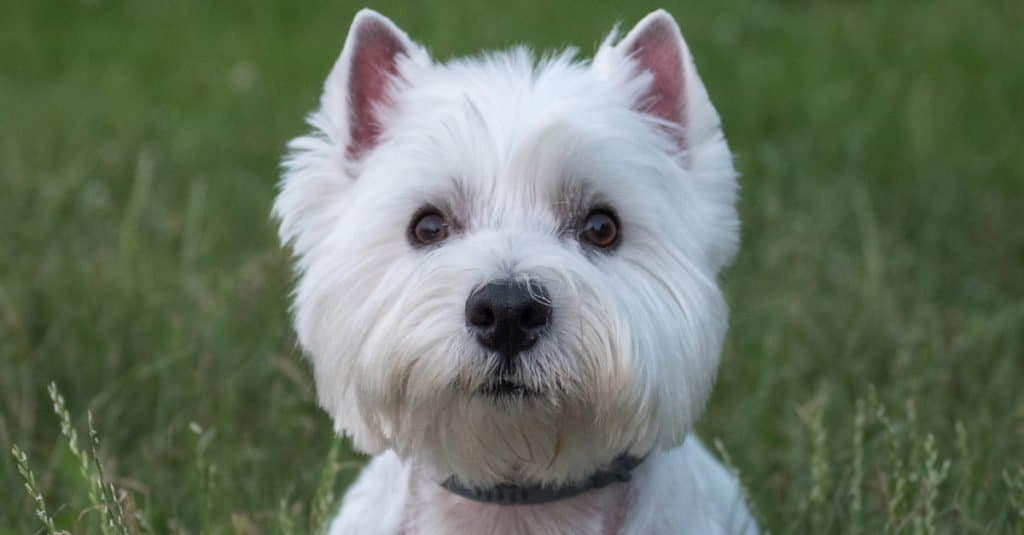
West Highland Terrier puppies are adorable with a larger personality than their bodies should hold. It’s important to curb their enthusiasm and curiosity in the home.
©Fougasse/Shutterstock.com
Children
You need to remember that the West Highland White Terrier may snap unexpectedly. Never leave a Westie alone with small children. Interactions should be properly supervised. A West Highland White Terrier is a friendly, affectionate animal and, in general, loves people.
Dogs similar to the West Highland Terrier
Here are a few dogs similar to the West Highland White Terrier.
- Cairn Terrier: The Cairn Terrier is one of the earliest working dogs from Scotland. The breed was given the name because its function was to hunt and chase quarry between the Scottish highland cairns.
- Yorkshire Terrier: The definitive lapdog, a Yorkshire Terrier is one of the smallest dog breeds. It achieves a maximum weight of seven pounds and reaches a maximum height of nine inches. Terriers at heart, the Yorkshire exhibits many of the breed’s more bodacious characteristics.
- Border Terrier: The Border Terrier is a rough-coated, compact breed of terrier dog. Bred to hunt fox and vermin, this terrier shares ancestry with the Bedlington Terrier and Dandie Dinmont.
Famous West Highland Terrier
Westies represent beauty and, thanks to their compact size, comfort and safety. Celebrities who keep them include Whoopi Goldberg, Scarlett Johansson, and Matthew McConaughey. Here are three other terriers in the spotlight.
- Cesar: A Westie represents the dog food brand of the same name.
- Olivia: You can find the beautiful movie-dog Olivia in “Game Night,” playing a loyal companion to actor Jesse Plemons. Olivia also shows up in “Widows” and “Insatiable.”
West Highland Terrier Pictures
View all of our West Highland Terrier pictures in the gallery.

Dora Zett/Shutterstock.com
Sources
- Assisi Animal Health / Accessed February 19, 2021
- VCA Hospitals / Accessed February 19, 2021
- Dogtime / Accessed February 19, 2021
- Westie Vibes / Accessed February 19, 2021
- Rocadog / Accessed February 19, 2021
- Westie Vibes / Accessed February 19, 2021
- PSU Dog Blog / Accessed February 19, 2021
- IMDB / Accessed February 19, 2021
- Dogs Lovers Blog / Accessed February 19, 2021
- Petcarerx / Accessed February 19, 2021
- Your Pure Bred Puppy / Accessed February 19, 2021
- Daily Puppy / Accessed February 19, 2021
- Puppy Paradise / Accessed February 19, 2021
- Westie Charm / Accessed February 19, 2021
- Pets The Nest / Accessed February 19, 2021