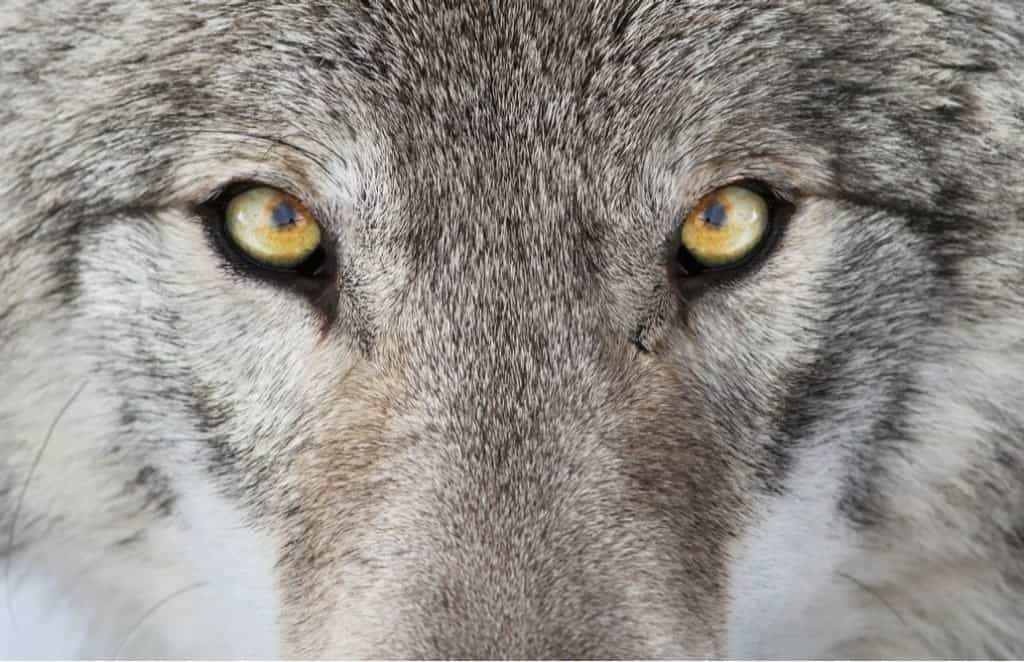
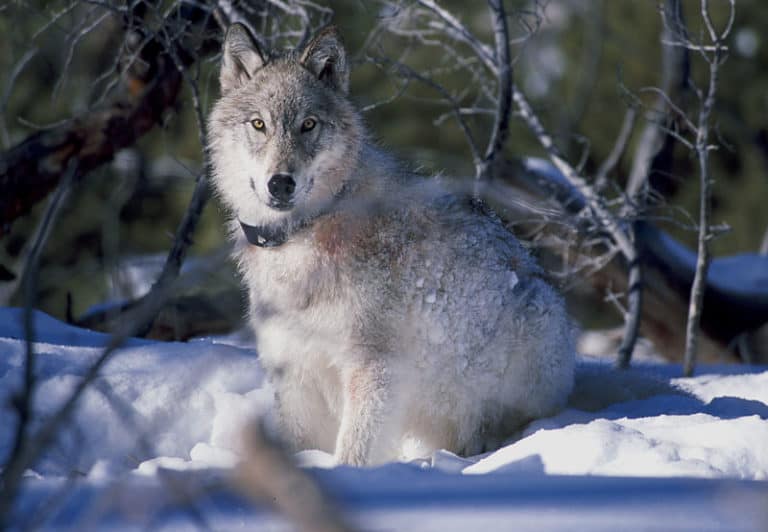
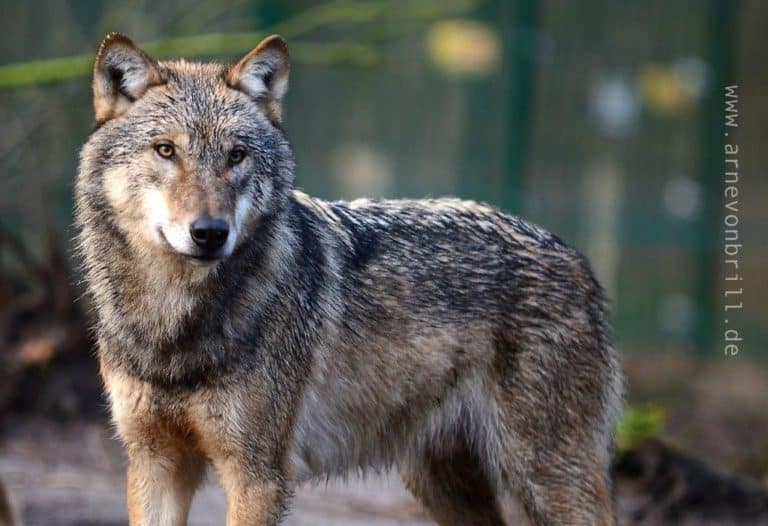
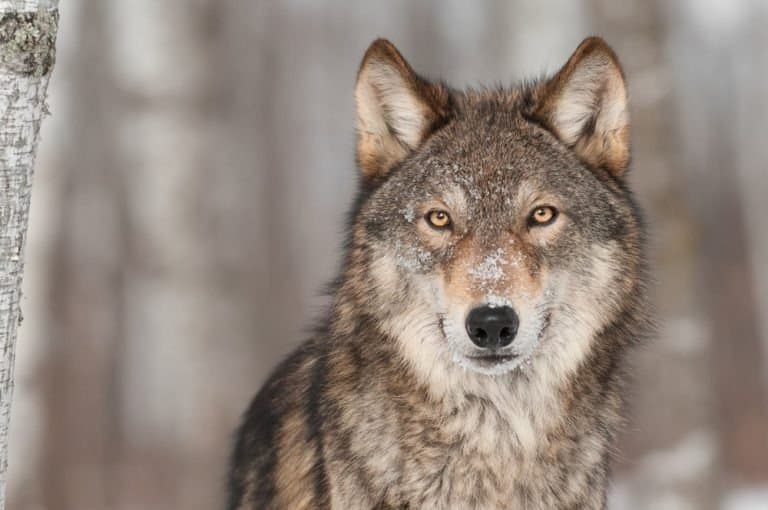







“Wolves are apex predators that travel in packs and are essential for the health of most ecosystems.”
Wolves are some of the most iconic predators in the animal kingdom. They’re featured in songs, legends, and even modern films. Although the gray wolf (timber wolf) is the most recognizable, there are more than 30 distinct subspecies that range across the northern hemisphere. These dedicated pack animals hunt together, roam together, and play together, all while maintaining an important role in their local ecosystem.
An Incredible Animal: 4 Wolf Facts
- Dog descendants: The Latin name for dogs is Canis lupus familiaris. This means that, according to animal classification standards, all dogs are actually just a type of wolf. Both dogs and wolves are members of the largest canine species in existence!
- Mouth full of teeth: The average wolf has a total of 42 teeth in its mouth. Their teeth can be up to 2.5 inches long.
- Quick sprints: When wandering as a pack, wolves tend to travel at a rate of 5 miles per hour. However, when a wolf wants to run, it can sprint as fast as 38 miles per hour.
- Long-term relationships: Many wolf species mate for life.
Scientific Name
The scientific name for wolves is Canis lupus. “Lupus” is the Latin name for “wolf,” while “canis” is the Latin name for “dog”. Wolves belong to the Canidae family alongside domesticated dogs, coyotes, raccoons, and many other carnivorous species.
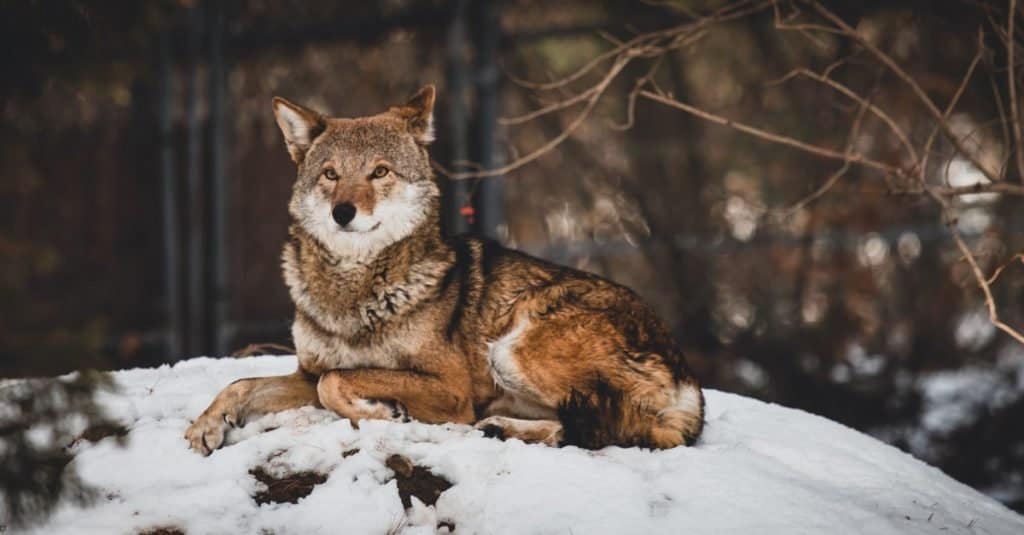
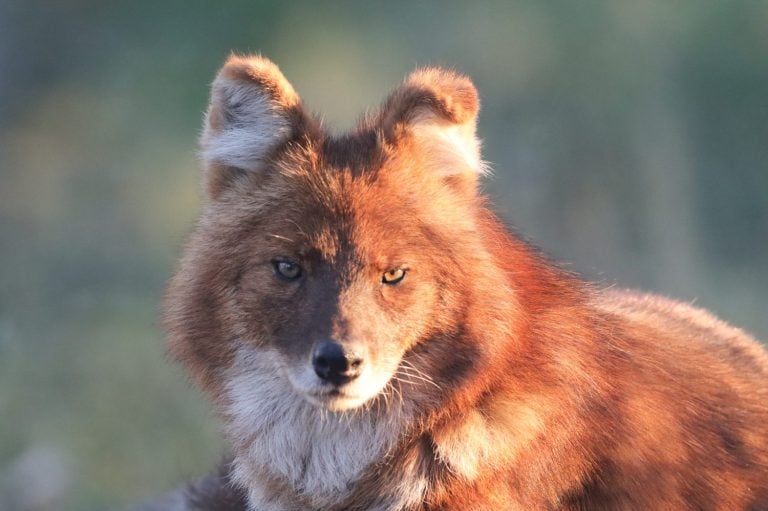
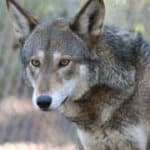
The Red Wolf can only be found in North Carolina.
©mruizseda/Shutterstock.com
Subspecies
There are over thirty different subspecies of this animal that can be found across the northern hemisphere. Some of the most iconic types of wolf include:
- Canis lupus lupus: The Eurasian wolf is the most common type in Europe and Asia. You can recognize Eurasian wolves by the rusty sheen on their slate-gray fur.
- Canis lupus albus: The tundra wolf is found throughout Russia and northern Europe. They are particularly large and have fluffy, light-colored fur.
- Canis lupus rufus: The red wolf used to range across the entire eastern half of the United States. Today, this distinctive subspecies can still be found in North Carolina.
- Canis lupus occidentalis: The northwestern wolf is an iconically large, light-gray subspecies that wanders the arctic tundras. You’ll find this animal in Alaska, British Columbia, and all of the northwest territories.
- Canis lupus arabs: The Arabian Wolf, sometimes called the desert wolf, is one of the smallest types of wolf – found throughout the Arabian Peninsula.
- Canis lupus campestris: The Steppe Wolf is an average-sized wolf found in Kazakhstan and northern Ukraine where it plays an important role in the region’s ecosystem.
- Canis lupus chanco: The Himalayan or Tibetian Wolf is found throughout the Indian subcontinent and into the Himalayians. They can survive in mountain forests and alpine regions but are seen to prefer grasslands. They cause problems for local ranchers because they prey on yak and sheep.
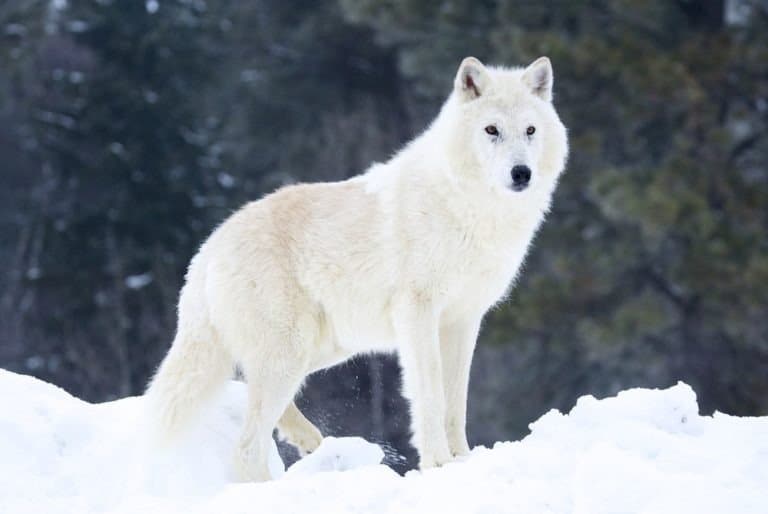
- Canis lupus arctos: The Arctic Wolf is a beautiful white wolf found in the northernmost regions of Canada. It preys on Arctic hares, muskoxen, caribou, and sometimes, Arctic foxes.
- Canis lupus lycaon: The Gray wolf (Eastern Wolf or Timber Wolf) was once found throughout North America but currently exists only in Quebec and Ontario, Canada.
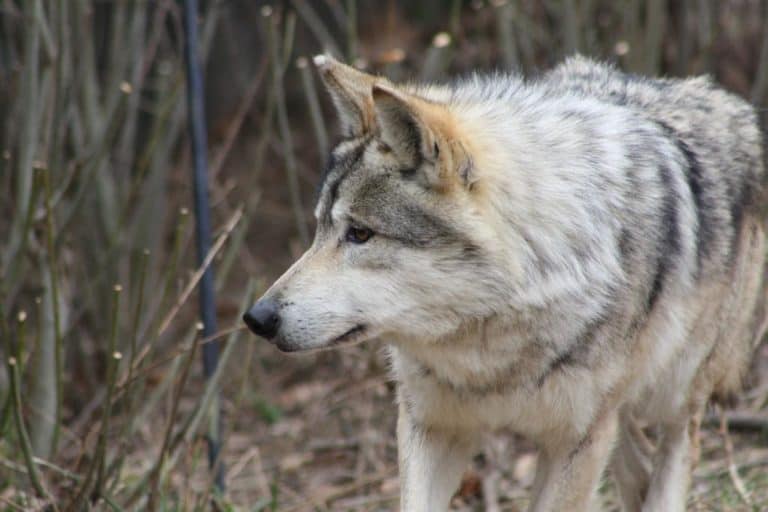
- Other subspecies: Mongolian wolf, New Guinea Singing Dog (dingo), Indian wolf, Mexican wolf, British Columbian wolf, Vancouver Island wolf, Hudson Bay wolf, Northern Rocky Mountain wolf, Alexander Archipelago wolf, Mackenzie River wolf, Baffin Island wolf, Greenland wolf, Alaskan Interior wolf, Alaskan Tundra wolf, Iberian wolf, Italian or Apennine wolf, and Labrador wolf.
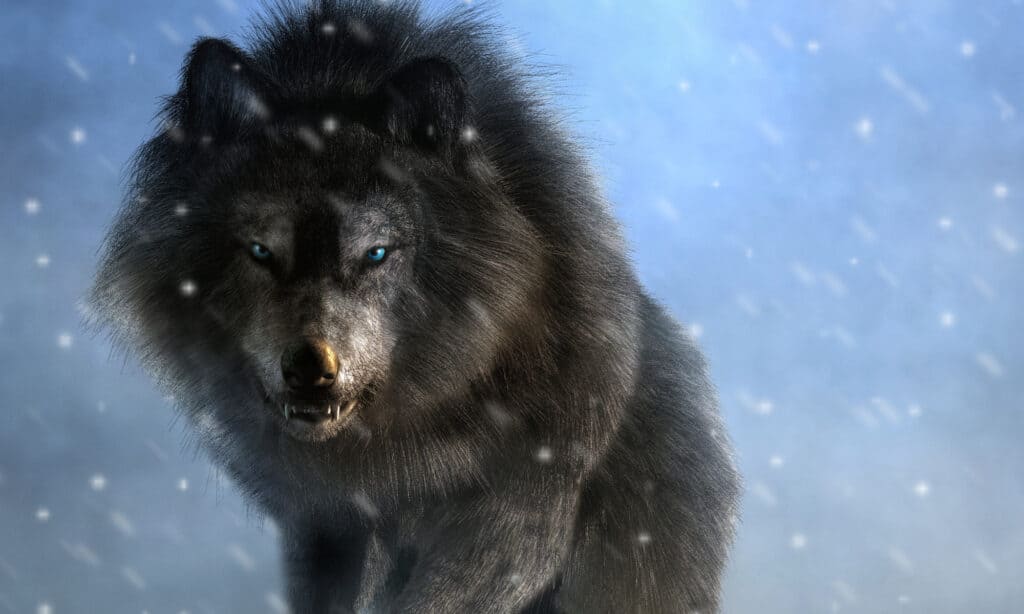
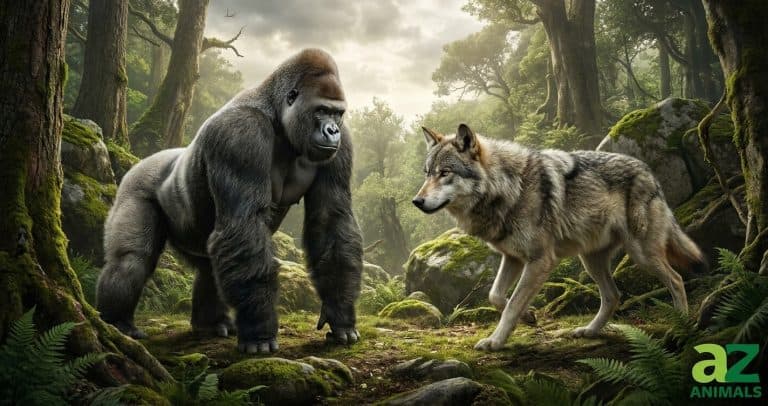
The dire wolf co-existed with the gray wolf in North America for about 400,000 years.
©Daniel Eskridge/Shutterstock.com
Evolution
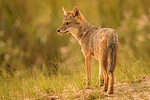
There is some debate over the evolution of wolves, but it is likely that they evolved from a population of small, early canids during the Pliocene eras from the same line that also preceded the coyote. The wolf and coyote diverged from the same ancestor 1.5 million years ago. Jackals and other members of the genus Canis had split the lineage before this time.
Prior to the appearance of wolves and coyotes, about 20 million years ago, canines and felines had branched into separate families. The first gray wolf, Canis lupus, probably appeared in Eurasia about one million years ago, during the Pleistocene period. It is thought that wolves migrated to North America around 750,000 years ago.
The Dire Wolf, Canis dirus, evolved earlier and co-existed with the gray wolf in North America for about 400,000 years. Climate change 16,000 years ago caused the prey of the animal to go extinct – leading to the extinction of the dire wolf itself.
Appearance & Behavior
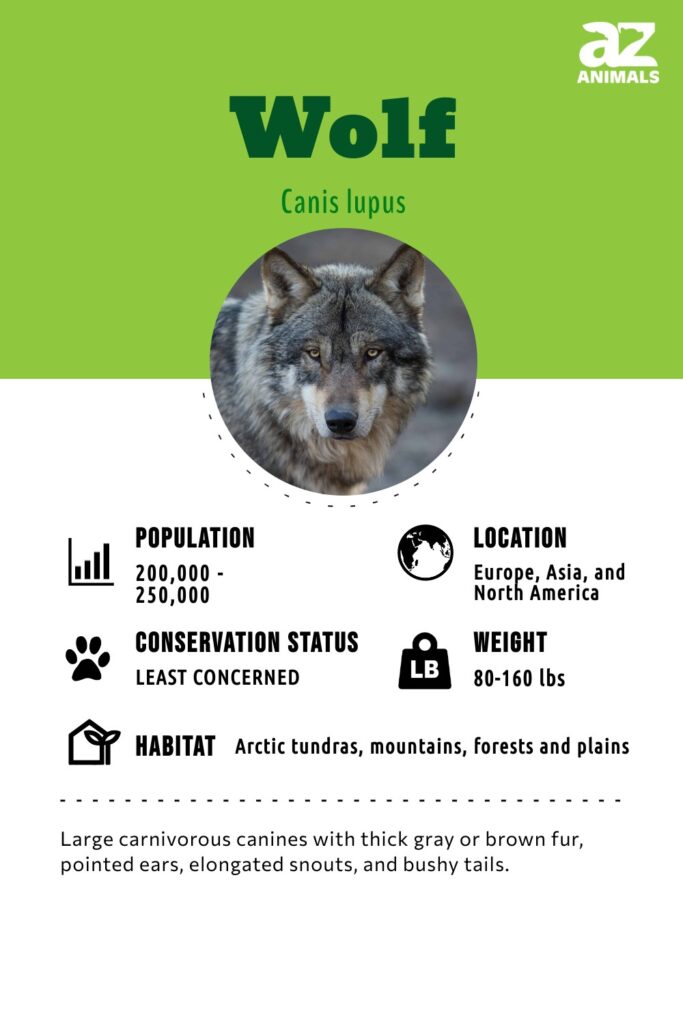
Wolves are large, four-legged, carnivorous mammals. They have pointed ears, elongated snouts, and bushy tails that curl behind them as a means of expression. Although there are many different subspecies with their own unique coloring, most wolves share the same rough, thick fur with either a gray or beige pattern. In many cases, the animal’s natural coloring will match the landscape that they need to blend in with.
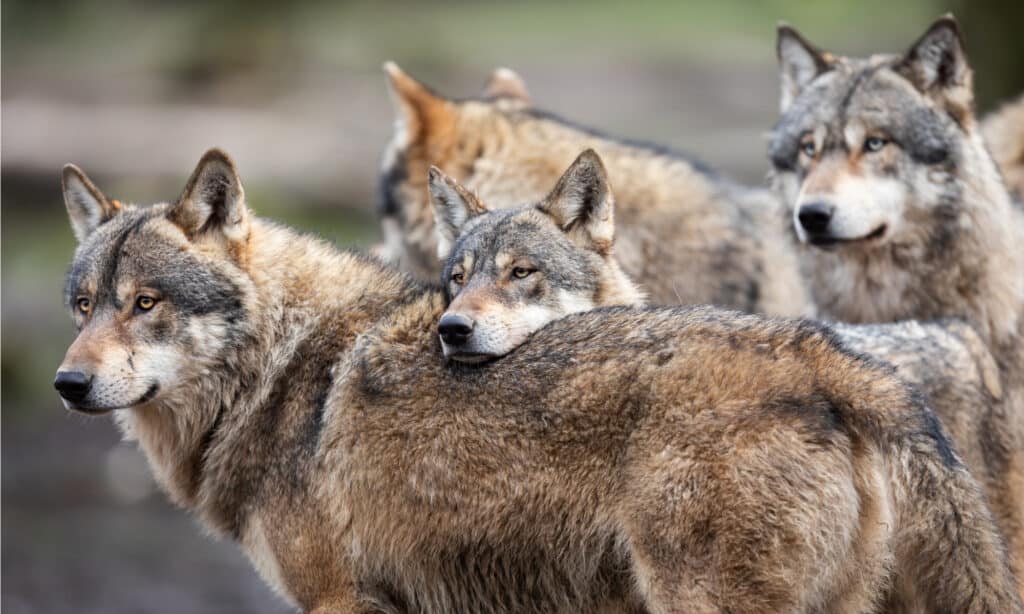
Wolves are social animals that travel and live in packs containing 4-8 adults.
©AB Photographie/Shutterstock.com
The average wolf typically weighs somewhere between 80 and 160 pounds. Females are usually smaller than their male counterparts, often by as much as 40 pounds. Most wolves are about 4-6 feet long and stand roughly 2-3 feet high. One of the largest wolves ever captured was killed in Alaska in 1975; he weighed an impressive total of 175 pounds.
Wolves are social animals that live and hunt together in a pack. Most packs contain about 4-8 adults, but packs as large as 30 have been known to exist in some parts of Alaska. Packs maintain territories between 25 and 100 miles across. In most cases, the wolves are the only prominent carnivores within their chosen territory.
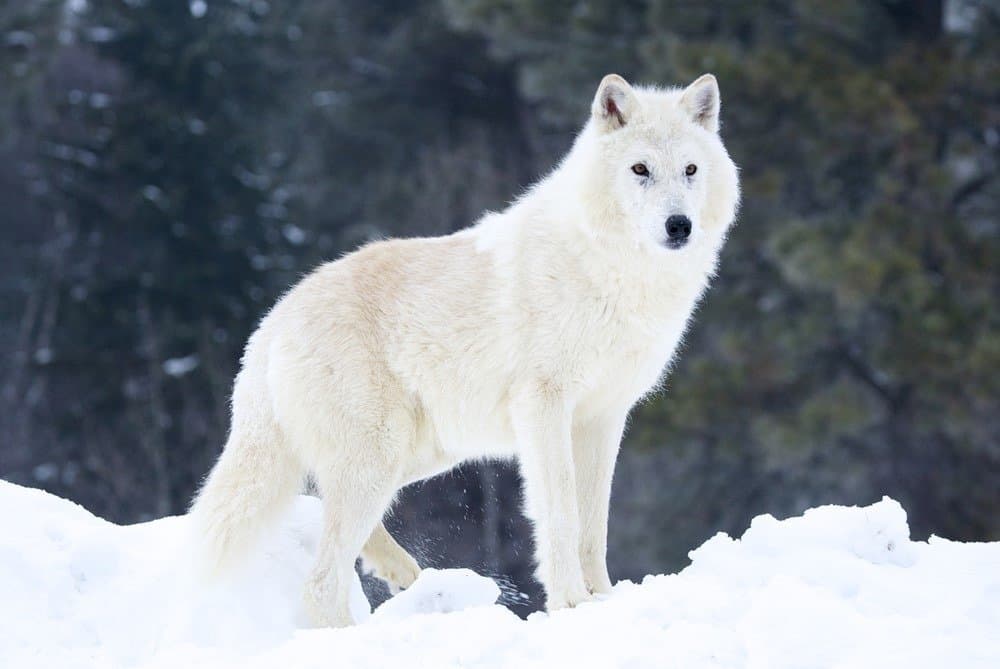
This arctic wolf blends into the snowy scenery. Most wolves prefer colder climates.
©moosehenderson/Shutterstock.com
Habitat: An Animal in Need of Space
Wolves are animals that are native to the northern hemisphere and can be found in Europe, Asia, and North America. They like to live in habitats with plenty of game, cover, and room to roam. However, they are not limited to any one kind of terrain; this is why you’ll see wolves in arctic tundras, mountains, forests, plains, and nearly every other kind of northern environment. Due to their large size and the thickness of their fur, most wolves prefer to live in cold climates, so you’re unlikely to ever see one in the southern parts of their respective continents.
Most wolves spend their time ranging across their territory and looking for prey. When the pack is fed, they can be found scouting for threats or sleeping in a cave, clearing, or other makeshift dens. Although some species like to live in a single location, most wolves go to sleep in a different part of their territory every night.
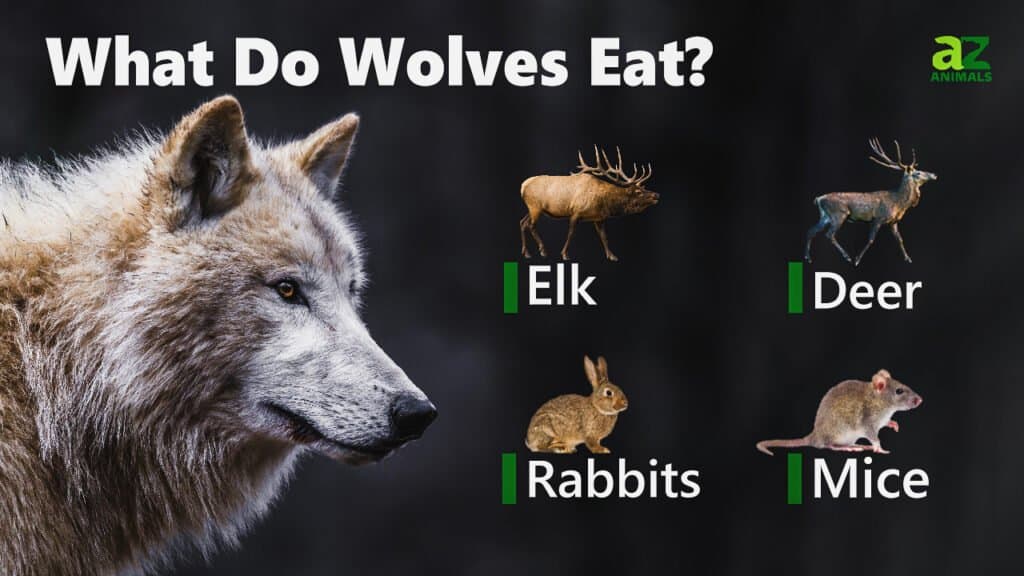
Diet: A Carnivorous Animal
These animals are carnivores and will eat nearly any type of prey that they can catch. With that said, they typically prey on large hoofed mammals like deer, elk, moose, sheep, goats, and bison. When large prey is not available, wolves are likely to catch smaller mammals like rabbits or beavers.
An adult needs to eat about 5-7 pounds of meat every day to maintain a healthy weight. Typically, a pack will kill a single large mammal and survive off the meat for several days before moving on to the next opportunity. The average wolf eats the equivalent of 15 deer across an entire year; this is why packs need to maintain such large territories in order to survive.
For a complete analysis of a wolf’s diet, make sure to read ‘What Do Wolves Eat.‘
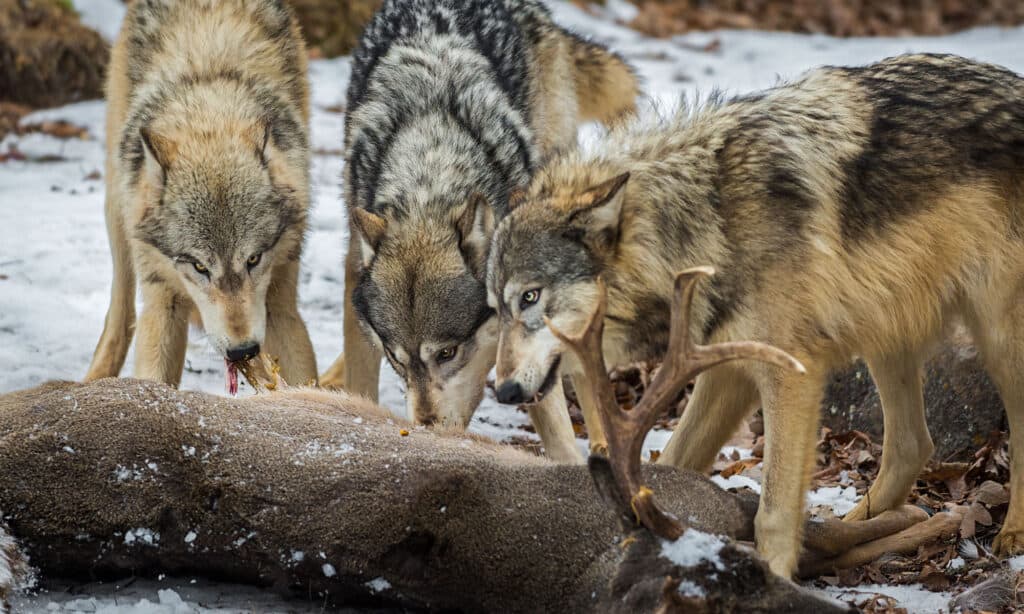
Wolves are at the top of the food chain within their territories.
©Holly Kuchera/Shutterstock.com
Predators and Threats: Animals at the Top of the Food Chain
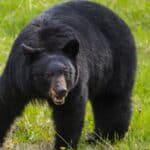
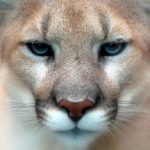
These animals are apex predators, which means that they are at the top of the food chain within their designated territories. Still, they stick together in packs for good reason; there are plenty of bigger meaner animals who are willing to consider them as prey. In general, these animals need to watch out for bears and large cats like tigers or mountain lions. When they work together, a pack can take down a polar bear – but a wolf alone might not be so lucky.
The actual biggest threat to any wolf is human interaction. They often get shot by poachers, licensed hunters, and farmers who are attempting to protect their livestock. These animals also suffer from climate change caused by deforestation. When humans move in, their territory gets smaller, reducing their prey options and making survival difficult. The human presence is often the reason for the drastic decline in wolf presence across North America over the last hundred years.
Reproduction, Babies, and Lifespan: The Dominant Animals Breed
Every pack contains a dominant male and a dominant female. If the pack is small, these two are the only ones who will breed. However, in larger packs, some of the other females may also choose to carry young. These animals have a gestation period of around 3 months and are typically born in litters of 4-6. Breeding season occurs in early spring, allowing the pups to be born in the warmest part of the year.

Female wolves usually give birth to litters of 4-6 pups.
©Bildagentur Zoonar GmbH/Shutterstock.com
Pups are born with closed eyes and stunted noses. At birth, many pups only weigh less than 1-2 pounds. However, the pups develop quickly, gaining as much as 3 pounds a week for the duration of the summer season. Pups typically have their eyes open and are walking within two weeks of their birth.
The animal is able to hunt alongside the pack after surviving its first year. The small size of most packs reflects the grim statistics for survival; only one or two pups may make it out of every litter. If more pups survive, they will likely disperse to new territories with more game. When there is adequate nutrition, most keep growing and will reach their full size at around 2 years old.
The average lifespan for wolves in the wild is about 4-8 years. However, animals in captivity have been known to live for 15, and it’s possible that some wild wolves are able to survive for this long. The oldest wolf ever recorded was named Madadh; she lived to be 19 years old with the help of her caretakers. As these animals get older, they may suffer from joint problems, combat injuries, and the effects of famine.
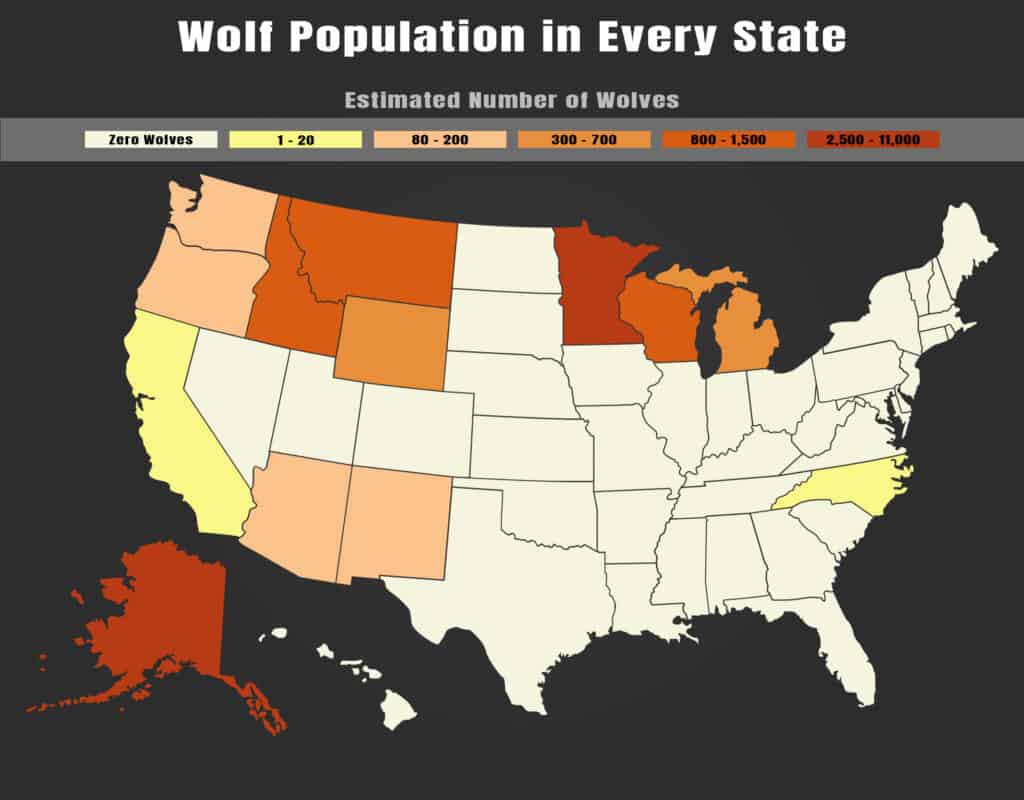
Population: A Large Number of Animals
The current global wolf population sits at around 300,000 individuals. Roughly 16,000 of these animals live in America; most of them are located in Alaska, and around 5,000 wolves live in the contiguous states. Meanwhile, more than 60,000 of them live in Canada. The rest of the world’s population inhabits the northern parts of Europe and Asia.
After a dramatic and distressing decrease in the population at the end of the 1900s, most animal conservationists are happy to report that populations have held steady for the last decade. Wolves, and especially gray wolves, are currently considered to be of least concern. Some species, like the red wolf, remain critically endangered.
Animals in the Zoo: Where to Find the Wolf
These animals are a popular exhibit at nearly every zoo in the United States and around the world. You can find packs at the San Diego Zoo, the Smithsonian’s National Zoo, and most local city zoos. If you want to see the endangered red wolf in person, check out the Lincoln Park Zoo in Chicago.
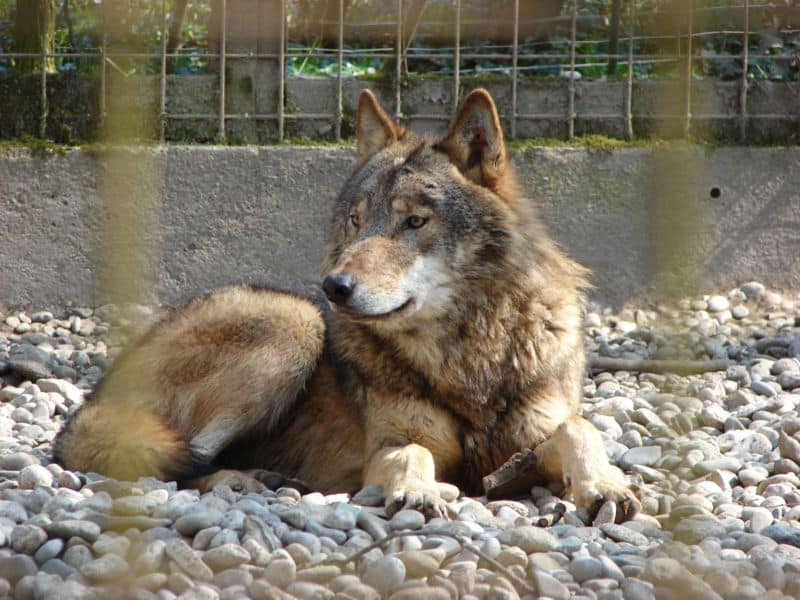
Eastern Timber Wolf in the zoo of Stadt Haag, Austria.
©Christian Jansky / Creative Commons – Original
Read more about wolves…
- The 10 Largest Wolves in the World
- Are Wolves Dangerous?
- Do Wolves Really Howl at the Moon?
Wolf Pictures
View all of our Wolf pictures in the gallery.

Mircea Costina/Shutterstock.com
Sources
- Wikipedia / Accessed December 19, 2020
- International Wolf Center / Accessed December 19, 2020
- Alaska Department of Fish and Game / Accessed December 19, 2020
- The National Wildlife Federation / Accessed December 19, 2020
- Ranger Planet / Accessed December 19, 2020