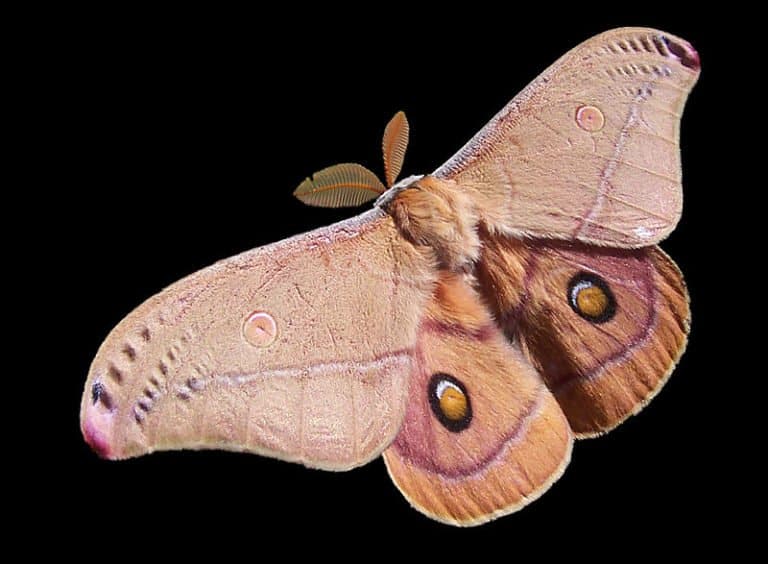
Moth
More than night flyers

More than night flyers
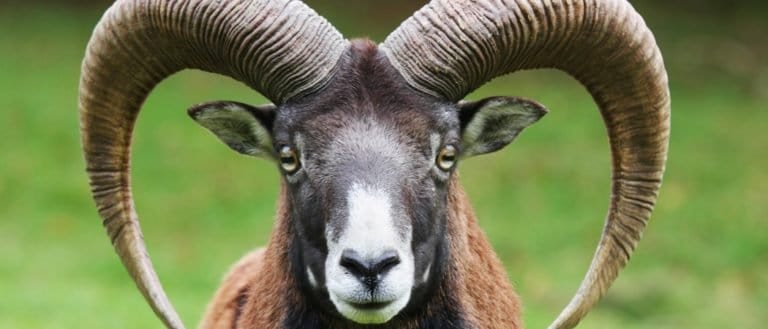
Goats: nimble browsers, global helpers

Small lynx, big adaptability.
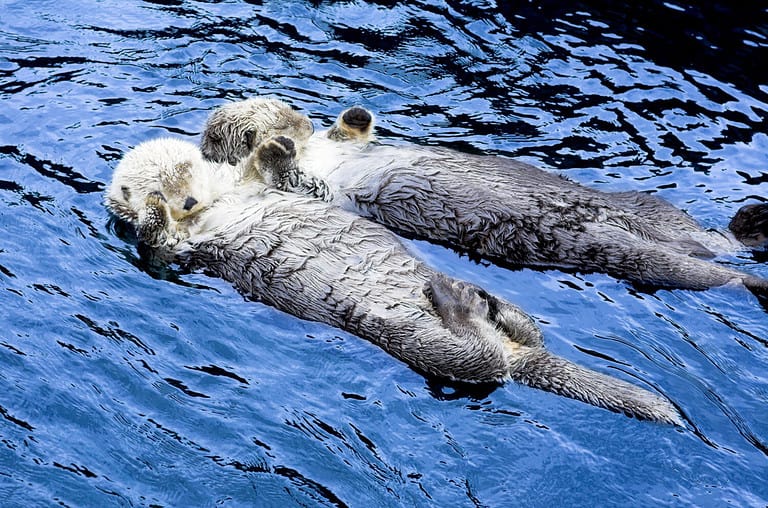
Built for water, born to hunt
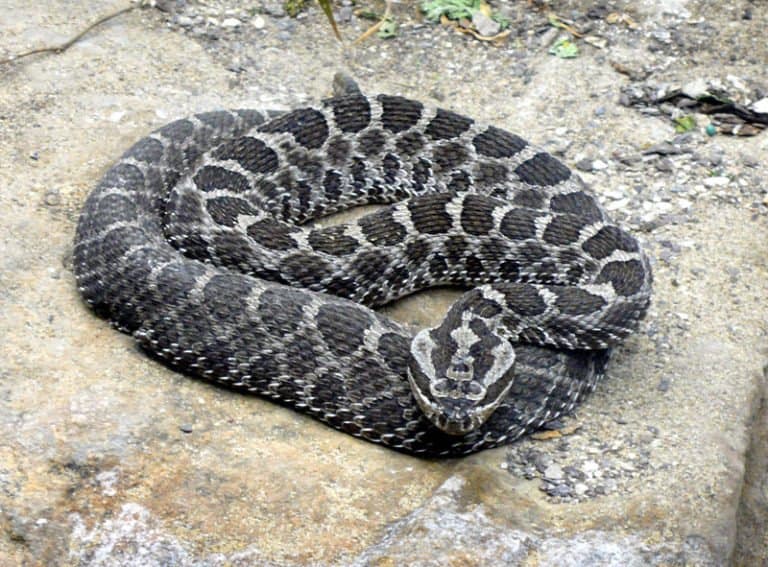
Hear the rattle, give it space.
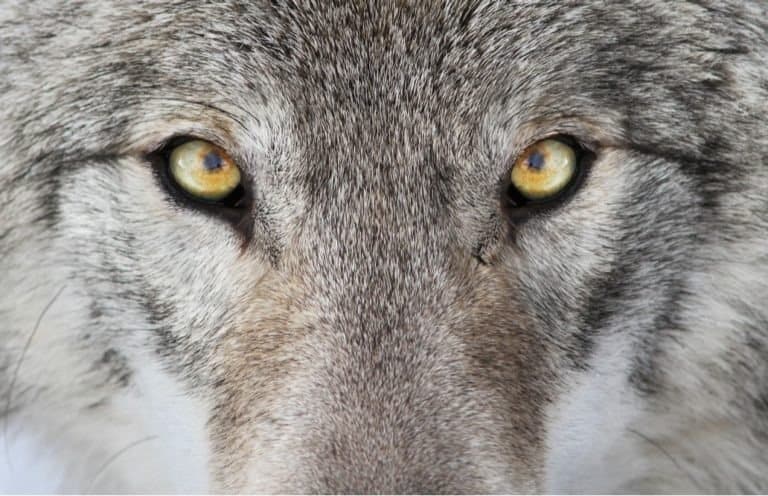
Packs, howls, and healthy wildlands
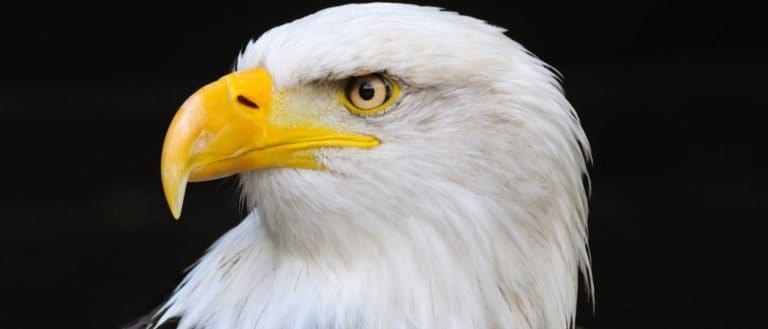
Built to soar, born to strike
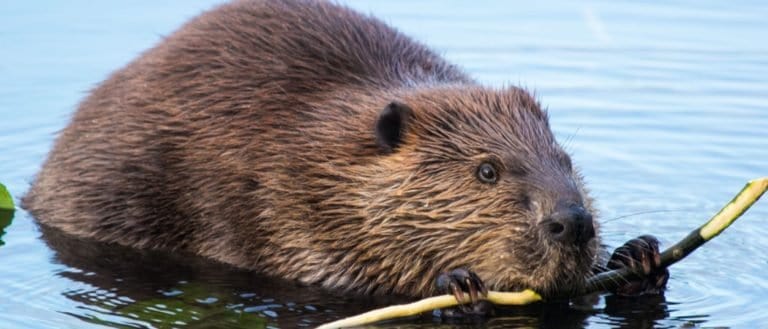
Build wetlands, shape worlds.
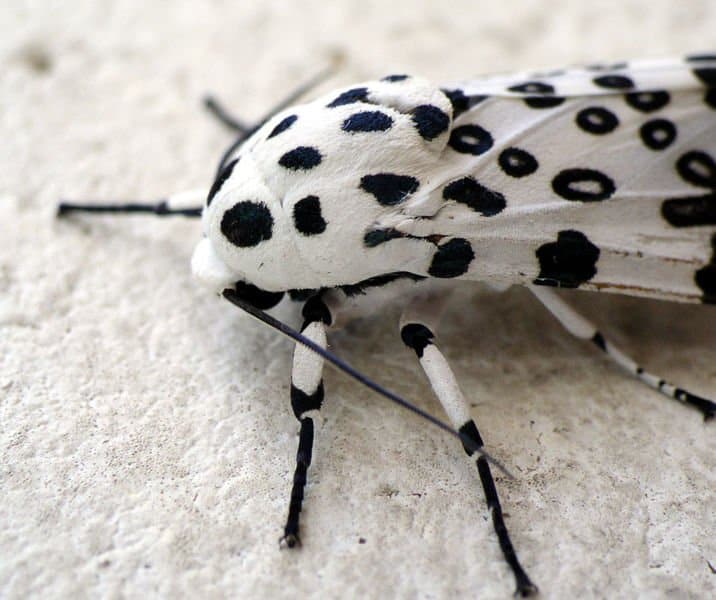
Six legs, endless lives.
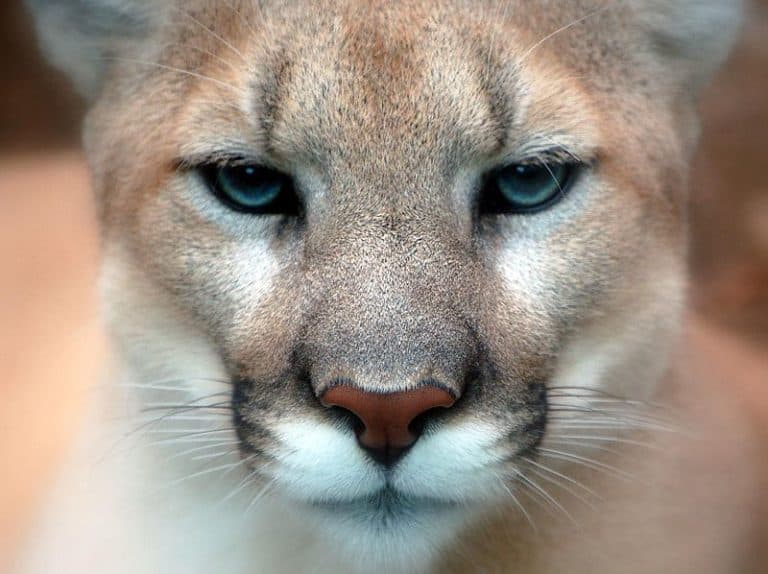
One cat. Two continents.
A coniferous forest is a tree-dominated habitat in which needle- or scale-leaved, cone-bearing gymnosperms (e.g., pines, spruces, firs, hemlocks, larches, cedars) form most of the canopy. It occurs from cold high-latitude regions to cool temperate and montane zones, shaped by climate, soils, and disturbance such as fire, wind, and insects.
Coniferous forests—from boreal taiga to temperate and montane stands—have mostly evergreen trees (except larch) suited to short seasons, cold, or drought. Soils are acidic and low in nutrients because needles decay slowly. Understories have mosses, lichens, blueberries, heathers, and ferns. Many forests are fire-adapted. They store carbon, regulate water, and support wildlife like grouse, crossbills, boreal owls, martens, and ungulates.
Canopy typically creates dappled to low light at ground level; dense spruce/fir stands can be very shaded, while pine-dominated stands are more open with higher light penetration; strong seasonal daylight variation at higher latitudes.
Common features include bogs/fens (especially in boreal taiga), small lakes/ponds, seepage wetlands, seasonal snowmelt runoff, and cold, clear headwater streams and rivers (riverine corridors).
Medium (often lower plant species richness than many broadleaf forests due to acidic, nutrient-poor soils and dense shade, but with high structural and functional diversity where multi-aged stands, wetlands, and abundant deadwood occur; diversity can be locally high in old-growth, mixed conifer-hardwood mosaics, riparian areas, and post-disturbance patches).
Moderate to poor condition globally: coniferous forests remain extensive (especially boreal taiga) but are widely fragmented or degraded in many temperate and montane regions. Industrial forestry, road networks, altered fire regimes, and climate-driven disturbance (megafires, drought, pest outbreaks) are increasing pressure, with notable biodiversity and carbon-storage impacts.
Moderate to high, but often slow. Many conifer systems regenerate well if soils, seed sources, and hydrology remain intact; recovery of old-growth structure, deadwood networks, and specialist biodiversity can take many decades to centuries. Best outcomes come from protecting intact remnants, restoring connectivity, and using native, site-adapted species (sometimes with assisted migration trials in rapidly warming regions).
High. Coniferous forests are strongly exposed to warming-driven drought stress, reduced snowpack, increased fire weather, and pest/pathogen outbreaks; boreal and montane systems are especially sensitive due to rapid warming, permafrost/hydrologic changes in the north, and limited upslope migration space in mountains. Vulnerability is amplified by fragmentation and intensive management, but reduced by large intact landscapes, heterogeneity (mixed-age/mixed-species stands), and climate-smart fire and forest practices.
"Evergreen" doesn't mean "never sheds": many conifers drop needles regularly; they just replace them continuously so the canopy stays green.
Needles are a cold-weather and drought hack: their small surface area and waxy coating reduce water loss-useful in winter too, because frozen ground makes water hard to access.
Cones aren't always woody "pinecones": some conifers (like yews) make berry-like structures; others have tiny, papery cones.
Fire can be part of the plan: several conifers have cones that open best after heat (serotiny), using wildfire to clear space and release seeds onto nutrient-rich ash.
The forest floor can be a "slow cooker": cool temperatures and acidic litter slow decomposition, so carbon can build up in soils and peat for centuries.
Many conifers rely on underground fungal partners (mycorrhizae) to gather nutrients from poor soils-think of it as a root-level trading network.
Some conifer stands can be surprisingly bright and grassy: open pine woodlands and montane larch forests can have sunlit understories instead of deep shade.
Boreal conifer forests help shape the planet's climate: their dark canopy absorbs sunlight, while their huge carbon stores influence atmospheric CO₂ over long timescales.
A conifer's needles are like reusable "winter coats": tough, waxy, and built to keep water in when conditions are dry or frozen.
Cones act like time-release seed vaults-opening only when conditions are right (or after a fire), like a safe that waits for the correct code.
The taiga is Earth's "northern green ring," wrapping around the top of the world like a vast living headband.
Mycorrhizal fungi in conifer forests are like an internet of nutrient exchange-roots and fungi trading sugars for minerals through a hidden network.
Walking on thick moss and needle litter can feel like stepping on a natural mattress: it's springy because decomposition is slow and organic layers build up.
Conifer forests at high elevation are like "islands in the sky": separated by valleys, they can host distinct communities much like true islands do.
The boreal coniferous forest (taiga) is the largest terrestrial biome on Earth-an almost unbroken green belt across Canada, Alaska, Scandinavia, and Russia.
Some of the tallest trees on Earth are conifers: coast redwoods (a conifer) can exceed 110 m (360+ ft), taller than a 30+ story building.
Some of the biggest living things by volume are conifers: giant sequoias are the world's most massive trees.
Some of the oldest individual trees are conifers: bristlecone pines can live for nearly 5,000 years-some were already growing when the Great Pyramid of Giza was built.
Coniferous forests host some of the widest natural temperature swings: interior taiga can see scorching summer days and brutally cold winters in the same year.
One of the most widespread forest types on the planet, conifer forests dominate huge high-latitude and high-elevation regions where many broadleaf trees struggle to survive.
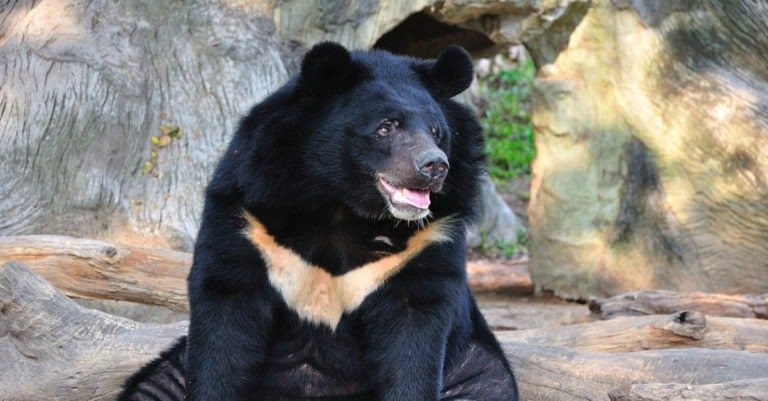
Moon-marked climber of Asian forests
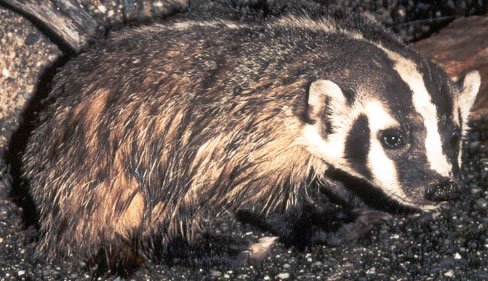
Built to dig. Born to endure.
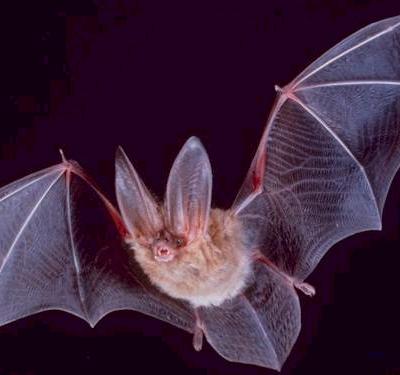
Night pilots of the mammal world
Build wetlands, shape worlds.
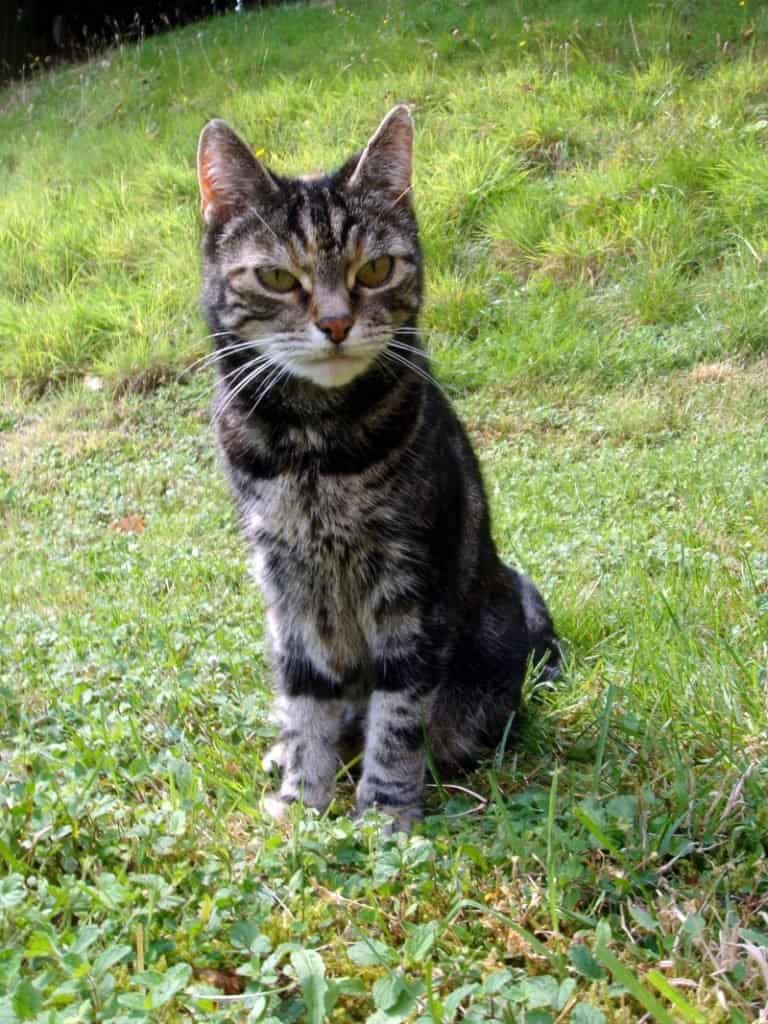
Small hunter, big household legend
One cat. Two continents.

Webbed feet, world travelers.
Built to soar, born to strike
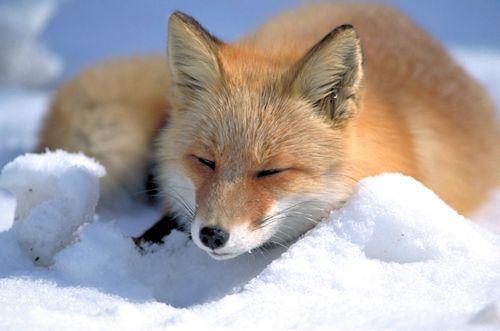
From dunes to tundra-fox smart.
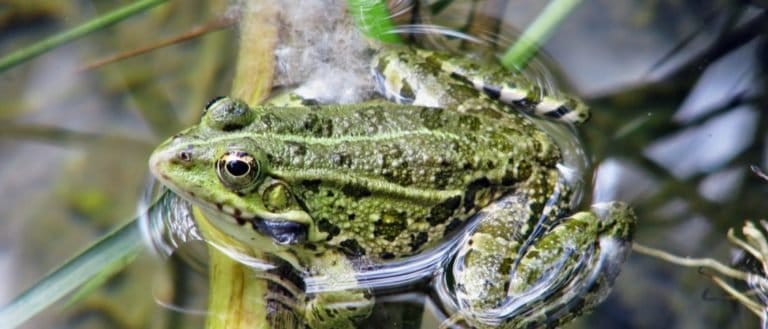
Tailless jumpers, masters of change
Goats: nimble browsers, global helpers
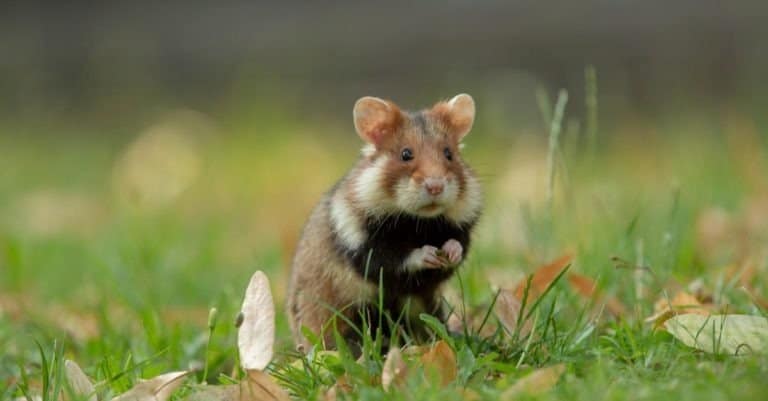
Pouches, burrows, and big impacts
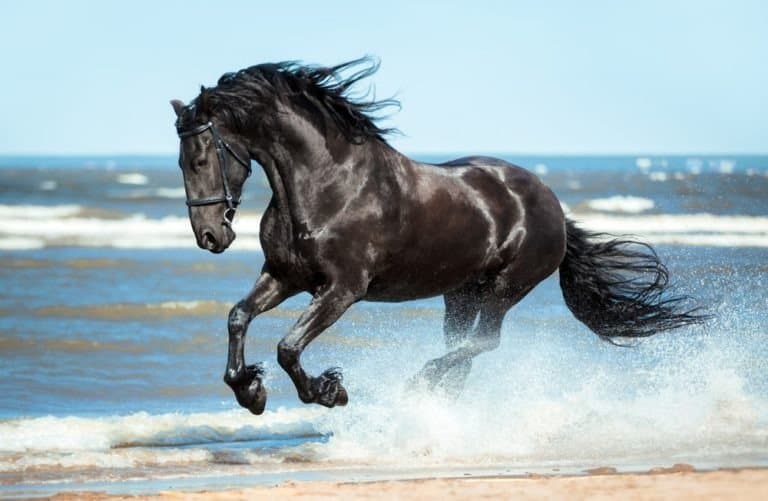
One hoofbeat, a thousand histories
Six legs, endless lives.
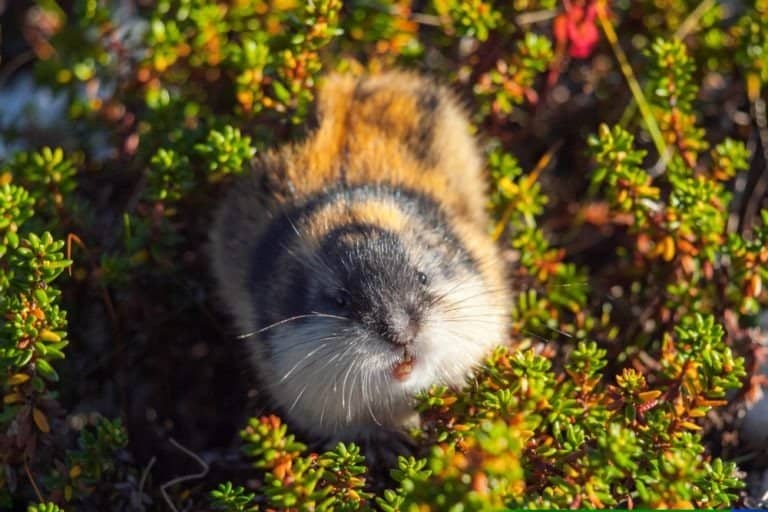
Small rodents, huge tundra impact
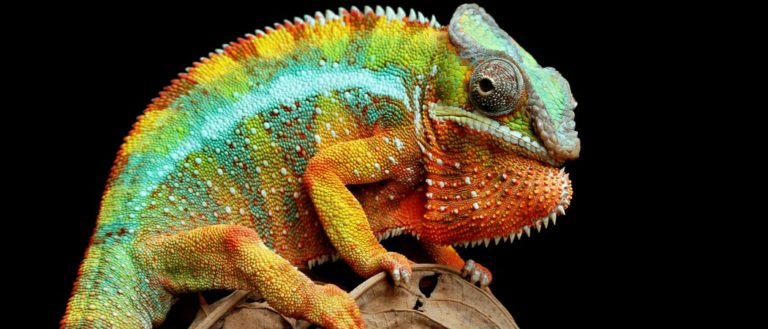
From geckos to dragons-lizard power
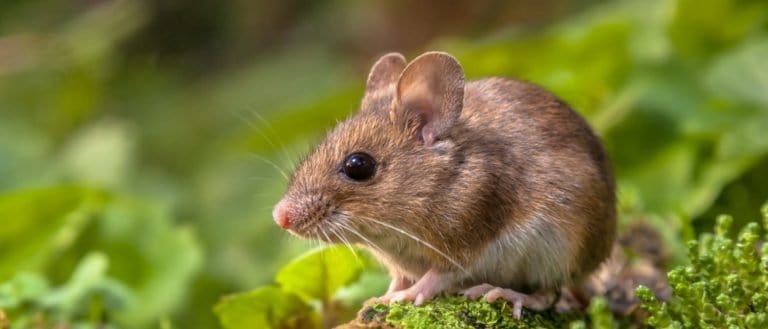
Small gnawers, huge impact.
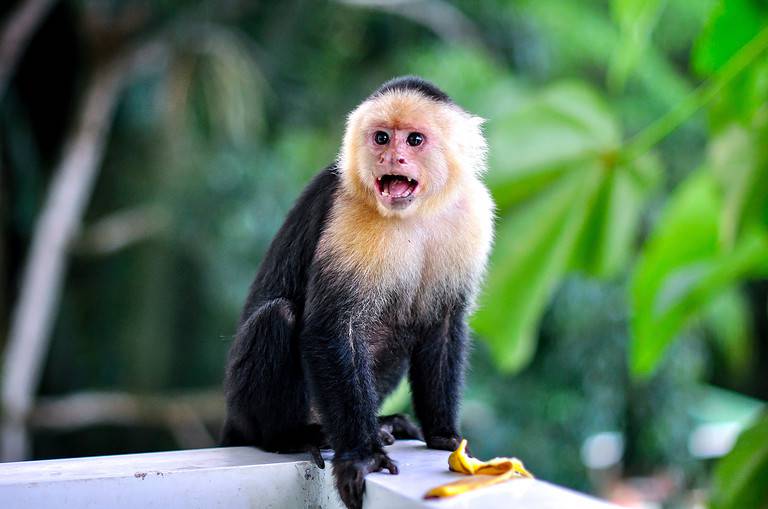
Hands, minds, and social lives
More than night flyers
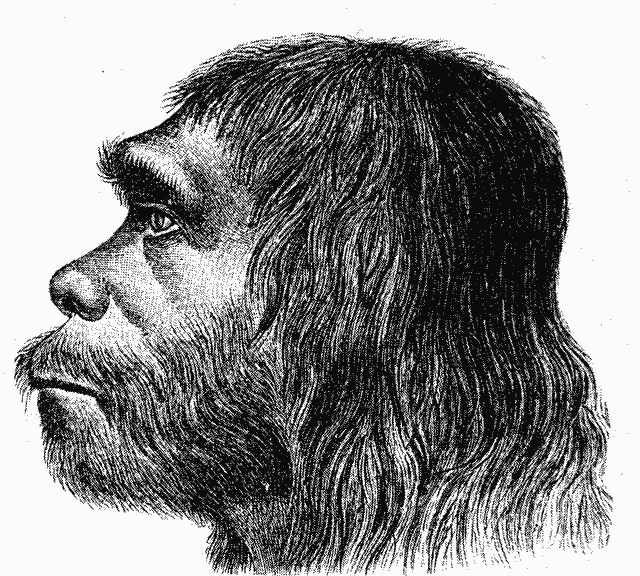
Not cavemen-Ice Age people
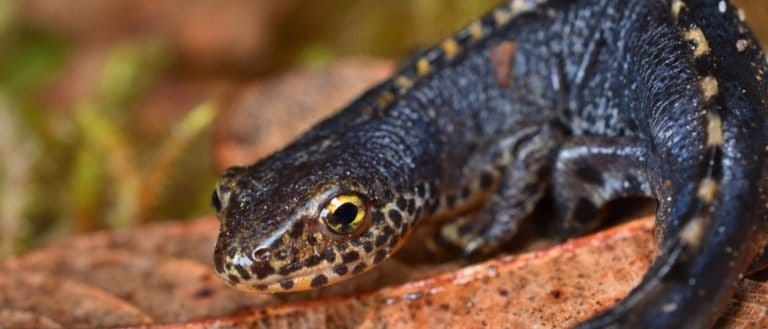
Crests, ponds, and potent defenses
Built for water, born to hunt
Hear the rattle, give it space.
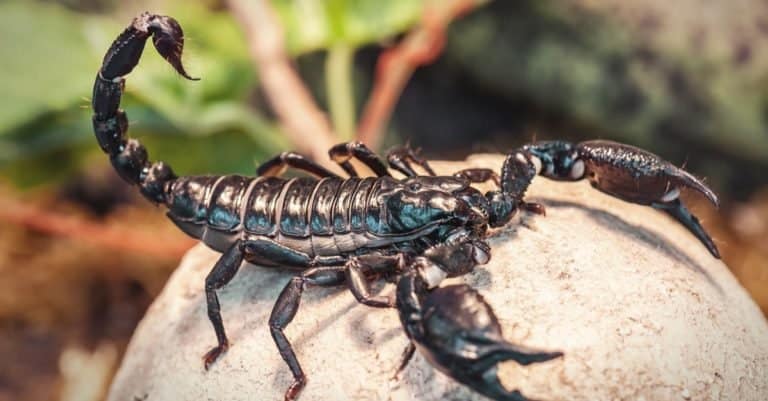
Glow at night, strike with precision
Thank you for reading! Have some feedback for us?
We appreciate your help in improving our content.
Our editorial team will review your suggestions and make any necessary updates.
There was an error submitting your feedback. Please try again.