
The hairless guinea pig is a relatively new breed that’s gaining in popularity. Their unique appearance makes them stand out from the rest. However, like with any new pet fad, it’s important to be prepared and do your research before rushing out to buy one. Pet ownership is both a responsibility and a privilege. This guide will tell you almost everything you need to know about what hairless guinea pigs are, how to take care of them, and where to find them.
What Is a Hairless Guinea Pig?
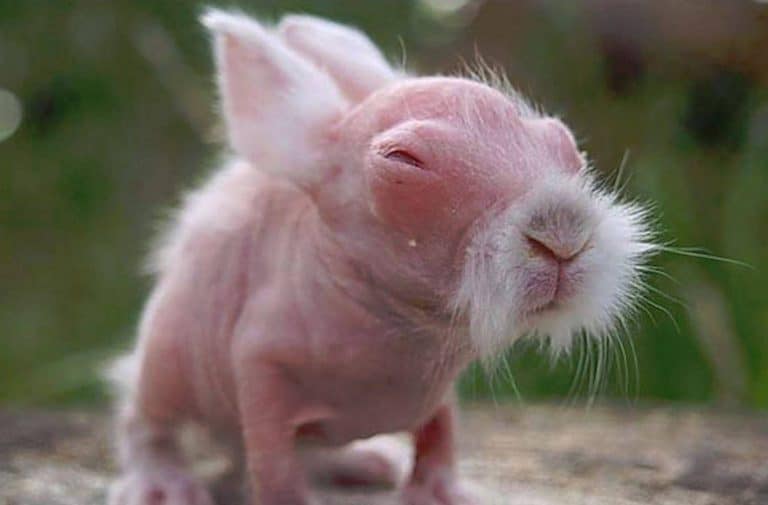
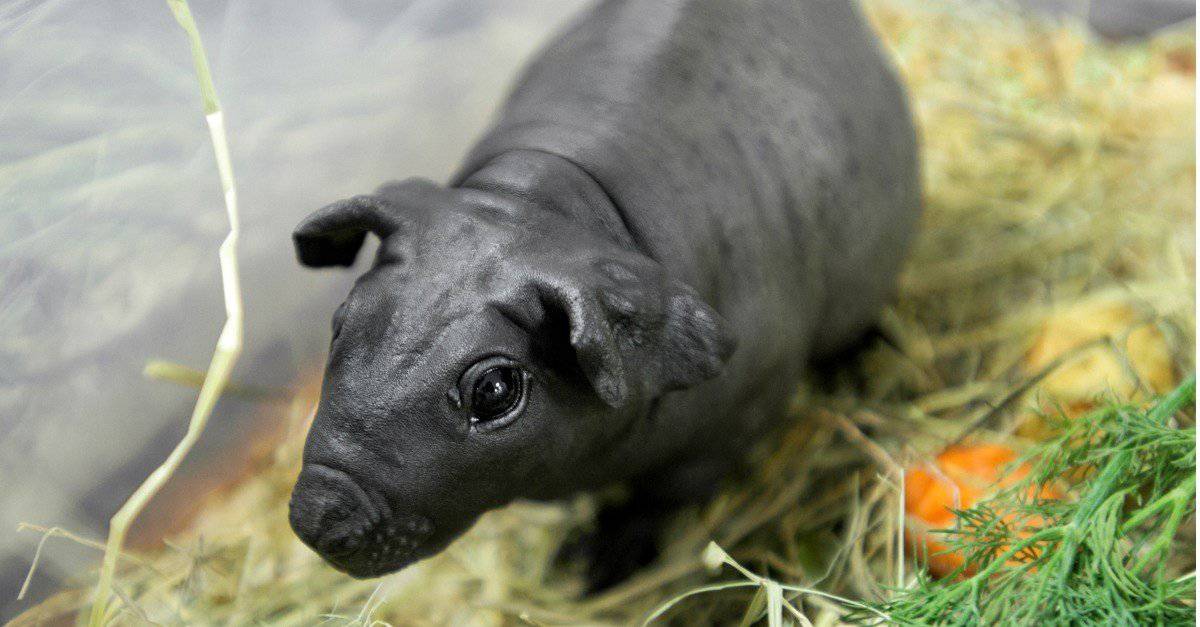
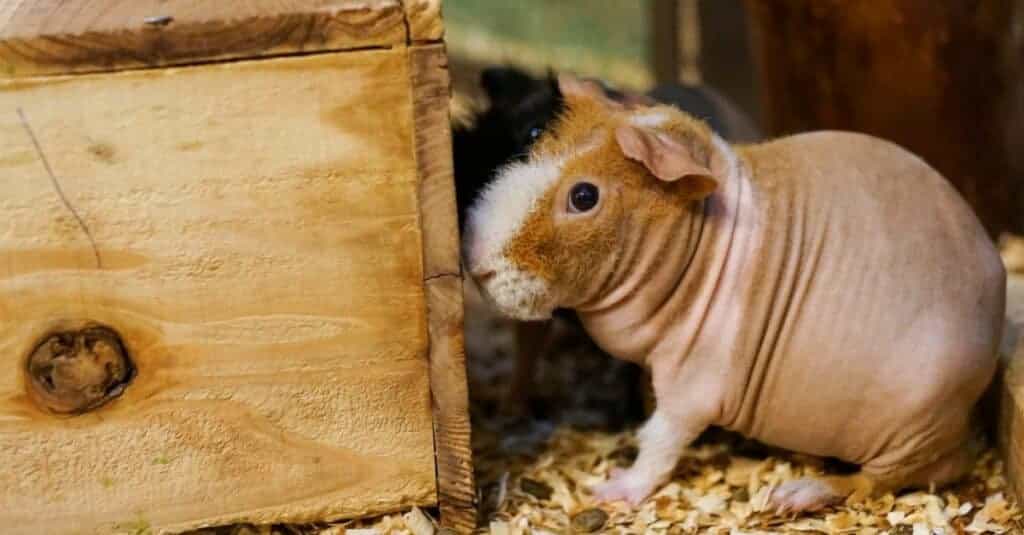
As the name suggests, the hairless guinea pig has little, if any, hair on its body. They tend to have rubbery skin with lots of wrinkles and drooping ears. Their lack of hair can make them appear a bit unusual. Some people have humorously compared their physical appearance to a miniature hippo.
However, apart from the lack of hair and the care requirements that entail, there actually isn’t much difference between hairy and hairless guinea pigs in terms of behavior and temperament. However, it’s important to note that hairless guinea pigs have a faster metabolism, as they need more warmth due to their lack of fur.
The Skinny Pig vs. The Baldwin Guinea Pig
There are generally two recognized types of hairless pigs: the so-called skinny pig and the Baldwin guinea pig. The skinny pig has small patches of hair around its muzzle, feet, and legs. The Baldwin guinea pig, despite being born with a full coat of fur, becomes almost entirely hairless by around two months of age. Its hair begins to fall out after two to five days. This is not a sign of illness — it’s completely natural. However, the skinny pig and the Baldwin guinea pig have entirely different origins.
The skinny guinea pig originated from a spontaneous mutation at a Montreal research facility in the late 1970s. Once this hairless recessive strain was identified, it was put to laboratory use as a test subject for dermatological products. It did not take long for people to realize their potential in the pet trade, and their popularity increased rapidly in the 1990s.
The Baldwin guinea pig has a slightly different origin. It arose from a recessive genetic mutation in a white-crested golden agouti. This is a guinea pig with a solid-colored stomach and otherwise striped or ticked fur. A California breeder named Carol Miller was the first person to notice this trait and specifically breed for it.
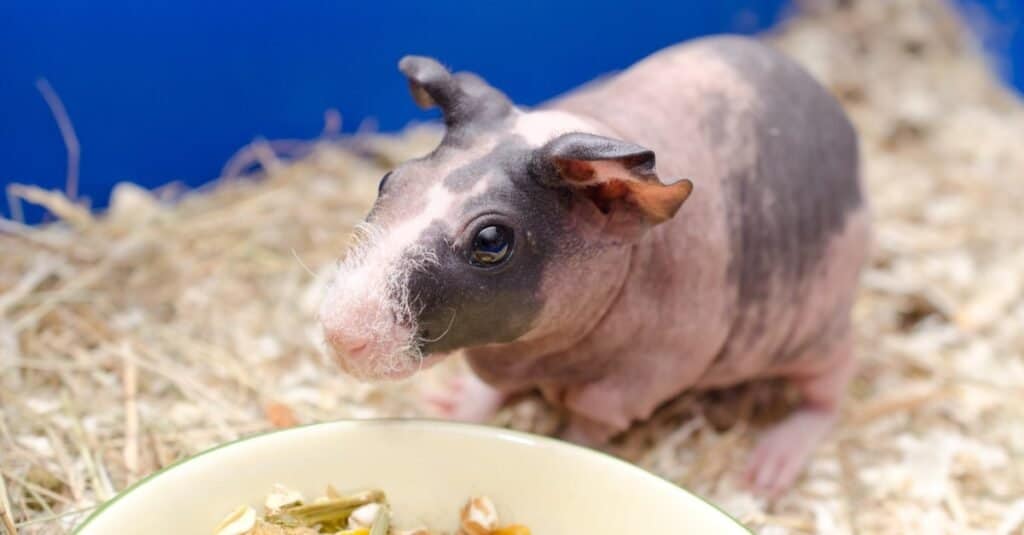
Skinny pigs have small patches of hair around their muzzles, feet, and legs.
©Olena Kurashova/Shutterstock.com
The Genetics Behind Hairless Guinea Pigs
As you may have learned from science class, all individual organisms inherit two versions of a gene from their parents: one is dominant and the other is recessive. If the offspring inherits two dominant genes, then the dominant trait will be expressed. If the offspring inherits a dominant gene and a recessive gene, then the dominant trait will override the recessive trait. The offspring must inherit two recessive genes in order for the recessive trait to be expressed.
Hairlessness is a recessive trait in both the skinny and Baldwin guinea pigs. The animal must inherit two copies of the recessive gene in order to be hairless. Breeding two hairless parents will always result in more hairless guinea pigs. If it’s crossed with a hairy guinea pig, however, the offspring will have hair but will also carry the recessive hairless trait. These pigs are known as hairless carriers and can produce either hairy or hairless offspring.
So, why do skinny pigs and Baldwin guinea pigs have different amounts of hair? That’s because their hairless traits involve entirely different genes. Rarely is there just a single gene controlling an entire trait; rather, multiple genes often affect different traits simultaneously. This can lead to unexpected outcomes. For example, if you were to cross a skinny pig and a Baldwin guinea pig, the offspring would be a normal hairy pig. This is because they would inherit a dominant copy of both genes from the parents. The Baldwin pig would have a dominant copy in place of the skinny’s recessive hairless trait, and vice versa. The offspring would still carry a copy of both the Baldwin pig’s and the skinny pig’s hairless recessive traits, and could therefore pass these traits to their own offspring.
Hairless Guinea Pig Colors
They normally come in black, chocolate brown, cinnamon, golden, gray, pink, white, and more. Some of the most common patterns include brindle (dark streaks or patches mixed equally against a lighter background), Dalmatian (dark spots on a white background), Dutch (white body with colored patches on the face and rump), Himalayan (white body with darker extremities), tortoiseshell (two or more colors mixed throughout in larger patches), and solid. Both the color and pattern depend on the type of pig and its particular bloodline.
Baldwin guinea pigs progressively lose their hair after birth.
©iStock.com/Sompote SaeLee
Hairless Guinea Pigs: Health and Care
Some websites claim that skinny pigs have a shorter lifespan than hairy guinea pigs, but some experts believe it is similar to that of hairy guinea pigs. The typical life expectancy for the skinny pig is thought to be 5 to 7 years, but some individuals can live longer depending on their genetics and care. However, it’s important to remember that their exposed skin makes them more sensitive to their surroundings. They are easily irritated by wood chippings and bothered by the cold. Skin infections and scratches are also much more likely to occur.
The Steps to Good Care
To protect your pet from issues, there are a few sensible steps you can take to ensure your hairless guinea pig receives good care. First, use soft bedding such as paper or fleece instead of harsh wood chips. Second, apply sunscreen to its skin when going outside, or at least cover your guinea pig to prevent direct exposure. Third, the optimal temperature range for hairless guinea pigs is between 75 and 79 degrees Fahrenheit. This is slightly higher than the average temperature for haired guinea pigs. Fortunately, their higher metabolic rate will produce most of the heat they need, but they may need to be fed slightly more food than the average guinea pig, based on individual appetite and body condition.
To Moisturize or Not to Moisturize?
What about skin moisturizers? Many owners mistakenly believe that their hairless pigs require moisturizers to avoid dryness, but this is actually a misconception. Like humans, their bodies produce natural oils to keep them well moisturized. The only time you may want to apply moisturizer is if, for some reason, the skin starts to visibly dry out or crack.
Grooming and Bathing Your Hairless Guinea Pig
Fortunately, some aspects of its care may prove to be easier without hair. Since bare skin is much less likely than fur to accumulate dirt and grime, they won’t need to be brushed except on their small patches of hair. Bath time is also a relatively straightforward procedure. After placing your guinea pig in a basin of lukewarm water, lather its body with a very mild shampoo that won’t irritate the skin. When finished, wrap your guinea pig in a soft towel to dry it.