N S W E
Wildlife Expeditions

Wildlife of
Malawi

Malawi is most notable for pairing classic safari wildlife in revitalized parks with one of the world's greatest freshwater biodiversity hotspots-Lake Malawi-where brilliantly colored cichlids and clear-water snorkeling are as iconic as elephants on the Shire River.
101 Species
94,280 km² Land Area
Overview

About Malawi

Malawi's wildlife character is defined by the Great Rift Valley's dramatic landscapes and the life-giving presence of Lake Malawi, a vast inland sea that shapes climate, habitats, and human culture along its shores. On land, the country offers a surprisingly varied safari portfolio for its size: riverine forests, floodplains, mopane and miombo woodlands, and cool highland plateaus. In recent decades, sustained protection and management-especially within key parks-has strengthened sightings of major mammals and made Malawi a rewarding destination for travelers who want both biodiversity and a sense of conservation progress.

Lake Malawi is the ecological heart of the country and globally celebrated for its extraordinary diversity of endemic cichlid fish-an evolutionary showcase often compared to the Galápagos for freshwater speciation. Along the lake's rocky reefs, hundreds of species occupy niches with dazzling color and behavior, creating a wildlife experience that feels more like a tropical marine reef than an African lake. Beyond the lake, Liwonde National Park on the Shire River is renowned for boat-based game viewing and thriving elephant, hippo, and crocodile populations, while the Nyika Plateau's high-altitude grasslands and forests provide a cool-climate contrast with sweeping scenery, antelope, and birdlife.

Malawi's role in conservation is increasingly defined by the restoration and reinforcement of protected areas, with improved management, anti-poaching capacity, and strategic wildlife movements helping rebuild animal populations and visitor confidence. For wildlife enthusiasts, the country's uniqueness lies in the ability to combine a "big-game" safari with freshwater snorkeling and endemic fish watching in a single itinerary, often with fewer crowds than more famous safari circuits-delivering intimate encounters, strong birding, and a compelling story of resilience in both terrestrial and lake ecosystems.

Physical Features

Geography

Malawi's wildlife distribution is strongly shaped by the Great Rift Valley topography: steep elevation gradients from low, hot Shire Valley plains to cool montane plateaus create distinct habitat belts (mopane/lowland savannas, miombo woodlands, and montane grasslands/forests). The enormous freshwater Lake Malawi along the east forms one of Africa's most important inland aquatic systems, driving exceptional fish endemism (especially cichlids) and supporting river-mouth wetlands and floodplains used by waterbirds and large mammals. Rivers (notably the Shire) and associated marshes concentrate wildlife in the dry season and underpin key protected areas such as Liwonde and Nyika.

94,280 km² (land area) Land Area
Around the 100th largest country by area; about the size of Pennsylvania (USA) Size Rank

Key Landscapes

  • Lake Malawi (Rift Valley lake) and its rocky shores, sandy bays, and deep pelagic waters-core to endemic fish diversity
  • Great Rift Valley escarpments and lakeshore plains-hotter, drier lowlands with concentrated dry-season water sources
  • Shire River system (outflow of Lake Malawi) including riverine forests, oxbows, and marshes-critical for hippos, crocodiles, waterbirds, and floodplain grazing
  • Lower Shire Valley floodplain and wetlands (including the Elephant Marsh area)-seasonal inundation supports fish nurseries and large bird assemblages
  • Nyika Plateau (high-elevation grasslands and montane mosaic)-cool climate refugia and distinct montane fauna/flora
  • Viphya Highlands and other central highlands-extensive miombo and plantation mosaics influencing connectivity
  • Mount Mulanje and Zomba Plateau-isolated montane blocks with endemic plants, remnant evergreen forests, and headwater catchments
  • Miombo woodland belt across much of central/northern Malawi-key habitat for woodland birds, antelopes, and wide-ranging carnivores where intact

Ecoregions

  • Eastern miombo woodlands (dominant woodland/savanna matrix across much of Malawi)
  • Central Zambezian miombo woodlands (woodland belt, especially toward central/western areas)
  • Zambezian mopane woodlands (hot, low-elevation valleys-especially the Shire Valley)
  • Zambezian flooded grasslands (seasonally inundated floodplains and wetlands, including parts of the Lower Shire Valley)
  • Southern Rift montane forest-grassland mosaic (Nyika, Mulanje, Zomba and other highlands; montane grasslands and forest patches)
  • Lake Malawi (freshwater ecoregion; globally significant for endemic cichlids and lake-specialist invertebrates)
Parks & Reserves

Protected Areas

Malawi's protected area system is anchored by a network of National Parks and Wildlife Reserves administered by the Department of National Parks and Wildlife, with several flagship sites co-managed through public-private partnerships (notably with African Parks) and increasing involvement of surrounding communities. Protection spans Rift Valley escarpments, Brachystegia-dominated woodlands, high-altitude grasslands (Nyika Plateau), and globally important freshwater ecosystems associated with Lake Malawi and other wetlands. Conservation priorities include restoring depleted large-mammal populations through translocations and strengthening anti-poaching, while also safeguarding exceptional fish and bird diversity in lake and wetland habitats.

Protected Coverage

Approximately 11-12% of Malawi's land area is under formal protection as National Parks and Wildlife Reserves (coverage is higher if forest reserves and other protected catchments are included).

Notable Parks & Reserves

Liwonde National Park

National Park

Malawi's premier safari park for reliable big-game viewing along the Shire River, with strong law-enforcement and major reintroductions/translocations that rebuilt wildlife populations. Boat-based wildlife viewing is a signature experience, especially for elephants, hippos, and crocodiles.

Majete Wildlife Reserve

Wildlife Reserve

A leading conservation recovery story where intensive management transformed a heavily depleted area into a 'Big Five' destination. It is notable for high densities of large mammals and successful reintroductions that support tourism and conservation funding.

Nyika National Park

National Park

A vast, scenic high-altitude plateau known for montane grasslands, rolling hills, and exceptional antelope diversity; it is among Malawi's best areas for roan and eland. The landscape is also famous for wildflowers and seasonal birdlife.

Roan antelope
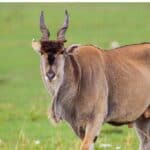
Eland
Eland
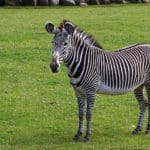
Zebra
Zebra
Leopard
Leopard
Spotted hyena
Bushbuck
Wattled crane

Nkhotakota Wildlife Reserve

Wildlife Reserve

One of Malawi's largest protected areas and a key woodland wilderness where large-scale elephant translocations and anti-poaching work are restoring ecological function. Best suited to conservation-focused travel and back-to-nature experiences rather than guaranteed sightings.

Vwaza Marsh Wildlife Reserve

Wildlife Reserve

A wetland-and-woodland mosaic in northern Malawi (Vwaza Marsh Wildlife Reserve) known for elephants and strong birdwatching around marshes and seasonally waterlogged grassy depressions. It is an important refuge for large mammals and wetland-associated species in the region.

Lake Malawi National Park

National Park; UNESCO World Heritage Site (Natural)

Globally significant for freshwater biodiversity, especially its extraordinary radiation of endemic cichlid fishes, making it one of the world's top inland-water conservation areas. It combines rocky shoreline habitats with small forested areas and is also strong for snorkelling/diving-based wildlife viewing.

Rock-dwelling cichlid fishes
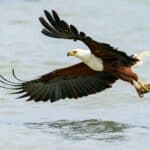
African fish eagle
African fish eagle
Otter (African clawless otter)
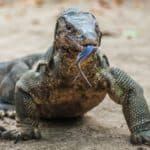
Monitor lizard
Monitor lizard
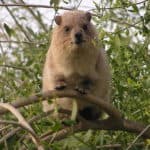
Rock hyrax
Rock hyrax
Kingfisher species
Heron species

Lake Chilwa Wetland

Ramsar Wetland (Wetland of International Importance)

A nationally important wetland for waterbirds and fisheries, supporting large seasonal congregations of waders and waterfowl and providing critical habitat in drought/flood cycles. It is one of Malawi's top birding landscapes and a key site for wetland conservation.

Greater flamingo
Great white pelican
African openbill stork
Yellow-billed stork
African spoonbill
Glossy ibis

UNESCO World Heritage Sites

  • Lake Malawi National Park
Animals

Wildlife

Malawi's wildlife character is defined by two contrasting systems: (1) classic savanna-and-river wildlife in the Shire River valley and southern/central reserves (notably Liwonde National Park, Majete Wildlife Reserve, Lengwe and Nkhotakota), and (2) exceptional freshwater biodiversity in Lake Malawi, a Great Rift Valley lake famous for its explosive cichlid fish radiation and clear-water snorkeling/diving. Upland habitats on the Nyika Plateau add montane grasslands and miombo woodland with a different antelope-and-raptor feel. Conservation in Malawi is also notable for major reintroduction/translocation successes (elephant, rhino, lion, etc.) that have reshaped visitor wildlife viewing in the last decade.

~190 species (approx.) Mammals
~650 species (approx.) Birds
~170 species (approx.) Reptiles
~80 species (approx.) Amphibians

Iconic Species

African Elephant
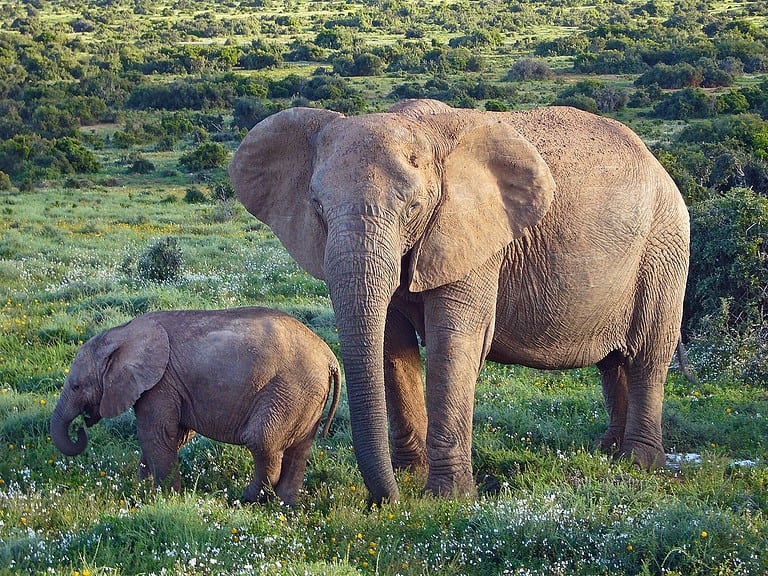
African Elephant A flagship species in Malawi's recovery story: large numbers are seen in Liwonde National Park along the Shire River, and translocations have rebuilt populations and improved viewing reliability in key protected areas.
Hippopotamus
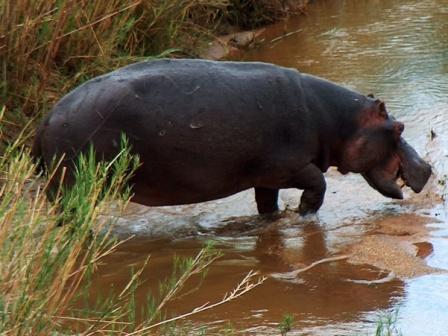
Hippopotamus One of the easiest 'big' animals to see in Malawi, especially on boat trips on the Shire River in Liwonde National Park, where pods are a core part of the river safari experience.
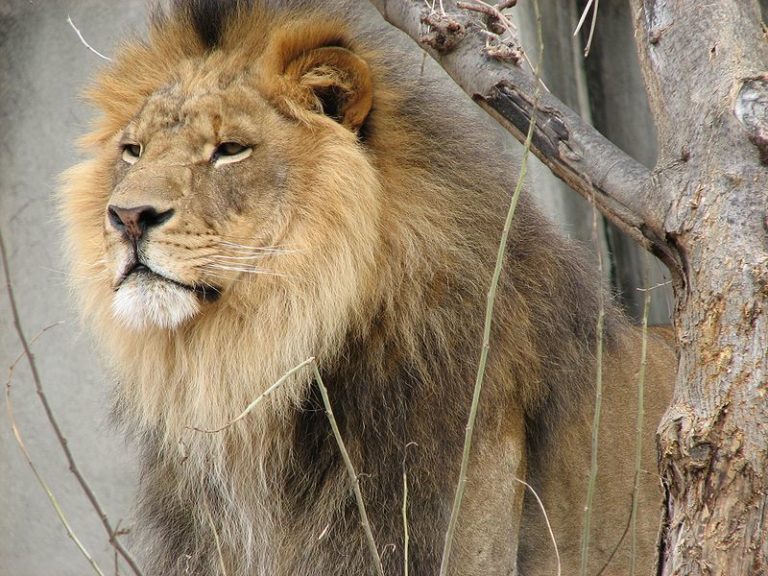
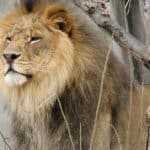
African Lion Now a major draw again after reintroductions; best chances are in Majete Wildlife Reserve and Liwonde National Park, where populations are managed and expanding.
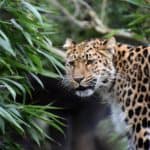
Leopard
Leopard A coveted sighting in Malawi's larger reserves; increasingly encountered in well-protected areas like Liwonde and Majete, often around riverine woodland and dense thickets.
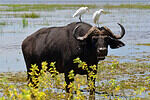
African Buffalo
African Buffalo Common and highly visible in Liwonde and Majete; large herds are frequently seen near water and floodplain edges, especially in the dry season.
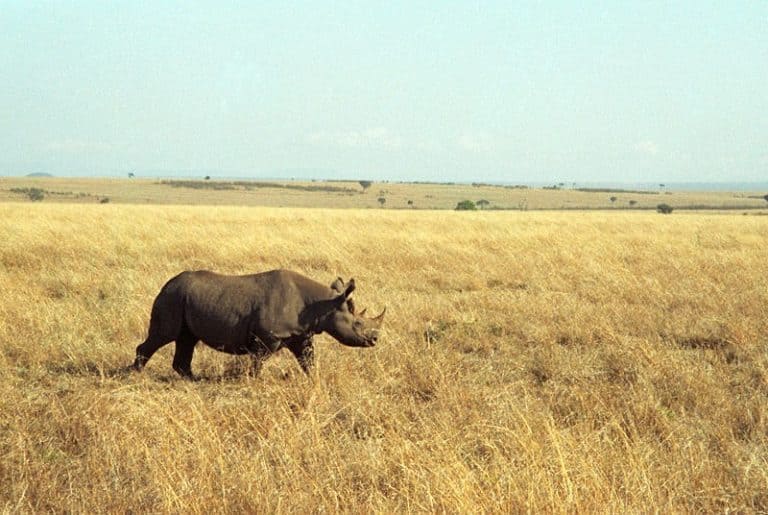
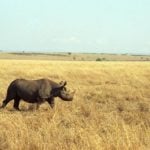
Black Rhinoceros
Black Rhinoceros A high-profile conservation success and key 'Big Five' target; Malawi's best viewing opportunities are in Majete Wildlife Reserve (with additional conservation-driven presence in other managed landscapes).
Sable Antelope A signature antelope of miombo woodlands; sought-after in Malawi's reserves (notably in well-managed areas where populations are stable), offering a classic southern African woodland safari feel.
Roan Antelope Strongly associated with the Nyika Plateau landscape; a prized antelope sighting in Malawi's montane/plateau habitats, often seen in open grassland and woodland mosaics.
Zebra Mbuna (Lake Malawi cichlid) Representative of the famous Lake Malawi rock-dwelling cichlids ('mbuna'). Snorkeling/diving in protected bays can reveal dense, colorful communities-one of Malawi's most distinctive wildlife experiences.

Endemic Species

Zebra Mbuna Endemic to Lake Malawi; emblematic of the lake's rock-dwelling cichlid radiation and commonly encountered in clear, rocky shoreline habitats. Endemic
Fuelleborn's Cichlid Endemic to Lake Malawi; a classic algae-grazing mbuna often seen along rocky reefs, illustrating the lake's specialized ecological niches. Endemic
Afra Cichlid Endemic to the Lake Malawi basin (Lake Malawi, Lake Malombe, and the upper Shire River); a popular, vividly colored mbuna associated with rocky habitats and a good example of local color-pattern diversity between reefs. Endemic
Chapman's Pygmy Chameleon Endemic to Malawi; a tiny, highly threatened chameleon associated with remnant lowland forest patches, often cited as a conservation priority due to extreme habitat loss. Endemic
Mulanje Pygmy Chameleon Endemic to Malawi's Mount Mulanje massif; a localized montane endemic tied to Malawi's isolated highland habitats. Endemic
Thyolo Alethe Near-endemic to the Malawi-Mozambique high-rainfall forests (notably the Thyolo/Mulanje region in Malawi); a scarce, conservation-important forest bird that highlights the value of remaining mid-altitude forest fragments. Endemic

Notable Populations

  • Lake Malawi is one of the most species-rich lakes on Earth for freshwater fish, with hundreds of cichlid species and the vast majority of them endemic to the lake-making it a global center of vertebrate endemism.
  • Liwonde National Park's Shire River corridor supports one of Malawi's most reliable concentrations of large mammals for viewing (especially elephant and hippo), with river safaris being a defining experience.
  • Majete Wildlife Reserve is internationally noted for rapid restoration of a 'complete' big-game community through reintroductions, including establishing Malawi's key black rhino stronghold and viable lion population.
Protection

Conservation

Primary Threats

  • Widespread conversion and degradation of natural habitats due to high rural population density, settlement expansion around protected areas, and encroachment into forest reserves and wildlife corridors. Miombo woodlands and riverine habitats are especially pressured in the Shire Valley and around central/southern protected areas.
  • Smallholder farming expansion onto marginal lands (steep slopes and lake/river catchments) drives clearance of woodlands and wetland margins. This increases erosion and sediment loads into the Shire River system and Lake Malawi, degrading aquatic habitats and water quality.
  • Heavy reliance on fuelwood and charcoal (including illegal harvesting in forest reserves) causes rapid woodland degradation. Demand is concentrated around urban centers like Lilongwe, Blantyre, and Mzuzu, with supply radiating into surrounding districts and protected forests.
  • Catchment alteration (deforestation, streambank cultivation) changes flow regimes and increases siltation; wetland drainage and riverbank conversion reduce natural flood buffering. In some areas, altered fire regimes in savanna/woodland landscapes affect habitat structure and regeneration.
  • Lake Malawi and associated waters face intense fishing pressure, including illegal gears (e.g., fine-mesh nets) and fishing in restricted areas. This threatens endemic cichlid diversity and reduces stocks of key food fish (e.g., tilapia species (Oreochromis spp.) and the Lake Malawi sardine (Engraulicypris sardella)), with knock-on effects for food security and livelihoods.
  • Nutrient and sediment runoff from farms and degraded catchments, plus localized urban wastewater and solid waste around lakeshore towns, contributes to eutrophication risk, algal blooms in sheltered bays, and smothering of rocky habitats vital for endemic cichlids.
  • Rising temperatures and more variable rainfall increase drought and flood cycles, stressing rain-fed agriculture and pushing greater dependence on natural resources. In Lake Malawi, warming and altered stratification can reduce nutrient mixing, affecting fish productivity; extreme events also increase erosion into the lake.
  • Bushmeat hunting and snaring occur around protected areas, particularly where communities have limited protein alternatives. Snares also injure non-target species, including elephants and carnivores, and can undermine reintroduction gains in recovering parks.
  • Illegal trade affects certain species (e.g., pangolins and other wildlife), and opportunistic trafficking routes can pass through the region. While not the largest pressure compared with habitat loss, it adds to declines of high-value species.
  • Elephants, hippos, and crocodiles frequently conflict with people along the Shire River and near Lake Malawi and protected-area boundaries (notably around Liwonde and adjacent community lands). Crop raiding and occasional human injuries/fatalities drive retaliatory killing and erode support for conservation.
  • Aquatic invasives (e.g., water hyacinth in parts of the Shire River system) can choke waterways, reduce oxygen, and impede fishing and transport. Invasive plants also affect disturbed terrestrial areas, complicating restoration.
  • Localized quarrying and small-scale mining (and associated road building) can fragment habitats and increase sedimentation in sensitive catchments. Even where footprints are small, impacts can be significant when they occur in erosion-prone landscapes feeding Lake Malawi.
  • Road expansion and development around tourism areas and along lakeshore corridors can fragment habitats and increase human access to previously remote forests and park edges, raising risks of encroachment, logging, and wildlife poaching.
  • High human use around lake beaches, riverbanks, and park edges (fishing camps, livestock grazing, fuelwood collection) disturbs wildlife and degrades riparian and shoreline habitats important for breeding fish, waterbirds, and large mammals.
  • Chronic pressure on forests for energy, construction materials, and non-timber forest products, combined with high dependence on natural capital during food shortfalls, leads to gradual depletion of woodland resources and reduced ecosystem resilience.
  • Wildlife and livestock disease risks increase where livestock graze near protected areas and where water points are shared in dry seasons. Disease can constrain conservation gains for recovering wildlife populations and affect fisheries/aquaculture where biosecurity is weak.
Visit

Wildlife Tourism

Malawi offers a compact, high-reward wildlife circuit that pairs classic savanna safaris with outstanding freshwater biodiversity on Lake Malawi. Wildlife tourism is an important and growing pillar of the country's visitor economy, supporting park management, community conservancies, guiding, and lodges-especially as major conservation partners have helped restore key parks (notably Liwonde and Majete) through improved protection and reintroductions. Historically, some protected areas suffered poaching and low wildlife densities; in the last two decades, stronger law enforcement, habitat management, and translocations have rebuilt "Big Five-style" safari experiences in selected parks. Accessibility is practical: international entry is usually via Lilongwe (LLW) or Blantyre (BLZ), with good road links to Liwonde (often 4-5 hours from Lilongwe), Majete (from Blantyre), and Lake Malawi beaches/islands; Nyika is more remote and best reached with a 4x4 and extra travel time. Malawi's appeal is variety without the crowds-excellent guiding, strong conservation stories, and the ability to combine wildlife, walking, and water-based experiences in one trip.

Best Time to Visit

May-October (dry season) is the most reliable for wildlife viewing and comfortable travel.

- May-June: Fresh green-to-golden landscapes, fewer visitors, and improving visibility as water sources begin to shrink. Great for general game viewing in Liwonde/Majete and birding as habitats remain productive.
- July-August: Peak comfort (cooler, dry). Strong all-round safari months for game drives and walking; high activity around rivers and remaining pans. Good for combining safaris with Lake Malawi beach time.
- September-October: Hottest and often best for concentrated wildlife as animals cluster near permanent water (especially along the Shire River in Liwonde). Excellent for predator chances and dramatic river scenes. Lake Malawi is warm and clear for snorkeling/diving.

Green season: November-April
- November-December: First rains bring fresh growth; birding ramps up and scenery is lush. Some mammals can be more dispersed.
- January-March: Peak "emerald" season and best for birding (many migrants present). Expect heavier rains and occasional road challenges in remote areas.
- April: Rains taper; landscapes remain green with improving road conditions-good shoulder season for those prioritizing scenery and birdlife.

Top Wildlife Experiences

  • Sunset boat safari on the Shire River (Liwonde): cruise past hippos and crocodiles, then linger for golden-hour elephant and buffalo sightings on the banks.
  • Early-morning game drive focused on predators and big herds: track lion/leopard signs and catch elephants and antelope moving before the heat (Liwonde, Majete).
  • Guided walking safari with an armed scout: learn tracks, trees, and animal behavior up close-often with chances for elephant, buffalo, and plains game encounters at a safe distance (Majete or Nyika).
  • Rhino tracking on foot (where offered): join rangers for a tightly managed tracking experience that supports monitoring and protection of rhinos.
  • Night drive for nocturnal wildlife: look for genets, civets, bushbabies, porcupines, and (with luck) leopard; listen for hyena calls (parks/lodges that permit night drives).
  • High-altitude 'big sky' safari on the Nyika Plateau: day drives and short walks for roan antelope, eland, zebra, and panoramic landscapes-especially rewarding for photographers.
  • Birding-by-boat and on foot: target fish eagles, kingfishers, herons, bee-eaters, and wetland specials around rivers and lagoons; Malawi is a standout for bird diversity.
  • Lake Malawi snorkeling/diving safari: swim with colorful endemic cichlids in crystal-clear water around rocky shores and islands-one of the world's top freshwater fish experiences.
  • Kayaking or paddleboarding along a calm lakeshore at dawn: quiet wildlife moments with waterbirds and the chance of seeing otters in suitable areas.
  • Community-guided nature walk near protected areas: combine wildlife interpretation with cultural insight, local conservation projects, and village life-an easy add-on that directly benefits communities.

Safari Types Available

  • 4x4 game drives (shared or private; dawn and late-afternoon are best)
  • Boat safaris on rivers and lagoons (especially along the Shire River)
  • Guided walking safaris (from short interpretive walks to longer bush walks, park-dependent)
  • Night drives (in permitted areas, typically through lodges/concessions)
  • Rhino tracking/monitoring walks (where available and regulated)
  • Birding safaris (specialist-guided, by vehicle, boat, and on foot)
  • Lake-based wildlife experiences: snorkeling/diving with endemic cichlids, kayaking, paddleboarding
  • Scenic/photographic safaris (Nyika Plateau vistas, riverine photography, hide-based viewing at water)
Fun Facts

Did You Know?

Many of Lake Malawi's cichlids are maternal mouthbrooders: females carry eggs-and later free-swimming fry-in their mouths for days to weeks, essentially turning their mouths into mobile nurseries.

Some Lake Malawi cichlids are extreme specialists you wouldn't expect in a freshwater lake-there are species adapted to scrape algae off rock like grazers, crack snails with powerful jaws, and even steal/eat scales from other fish.

Parts of Lake Malawi are so clear and calm that snorkeling and diving can feel like swimming through a natural aquarium; visibility around 20 meters is commonly reported in good conditions.

A few kilometers of rocky shoreline can host fish found nowhere else: many rock-dwelling cichlids have tiny geographic ranges tied to specific reefs, boulder fields, or bays, so adjacent stretches of coast can have noticeably different species.

Nyika's high plateau (over ~2,000 m) can be cold enough for frost-counter-intuitive in "tropical Africa"-which helps explain why its wildlife and plant communities feel more like cool montane grasslands than lowland savanna.

Lake Malawi is often cited as the single lake with the greatest diversity of cichlid fish on Earth: well over 700 cichlid species have been described from the lake, and the vast majority are endemic (found nowhere else).

By volume, Lake Malawi is among the largest lakes in the world (commonly listed around 9th) and it's also one of the deepest (maximum depth about 700+ meters)-a "wildlife super-habitat" big enough to drive major speciation on its own.

Lake Malawi National Park (a UNESCO World Heritage Site) is one of the world's best-known protected areas created largely to conserve freshwater fish biodiversity-especially the lake's endemic cichlids-rather than the more typical focus on large terrestrial mammals.

Majete Wildlife Reserve is one of Malawi's main "Big Five" destinations: after major reintroduction and recovery efforts it supports lion, leopard, elephant, buffalo, and rhino. Liwonde National Park is also promoted as a "Big Five" park following black rhino reintroductions.

Nyika National Park is Malawi's largest national park (about 3,200 km²) and is the country's key stronghold for several highland wildlife specialties, including large populations of Crawshay's zebra and roan antelope compared with elsewhere in Malawi.

Malawi, a landlocked country in Africa, is blessed with an abundance of wildlife. Much of the country is actually made up of Lake Malawi, which is home to some of the country’s 500 fish species. Many of these species are found nowhere else on the continent. Another important geographical feature of the country, which shares borders with Zambia, Mozambique, and Tanzania, is the Great Rift Valley. Besides its hundreds of fish species, Malawi has 187 types of mammals and 648 types of birds. Other animals include reptiles and insects, including hundreds of species of butterflies and moths.

The Official National Animal of Malawi

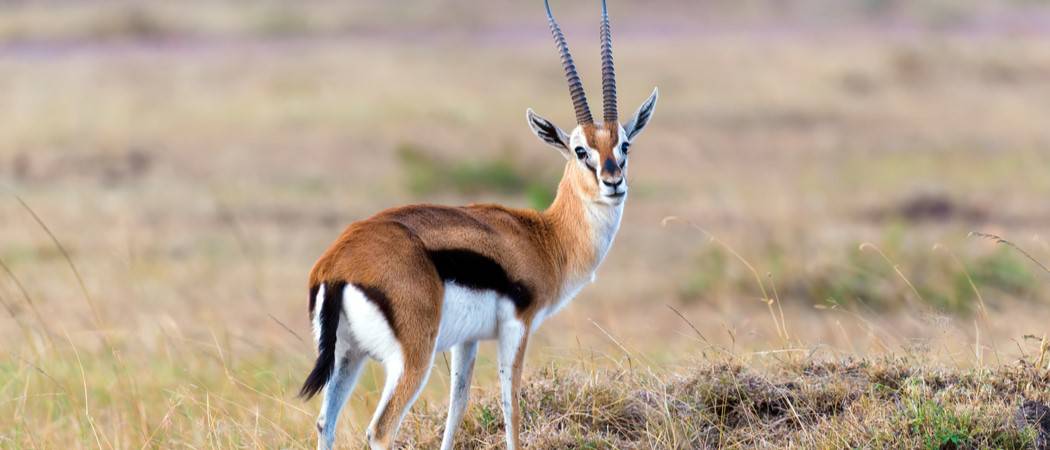
The official national animal of Malawi is the beautiful Thompson’s gazelle, or “Tommie.” This is a common gazelle, which is a type of antelope. It is found not only in Malawi but Kenya and Tanzania and other countries with grassland and savannas. This small gazelle stands about 24 to 28 inches high at the shoulder, which is about the same height as a bloodhound. The male gazelle is a bit larger than the female and weighs between 44 and 77 pounds, while the female weighs between 33 and 55 pounds. The male also has bigger, longer, and more robust horns than the female. The horns are beautifully ringed and curved on both sexes.

These animals can be told from other gazelles by their distinctive coat. The colors of the coat range from light tan to reddish-brown and a band of black runs diagonally up from the upper part of the front leg to the upper part of the hind leg, and there are black markings on the rump. The belly and the throat are white. There are two subspecies of Thompson’s gazelle. One is the Eastern and the other is the Serengeti, with the Eastern Thompson’s gazelle being larger.

The Thompson’s gazelle is also known for its great speed. It can reach speeds of between 50 and 60 miles per hour. While escaping predators, it often runs in a zigzag which is hard for the predator to follow. They also practice an action called pronking, where they bounce into the air with all four legs held stiffly. This behavior is supposed to let the predator know that the gazelle will be hard to catch. Still, the gazelle is prey for a variety of animals including cheetahs, hyenas, lions, leopards, crocodiles, baboons, wild dogs, pythons, and even birds of prey.

Where To Find The Top Wild Animals in Malawi

The top animals in Malawi can be found in its national parks and its reserves. The four reserves are the Vwaza Marsh Wildlife Reserve, the Nkhotakota Wildlife Reserve, the Majete Wildlife Reserve, and the Mwabvi Wildlife Reserve. The Majete Reserve is notable because it contains what is called the Big Five. These mammals are elephants, buffaloes, leopards, lions, rhinoceros.

Malawi’s national parks include Nyika National Park, Lake Malawi National Park, Kasungu National Park, and Liwonde National Park.

The Most Dangerous Animals In Malawi Today

Malawi, it must be said, has a wealth of dangerous animals. Among them are:

  • Lions — about 250 people a year are killed by lions in Africa
  • Hippopotamus — though they are semi-aquatic herbivores, hippos are notoriously dangerous animals. They are believed to kill 500 people every year in Africa.
  • Buffalo — like hippos, African buffalos are herbivores, and like hippos, they are short-tempered. They’re believed to gore or trample about 200 people to death every year on the continent.
  • Nile Crocodiles — unlike other animals, which attack people to defend themselves or to defend their territory or simply out of annoyance, Nile Crocodiles are believed to have human beings on the menu and hunt them. They kill between 175 and 469 people every year.
  • Mosquitoes — Mosquitoes are vectors for several serious and even deadly diseases, including malaria. There are at last 200 million cases of malaria in Africa alone, which is 92 percent of the worldwide total.

Endangered Animals In Malawi

Unfortunately, there are a number of endangered animals in Malawi. Indeed, wildlife is fairly scarce outside of the country’s parks and reserves. Endangered species include:

Animals are endangered due to poaching, over-hunting, and destruction of their habitat. Humans also kill wildlife that interferes with livestock or agriculture, such as lions and elephants.

The Flag of Malawi

The flag of Malawi is a horizontal triband of green, red, and black colors, featuring a half-sun with 31 rays on the black stripe.

Animals Found in Malawi

101 species documented in our encyclopedia

Thank you for reading! Have some feedback for us?