
N S W E
Wildlife Expeditions

Wildlife of
Sweden

Sweden is notable for close-to-home encounters with iconic boreal wildlife-moose, brown bears, lynx, wolves, and thriving coastal bird and seal life-set against vast forests, endless lakes, and the island-studded Baltic archipelagos.
339 Species
450,295 km² Land Area
Overview

About Sweden

Sweden's wildlife character is defined by the Nordic taiga: immense boreal forests, peatlands, and clear-water lake systems that still support a full cast of large mammals. This is one of Europe's best places to see truly wild landscapes at scale, where moose browse forest edges at dusk, beavers shape wetlands, and elusive predators-brown bear, Eurasian lynx, and wolf-persist in low-density but significant populations. Sweden's strong tradition of public access rights (the right of public access) and a well-developed network of nature reserves and national parks make it unusually feasible for visitors to explore responsibly on foot, by canoe, skis, or wildlife hides.

Key ecosystems span the country's length: northern mountain birch woods and alpine tundra around the Scandinavian range; central boreal forests and mire complexes that store carbon and host capercaillie, owls, and waders; and southern mixed forests and farmland mosaics rich in deer, cranes, and raptors. Along the coasts, Sweden's Baltic Sea and Skagerrak/Kattegat waters support seals, sea eagles, vast seabird migrations, and one of the world's most distinctive archipelago environments-thousands of islands and skerries that create sheltered nurseries for fish and feeding grounds for birds.

In global conservation, Sweden contributes through science-led management, long-term ecological monitoring, and participation in European-wide habitat and species frameworks (including large carnivore and wetland conservation). Domestically, the country's modern challenge-and a key part of its conservation story-is balancing forestry, reindeer husbandry in the north, and human-wildlife coexistence with the protection of old-growth forests, wetlands, and apex predators. The wildlife experience here is unique for its blend of remoteness and accessibility: you can track bear in ancient pine forests, watch moose from a lakeside hide, and then shift to seal and sea-eagle watching in a single trip-often with minimal crowds and dramatic seasonal light from long summer days to winter snowscapes.

Physical Features

Geography

Sweden's wildlife distribution is strongly structured by a north-south climate gradient and by the country's dominant boreal (taiga) forests, extensive lake-and-wetland systems, and long, highly indented coastline. Cooler, more continental conditions and higher elevations in the north and along the Scandinavian Mountains support alpine tundra, sparse birch woodlands, and large-ranging carnivores and herbivores, while the central lowlands are a mosaic of conifer forests, rivers, peatlands, and lakes that provide core habitat for moose and forest predators. Southern Sweden is milder and more mixed/deciduous with farmland and broadleaf forests, favoring different bird and ungulate communities. Coastal and archipelago zones in the Baltic Sea, Kattegat, and Skagerrak add brackish-to-marine habitats that support seabirds, seals, and distinct fish assemblages, with salinity and ice cover influencing species ranges.

450,295 km² Land Area
About the size of California; ~55th largest country Size Rank

Key Landscapes

  • Scandinavian Mountains (Scandes) along the Norwegian border, with alpine plateaus, valleys, and montane habitats
  • Norrland boreal forest belt (taiga) dominating northern and central Sweden-large, contiguous forest blocks important for wide-ranging mammals
  • Alpine tundra and subalpine birch zones in the far north and high elevations-key for cold-adapted species and seasonal migrations
  • Major river systems flowing east to the Gulf of Bothnia (e.g., Torne River, Kalix River, Lule River, Ume River, Angerman River, Indal River, Ljungan River, Dal River) with riparian corridors, floodplains, and spawning/migration routes for fish
  • Extensive lake district and inland waters (e.g., Lake Vanern, Lake Vattern, Lake Malaren; plus thousands of smaller lakes) supporting freshwater fish, waterfowl, and wetland species
  • Peatlands, mires, and bog complexes (common across boreal Sweden) that shape bird breeding habitats and store water across landscapes
  • Southern lowlands and agricultural plains (Scania and adjacent areas) with hedgerows, wetlands, and remnant broadleaf woods-important for farmland birds and edge species
  • Baltic Sea coastline including the Gulf of Bothnia and the Stockholm archipelago-brackish waters, eelgrass/macroalgae beds, and island nesting sites for seabirds
  • West coast (Kattegat/Skagerrak) with more oceanic influence, rocky shores, kelp forests, and higher-salinity marine habitats influencing marine species composition

Ecoregions

  • Scandinavian and Russian taiga (boreal conifer forests across much of Sweden)
  • Sarmatic mixed forests (southern Sweden's mixed broadleaf-conifer zone)
  • Scandinavian Montane Birch forest and grasslands (subalpine belt along the Scandes)
  • Scandinavian Montane tundra (alpine tundra of the Scandinavian Mountains)
  • Baltic Sea (marine/brackish ecological zone influencing coastal and archipelago biodiversity)
  • Kattegat and Skagerrak (marine ecological zones along Sweden's west coast)
Parks & Reserves

Protected Areas

Sweden's protected-area system is built around 30 National Parks (managed primarily for large-scale ecosystem protection and recreation), a very extensive network of Nature Reserves (the dominant designation; thousands of sites protecting forests, wetlands, coastal habitats and cultural landscapes), and EU-wide Natura 2000 sites (habitat/species protection under the Birds and Habitats Directives). Additional tools include wildlife sanctuaries/bird protection areas, marine protected areas (MPAs), and many internationally recognized Ramsar wetlands. In the north, large protected landscapes (often overlapping designations) safeguard boreal forest, alpine tundra, and intact river valleys; along the coasts, archipelago and marine protections focus on seabirds, seals, eelgrass and reef habitats.

Protected Coverage

Approx. ~14% of Sweden's land area is under formal protection (national parks, nature reserves and similar designations; excluding many additional Natura 2000 areas that overlap).

Notable Parks & Reserves

Sarek National Park

National Park (part of the UNESCO World Heritage 'Laponian Area')

One of Europe's largest wilderness areas with dramatic alpine valleys, glaciers and intact predator-prey dynamics; it is among Sweden's best landscapes for large mammals and raptors in a truly roadless setting.

Abisko National Park

National Park

A classic Lapland wildlife-viewing park with birch woodland, alpine heaths and a major bird migration corridor; its accessible trails make it a standout for observing northern birds and mountain habitats.

Fulufjallet National Park

National Park

Known for old-growth taiga and high moorlands; it contains Njupeskar Falls (commonly cited as one of Sweden's tallest waterfalls) and supports a rich boreal bird community as well as large carnivores in the surrounding region.

Vindelfjallen Nature Reserve

Nature Reserve

One of Europe's largest protected areas, spanning river valleys, boreal forest and alpine tundra; it is a flagship landscape for conserving wide-ranging predators and mountain ecosystems.

Kosterhavet National Park

National Park (Marine Protected Area)

Sweden's first marine national park, protecting deep fjord-like channels, reefs and eelgrass beds with exceptionally high marine biodiversity for the Skagerrak region.

Harbor seal
Harbor seal
Harbor porpoise
Harbor porpoise
European lobster
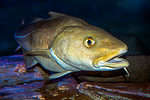
Atlantic cod
Atlantic cod
Edible crab
Common eider

Store Mosse National Park

National Park (includes Ramsar wetland values; parts of the complex are Ramsar-listed in the wider region)

Southern Sweden's largest bog complex, important for wetland birds and peatland biodiversity; boardwalks and hides make it one of the best places to watch cranes and other marsh species.

Common crane
Whooper swan
Eurasian curlew
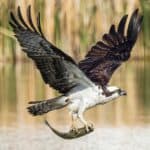
Osprey
Osprey
Moose
Moose
Black grouse

Tyresta National Park

National Park

A rare near-urban wilderness of old-growth pine forest and glacial lakes close to Stockholm; notable for forest birds, large ungulates and intact deadwood habitats.

Moose
Moose
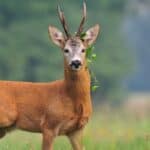
Roe deer
Roe deer
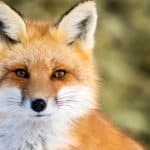
Red fox
Red fox
Black woodpecker
Eurasian pygmy owl
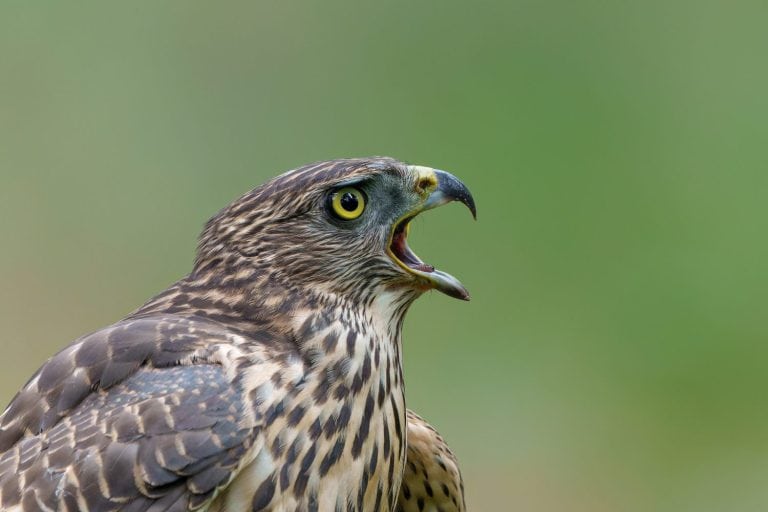
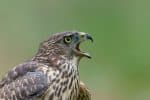
Northern goshawk
Northern goshawk

UNESCO World Heritage Sites

  • Laponian Area (mixed natural/cultural World Heritage)
  • High Coast / Kvarken Archipelago (natural World Heritage; shared with Finland)
Animals

Wildlife

Sweden's wildlife is shaped by vast boreal (taiga) forests, mires and mountains in the north, a lake-rich interior, and long Baltic/Skagerrak coastlines with huge archipelagos. The "classic" experience is big northern mammals-moose, brown bear, lynx and wolverine-plus strong raptor populations and iconic forest birds. Coastal Sweden adds seals and seabirds, while the far north (Lapland) brings tundra/alpine species such as Arctic fox and reindeer. Overall diversity is moderate compared with southern Europe, but Sweden is exceptional for large-mammal viewing and intact northern ecosystems close to accessible infrastructure.

~70-75 species (including bats and marine mammals) Mammals
~250-280 regularly occurring breeding species; 400+ recorded overall with migrants/vagrants Birds
~6-8 native species (low diversity due to climate) Reptiles
~12-14 native species Amphibians

Iconic Species

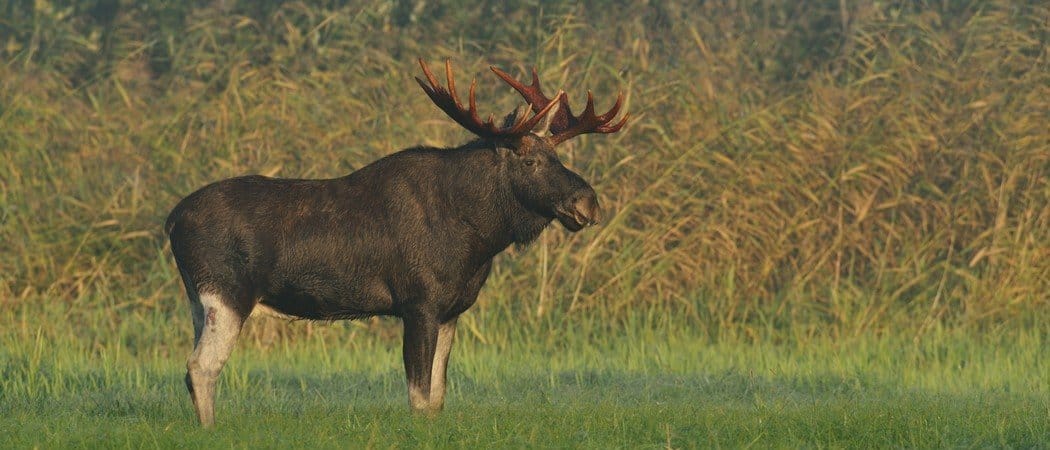
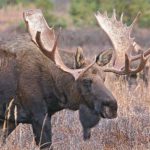
Moose
Moose Sweden's signature large mammal, widespread across forested landscapes; high encounter probability compared with most of Europe. Best seen in forest-lake mosaics in central and northern Sweden (dawn/dusk drives, wildlife hides).
Brown Bear
Brown Bear A flagship predator of Sweden's taiga, with reliable viewing via guided trips and hides in bear-dense areas (notably parts of Dalarna, Gävleborg, Jämtland and Västerbotten). Sweden is a core stronghold for bears in the EU.
Eurasian Lynx
Eurasian Lynx Elusive but emblematic; Sweden supports one of Europe's most important lynx populations, especially across the boreal forest belt. Tracking tours in winter (snow conditions) improve chances.
Wolverine
Wolverine A rare, high-latitude carnivore associated with mountain and tundra-edge habitats of Swedish Lapland. Sightings are difficult but it defines the 'wild north' experience; winter tracking is the main approach.
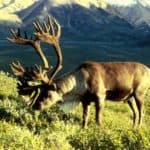
Reindeer
Reindeer Central to Lapland's cultural and ecological identity. Many are semi-domesticated under Sami herding, but large free-ranging herds are still a defining wildlife presence on the fells and birch forest zone.
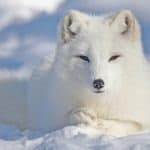
Arctic Fox
Arctic Fox A conservation icon of the Scandinavian mountains; Sweden's small population is closely managed and best sought in high alpine areas (with expert guides). Its rarity makes it a 'bucket-list' species.
White-tailed Eagle
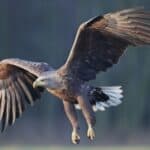
White-tailed Eagle A major success story: strongly recovered and now a hallmark of Sweden's coasts and large lakes. Excellent viewing in the Stockholm archipelago, Baltic islands, and along big inland waters.
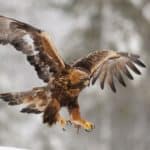
Golden Eagle
Golden Eagle A top predator of Sweden's uplands and northern forests; seen soaring over mountain valleys and taiga clearings, especially in Lapland and the Scandinavian mountain chain.
Western Capercaillie An iconic boreal forest grouse; leks and forest edges in spring make it one of the defining birds of Swedish taiga (often targeted by birders).
Grey Seal
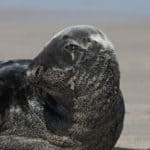
Grey Seal A quintessential Baltic archipelago species. Large haul-outs occur along the Baltic coast and around offshore skerries; boat trips in season can be very productive.

Endemic Species

Scandinavian (Norwegian) Lemming Near-endemic to the Scandinavian Peninsula (including Sweden). Famous for population 'boom-and-bust' cycles that drive predator dynamics on Sweden's mountain tundra. Endemic
Baltic Ringed Seal (Baltic subspecies) A brackish-water ringed seal subspecies largely confined to the Baltic Sea. Sweden's Baltic ice and archipelagos are important habitat, especially during breeding/ice seasons. Endemic
Baltic Sea Harbour Porpoise (Baltic subpopulation) A small, genetically distinct and endangered Baltic Sea population; Sweden's coastal waters are part of its key range, making porpoise-friendly boating and monitoring especially important. Endemic

Notable Populations

  • Sweden is a core stronghold for large carnivores in Northern Europe, supporting major portions of the Scandinavian populations of brown bear, Eurasian lynx and wolverine.
  • One of the largest and most visible moose (Alces alces) strongholds globally, with extensive managed forests and wetlands supporting high densities.
  • The Baltic Sea grey seal population has rebounded strongly; Sweden's archipelagos are among the most important haul-out and foraging areas.
  • White-tailed eagles have recovered dramatically in Sweden and are now among the most reliable large raptors to see along coasts and big lakes in northern Europe.
Protection

Conservation

Primary Threats

  • Industrial forestry dominates much of Sweden's boreal landscape. Even-aged management, short rotations, soil scarification, and removal of old/decaying wood reduce habitat continuity for old-growth-associated species (e.g., lichens, fungi, saproxylic beetles) and can fragment remaining high-conservation-value forests. Conflicts are especially acute where remaining old forest intersects with Indigenous Sami reindeer herding landscapes and protected-value mapping.
  • Net habitat loss/quality decline is most pronounced in lowland forests (loss of old-growth attributes), drained or altered wetlands/peatlands, and coastal/shallow marine habitats affected by eutrophication and physical disturbance. Conversion is less about wholesale deforestation and more about degradation, fragmentation, and loss of specific structures (dead wood, mixed-age stands, riparian buffers).
  • Warming is rapid in northern Sweden, shifting treelines, altering snow regimes, and stressing Arctic-alpine species in the Scandinavian mountains. In boreal forests, climate change increases storm damage and drought stress and amplifies bark beetle and pathogen risks. In the Baltic, warmer waters and altered salinity/stratification affect cod recruitment, cyanobacterial blooms, and coastal food webs.
  • The Baltic Sea remains impacted by nutrient loading (nitrogen and phosphorus) driving eutrophication, hypoxia, and harmful algal blooms, with significant contributions from agriculture, wastewater, and atmospheric deposition. Legacy contaminants (e.g., PFAS, PCBs, dioxins, mercury) persist in sediments and biota, affecting fish consumption advisories and top predators; local hotspots occur near airports/firefighting sites (PFAS) and historical industrial areas.
  • Commercial and recreational fishing pressure interacts with ecosystem change in the Baltic and Kattegat/Skagerrak. Historical overexploitation and ongoing management challenges have affected species such as Baltic cod and depleted coastal predatory fish in some archipelagos, with knock-on effects on trophic balance and vegetation (e.g., algal overgrowth in some coastal zones).
  • In aquatic systems, invasive species and range expansions occur via shipping, canals, and warming seas (e.g., non-native invertebrates and fish introductions in some waters). On land, invasive plants spread along roadsides and disturbed sites, complicating restoration. In the Baltic, non-native species can alter benthic communities and compete with native fauna.
  • Roads, rail, wind-power buildout, and grid expansion fragment habitats and can increase mortality for wildlife (vehicle collisions with moose and deer). Hydropower infrastructure-common in northern rivers-interrupts fish migration, alters flow regimes, and changes sediment dynamics, with biodiversity impacts extending from headwaters to estuaries.
  • Hydropower regulation (flow alteration, channelization), historical river log-driving modifications, wetland drainage, and forest ditching have modified natural hydrology. In rivers, regulation reduces habitat diversity and affects species reliant on natural flood pulses; in peatlands, drainage increases carbon loss and reduces wetland biodiversity.
  • While Sweden's agricultural footprint is smaller than many EU states, intensification in southern Sweden (Scania and other productive regions) reduces semi-natural grasslands and field margins, impacting pollinators and farmland birds. Nutrient runoff from agricultural areas is a major driver of coastal eutrophication.
  • Large carnivore recovery (wolf, bear, lynx, wolverine) creates conflict through livestock depredation and hunting-dog losses, and intersects with reindeer husbandry in the north. Management relies on regulated hunting, preventive measures, and compensation, but social acceptance remains uneven and can affect population targets.
  • Hunting is culturally and economically important (notably moose), and is generally regulated, but it can contribute to localized pressures and contentious debates around quotas for large carnivores and protective hunting near reindeer herding areas. Illegal killing has been a concern in the context of wolf management controversies.
  • High recreational use in archipelagos, mountain areas, and near urban centers can disturb nesting seabirds and sensitive shoreline habitats. Expanding nature tourism, off-road activity in some areas, and boat traffic can stress wildlife during breeding seasons unless zoned/managed.
  • Climate and wildlife density changes influence disease dynamics, including tick-borne diseases expanding northward and episodic wildlife disease events. Aquatic diseases and parasites can affect fish and crayfish populations, with risks amplified by movements of live organisms and warming waters.
  • Local depletion can occur for sensitive stocks (coastal fish, crayfish) and through overharvesting of certain forest resources in high-use areas. More broadly, ecosystem services such as water quality in coastal zones are strained by nutrient loads, reducing resilience and requiring costly remediation.
Visit

Wildlife Tourism

Best Time to Visit

Jan-Mar: Winter wildlife and tracking season. Look for moose in forest edges and river valleys; track lynx/wolverine on snow with a guide; visit raptor-feeding stations in some regions; excellent chances for northern lights combined with wildlife (especially in Lapland).

Apr-May: Spring migration and awakening forests. Prime birding as cranes, geese, and passerines return; capercaillie/black grouse lek tours start (often late Apr-May); sea eagles become very active along coasts; moose become more visible as snow retreats.

Jun-Jul: Midnight sun in the north + peak general nature travel. Great time for archipelago boat excursions, seabird colonies, beavers at dusk, and whale-watching day trips when conditions align. Expect mosquitoes in many inland wet areas-plan for head nets/repellent.

Aug-Sep: Best all-round big-wildlife season. Brown bear hides are at their peak (late summer); moose are active and photogenic; berry season supports wildlife activity; crisp nights improve comfort for long evening hides.

Late Sep-Oct: Moose rut and autumn color. One of the best times for moose-focused trips (rutting behavior, calling bulls). Also strong for forest photography and migrating raptors/coastal birds.

Nov-Dec: Early winter settles in. Fewer visitors, atmospheric conditions for tracking and wilderness stays; some birdlife concentrates around open water/coasts; combine with snow activities as winter deepens.

Top Wildlife Experiences

  • Spend an evening in a purpose-built brown bear photography hide (late Aug-Sep is classic), watching bears emerge at dusk in the boreal forest while staying silent and comfortable overnight.
  • Join a guided moose rut outing in early autumn (late Sep-Oct): listen for calling bulls, scan forest edges at dawn, and learn how guides read tracks and feeding sign.
  • Take a dusk beaver safari by canoe or quiet electric boat on a forest lake/river-watch for tail slaps, lodge-building, and feeding along the shoreline (best May-Aug).
  • Do an archipelago wildlife cruise to look for white-tailed sea eagles and seals, combining island-hopping with slow wildlife approaches and coastal photography (best Apr-Sep).
  • Book a capercaillie or black grouse lek experience with a specialist guide (late Apr-May): pre-dawn arrival to a hide/blind to watch courtship displays without disturbance.
  • Go winter tracking on skis or snowshoes with a guide to interpret lynx, wolverine, and moose trails, learning how snow conditions reveal movement patterns (best Jan-Mar).
  • Take a whale-watching excursion from Sweden's west coast when conditions are right-scan for porpoises and occasional larger whales alongside seabirds (best Jun-Sep; variability by year).
  • Plan a 'forest night' owl and predator-listening walk in spring-guided evening outings can coincide with calling owls and increased nocturnal activity (best Mar-May).
  • Join a crane migration watch from a vantage point at dawn or late afternoon, pairing it with wetland birding for geese, swans, and raptors (best Mar-Apr, and again Aug-Sep in some areas).
  • Try a multi-day paddling-and-wildlife trip through lake and bog landscapes: daytime birding and swimming, then structured dawn/dusk watches for beaver, moose, and forest birds (best Jun-Aug).

Safari Types Available

  • Wildlife hides/blinds (bear hides; bird photography hides for eagles/owls; lek hides for grouse)
  • Guided tracking safaris (snow tracking in winter; spoor/sign tracking in shoulder seasons)
  • Self-drive wildlife watching routes (dawn/dusk scanning along forest roads and wetland edges; best with local guidance on hotspots)
  • Boat safaris and archipelago cruises (sea eagles, seals, seabirds; also coastal porpoise/whale trips on the west coast)
  • Canoe/kayak wildlife safaris (quiet paddling for beaver, moose, waterbirds)
  • Walking safaris/nature hikes (focused on birds, mammals, and ecology; often timed for dawn/dusk)
  • Night excursions (owls, nocturnal mammals, aurora + wildlife combinations in the north)
  • Winter snowmobile or dogsled-supported wildlife outings (primarily for access and tracking in remote areas, combined with nature interpretation)
  • Bird migration and wetland viewing trips (cranes, geese, raptors; often from hides or towers)
  • Photography-focused workshops (dedicated sessions for low-light forest work, long lenses, and ethical field practice)
Fun Facts

Did You Know?

Sweden has far more Eurasian lynx than wolves-lynx populations are typically in the low thousands, while wolves are only in the low hundreds-yet most visitors never see either because they are so elusive.

Moose are powerful swimmers and regularly cross wide channels; in coastal and archipelago areas they can be spotted moving between islands, using waterways that look too open for such a large land animal.

Some "salmon" in Sweden never go to sea: Lake Vänern's landlocked Atlantic salmon (and similar lake-run trout in other large lakes) still perform salmon-like spawning migrations up rivers, despite living in freshwater year-round.

Reindeer in Sweden are not just wild animals: a large share are semi-domesticated and herded, and reindeer husbandry is legally tied to Sami communities-so the reindeer you see may have owners even when they appear free-ranging.

Thanks to Sweden's Right of Public Access (Everyman's Right), you can legally hike, camp briefly, and pick wild berries and mushrooms across huge areas of boreal forest-often in the same landscapes used by bears, moose, and wolverines (with clear rules to avoid disturbance).

Lake Vanern is the European Union's largest lake-and it supports its own landlocked salmon system (Atlantic salmon and trout that live their whole lives in freshwater and still migrate up rivers to spawn).

The Baltic Sea, which borders much of Sweden, is the world's largest body of brackish water-creating a rare mix of marine and freshwater wildlife in the same coastal ecosystem.

Sweden runs one of the world's largest moose (elk) management and hunting programs: annual harvests commonly reach tens of thousands (often around ~70,000-100,000), reflecting exceptionally high moose densities in parts of the country.

Sweden is the European Union's main stronghold for wolverines, with the largest EU population concentrated in its northern boreal and mountain regions.

The Stockholm Archipelago contains on the order of ~30,000 islands, islets, and skerries-making it one of the planet's largest archipelagos and a major habitat mosaic for coastal birds and Baltic marine life.

Sweden is a Scandinavian country on the coast of the Baltic Sea. It borders Norway to the west and Finland to the east. It is the third-largest country in Europe, but it has the second-lowest population density. Sweden’s weather is milder than the weather of other Scandinavian countries.

Its temperatures range from cool and humid in its southern lowlands to subarctic in its northern mountain ranges. Its location on the Arctic Circle means it has long, harsh winters. There are many wild, open spaces in Sweden. It has vast expanses of unspoiled forests and scenic Alpine lakes.

The Official National Animal of Sweden

Sweden’s national animal is the Eurasian elk (Alces alces), which is known as a moose in American English. The moose is the largest member of the New World deer family. Unlike other deer, moose are solitary and don’t travel in herds.

The moose’s thick skin and dense fur allow it to thrive in cold temperatures. Moose travel long distances to find the food they need. Moose are not endangered in Sweden. There are 300,000 to 400,000 of them, and the government permits hunting of them to control populations.

The reindeer is important culturally to the indigenous Sami people who live in Finland, Norway, Russia, and Sweden. They were formerly known as Laplanders, but they consider that name offensive now. Although they are wild, reindeer are treated as domestic animals by the Sami, who herd them, use them for work and sell their meat. The Sami believe they and the reindeer have a pact to take care of each other forever.

Where To Find the Top Wild Animals in Sweden

Most wildlife is easy to spot in Sweden. If you hike in the forests, you are likely to encounter moose, but keep a respectful distance. They prefer to forage in the early evenings.

You can see beavers in most lakes and rivers in Sweden. Beavers are nocturnal. Traveling by boat at sunset allows you to come upon them as they’re building and fishing. If you see gnaw marks on nearby trees, you are probably near a beaver lodge.

Wolves are shy and difficult to spot. They live in densely forested areas. You can often hear them howling when you hike or camp. Some professional guides offer tours of the forests where you may spot these elusive creatures. Wolves are a protected species in Sweden.

Arctic foxes live in the northern mountains near Norway. They live in remote, hilly areas that most people and cars can’t reach. There is a guided tour on Helags Mountain that allows you to watch their dens from a distance.

The lynx is even shyer than the wolf. Although there is a large, healthy population of Eurasian lynxes in every part of Sweden, they are excellent at staying out of human sight. Lynxes are active at dusk and in the early morning hours. Some people have spotted a lynx while driving around the edge of the forest at sunrise.

Sweden has 30 national parks. Farnebofjarden National Park is a gorgeous place to see otters and other marine animals. It is on the Dalalven River and is a protected wetlands area. You can spot all kinds of wildlife visiting the river for a drink.

Abisko National Park is home to Scandinavia’s largest alpine lake. It is a wondrously scenic place to spot arctic foxes, reindeer, Eurasian elk, and lemmings.

The Most Dangerous Animals in Sweden Today

Sweden’s largest predators are the brown bear, wolf, and lynx. It also has wolverines, wild boars and moose. These animals can all be dangerous when provoked, but there are very few recorded attacks on humans.

Endangered Animals in Sweden

  • The European bison (Bison bonasus) is listed as near threatened in Sweden.
  • The European otter (Lutra lutra), also known as European otter and Old World otter, lives in Sweden’s lakes and rivers. Unlike sea otters, European otters don’t live in the water. Hunting caused otters to become nearly extinct, but otter populations are now recovering in many parts of Europe.
  • Muskox (Ovibos moschatus) were almost extinct, but they have been reintroduced in Sweden. Wild boars were also hunted to extinction in Sweden, but they have been reintroduced and are now rated “least concern” for wildlife conservation status.
  • The fin whale (Balaenoptera physalus), also known as finback whale, is the second largest species after the blue whale. It was hunted almost to extinction and has been slow to recover. The International Whaling Commission has outlawed commercial hunting of the fin whale, but Iceland and Japan continue to hunt it.
  • Two bat species are almost extinct in Sweden. The pond bat (Myotis dasycneme) is a medium-sized bat that nests near areas of water. Bechstein’s bat (Myotis bechsteini) is a long-eared bat that roosts in trees. It is one of the most rare and endangered bats in the world.

Sweden’s Unique Animals

Sweden’s scenic landscapes are home to many of the world’s most beautiful animals, including lynxes, arctic foxes, gray wolves and otters. Majestic elk, bears and wild boars roam the forests, and whales and seals swim in the oceans. Sweden has made a commitment to conserving its unique wildlife. Most of these animals enjoy healthy, stable populations in their wild natural habitats. With care and conservation, these magnificent animals will continue to thrive.

Fish Found in Sweden

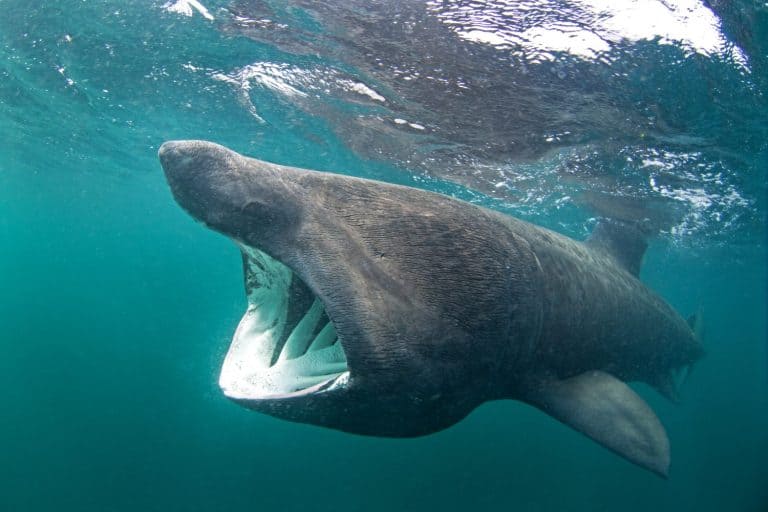
Sweden may be famous for its cold weather and gorgeous scenery, but it’s also home to several fascinating fish species. These species are notable for their brilliant colors, odd shapes, or, in one case, their gaping mouths. Discover seven spectacular fish found in Sweden.

Sweden’s Flag

The flag of Sweden is a beautiful shade of blue, which represents loyalty, justice, and perseverance. A yellow-gold Nordic cross extends across its entirety. The cross is not centered; the vertical stripe is closest to the pole. The golden shade stands for generosity, a value important to the Swedish people. The flag derives from an ancient story. According to legend, King Eric IX saw an image of a golden cross as he arrived in Scandinavia in 1157.

Animals Found in Sweden

339 species documented in our encyclopedia

Thank you for reading! Have some feedback for us?